
 English
 Polski
 Deutsch
 Nederlands
 Svenska
 Norsk
 Dansk
 Français
 Italiano
 Español
 Português
 Slovenčina
 Suomi
 Gaeilge
What to Do for Fruit Trees in Winter
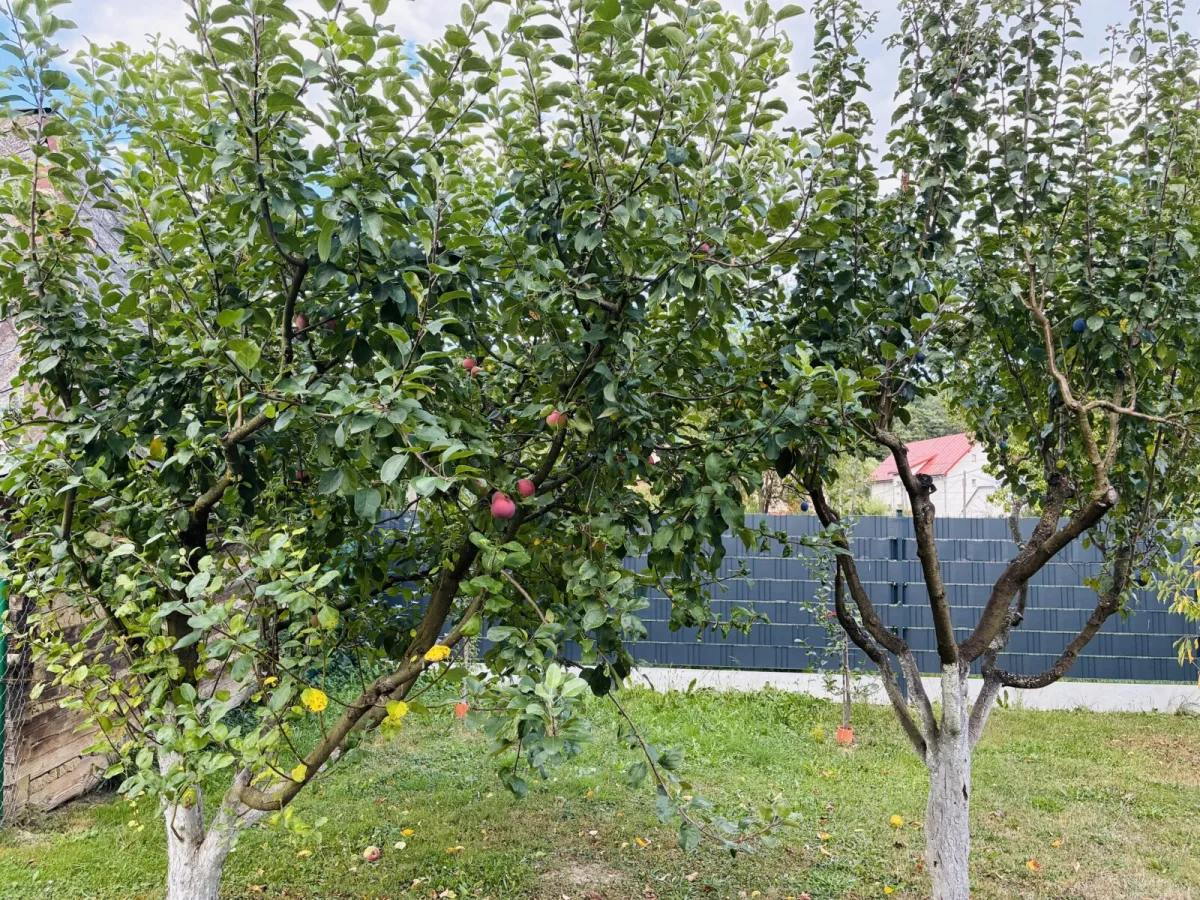
Winter care as the foundation for healthy, generous crops
Winter isn’t a time of complete rest for fruit trees from a gardener’s point of view. Quite the opposite. Once the trees have dropped their leaves and the framework of the crown is easy to see, it’s the ideal moment to deal with anything that could weaken growth or reduce next season’s yield. Winter maintenance helps keep pests and diseases in check, limits weed competition, and gives you a chance to inspect stakes, ties and the overall condition of the trees.
If you don’t leave everything until spring, woody plants get a better start to the new season. A tree that begins spring growth in a clean, well-cared-for environment is usually tougher and often more productive. Winter jobs in the garden aren’t just a chore, they’re an investment in the harvest to come.
Weed removal and soil preparation
One of the first steps should be clearing the area around the trunk. Weeds don’t only harm trees by stealing water and nutrients. They also provide shelter for various pests that can hide there over winter. When you weed around the tree, you improve conditions for the roots and also reduce the risk of spring infestations.
Pulled weeds can go on the compost heap, as long as they aren’t heavily affected by disease or full of seed from persistent perennial weeds. After that, it’s worth lightly loosening the soil under the tree. This improves airflow into the top layer and also brings pest larvae and eggs to the surface, where frost or hungry birds can deal with them more easily.
It’s best to leave feeding and mulching until later in winter, once the harshest frosts have eased. A general-purpose organic fertiliser will top up nutrients, and a fresh layer of mulch will suppress new weeds, help retain moisture and gradually improve soil structure. The mulch should be thick enough to protect, but it shouldn’t be piled up directly against the trunk.
How to reduce overwintering pests
Many problems in the fruit garden start quietly during winter. Aphids, spider mites, scale insects and the caterpillars of some pests can survive the cold tucked away in bark cracks and branch crotches. As soon as temperatures rise in spring, they reappear quickly and begin to weaken the tree.
That’s why it’s sensible to use a winter wash early in winter, designed for treating trees during dormancy. These products are often based on plant oils and can significantly reduce numbers of overwintering pests. Sometimes a repeat treatment towards the end of winter is recommended for the best effect.
Apply the spray thoroughly to the bark and branches, ideally on a still day so it reaches every crevice. Even though it’s a gentler approach, it’s wise to protect yourself with gloves and a mask. Well-timed winter treatment has the advantage of disturbing beneficial organisms less than interventions made during the growing season.
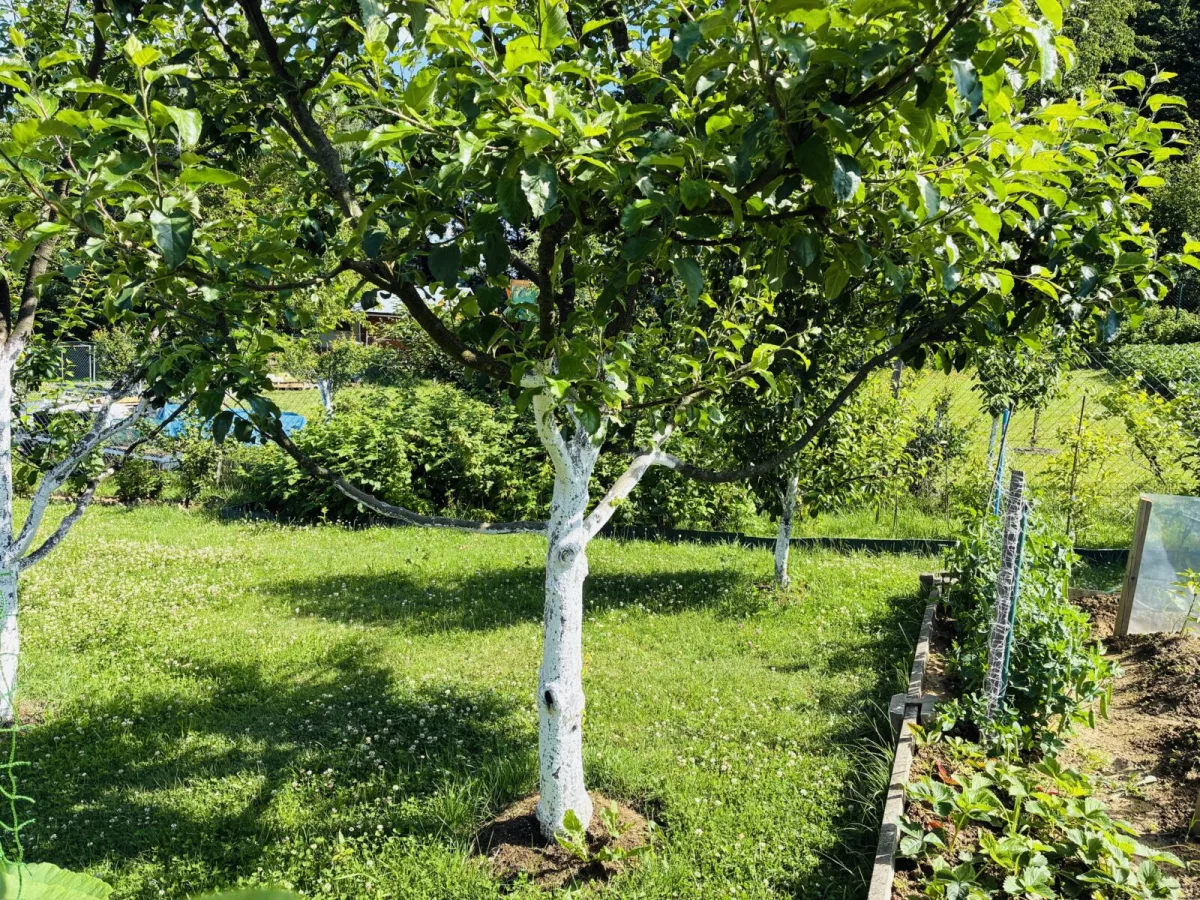
Sticky bands as a simple way to protect the trunk
Another effective defence against pests is sticky bands placed around the trunks. Their purpose is to stop wingless females or other crawling pests from reaching the canopy from the ground and laying eggs there. That’s how you can prevent later damage to leaves and fruit.
The band must be fitted tightly so there’s no gap underneath. The sticky side should face outwards, and it’s worth checking the fixing after wind or rain. If young trees have support stakes, you need to protect those too. Otherwise they can become an easy access route that undermines the whole point of the barrier.
Removing old fruit and checking stored produce
After leaf fall, it’s easy to spot dried-out or rotten fruit still hanging in the canopy from the previous season. These so-called mummified fruits shouldn’t be left in place. They often harbour diseases that could spread again the following year. The safest approach is to remove them as soon as possible.
Fruit stored in a cellar or other storage space also deserves attention. Regular checks at least once a week help you catch rot or pest damage early. As soon as you find a soft or decaying piece, remove it immediately so it doesn’t infect the rest. Stored fruit needs ongoing monitoring, because even small neglect can lead to bigger losses.
If mice or other small animals get into your stores, check how well the space is secured. Even a small gap can be enough for them to get in. A well-sealed store is just as important for keeping fruit sound as low temperature and good ventilation.
Protecting trees from frost and snow
Frost may help reduce pests, but it can seriously harm some fruit species. Particularly vulnerable are plants grown in containers and less hardy types such as olive trees or citrus. These should overwinter in a greenhouse, conservatory or another bright, cool, but sheltered place.
Hardier plants can be protected with horticultural fleece wrapped around the branches, with an insulating layer of straw added if needed. For trees in pots, good drainage is also essential. Waterlogged compost combined with prolonged frost can cause serious root damage.
Heavy snow is another risk. It can build up in large loads on branches and, under its weight, cause bending or breakage. It’s best to gently shake or brush snow off, but always carefully, because frozen wood is more brittle than usual.
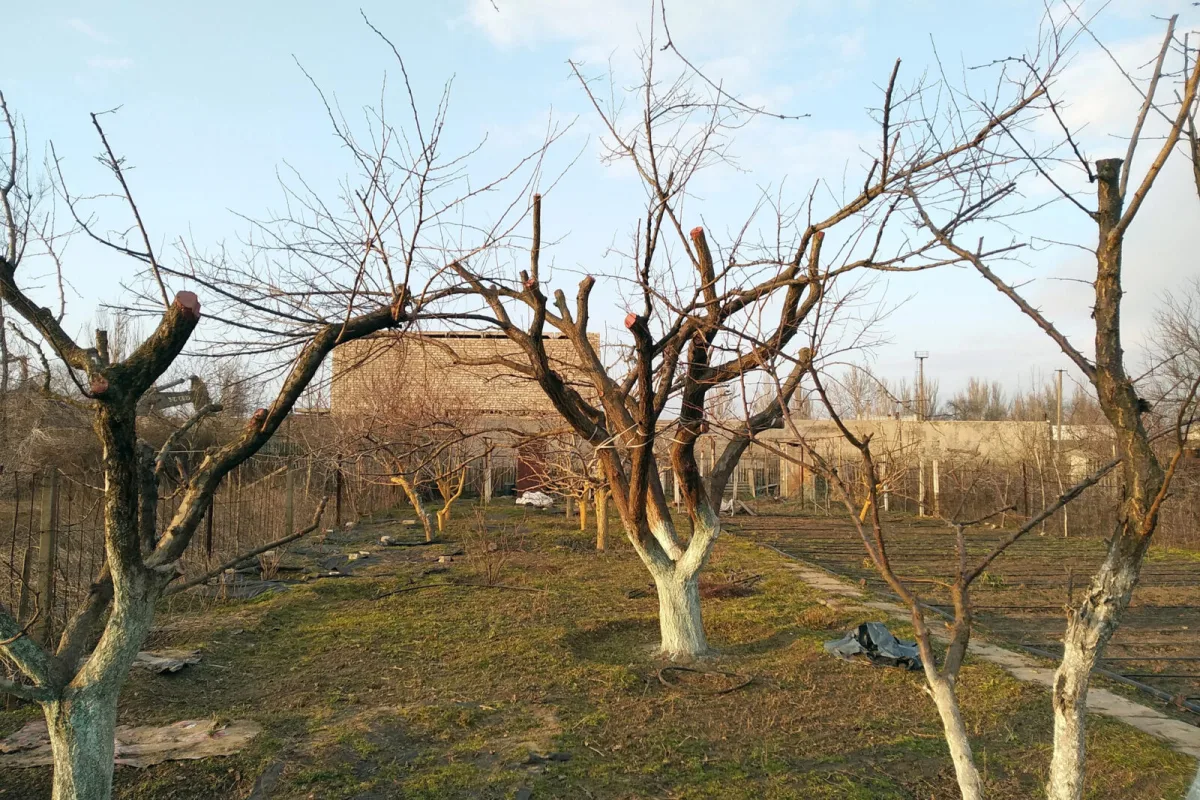
Checking supports, ties and the stability of young trees
Alternating frost and thaws can loosen the roots of newly planted trees in the soil. A tree like that loses stability and is more prone to wind damage. After cold spells, it’s a good idea to check that the tree is still firmly anchored, and if necessary to firm the soil back down around it.
It’s just as important to look over stakes, wires and ties. Old or rotting supports are best replaced in winter so they’re ready in spring to carry new growth. For trees trained against walls or on frameworks, you should also check the support wires and their tension.
Ties shouldn’t be too tight. The trunk and thicker branches gradually thicken, and poorly adjusted ties can damage the bark. Injuries like that make it easier for fungal diseases to get in. Regular winter checks help prevent these problems before they become serious.
Winter work really does show in the harvest
Even though it’s cold outside, work around fruit trees makes a lot of sense at this time of year. Every weed removed, pest reduced, fruit cleared away or tie adjusted increases the chance that trees will enter spring in good condition. Winter isn’t just a break between seasons, it’s an important stage of care.
A well-cared-for fruit tree will reward you in spring with stronger growth and, in summer or autumn, often a better-quality crop.
Anyone who pays attention to their trees during the winter months saves themselves a lot of worry later. When the new season arrives, the garden will be far better prepared than one where winter care was overlooked.
Source: Grow Veg, Rhs , Pestrazahrada.cz

A nurse by profession, she is passionate about healthy living, nature, and everything that benefits both people and the world around them. In her free time, she enjoys gardening, cooking, sewing, and caring for her family. In her articles, she loves combining professional expertise with practical experience from the garden and everyday life.
Related articles

Feed Blueberries in Autumn with a Homemade Mix That Ferments for a Few Weeks and Shows Results in Spring
If you want your blueberries to flower and fruit more heavily next year, try a simple homemade feed made from stale bread and used coffee grounds. Left to ferment for a few weeks, it can gently support soil life and the root zone going into winter.

Stonecrop is the easiest perennial for lazy gardeners but one common mistake ruins it
Stonecrop (Sedum) is a tough, drought-tolerant perennial, but it isn’t indestructible. Give it sun and sharply draining soil, and avoid overwatering to keep it compact and floriferous.

Lift cannas for winter: mistiming can ruin them and one extra week can decide next season
Cannas are spectacular summer plants, but in colder regions their rhizomes won’t survive hard frost in the ground. Lift them at the right moment, dry them properly, and store them cool and dry for replanting in spring.
Comments (0)
Be the first to comment.