
 English
 Polski
 Deutsch
 Nederlands
 Svenska
 Norsk
 Dansk
 Français
 Italiano
 Español
 Português
 Slovenčina
 Suomi
 Gaeilge
How to Choose a Sack for Storing Potatoes So They Don’t End Up in the Compost in a Few Weeks
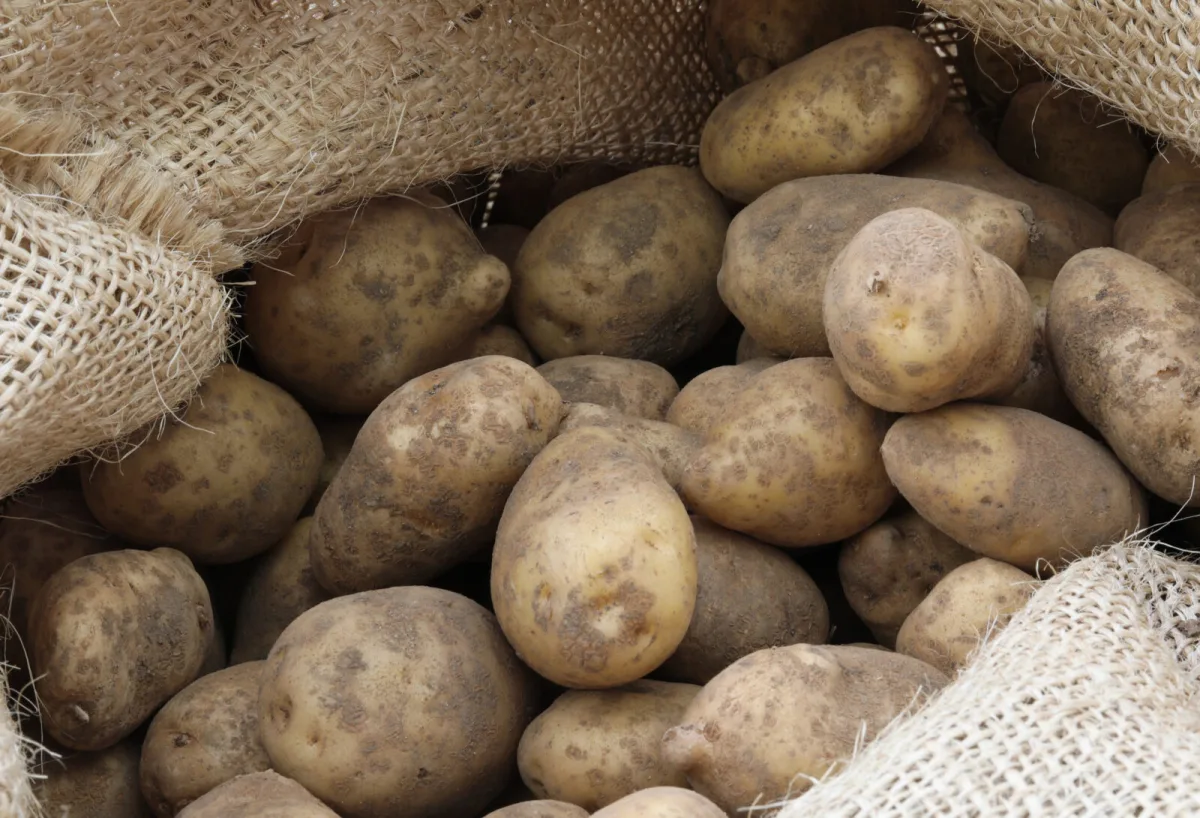
After harvest, potatoes need the right conditions to stay firm, flavoursome and high quality for as long as possible. It’s not enough to lift them and leave them in a corner. Both the storage environment and the type of sack they’re kept in through the cooler part of the year make a big difference. A well-chosen sack helps limit exposure to light and excess moisture, two frequent causes of deterioration in stored tubers.
Jute sacks as a proven classic
Jute sacks, often sold as hessian sacks, are one of the traditional choices for storing potatoes at home. Their woven structure allows air to pass through easily, so there’s less condensation building up inside. Airflow is key for reducing rot and that overall sweaty, musty condition that can ruin stored potatoes.
Another advantage of jute sacks is their durability. With careful handling, they can be used repeatedly, which is especially appreciated by growers who harvest potatoes every year. They’re commonly sold in larger capacities, for example for 25 kg or 50 kg of crop, and they suit places where you can store the sacks somewhere cool and dark.
Paper sacks as a light and practical alternative
Paper sacks are another effective option for storing your crop safely. They’re made from tough, multi-layer paper that still allows air to circulate. A major benefit is that they’re opaque, so potatoes are better protected from light, which can negatively affect their quality.
These sacks are lightweight, easy to carry, and once empty they can be folded flat, so they don’t take up much space. If they stay clean, dry and undamaged, they can be reused. They’re often available in sizes such as 15 kg and 25 kg, so they adapt well to small and medium harvests. If they’re still in good condition after use, they can also be recycled.
Which type of sack to choose
Both options can work well for storing home-grown potatoes. A jute sack suits anyone who wants a sturdy, reusable solution with excellent breathability. A paper sack, on the other hand, appeals to growers who prefer a lightweight, compact, light-blocking option.
The most important thing isn’t only the sack material, but also making sure the potatoes are stored in darkness, cool conditions, dry air, and without any risk of freezing.
How to keep potatoes in good condition for as long as possible
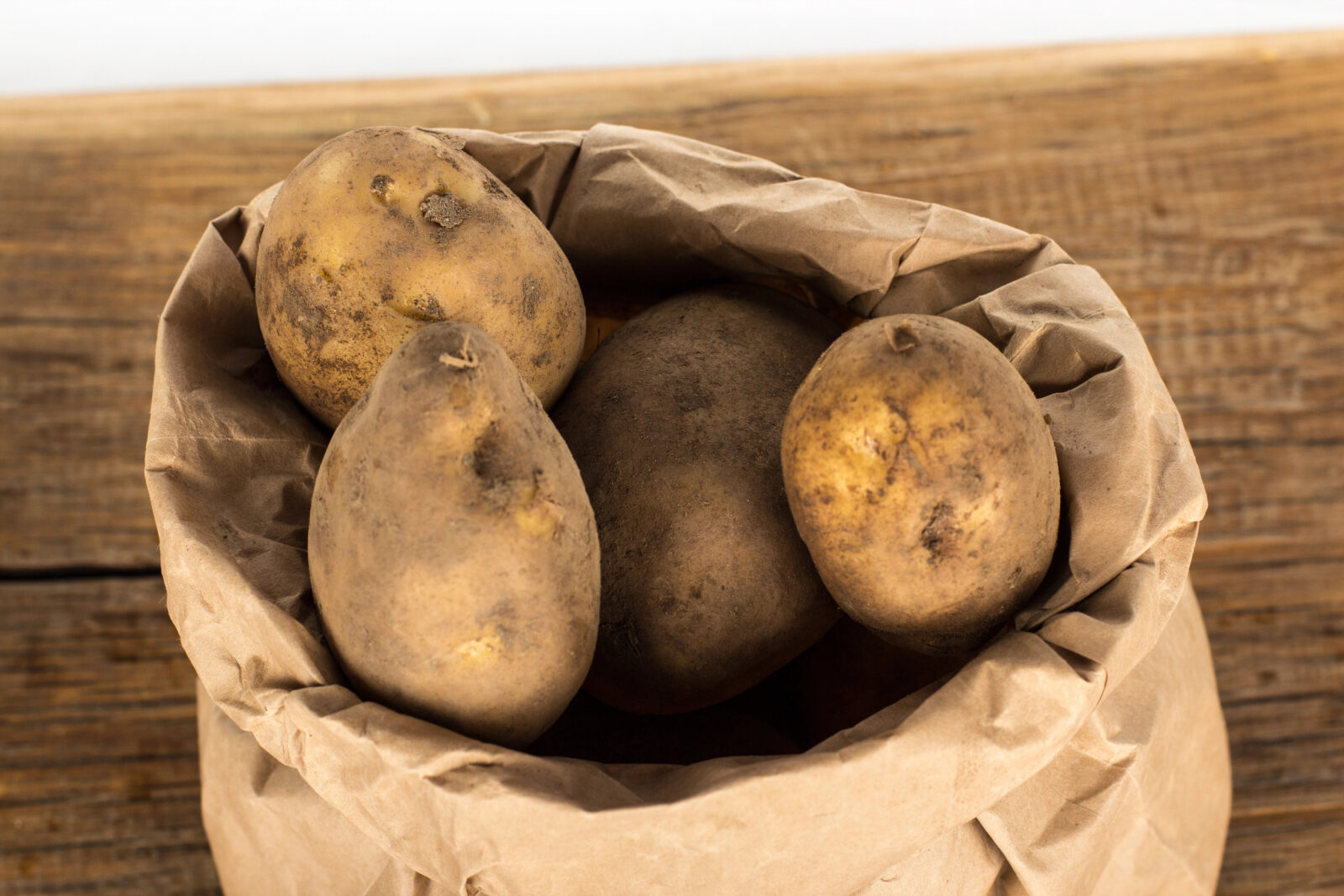
Before storing, it’s best to let potatoes dry off and gently remove any remaining soil. They shouldn’t be washed, because a damp surface increases the risk of spoilage. Only healthy, undamaged tubers should go into the sacks, while bruised or partially rotting potatoes are best discarded.
Stored potatoes should be checked regularly, ideally once every few weeks. If any tubers show signs of rot, remove them immediately so they don’t affect the rest of the crop. Late varieties can keep for several months in the right conditions, while early potatoes are better used sooner rather than stored long-term.
The right choice helps extend the life of your crop
Whether you choose jute or paper, both are sensible ways to store home-grown potatoes. Your decision should be based on the size of your harvest, whether you want a reusable option, and how much storage space you have. Combine the right sack with the right conditions and you’ll be able to enjoy your crop for much longer.
Source: Gardening Naturally, Pestrazahrada.cz

A lover of nature, gardens, and everything that moves, blooms, or grows. He literally grows everything, from herbs to rare species, and he enjoys caring for animals just as much. In his work, he connects modern technology with tried-and-tested grandmotherly methods and is happy when both paths lead to the same goal.
Related articles
The Most Overlooked Shrub in the Czech Landscape Sloe Feeds Bees Shelters Birds and Bears Fruit Few People Know
Blackthorn (sloe) is an unassuming, thorny shrub that supports wildlife early in the season and yields dark, frosted fruits in autumn. Once touched by frost, its astringent sloes become a valued ingredient for preserves, drinks, and traditional remedies.
Silverfish Appear at Night and Vanish into Cracks Get Rid of Them with One Change Not a Spray
Silverfish thrive in dark, damp corners and often show up only at night. Long-term control comes from drying the space and removing hiding places, not just spraying chemicals.
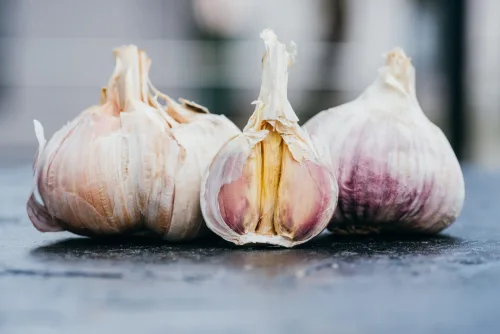
How to Safely Tell Czech and Chinese Garlic Apart in the Shop by Taste, Appearance and Quality
Czech and Chinese garlic can look similar at first glance, but they differ noticeably in flavour, aroma, bulb structure and keeping quality. Learn the quick visual and kitchen tests that help you choose the better bulb with confidence.
Comments (0)
Be the first to comment.