
 English
 Polski
 Deutsch
 Nederlands
 Svenska
 Norsk
 Dansk
 Français
 Italiano
 Español
 Português
 Slovenčina
 Suomi
 Gaeilge
One autumn mistake can cost hydrangeas their blooms, but five tasks will help
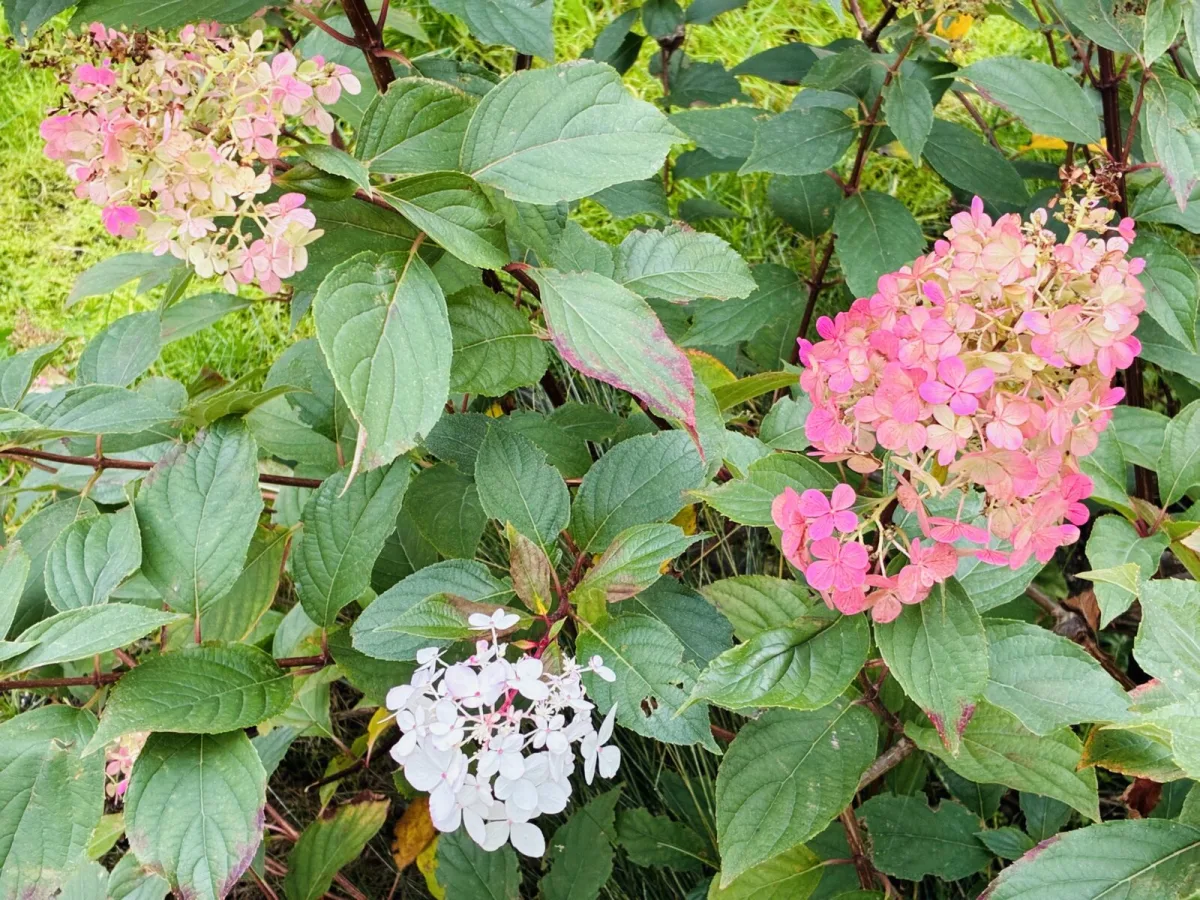
As hydrangeas’ summer blooms start to lose their fresh colour, the plants shift into softer shades of pink, burgundy, cream and parchment. That’s exactly when many gardeners wonder what to do with hydrangeas in autumn so they stay healthy and set plenty of flowers again next season. Fall care isn’t complicated, but you do need to know which jobs benefit the plants and which can seriously set them back.
Experts agree that the biggest mistake is being too eager. Some tasks are very helpful in autumn, while others should be skipped entirely. What matters most is the type of hydrangea you grow, because not all of them respond the same way.
Five things that benefit hydrangeas in autumn
Mulching as protection for winter
One of the simplest, and also most effective, steps is adding a fresh layer of mulch around the plants. Mulch helps protect the root system from hard frosts and from repeated freezing and thawing of the soil. This is especially important in colder areas, where winter swings can damage roots more than the cold itself.
Aim for a mulch layer about 5 to 8 cm thick. Bark chips or another organic material works well. It’s important not to pile mulch right up against the stems, though, because excess moisture at the base of the plant can encourage disease and pests.
If hydrangeas suffered from drought over summer, it can also be helpful to add compost. This improves the soil’s ability to hold moisture and supports soil structure. Combined with mulch, it helps plants go into winter in better condition.
Prune only the right types
Autumn pruning isn’t suitable for all hydrangeas. You should only cut back types that bloom on new wood, meaning on shoots that will grow next year. This includes smooth hydrangea (Hydrangea arborescens), known for varieties such as ‘Annabelle’, and panicle hydrangea (Hydrangea paniculata), such as ‘Limelight’.
With these types, once leaves have dropped and the plant is dormant, you can tidy it up. You can remove spent flowerheads, or leave them on the shrub as winter interest. But if you’re not sure which type you have, it’s safer to put the pruners away. Poor timing or the wrong kind of pruning can mean no flowers at all next year.
Preparing for harsh winter conditions
In areas with more severe winters, it’s worth giving hydrangeas extra protection. Bigleaf hydrangeas can be especially sensitive if they’re growing at the edge of their hardiness or where freezing rain, heavy snow and strong winds are common.
Container-grown plants need even more attention than those in the ground. Roots in pots freeze much faster, so it helps to move containers against a house wall and insulate them. Another option is to place them in an unheated garage or another cool, frost-free space. The goal isn’t warmth, but limiting extreme freezing of the root ball.
Autumn cleanup to prevent disease
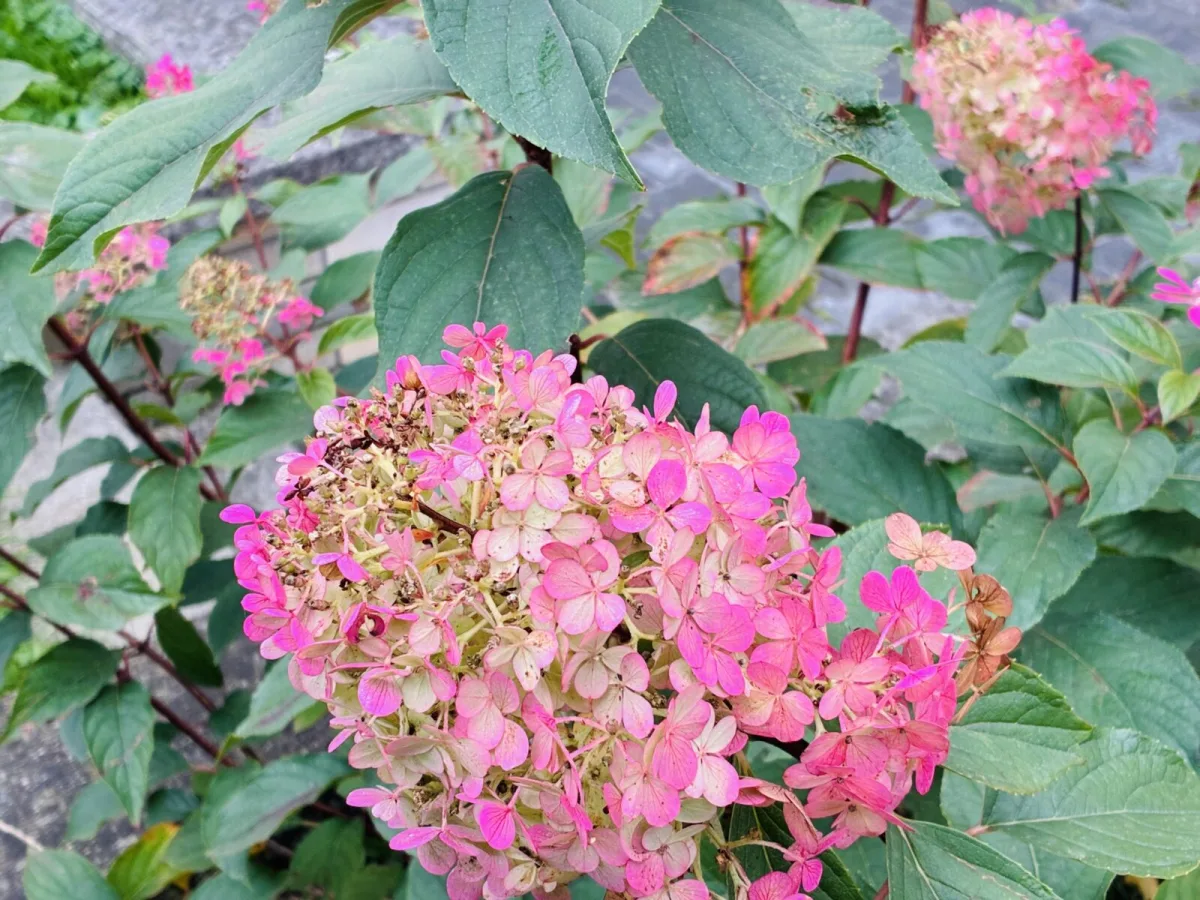
Autumn is the ideal time to thoroughly clean up around hydrangeas. If leaf spots or other signs of fungal disease appeared during the season, be meticulous. Fungal spores can easily survive the winter and reinfect the plant in spring.
Remove and dispose of infected and fallen leaves rather than composting them. It’s just as important to clean and disinfect the tools you use. This reduces the spread of infection to other plants and into the next season. Regular garden hygiene is often underestimated, yet it has a big impact on the health of shrubs.
Using blooms for dried arrangements
Before you finish your autumn jobs, you can bring a bit of hydrangea beauty indoors. Spent flowerheads dry beautifully and hold their muted autumn colours for a long time. Simply cut longer stems and place them in a vase with a small amount of water. As the water slowly evaporates, the flowers will dry naturally in place.
Dried hydrangeas like this stay decorative for many weeks, often even months. It’s an easy way to extend the season and enjoy the blooms even after the garden starts to rest.
Two things you should never do in autumn
Don’t cut old wood
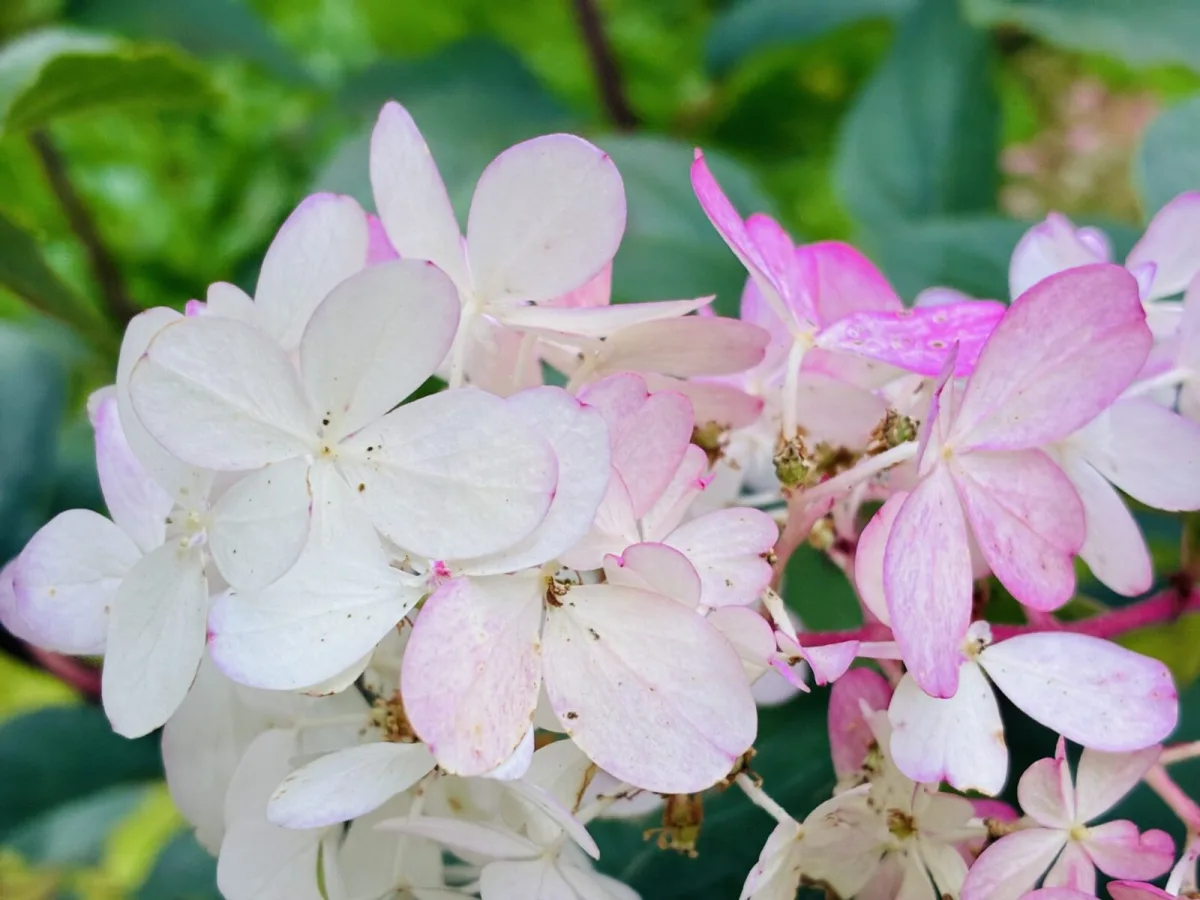
One of the biggest mistakes is autumn pruning of hydrangeas that bloom on old wood. These set their flower buds in the previous season. This group includes bigleaf hydrangea, oakleaf hydrangea, and also mountain and lacecap types. If you cut these shrubs back in autumn, you also remove next year’s buds.
If you don’t know what kind of hydrangea you have, it’s safer not to prune at all in autumn.
That caution can be the difference between a summer full of blooms next year and a shrub that produces nothing but leaves.
Don’t fertilise in autumn
In autumn, hydrangeas should be preparing to rest, not pushing fresh growth. Fertilising can encourage new shoots that won’t have time to harden off and will easily be damaged by the first hard frosts. That kind of injury weakens the plant and increases its sensitivity to cold and other stress.
So autumn isn’t the time to stimulate growth. Save feeding for spring, when the plant naturally wakes up and starts producing new shoots.
Patience will pay off in spring with flowers
Proper autumn care for hydrangeas is more about protection and restraint than drastic interventions. Mulch, light winter protection, removing diseased foliage and a considered approach to pruning can greatly improve the odds that shrubs come through the cold months with minimal losses. Equally important is knowing when not to interfere.
If you avoid autumn feeding and don’t cut back older stems without being certain, you’ll give hydrangeas ideal conditions for a calm winter. The reward will be stronger plants and more impressive blooms next season. In short, autumn is the time to observe, protect and give the garden space to rest.
Source: Homes and Gardens, Proven Winners , Pestrazahrada.cz

A nurse by profession, she is passionate about healthy living, nature, and everything that benefits both people and the world around them. In her free time, she enjoys gardening, cooking, sewing, and caring for her family. In her articles, she loves combining professional expertise with practical experience from the garden and everyday life.
Related articles

Feed Blueberries in Autumn with a Homemade Mix That Ferments for a Few Weeks and Shows Results in Spring
If you want your blueberries to flower and fruit more heavily next year, try a simple homemade feed made from stale bread and used coffee grounds. Left to ferment for a few weeks, it can gently support soil life and the root zone going into winter.
Stonecrop is the easiest perennial for lazy gardeners but one common mistake ruins it
Stonecrop (Sedum) is a tough, drought-tolerant perennial, but it isn’t indestructible. Give it sun and sharply draining soil, and avoid overwatering to keep it compact and floriferous.
Lift cannas for winter: mistiming can ruin them and one extra week can decide next season
Cannas are spectacular summer plants, but in colder regions their rhizomes won’t survive hard frost in the ground. Lift them at the right moment, dry them properly, and store them cool and dry for replanting in spring.
Comments (0)
Be the first to comment.