
 English
 Polski
 Deutsch
 Nederlands
 Svenska
 Norsk
 Dansk
 Français
 Italiano
 Español
 Português
 Slovenčina
 Suomi
 Gaeilge
All Souls’ Day is the Czechs’ most powerful autumn commemoration
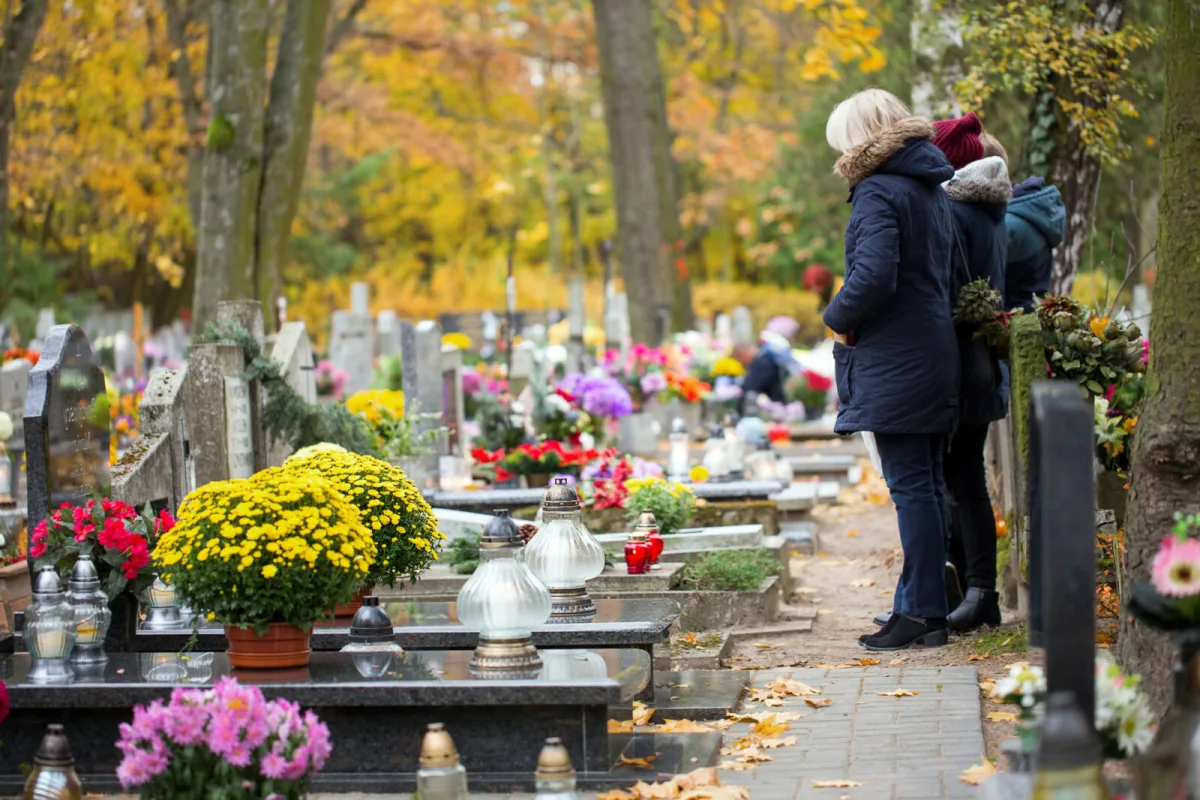
All Souls’ Day, the Commemoration of All the Faithful Departed, falls every year on 2 November. In the Christian tradition it is a day devoted to prayer for the dead, especially for those who, according to Roman Catholic teaching, are undergoing purification. In the Czech context, however, the day carries a broader meaning. It is not only observed by believers, but also by many people who do not identify with religious life and yet still visit the graves of loved ones at this time, light candles and decorate places of remembrance with flowers.
It is this combination of faith, family memory and quiet respect that makes All Souls’ Day one of the most deeply felt autumn observances in the Czech Republic. It is not only a reminder of death, but also of relationships that endure even after those close to us are gone.
The roots of the day reach back before Christianity
Today’s form of All Souls’ Day draws on older layers of European tradition. The Celtic festival of Samhain, celebrated at the turn of October and November, is often mentioned. For the Celts, it marked the end of summer and the beginning of a new year. According to beliefs of the time, the boundary between the world of the living and the dead opened, and the souls of the departed could return to their homes. People therefore lit the way for them and protected themselves from harmful forces with various disguises and face paint.
Similar elements appeared among pagan Slavs as well, who honoured their ancestors with feasts and rites held near burial grounds. In Central Europe, cultural influences of different peoples intermingled, so it is assumed that comparable customs were also known in the territory of today’s Czech Republic.
Out of these ancient practices later grew not only the folk character of All Souls’ Day, but also some motifs of today’s Halloween, which took root most strongly in the Anglophone world.
How folk customs became a church feast day
Christian remembrance of the dead gradually developed in connection with All Saints’ Day on 1 November. A separate commemoration dedicated to all the faithful departed was introduced at the end of the 10th century by Abbot Odilo of the Benedictine monastery at Cluny. His aim was to give folk and pre-Christian customs a new religious framework and to link them to prayer for the dead.
From monastic circles, the tradition spread quickly, and over the following centuries it became established across much of Europe. In Rome, 2 November began to be marked in the 13th century. Later, special liturgical practices developed as well, such as celebrating multiple Masses for the dead. In the 20th century, priests throughout the Catholic Church were permitted to celebrate three Masses on this day, each with a different intention.
All Souls’ Day in different Christian traditions
The Roman Catholic Church associates All Souls’ Day above all with prayer for the dead and hope in eternal life. Yet remembrance of the dead is not unknown in other churches either. Services for this occasion are also held by the Czechoslovak Hussite Church, which grew out of the Czech religious milieu after the First World War. In its practice, for example, names of the deceased were sometimes written on slips of paper and then mentioned during the service.
The Anglican Church once abolished the feast, although in some communities it was later restored. Protestant approaches to this commemoration were not uniform everywhere, and in some regions it endured even after the Reformation.
Customs that have endured among people
In Czech folk tradition, All Souls’ Day was linked to many customs, some of which have now all but disappeared. People used to say, for example, that on the eve of the feast souls left purgatory to rest for a while. The living therefore helped them symbolically with various gestures. There are also records of special baked goods shaped like bones or rolls, baked and given to the poor, pilgrims or carol singers.
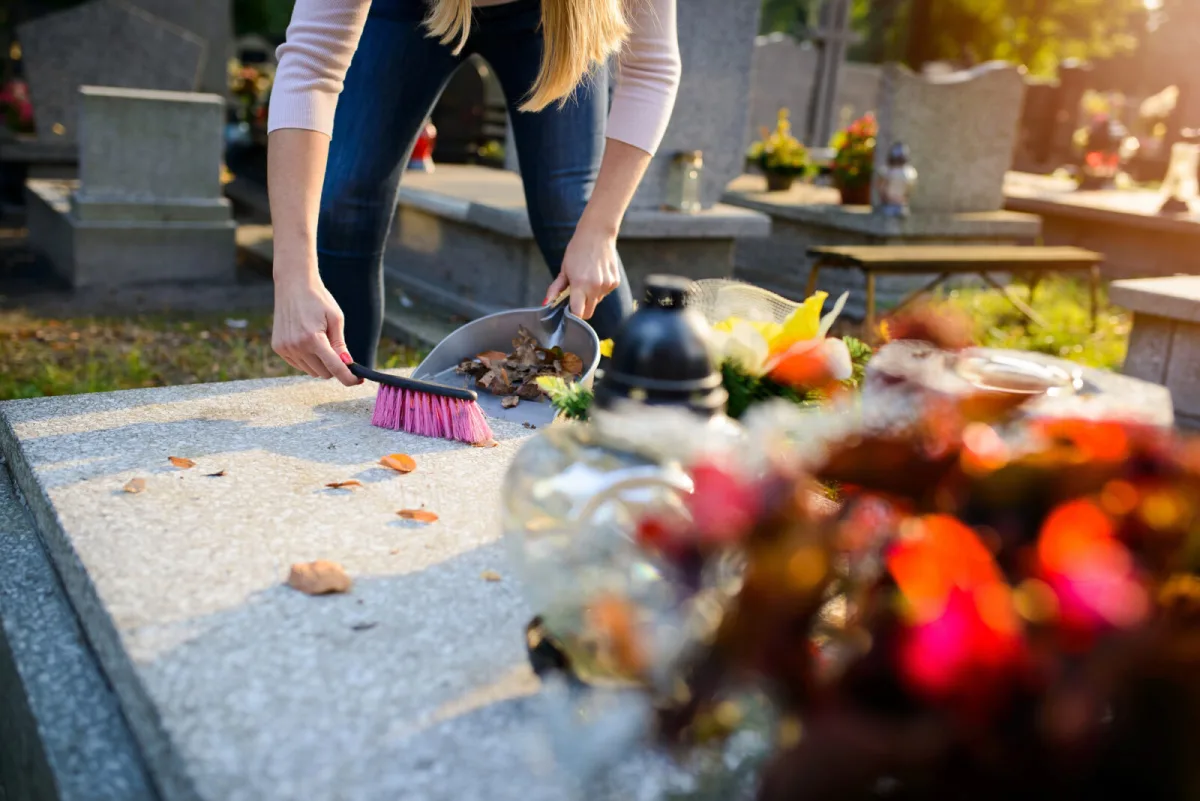
Most powerfully, however, the custom of visiting graves has survived: cleaning them, bringing flowers and lighting candles. These actions are not merely decorative. In Christian interpretation, flowers recall the hope that death is not the final word of human life. The lit light expresses the presence of Christ and, at the same time, continues the ancient symbol of light as a guide for the dead.
Services and prayer for the departed
In Catholic understanding, All Souls’ Day is not only a private remembrance, but also an important part of the Church’s shared prayer. Masses and devotions for the dead are held in cemeteries, chapels and churches. During these rites, the priest may wear black vestments, and it is customary to walk through the cemetery and bless graves with holy water.
An important part of this period is also the possibility of obtaining a plenary indulgence for the deceased. In the first days of November, the faithful may seek it under set conditions, which include visiting a cemetery, prayer, the Sacrament of Reconciliation, Holy Communion and prayer for the Pope’s intentions. The point is not a formal act, but spiritual solidarity with those being remembered.
All Souls’ Day as a social and personal observance
In Czech society, All Souls’ Day holds an exceptional place. Cemeteries fill up at this time with people of every generation and outlook. For many it is a moment to pause, when they not only remember deceased relatives and friends, but also reflect on their own lives, family and the passing of time. That is why this day is often seen as one of the most powerful moments of autumn.
Surveys consistently show that more than half of people honour the memory of the dead at cemeteries. Many bring primarily candles; others add wreaths or other decorations. Some people remember their loved ones without visiting a cemetery as well, for example quietly at home or in prayer.
Flowers, lights and the meaning of acts of remembrance
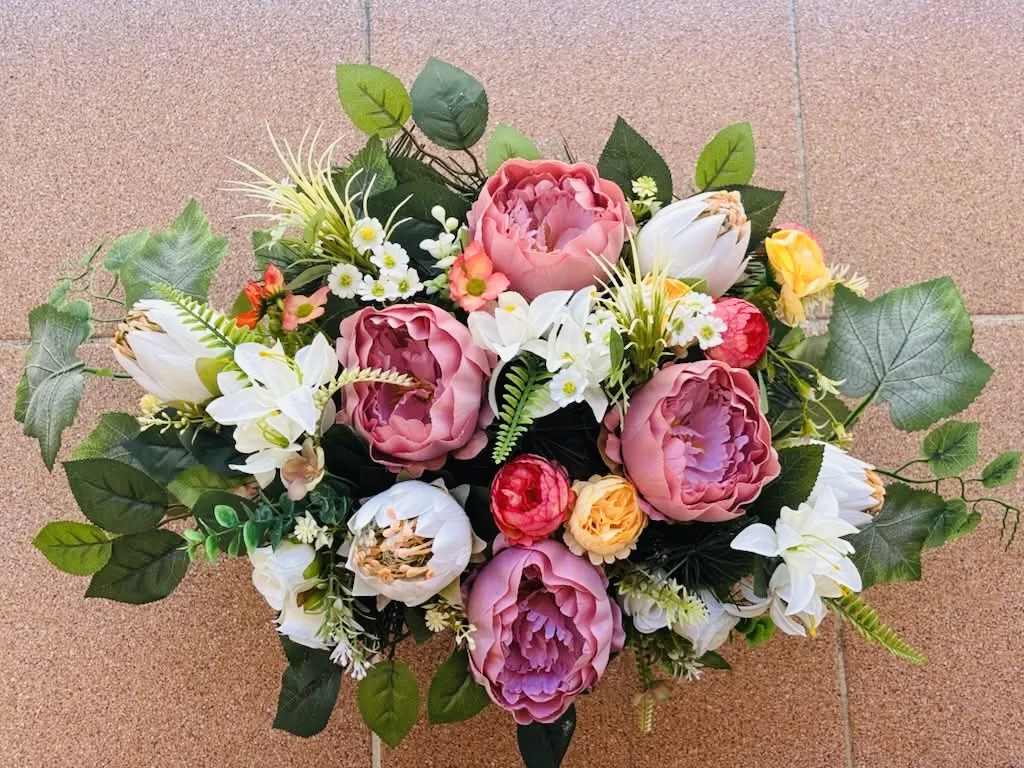
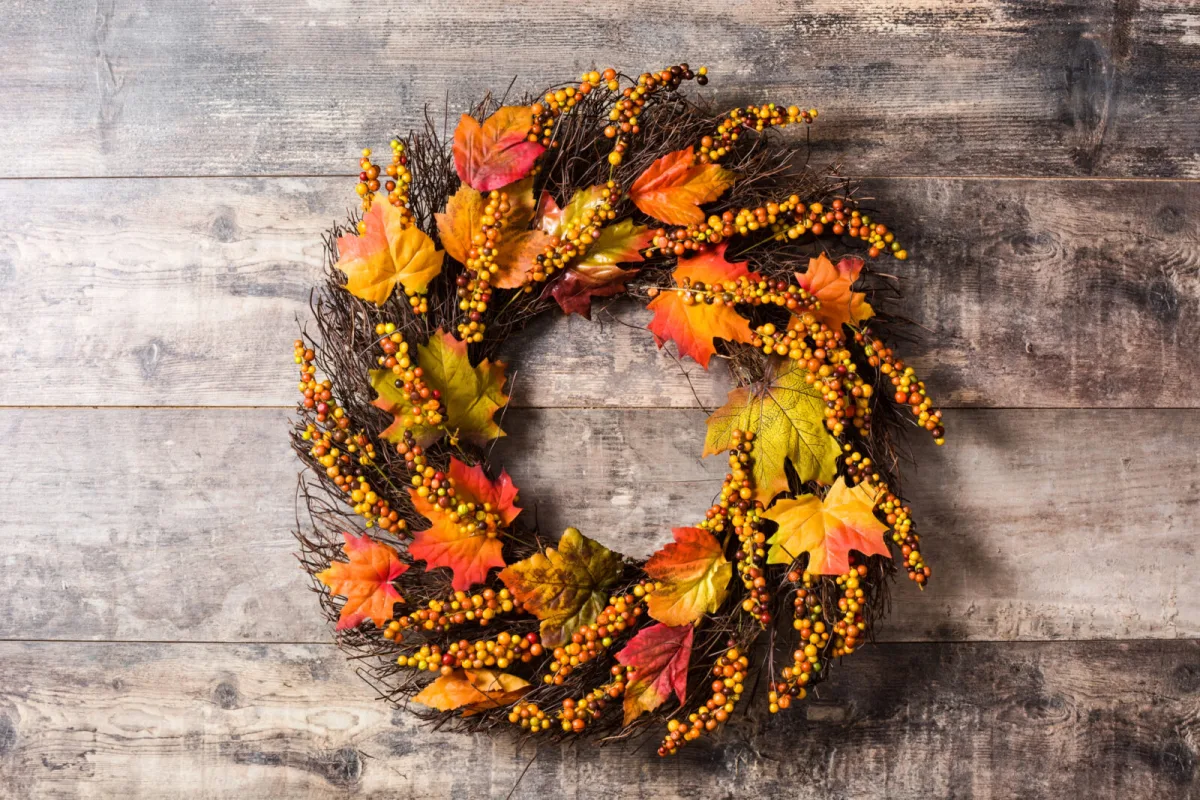
Grave decoration is very varied today. Alongside fresh flowers, dried or artificial arrangements are also used, which is related to the cold weather at the beginning of November. Even so, it is repeatedly stressed that the meaning matters more than the amount of decoration. An act of remembrance should express respect, love and memory, not merely fulfil a social obligation.
All Souls’ Day is not primarily about decoration, but about memory, prayer and the awareness that our bond with loved ones does not end with their passing.
The darker side of the period around All Souls’ Day
Unfortunately, the All Souls’ season also brings less dignified incidents. Thefts of grave decorations regularly increase: wreaths, candles, lanterns and other items disappear. Police also warn of more frequent break-ins to cars parked near cemeteries and the risk of visitors being robbed, especially older people.
Heavier traffic around places of remembrance also means greater danger on the roads. Greater caution and consideration are therefore recommended, as well as visiting cemeteries at times when more people are nearby.
The lasting meaning of a quiet November remembrance
Even in modern times, All Souls’ Day retains exceptional power. It connects old European traditions, Christian rites and personal family memory. Whether people observe it through prayer, a cemetery visit or simply quiet remembrance, it remains a day when the past meets the present and when we become aware once again of the value of life and of the closeness of others.
Source: Wikipedia, Novinky , Pestrazahrada.cz
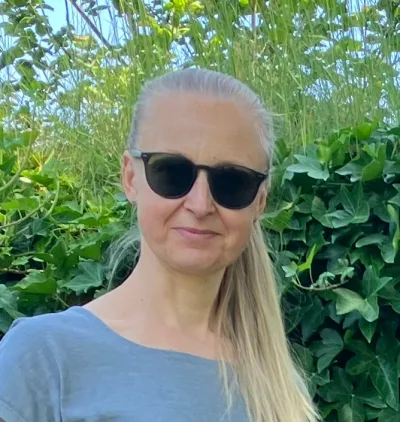
A nurse by profession, she is passionate about healthy living, nature, and everything that benefits both people and the world around them. In her free time, she enjoys gardening, cooking, sewing, and caring for her family. In her articles, she loves combining professional expertise with practical experience from the garden and everyday life.
Related articles
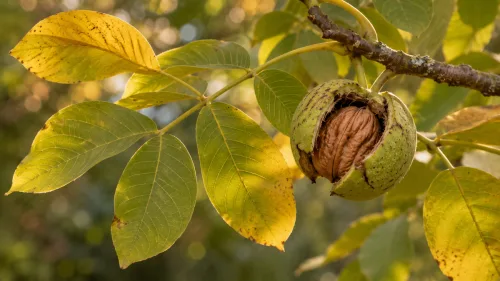
Walnut leaves contain a compound gardeners worry about but chicken keepers quietly put it to use
Walnut leaves contain juglone, a natural substance that can suppress the growth of some plants. Used sensibly, though, they can make excellent coop bedding and a practical weed-suppressing mulch in paths.
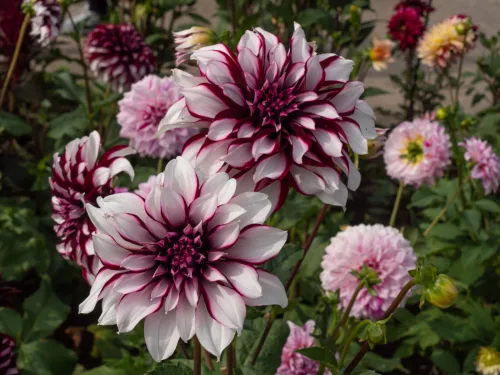
Do Not Cut Back Dahlias Before Lifting Them
Let dahlias take their first frost before you lift them, so the tubers can finish ripening. Cutting stems too early can let water into the hollow stalk and quietly damage tubers over winter.
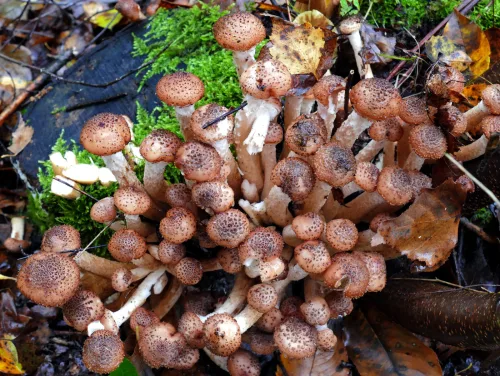
Mushroom foraging doesn’t end in November: four species that keep fruiting in the cold, but one needs extra caution
A sharp drop in temperature doesn’t have to mean the end of mushroom season. With the right locations and a bit of care, you can still find several worthwhile edible species in November.
Comments (0)
Be the first to comment.