
 English
 Polski
 Deutsch
 Nederlands
 Svenska
 Norsk
 Dansk
 Français
 Italiano
 Español
 Português
 Slovenčina
 Suomi
 Gaeilge
Pantry Moths Won’t Be Wiped Out by Vinegar or Bleach
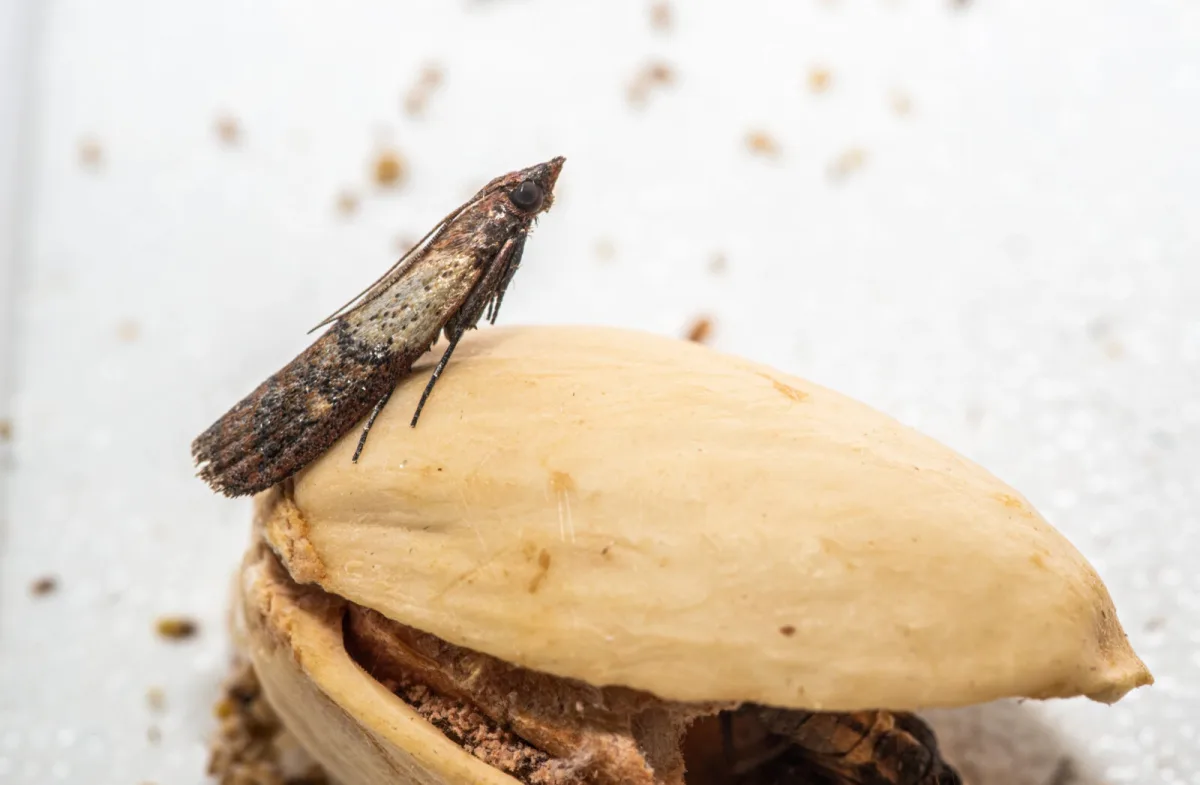
Finding a moth fluttering around inside a bag of flour or cereal can be truly off-putting. Even so, there’s no need to panic. Pantry moths are a fairly common household pest and, in most cases, can be dealt with without complicated measures. What matters is figuring out where they came from, locating the infested foods, and cleaning the kitchen thoroughly so they have nowhere to come back to.
Where pantry moths come from
These pests often don’t enter the home from outside through a window; we bring them in from the shop. Most commonly, they’re already hidden in dry foods. The main items at risk are grains, flour, pasta, nuts, seeds, dried fruit, spices, cocoa, chocolate, pet food, or bird seed mixes. If rodents or birds are present around the house, they can be another source of introduction.
In homes, the Indianmeal moth is very common and is sometimes confused with other small moth species. For everyday control, though, precise identification isn’t the most important thing. What matters is recognising the signs quickly and removing the source.
How to tell if food is infested
A warning sign isn’t only adult moths flying around cupboards in the evening. An infestation often shows up as fine webbing on packaging or shelves, tiny larvae tucked into corners of packets, and clumped-together food. Dry mixes may look lumpy, as if they’ve gone damp, and small holes may appear in the packaging. The larvae are usually the biggest issue, because they hide in folds of packaging, cracks, and between stored supplies.
The first step is to empty the pantry completely
To make sure you don’t miss anything, you need to take absolutely everything out of the cupboard or pantry. That means not only food, but also shelf liners, baskets, containers and dispensers. Only then will you be able to see every corner, shelf joints, and any debris where eggs or larvae might be hiding.
Infested food must be thrown away without hesitation
Inspect every packet of dry food carefully, even if it’s still sealed. Moths and their larvae can get into packaging that appears intact, especially thin cardboard, film, or lightweight plastic. As soon as you spot webbing, larvae, holes, or clumped contents, seal the food straight away in a bag and take it to an outdoor bin. Don’t leave it in an indoor rubbish bin, as the pests could spread again.
Thorough vacuuming matters more than disinfecting
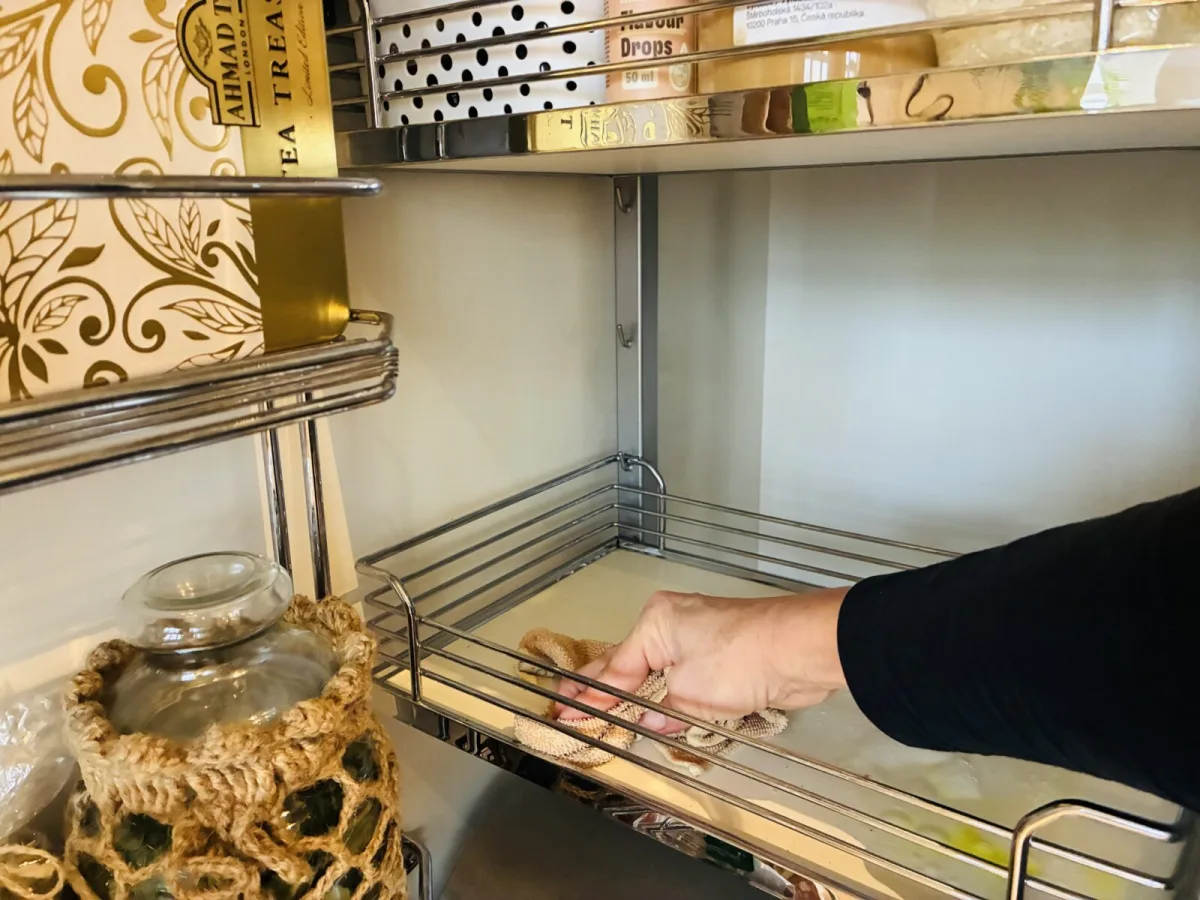
After emptying everything out, vacuum all shelves, corners, joints, shelf-pin holes, hinges and where shelves meet the wall very thoroughly. That’s exactly where larvae and pupae can hide. The vacuum bag, or the contents of the canister, should be disposed of outside the home immediately after cleaning.
The most important part of the clean-up isn’t disinfecting, but physically removing insects, eggs, larvae and food residues they can survive on.
For washing down shelves, warm water with washing-up liquid is usually enough. Vinegar, bleach, or other harsh products aren’t necessary to solve this problem. However, if you plan to call in a professional pest-control service, don’t clean everything away immediately. The technician may need to see evidence of activity and identify the source.
Do you need to throw out all your pantry supplies
Not always. Foods stored in glass, metal, or sturdy thick-walled plastic containers are usually safe, because moths can’t easily get into them. Everything else, however, needs to be checked item by item. It’s not just opened packets. The problem can be hiding even in new supplies stored next to infested goods.
Some people try to deal with the problem using the freezer. Low temperatures can kill eggs or larvae, but in a home setting it’s not very practical. Food would have to stay for several days at a very low temperature, and it still won’t remove webbing or the contamination left behind.
Do pheromone traps help
Pheromone traps can help you monitor whether any moths are still active in the home. They work by attracting males with a synthetic female scent. This is mainly useful as a check that your clean-up worked. On their own, though, they won’t solve the problem. If you don’t remove the original source of the infestation, moths will keep appearing.
How to prevent moths from coming back
After a thorough clean, it’s crucial to change how you store food. Dry staples are best transferred from their original packaging into tightly sealed glass or metal containers. Original bags and boxes are often the weak point.
It also pays to check groceries as soon as you bring them home. With flour, cereals or pet food, a quick visual inspection of the packaging and a light tap can help. If anything flies out or you can see fine webbing through transparent sections, it’s better not to use the product.
It’s important not to leave spilled bits, crumbs and old forgotten supplies in the pantry. Regular stock rotation, using older items first, significantly reduces the risk of another outbreak.
When it’s better to call a professional
If, even after carefully discarding infested foods and cleaning thoroughly, you’re still seeing moths after a few weeks, there’s likely a hidden source somewhere. At that point, it makes sense to contact a specialist company. Repeat sightings usually mean an infested food item or hiding place has been overlooked.
Speed and thoroughness make the difference
Pantry moths look worse than the problem actually is. If you act quickly, check every pantry item, throw out anything infested and clean the pantry properly, you have a very good chance of getting rid of them for good. The best protection is tidiness, regular checks of stored foods, and keeping dry goods in sturdy, tightly sealed containers.
Source:Jidlo.cz, Martha Stewar, Pestrazahrada.cz

A nurse by profession, she is passionate about healthy living, nature, and everything that benefits both people and the world around them. In her free time, she enjoys gardening, cooking, sewing, and caring for her family. In her articles, she loves combining professional expertise with practical experience from the garden and everyday life.
Related articles

Cutting Down Thuja in Your Own Garden May Not Pay Off Without a Permit You Could Face a Fine of Tens of Thousands
Many homeowners assume they can remove trees and mature thuja on their own land freely, but Czech rules can still require official consent. Getting it wrong can mean a substantial fine.

Saffron Costs More Than Gold and Will Grow in a Czech Garden, but You Need 200 Flowers for a Single Gram
Saffron is among the world’s most expensive spices because harvesting and processing it is painstakingly done by hand. Even at home, the real challenge is the sheer number of flowers needed to produce just a tiny amount of dried saffron.
An invasive pest is reaching Czechia it can devour hundreds of plant species and has no natural enemies here and the tell-tale sign is white spots
The Japanese beetle is an invasive pest spreading into Czechia, capable of damaging gardens, orchards and ornamental plantings. Learn how to recognise it and what to do at the first signs of feeding damage.
Comments (0)
Be the first to comment.