
 English
 Polski
 Deutsch
 Nederlands
 Svenska
 Norsk
 Dansk
 Français
 Italiano
 Español
 Português
 Slovenčina
 Suomi
 Gaeilge
Is your tradescantia getting leggy and losing colour One care tweak can transform it
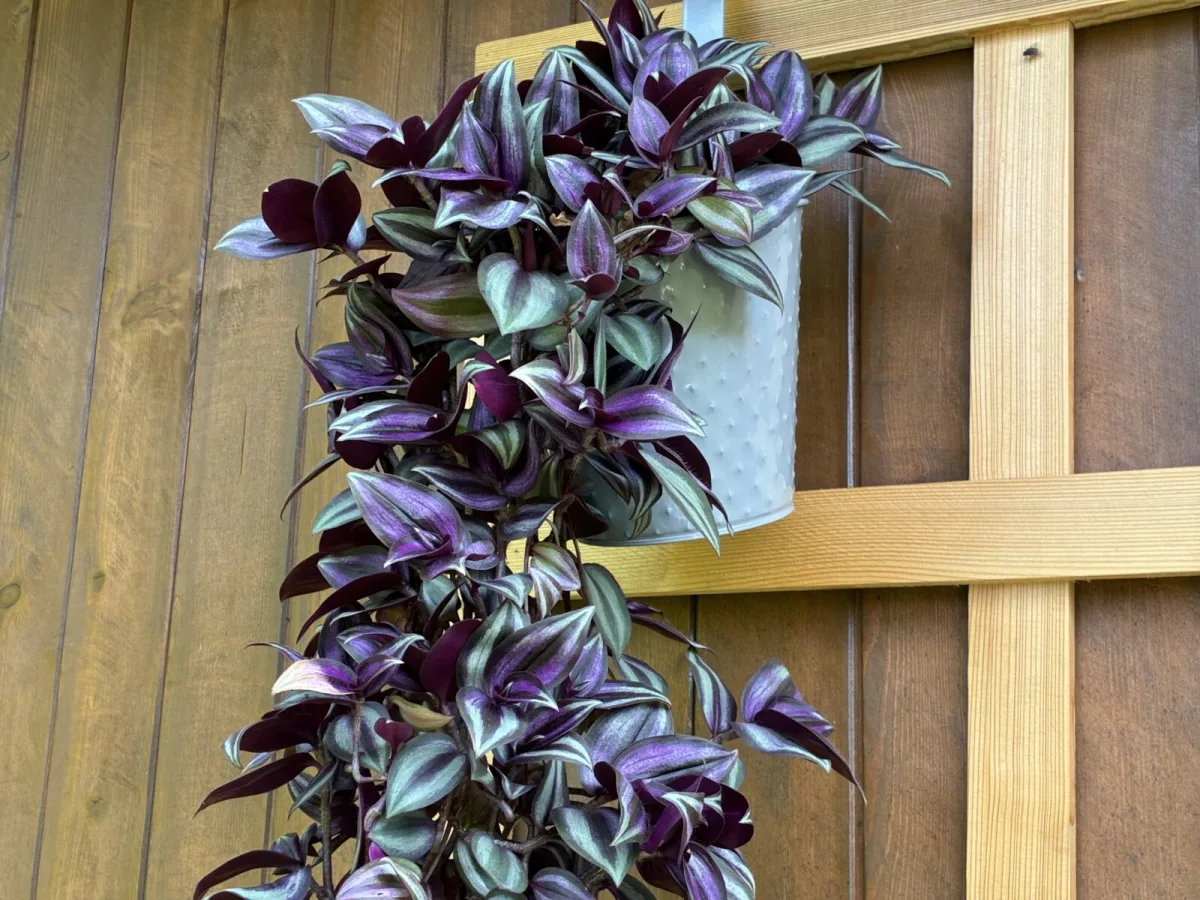
Tradescantia is one of the most popular trailing plants, valued above all for its striking foliage. The genus includes more than 65 species native to North, Central and South America. Some tolerate outdoor conditions, but many tropical species are grown mainly as houseplants. In homes they’re prized for fast growth, easy propagation and variegated leaves that can combine green, silver, pink, cream and purple.
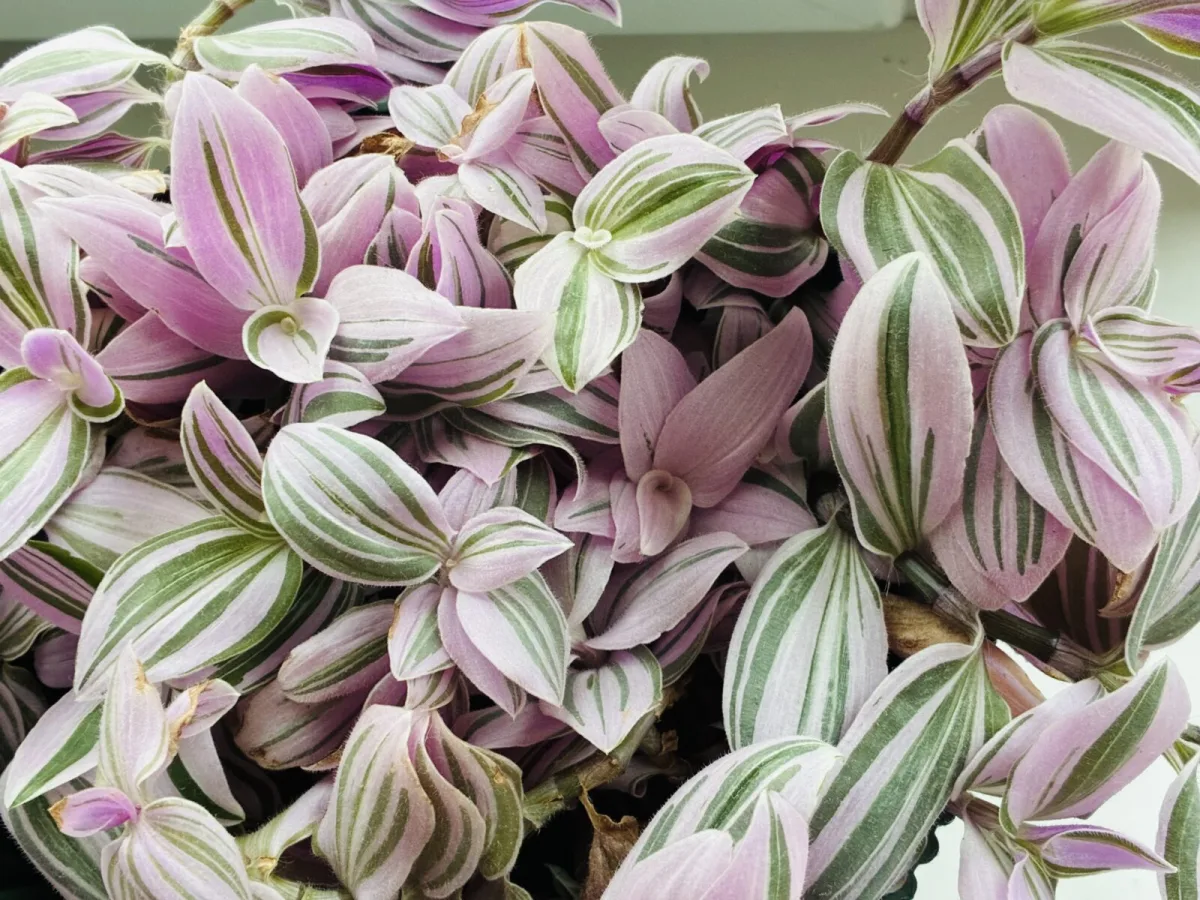
Well-known types include Tradescantia zebrina with silvery striped leaves, Tradescantia fluminensis with smaller leaves and creeping stems, and Tradescantia cerinthoides ‘Nanouk’, which stands out with pink and purple-toned leaves with green and pale striping. Although tradescantia produces small three-petalled flowers in white, blue, lavender, pink or purple, most growers choose it primarily for its decorative foliage.
What light and conditions tradescantia prefers
It does best in a spot with plenty of bright, indirect light. The right light makes a huge difference to leaf patterning and overall plant health. If light levels are too low, coloured varieties can lose intensity and the purple tones in particular will fade. On the other hand, harsh sun can push the leaves towards very dark purplish tones or scorch them.
The compost should stay lightly moist, but never waterlogged. It’s best to watch the surface of the potting mix and water once the top few centimetres have dried out. Tradescantia may grow quickly, but it does not cope well with sitting in water for long periods. The key is a balance of regular watering and good drainage.
Where to place it at home
The more delicate types are grown mainly indoors. Some can be moved outside in summer once the weather warms up, but in autumn they need to come back inside in time. For example, Tradescantia zebrina can thrive on a balcony or terrace through the warmer months, but as soon as temperatures drop to around 10 °C, it’s time to move it back indoors.
Indoors, tradescantia is perfect for hanging pots, higher shelves or the edge of bookcases, where its trailing stems can cascade freely. That’s when its patterning and colour show to best effect. Choose a bright position away from fierce midday sun.
Planting and repotting
For planting and repotting, use a quality houseplant potting mix. Tradescantia grows fairly quickly, so it’s worth checking the bottom of the pot at least once a year. If roots are pushing out of the drainage holes or the pot is full, the plant will appreciate a slightly larger container.
There’s no need to overdo repotting. A pot that’s too large can hold on to unnecessary moisture. A small step up in size is enough for the roots so the plant keeps growing while staying compact.
Routine care through the year
Tradescantia enjoys a warm room, ideally around 18–24 °C. It dislikes cold draughts, so avoid placing it right by frequently opened windows or doors. In summer it usually needs watering more often; in winter, reduce watering depending on how quickly the compost dries.
Bottom watering is a practical method. Stand the pot in a saucer of water and let the plant take up what it needs. This also helps keep the foliage drier, which is preferable. During active growth, add a standard houseplant fertiliser once a month.
Tradescantia appreciates higher humidity. It often does well in a bathroom or kitchen, where the air is naturally more humid. In drier rooms, humidity can be raised by misting every few days. If leaf tips start browning, it’s often a sign the air is too dry.
Pruning for a fuller, more compact shape
This plant tolerates pruning very well. If the stems stretch out too much or the plant becomes sparse, simply cut them back to the desired length. With regular pinching and trimming you can achieve a denser, neater look. The best time to prune is during the growing season, when tradescantia quickly bounces back and produces new shoots.
The more often you lightly trim tradescantia, the more likely it is to form a lush cascade instead of a few long, thin stems.
Easy propagation from stem cuttings
Propagation is one of this plant’s easiest strengths. Cut a piece of stem about 10 cm long, just below the point where a leaf grows. Remove the lower leaves and place the cutting in a glass of water. Keep it in a warm, bright spot out of direct sun.
Once the cutting has rooted, pot it up into a small pot with compost. This makes it easy to rejuvenate an older plant, bulk it up, or produce new plants. Several cuttings planted together will quickly make a fuller clump.
Potential pests and how to deal with them
Tradescantia is generally quite resistant to disease, but it can be attacked by pests. The most common are spider mites, mealybugs, aphids and thrips. Spider mites show up especially in dry air and are revealed by fine webbing. Remove affected growth and increase humidity around the plant.
Mealybugs appear as cottony white clusters or small insects tucked away on the plant. They can be wiped off by hand, and biological controls can help too. It’s important to remove fallen leaves where they can continue to hide. With a severe infestation, sometimes the only option is to discard the plant.
Aphids can be removed by hand or with a jet of water. Thrips also dislike higher humidity, so regular misting helps as prevention. With heavier infestations, use a gentle soap-based treatment.
What to look for when choosing a plant
When buying, inspect the leaves and stems carefully. The plant should show no signs of damage, spotting, webbing or pests. Tradescantia can be prone to spider mites in particular, so a thorough check before purchase is genuinely important.
You may also see it sold under other names, such as silver inch plant or spiderwort. Whatever the label, a healthy plant with firm leaves and dense growth has the best chance of doing well at home.
Varieties worth a closer look
Tradescantia zebrina is one of the best-known types. It has trailing stems and leaves with silvery stripes, making it ideal for hanging containers or shelves. It grows to around 60 cm tall and about 30 cm wide.
Tradescantia cerinthoides ‘Nanouk’ catches the eye with green-and-cream leaves with a strongly purple underside and white flowers. It’s more compact, yet it can spread sideways, creating an impressive, lush display.
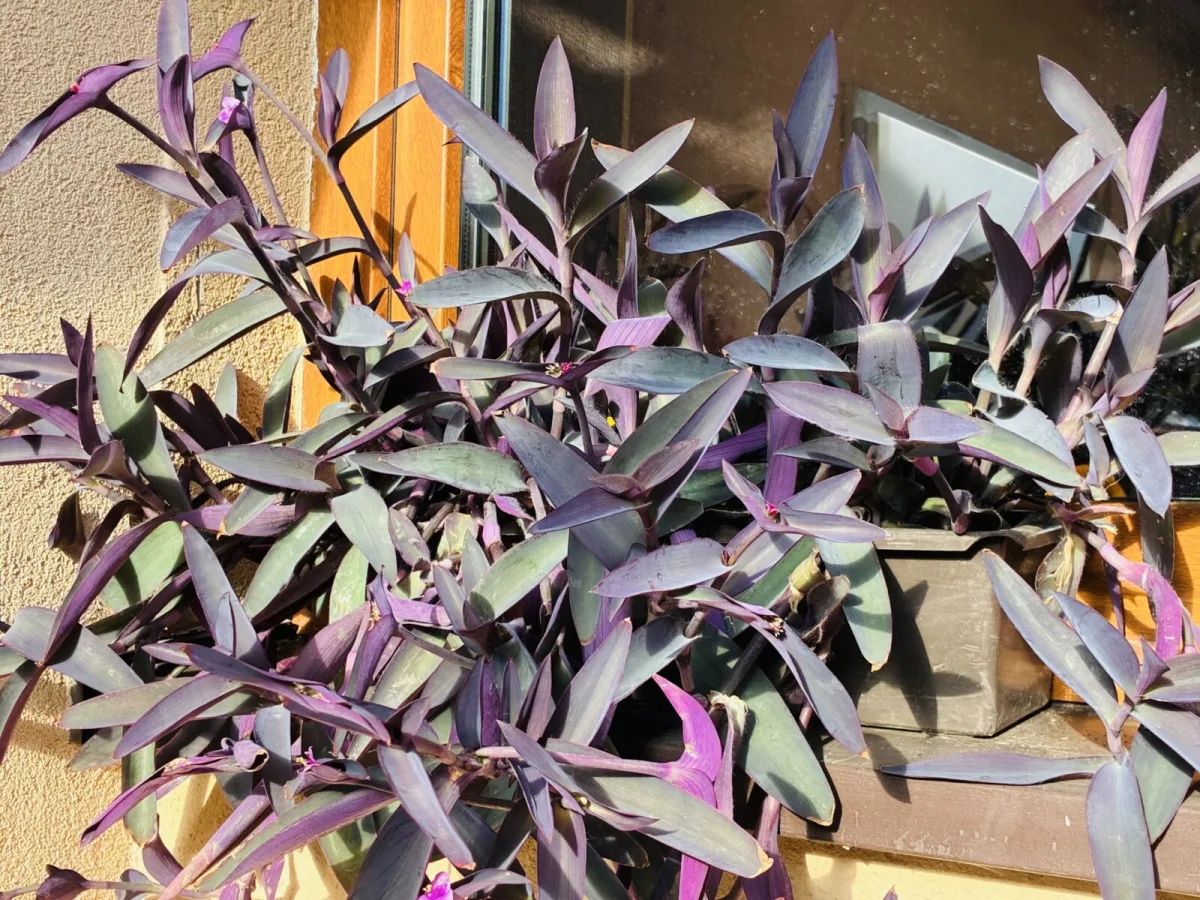
Tradescantia pallida ‘Purple Heart’ is a bold variety with intensely purple leaves and purple summer flowers. It’s highly decorative and looks great on its own or paired with other houseplants.
Why it’s worth growing tradescantia
Tradescantia suits beginners and more experienced growers alike. It grows quickly, is easy to shape, propagates without fuss, and brings vivid colour and movement indoors thanks to its trailing stems. Give it plenty of bright, indirect light, sensible watering, warmth and slightly higher humidity, and it will reward you with vigorous growth and an attractive look for most of the year.
Source: Gardeners World, The Spruce , Pestrazahrada.cz

A nurse by profession, she is passionate about healthy living, nature, and everything that benefits both people and the world around them. In her free time, she enjoys gardening, cooking, sewing, and caring for her family. In her articles, she loves combining professional expertise with practical experience from the garden and everyday life.
Related articles

Feed Blueberries in Autumn with a Homemade Mix That Ferments for a Few Weeks and Shows Results in Spring
If you want your blueberries to flower and fruit more heavily next year, try a simple homemade feed made from stale bread and used coffee grounds. Left to ferment for a few weeks, it can gently support soil life and the root zone going into winter.
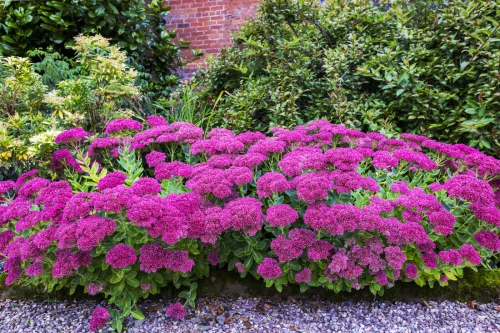
Stonecrop is the easiest perennial for lazy gardeners but one common mistake ruins it
Stonecrop (Sedum) is a tough, drought-tolerant perennial, but it isn’t indestructible. Give it sun and sharply draining soil, and avoid overwatering to keep it compact and floriferous.
Lift cannas for winter: mistiming can ruin them and one extra week can decide next season
Cannas are spectacular summer plants, but in colder regions their rhizomes won’t survive hard frost in the ground. Lift them at the right moment, dry them properly, and store them cool and dry for replanting in spring.
Comments (0)
Be the first to comment.