
 English
 Polski
 Deutsch
 Nederlands
 Svenska
 Norsk
 Dansk
 Français
 Italiano
 Español
 Português
 Slovenčina
 Suomi
 Gaeilge
You’ll Notice Mice in the House Before You See Them

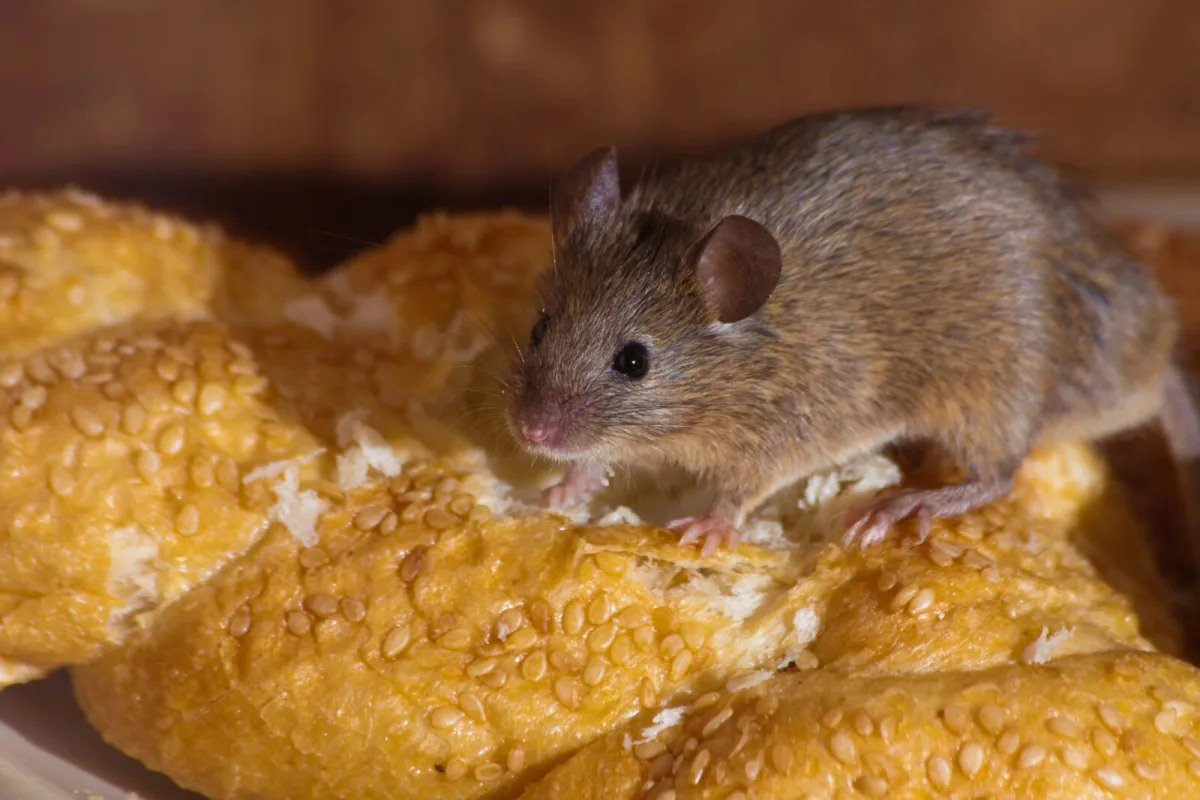
Mice and rats are among the pests that can contaminate stored food, damage household items and, in worse cases, even chew through cables or ruin important documents. The best protection isn’t just removing them, but above all consistent prevention so they can’t get inside in the first place. If they show up in the house, you often won’t notice them at first. Before long, though, subtle signs of their presence will start to appear.
A classic warning is small, dark droppings along walls, in room corners, or near stored food. Another sign is gnawed packaging from flour, sugar, pet food, or bird seed. You may also spot rub marks and chewing damage along skirting boards, near holes by the floor, or where pipes pass through. Mice also like to build nests from shredded paper, wood fibres, or other soft material, usually tucked away under cabinets or in rarely used drawers.
A strong, musty smell can give them away too—often like a mix of urine, old straw, and decay. Pets frequently react before people do, for example by staring intently at walls or acting restless. In the evening and at night, you might hear rustling, scratching, or quick scurrying in the walls, under the floor, or in the ceiling.
The most important step is sealing every entry point
The most effective protection against mice is stopping them from getting in. It’s worth walking around the entire house and checking the foundations, exterior walls, areas around windows and doors, and all service penetrations. Autumn and winter are exactly when rodents seek warmth and start looking for gaps that lead indoors.
A mouse can squeeze through a surprisingly small opening, so cracks in masonry need sealing and any damaged areas around window frames and thresholds should be repaired. It’s not a good idea to rely on expanding foam alone, because they can chew through it easily. Better options include steel wool, metal mesh, or solid repair materials designed for masonry. The loft also deserves attention, as rodents are attracted by the warmth of insulation.
What attracts mice most around the house
Food sources can be surprisingly small. Bird feeders drop seed and grain onto the ground, which is a powerful lure for mice. If you use feeders in the garden, it’s sensible to place them as far from the house as possible. Rubbish bins set against the wall can also attract pests, especially if they’re not properly closed.
Indoor and outdoor bins should have a tight-fitting lid and ideally be kept farther from the house, preferably on a raised spot. Regularly emptying indoor waste is just as important. An overflowing bin is a clear signal to rodents that easy food is available.
Dense shrubs and planting pressed tight against the foundations also increase risk. These spots give mice safe cover and a sheltered route to openings in the wall. Shrubs shouldn’t grow directly against the exterior, and soil shouldn’t be piled so high that it creates a ramp up under cladding or to the structure of the house.
Safe food storage and thorough cleaning
A home without accessible food is far less interesting to mice. Dry goods such as flour, sugar, rice, oats, or pasta are best transferred from paper or thin plastic packaging into sturdy, sealable containers. The same applies to dog and cat kibble. Feed bags left on the floor or open in a pantry are a common reason rodents settle in.
Everyday cleanliness helps too. Crumbs on the floor, scraps on the worktop, or a bowl with leftover pet food left out overnight are an easy food source. In homes with pet birds, it’s a good idea to regularly sweep up spilled seed beneath the cage. The fewer traces of food left behind, the less likely mice are to judge your home as a good place to live.
Doors, the garage, and the cellar must stay well secured
Common entry points include the garage, cellar, or a side door into the house. An open garage door, a gap under the door, or damaged weatherstripping is an easy route inside. It’s worth checking the condition of door seals and getting into the habit of closing the garage as soon as you arrive. The same goes for cellar windows and patio sliding doors, which should either be kept shut or protected with a high-quality screen.
At night, caution matters even more, because that’s when mice are most active. Leaving entrances open after dusk gives them the ideal chance to explore and move in.
Traps, natural repellents, and help from household hunters
If you want to know whether mice are showing up indoors, traps or bait stations can help. Live-capture traps let you catch pests without poison and can also point to where they’re getting in. Traditional snap traps are often effective, if you don’t mind their forceful method. Glue traps, by contrast, are widely considered inhumane.
Poison must be used very carefully. Outdoors it can endanger pets and wildlife, and indoors there’s a risk the rodent will die inside a wall or another void, causing odour and further complications.
Some people try natural repellents based on strong scents. Mice tend to dislike peppermint, eucalyptus, citronella, cinnamon, or cayenne pepper. The effect can be hit-or-miss, and for better results the scent needs refreshing regularly. Repellents alone usually aren’t enough unless food sources and entry routes are addressed at the same time.
A cat or a prey-driven dog, such as a terrier, can help as well. Such an animal can quickly detect mouse activity and catch some individuals. However, the presence of a pet doesn’t automatically solve the problem, especially if food is still available in the home.
Tidiness indoors and out dramatically reduces risk
Mice love clutter because it gives them shelter and nesting material. Boxes on the floor, piles of newspapers, old magazines, or stored odds and ends in the cellar and pantry are ideal for them. It helps to sort items, move them onto shelving, and avoid filling dark corners unnecessarily. The same applies to the garage, workshop, shed, or garden shelter.
Likewise, it pays to keep things tidy around the house. Piles of materials, messy corners of the garden, or a compost heap right up against the wall can provide excellent cover for rodents, leaving them only a short distance from the house.
The difference between a mouse and a rat and when to call a professional
Although mice and rats are often confused, rats are usually much larger, stockier, and more cautious. You’re more likely to glimpse mice darting around a room, whereas rats tend to stay hidden in walls and voids. Both species pose risks to health and property, and both can damage electrical wiring enough to create a fire hazard.
If you’ve tried the basic measures and the problem keeps coming back, it’s time to contact a professional pest control company. Professionals can better identify hidden entry points, choose an appropriate strategy, and deal safely with heavier infestations. This is especially important in homes with pets, or where rats have appeared instead of mice, because control is usually more demanding.
The most reliable protection against mice isn’t a one-off fix, but a combination of careful sealing of the house, limiting food sources, regular cleaning, and ongoing checks of high-risk areas.
Source: The Spruce, Healthline , Pestrazahrada.cz
Related articles

The Most Overlooked Shrub in the Czech Landscape Sloe Feeds Bees Shelters Birds and Bears Fruit Few People Know
Blackthorn (sloe) is an unassuming, thorny shrub that supports wildlife early in the season and yields dark, frosted fruits in autumn. Once touched by frost, its astringent sloes become a valued ingredient for preserves, drinks, and traditional remedies.

How to Choose a Sack for Storing Potatoes So They Don’t End Up in the Compost in a Few Weeks
The right storage sack helps protect potatoes from light and excess moisture, two common reasons they spoil. Learn when to choose a jute sack or a paper sack and how to keep your crop sound for months.
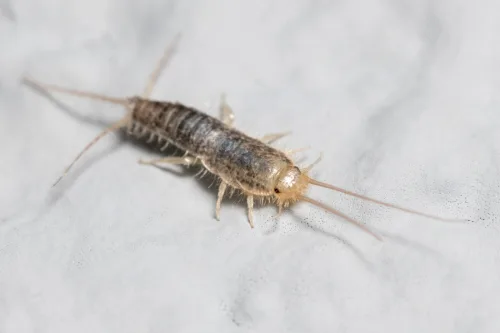
Silverfish Appear at Night and Vanish into Cracks Get Rid of Them with One Change Not a Spray
Silverfish thrive in dark, damp corners and often show up only at night. Long-term control comes from drying the space and removing hiding places, not just spraying chemicals.
Comments (0)
Be the first to comment.