
 English
 Polski
 Deutsch
 Nederlands
 Svenska
 Norsk
 Dansk
 Français
 Italiano
 Español
 Português
 Slovenčina
 Suomi
 Gaeilge
Beat slugs next year in autumn with one soil job most people put off
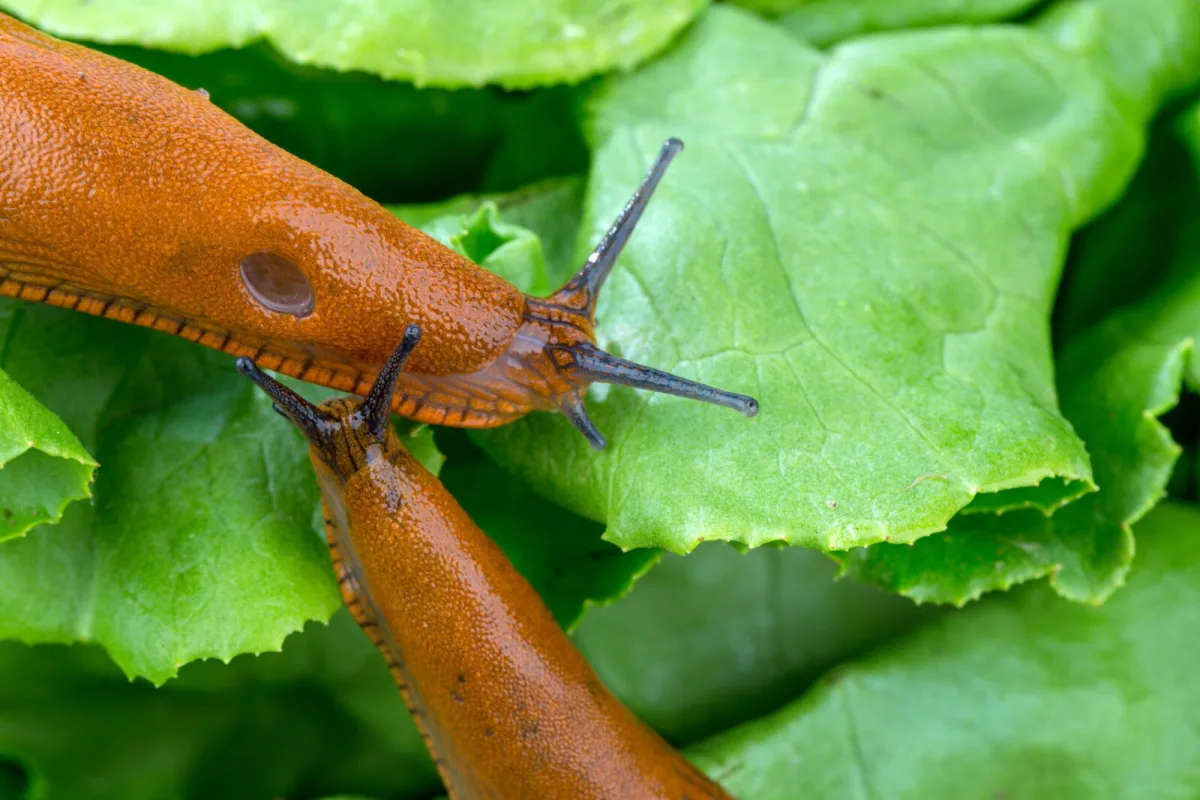
Many gardeners only deal with slugs in spring and summer, when they start damaging seedlings, lettuces and other tender plants. Yet autumn, especially November, is the time when you can significantly reduce their numbers for the following year. The aim isn’t to create a garden completely free of slugs, which is almost impossible under normal conditions, but to cut back those individuals that breed right in your beds and are the first to attack new plantings in spring.
How to break the next slug generation
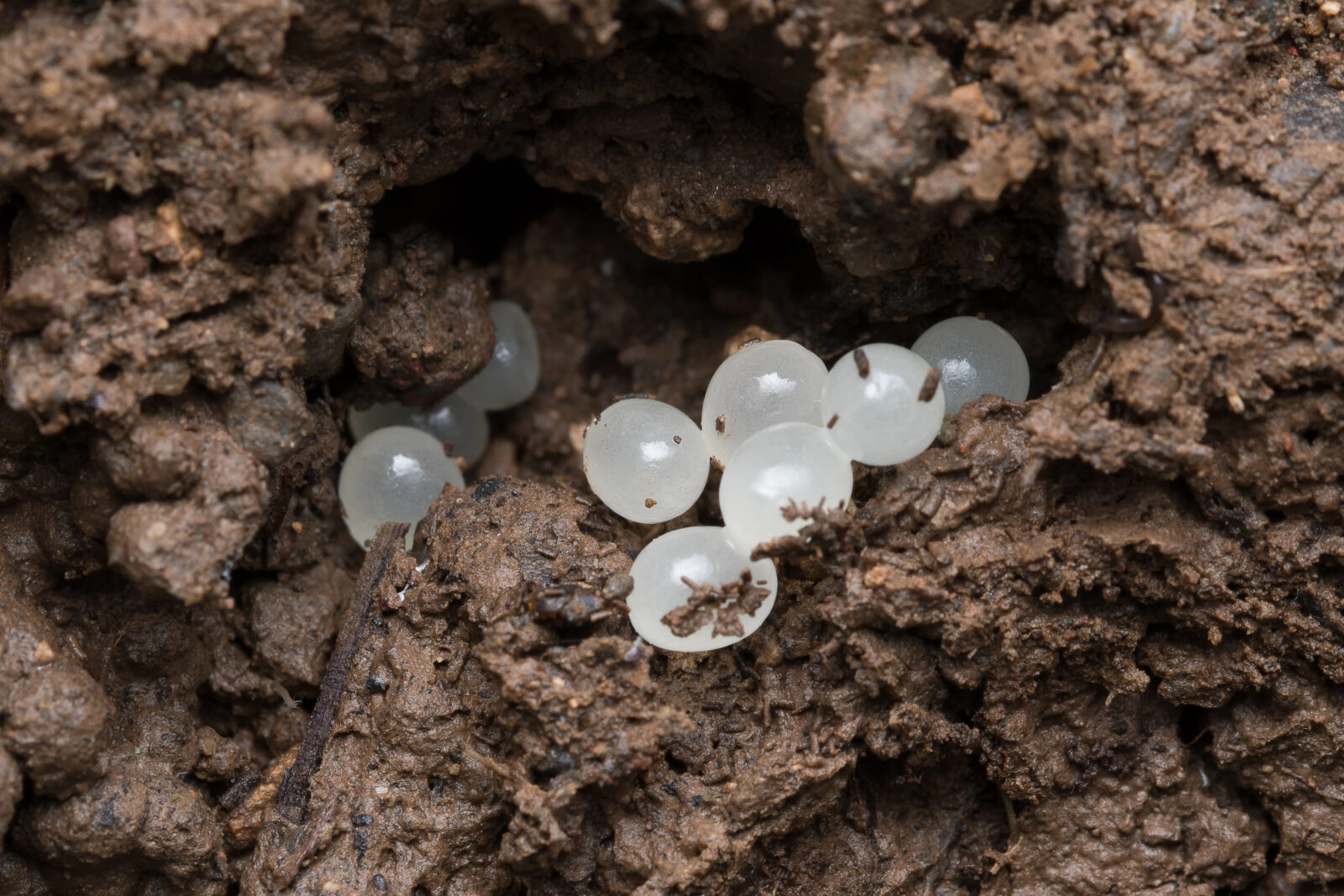
A large part of the problem is hidden in the soil. Slugs lay eggs in it, and new pests hatch from them in the next season. If you act in autumn, you can noticeably reduce their presence before the first damage even appears. That’s why it’s recommended to pay attention to beds after harvest, when there’s room for maintenance, feeding and general soil preparation.
One of the most commonly recommended methods is digging the beds over. This disturbs the spots where eggs are tucked away, bringing some closer to the surface. If a hard frost follows, the harsh conditions can greatly reduce their survival. Autumn digging therefore isn’t just routine soil work, but also a preventative step against future outbreaks.
Nitrogenous lime helps the soil and protects your beds
Even more effective can be combining digging with an application of nitrogenous lime. This approach gives a double benefit. On the one hand it supports fertility and improves soil structure; on the other it acts against slug eggs. In one job, you’re getting a bed ready for the new season while also reducing the number of pests that would otherwise hatch there.
An autumn intervention doesn’t mean wiping out slugs completely, but it can significantly reduce pest pressure right in your beds.
The key advantage of this approach is that it targets the source of the problem. Slugs can still move into the garden from surrounding areas, but if you remove part of the population developing on your plot, you’ll protect the most vulnerable spring plantings and lower the risk of a rapid surge.
What to do if you don’t dig your beds
Not every grower turns the soil these days. More and more people prefer gentler no-dig gardening that leaves soil life undisturbed and supports a natural structure. Even in that case, though, there’s no need to give up on autumn prevention. Quite the opposite: well-managed no-dig beds without large clods can be a less suitable environment for slugs to hide and breed.
If you don’t dig, it’s even more important to keep beds tidy overall. After harvest, remove plant debris, reduce unnecessarily damp corners, and don’t leave layers of material near growing areas where slugs can shelter. The aim is to prepare the garden so it doesn’t offer them a safe refuge through the colder months.
One method isn’t enough
Slug control tends to be most successful when you don’t rely on just one tactic. Autumn digging or treatment with nitrogenous lime can be very helpful, but on its own it won’t solve the problem forever. Slugs travel in search of food from the wider area too, so it makes sense to combine several measures throughout the year.
Some people use slug pellets, others rely on physical barriers, raised beds, or various protective features around susceptible crops. Autumn is the ideal time to think about what has worked in your garden and what might be worth adding. If you prepare your beds now, you’ll have a much better start in spring.
November as preparation for a calmer season
Once harvesting is over, there’s usually more room in the garden for planning and practical improvements. You can build new raised beds, set up fixings for protective netting, or adjust the areas around growing spaces so they’re less favourable to pests. The important thing is not to underestimate the period when slugs aren’t as visible. That’s when it’s decided how strong their comeback will be next year.
So November work pays off. Whether you choose digging, using nitrogenous lime, or a gentler tidy-up without turning the soil, the goal is the same: don’t give slugs good conditions for overwintering and breeding. That way you can start next season with lower pest pressure and a better chance that your young plants stay safe.
Source: OSU Extension, Gardening Naturally, Pestrazahrada.cz

A lover of nature, gardens, and everything that moves, blooms, or grows. He literally grows everything, from herbs to rare species, and he enjoys caring for animals just as much. In his work, he connects modern technology with tried-and-tested grandmotherly methods and is happy when both paths lead to the same goal.
Related articles
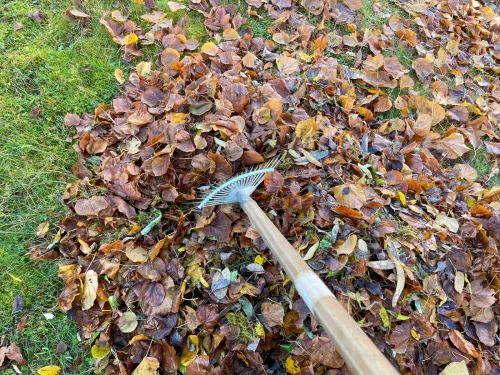
If you throw away leaves, you throw away nutrients
Fallen leaves aren’t waste but a nutrient-rich resource that improves soil, feeds compost, and protects plants through winter. Used correctly, they boost soil life, help beds hold moisture, and even provide habitat for beneficial wildlife.
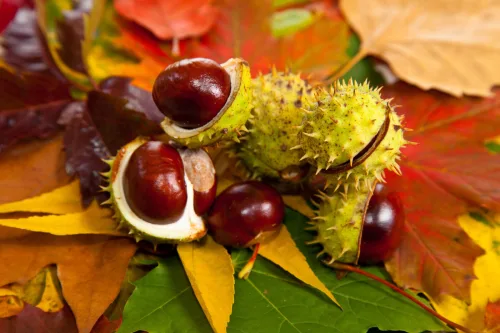
How to tell edible chestnuts from poisonous conkers
Shiny brown “chestnuts” picked in parks are usually horse chestnut conkers, which are inedible and mildly toxic. True edible chestnuts (sweet chestnuts) come from a different tree and are easy to recognise once you know what to look for.
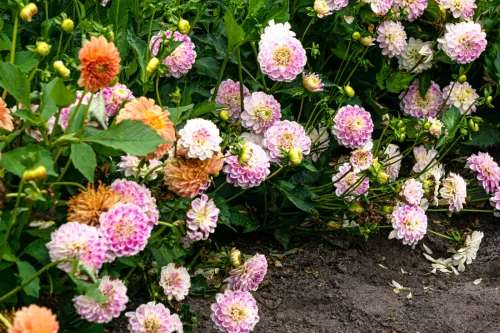
Dahlias need the right care before winter or one mistake can ruin the tubers for good
Dahlias won’t tolerate hard frost or prolonged winter wet, so your overwintering method should match your local conditions. Learn when you can leave tubers in the ground and when lifting and proper storage is essential.
Comments (0)
Be the first to comment.