
 English
 Polski
 Deutsch
 Nederlands
 Svenska
 Norsk
 Dansk
 Français
 Italiano
 Español
 Português
 Slovenčina
 Suomi
 Gaeilge
The Garden Doesn’t End in November: Ten Jobs That Decide Your Spring Harvest
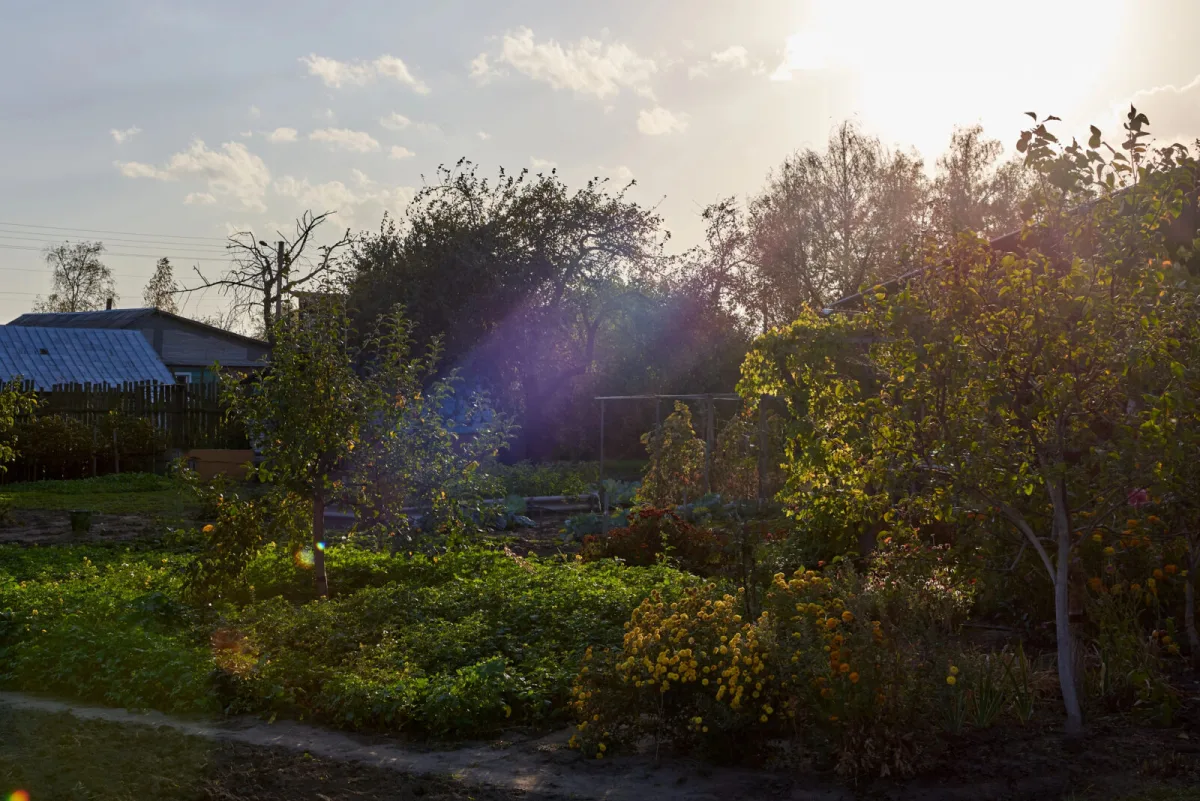
For many growers, November is the month when the garden settles in for its winter rest. That doesn’t mean the season is over. Quite the opposite: cooler weather often makes room for crops that actually prefer lower temperatures. Raised beds, in particular, hold warmth longer, so you can keep harvesting—and even planting—well after the first light frosts.
So the first frost isn’t automatically the full stop on gardening. It’s more like a shift into the cold part of the season. That’s exactly when spinach, kale, carrots, radishes or Chinese cabbage come into their own. In some areas, with the right protection, you can keep going almost all winter.
Harvest in time before the first frosts
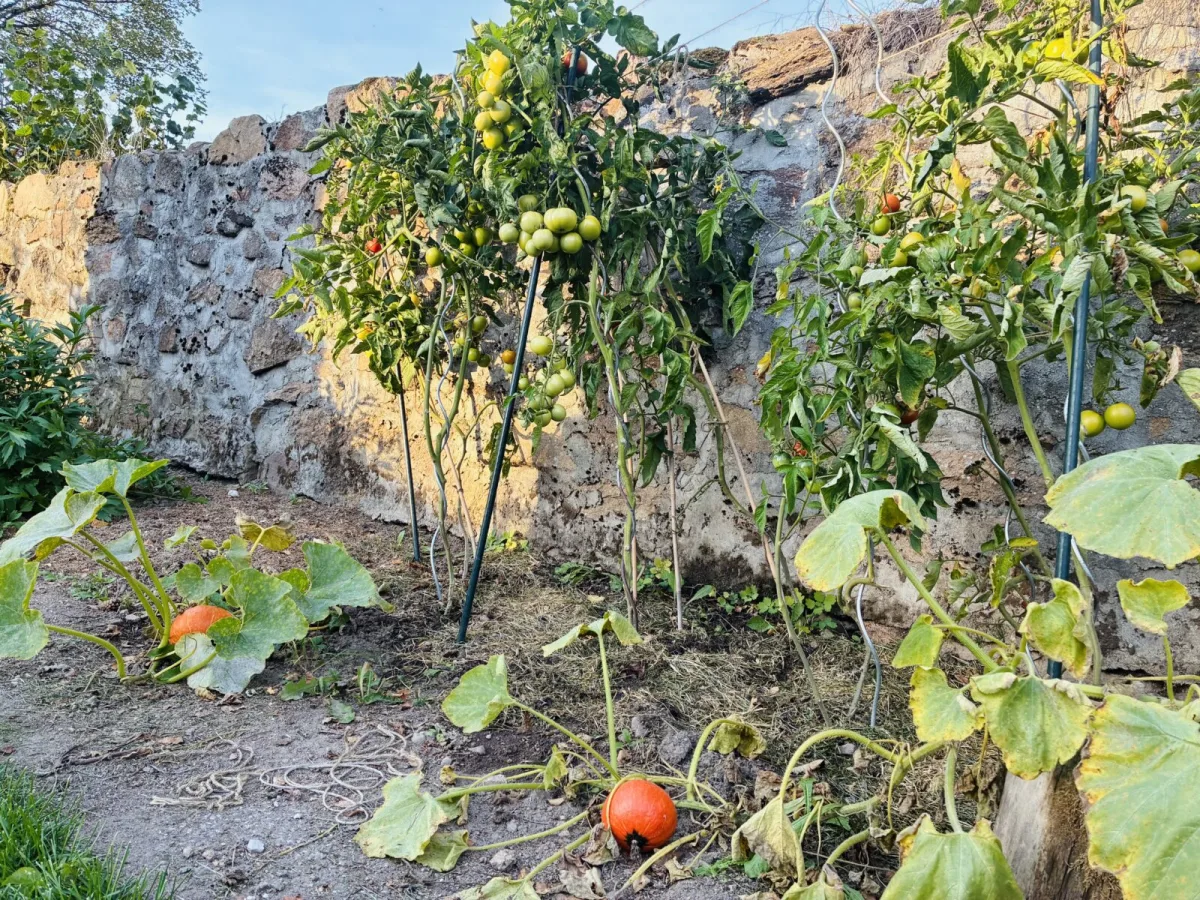
If you haven’t had your first autumn frost yet, it’s worth harvesting everything your warm-season crops still have to give as soon as possible. Tomatoes, cucumbers and peppers slow down as temperatures drop and days get shorter, and their production is nearing the finish line. Make the most of the last pickings while the plants are still in good shape.
It’s also a good moment to cut back herbs. Many will survive a light frost, but their growth slows noticeably. Basil is the exception—it really doesn’t tolerate cold. If you’ve already had a frost, focus on harvesting hardier crops such as spinach, kale, protected lettuce, carrots or radishes.
Thin root vegetables sown in October
Root vegetables sown in October have usually germinated by now, and November is the ideal time to thin them out. Young plants need enough space to develop good roots. If they’re left too crowded, they’ll stay weak and grow misshapen.
The good news is you don’t have to throw away the thinnings. The young tops and small seedlings of carrots, beetroot and radishes are edible and work well in salads, soups or on sandwiches. In a dry autumn, don’t forget to water root crops regularly—consistently moist soil improves both flavour and harvest quality.
Save seeds for next year
November is also your last chance to collect seed from annuals and from herbs that have already gone to flower. It’s best to take seed from fully dried seed heads before a harder frost, which can damage it. After harvesting, dry the seeds indoors somewhere warm and dry, and only then store them.
This is well worth doing with dill, coriander, basil, marigolds, zinnias, cosmos or calendula. Saving your own seed doesn’t just cut costs—it also helps you keep proven varieties that perform well in your garden.
Remove tender annual plants
As soon as the forecast calls for the first sharper frost, it’s time to clear out plants that won’t survive the cold. Annuals and other tender species quickly lose their looks and vigour once frozen. The gentlest approach is to cut them off at ground level with shears and leave the roots in the soil. That way the soil stays less disturbed and beneficial life below ground is preserved.
Plant debris can go onto the compost heap, as long as it isn’t diseased or heavily infested with pests. Infected material is better disposed of with household waste. With perennials, there’s no need to rush to cut everything back—dry seed heads and stems often provide winter shelter for insects and small creatures.
Protect beds from frost
November nights can be unpredictable, so it’s smart to have frost protection ready to go. Truly frost-hardy crops usually cope with a brief dip without trouble, but newly planted seedlings and less resilient vegetables will appreciate cover. Use horticultural fleece, low tunnels, cloches, bell covers or a cold frame.
A key rule is to water the bed in the evening before an expected frost. Moist soil releases heat more slowly than dry soil, which can help plants get through a cold night with less damage.
Order seeds and get your equipment ready
If you wait until January to buy seed, you often discover the favourites are already sold out. November is the right time to plan what you’ll grow through the cold season and in spring, and to order ahead. That applies to carrots, radishes, spinach, Swiss chard, kale or broccoli, for example.
It’s also worth checking seed trays, lights, potting compost and other kit for raising seedlings. With a little preparation now, nothing will catch you off guard when the season starts.
Tidy the garden—but with restraint
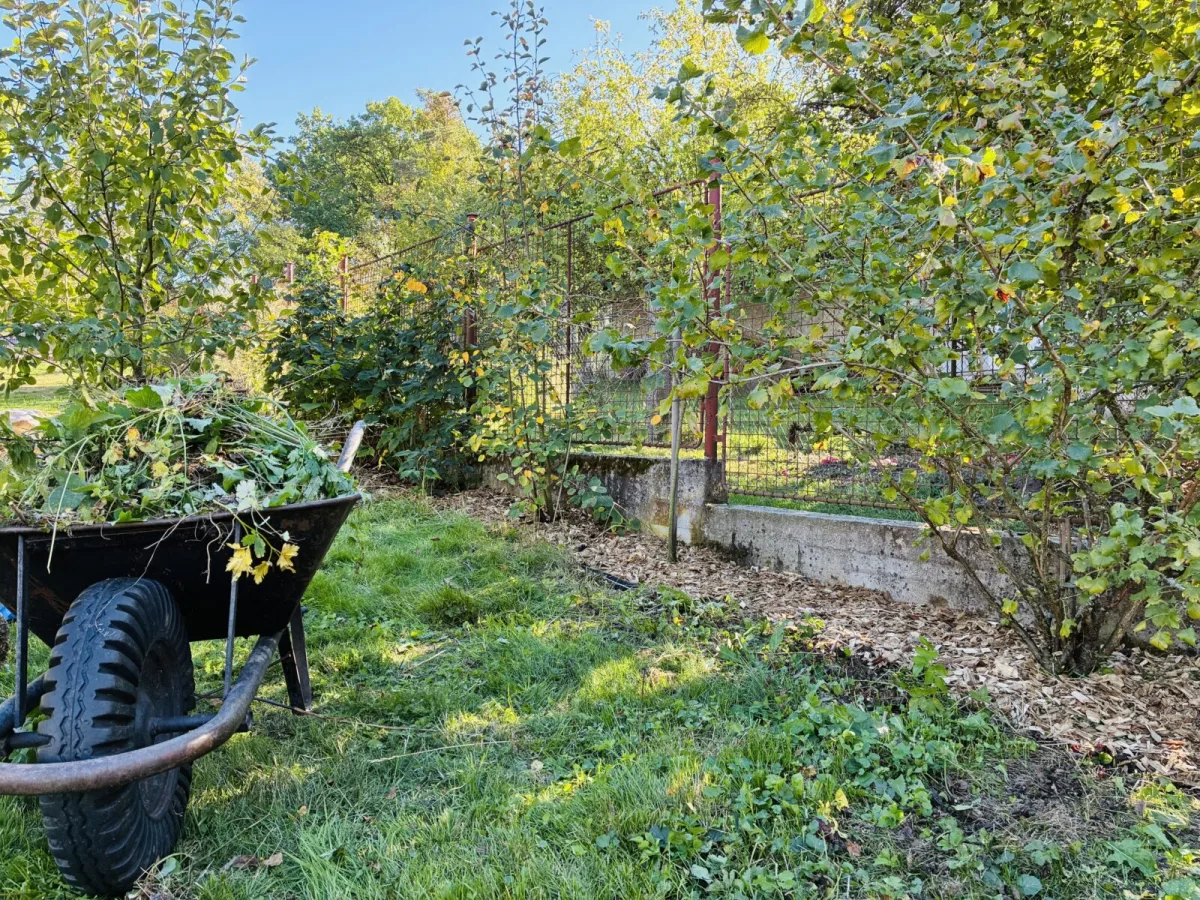
Autumn cleanup has its place in the vegetable garden. Fallen leaves left on beds for too long can create a cosy place for pests to overwinter and for diseases to spread. So it makes sense to clear the bed surface, remove remnants of infected plants, and prepare the soil for winter.
Diseased leaves and plant waste shouldn’t go into the compost. If they show signs of infection, it’s safer to dispose of them away from the garden. Cleaner beds in autumn mean a healthier start in spring.
Plant more vegetables for the cold season
Even in November, it’s not too late for new plantings. There are plenty of crops that enjoy cool conditions and can handle light frost. Quick growers include spinach, rocket (arugula), radishes, chives, kale, mustard greens and Chinese cabbage. Many can be harvested in a short time.
Some crops are even tastier after a frost, developing a sweeter flavour. November plantings can also include beetroot, carrots, broccoli, salads and herbs such as dill and parsley. In warmer areas, you can also transplant strawberries, blueberries or blackberries, as long as you protect them from frost.
November is ideal for garlic
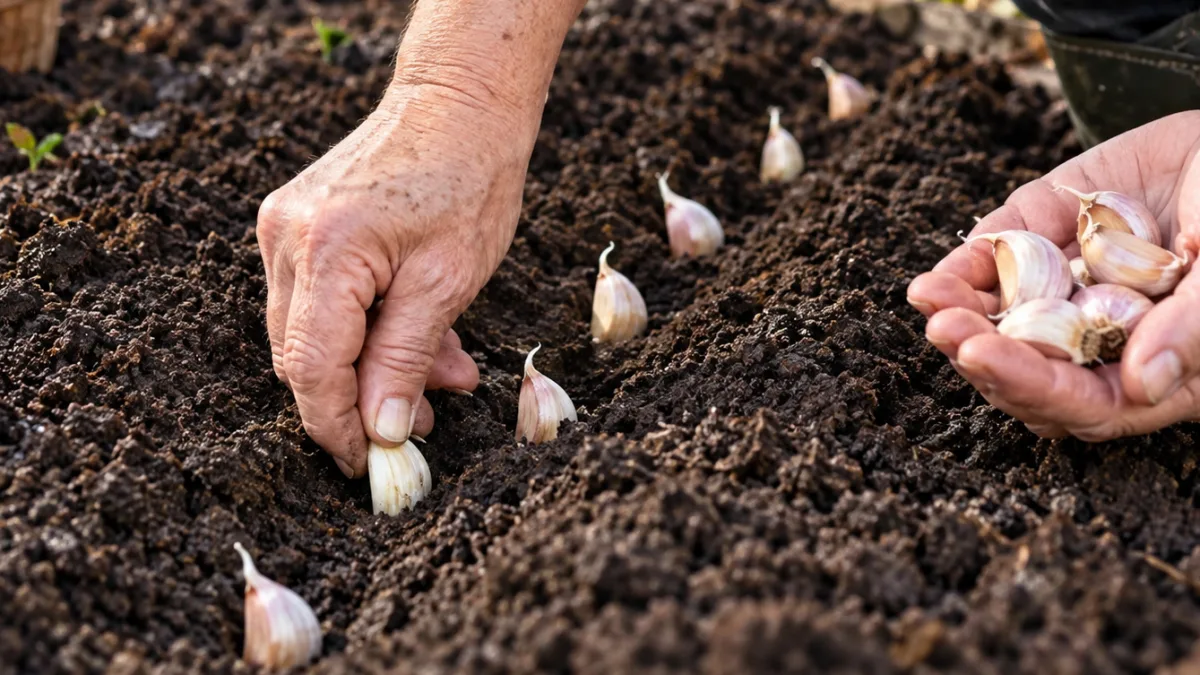
Planting garlic in autumn is one of the most reliable jobs of the season. The cloves need to go into the ground before the soil freezes solid. They won’t form bulbs over winter, but they will root well. As soon as the soil warms in spring, the plants wake up quickly and put on strong growth.
Autumn planting is often the most dependable timing for garlic, because it helps the plant build a strong foundation for vigorous growth and a generous harvest next year.
Move favourite plants indoors
In cooler regions, you can save some herbs or peppers by potting them up before winter and bringing them indoors. Before lifting plants from the bed, it helps to cut them back to limit growth and make the move less stressful. When digging, keep as much surrounding soil as possible to avoid damaging the root system.
Choose a pot slightly larger than the root ball. It’s worth adding a little compost and a free-draining material such as sand in the bottom. Then place the plant in a bright spot—ideally by a south-facing window—and keep an eye on the moisture in the potting mix. Care is especially important in the first few weeks after transplanting.
The garden continues after summer
November doesn’t have to be the month you say goodbye to the garden—it can be a time for a thoughtful change of pace. If you harvest what’s finishing, protect tender plants, tidy beds and plant crops for cool weather, you’ll get the most out of the late season. This is when it becomes clear that gardening isn’t limited to spring and summer—it can bring real satisfaction even through a damp, chilly autumn.
Source: Gardenary, A Way to Garden , Pestrazahrada.cz
Related articles
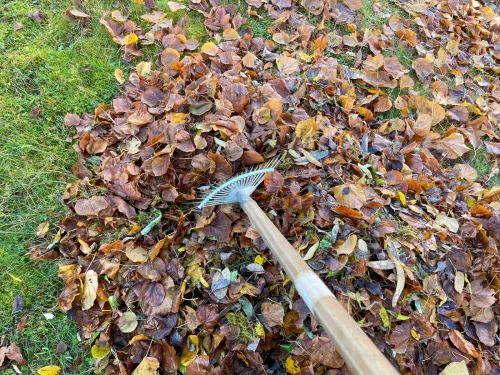
If you throw away leaves, you throw away nutrients
Fallen leaves aren’t waste but a nutrient-rich resource that improves soil, feeds compost, and protects plants through winter. Used correctly, they boost soil life, help beds hold moisture, and even provide habitat for beneficial wildlife.
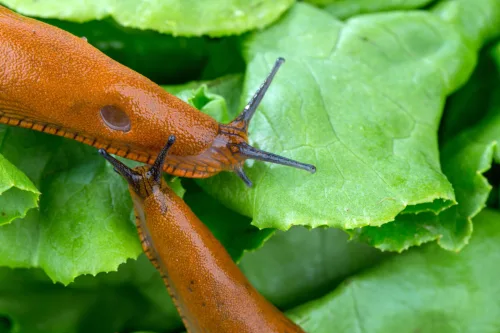
Beat slugs next year in autumn with one soil job most people put off
Most gardeners tackle slugs in spring and summer, but the most effective prevention starts in autumn. A timely soil intervention can significantly reduce the number of slugs that hatch in your beds next season.
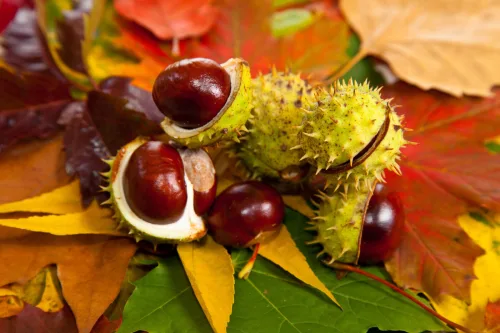
How to tell edible chestnuts from poisonous conkers
Shiny brown “chestnuts” picked in parks are usually horse chestnut conkers, which are inedible and mildly toxic. True edible chestnuts (sweet chestnuts) come from a different tree and are easy to recognise once you know what to look for.
Comments (0)
Be the first to comment.