
 English
 Polski
 Deutsch
 Nederlands
 Svenska
 Norsk
 Dansk
 Français
 Italiano
 Español
 Português
 Slovenčina
 Suomi
 Gaeilge
How to overwinter peppers so they crop in their second year
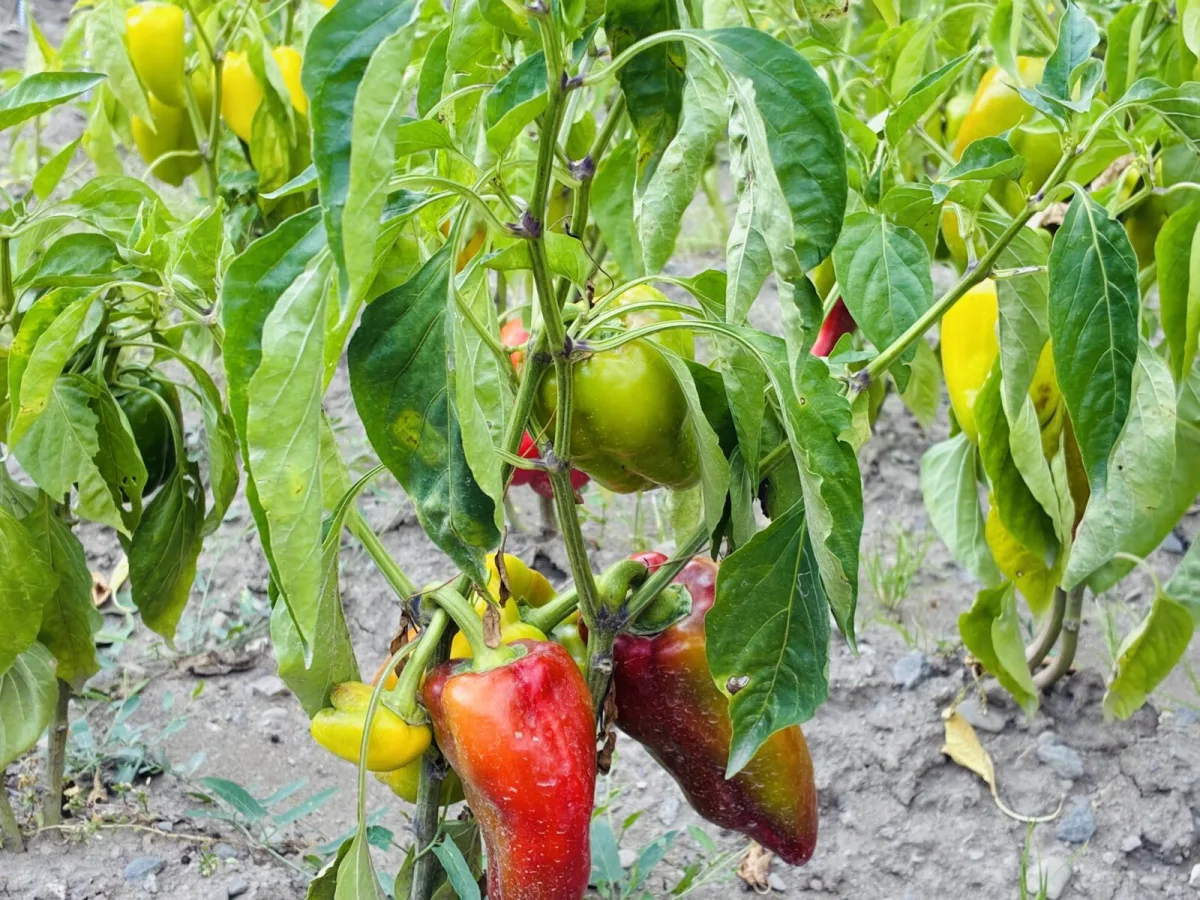
Many growers treat peppers and chillies as annuals. They sow them in spring, harvest through summer, and then clear the plants away in autumn without a second thought. In reality, they are perennials that, given suitable conditions, can make it through winter and grow and fruit again the following year. That’s their big advantage.
If you allow a plant to overwinter, you get a major head start on the next season. It doesn’t have to begin again from seed, so it puts on growth faster, flowers earlier, and sets fruit well ahead of newly sown seedlings. That extends the picking season, and the total yield of peppers is usually noticeably higher.
Which plants are best for overwintering
Your best chance of success is with healthy, vigorous, well-developed plants. The ideal candidates are those already growing in pots, because you don’t have to disturb the root system. Moving them into their winter quarters is then much easier, and the plant copes better with the change in conditions.
If you grow peppers directly in the ground, you can still save them for next year. You just need to dig them up as carefully as possible with the largest root ball you can manage, then pot them into a sufficiently large container with fresh compost. In this situation, expect that some roots will be damaged during the move, so you’ll need to reduce the top growth too.
Preparing peppers before bringing them indoors
Before overwintering, it’s worth cutting plants back so they take up less space and cope more easily with the winter rest period. With container-grown peppers, you can shorten the shoots to suit the space you have. Make each cut just above a bud, and use clean, sharp secateurs.
Plants lifted from the ground should be cut back more firmly, by roughly a half to three quarters. This helps balance the loss of roots after transplanting. Through autumn and winter, some stems may continue to die back. That’s not a cause for concern. Simply trim them later to where the tissue is still green and alive.
It’s normal for leaves to yellow and drop. Some peppers get through winter almost leafless, then shoot again in spring. The key is not to assume this automatically means failure. The plant is simply responding to lower light levels and slower growth.
Where to keep peppers over winter
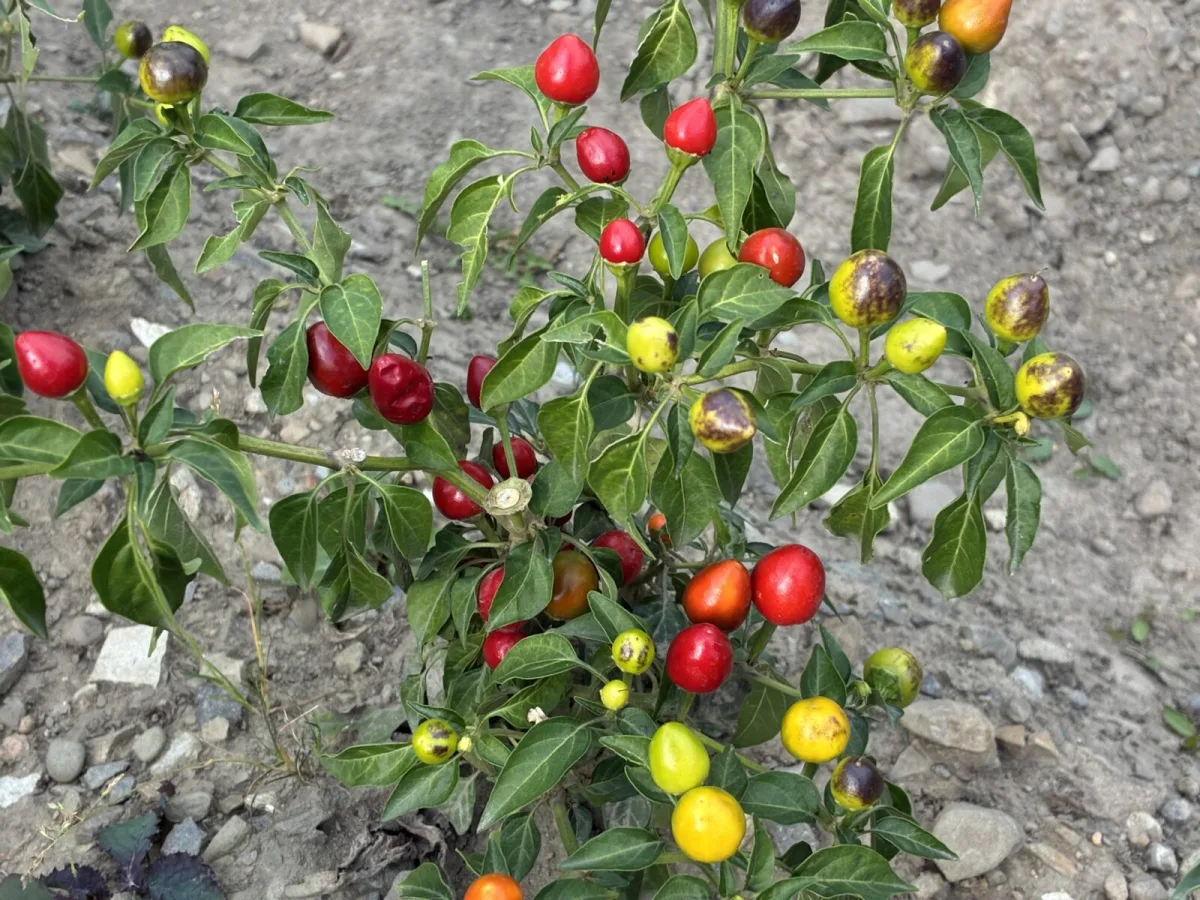
Overwintered peppers need a spot where temperatures stay above freezing. In most homes, a bright windowsill in a cooler room works well, ideally away from direct heat sources. A conservatory or another sheltered, bright space can also be suitable.
There’s naturally less light in winter, and indoors it’s often dimmer still. That’s why it makes sense to place plants in the sunniest window you have. The more light they receive, the better they’ll handle dormancy and the more readily they’ll wake up into new growth in spring.
Watering during winter
In winter, peppers don’t need much water. The compost should be only lightly moist, and it can almost dry out between waterings. Once growth slows, water use drops sharply, so watering is usually only needed occasionally.
After each watering, it’s important to let excess water drain away. Roots must not sit in wet compost, or they can rot. Overwatering is far more dangerous during overwintering than a brief, slightly drier spell. So take care, and in this case less is often more.
The most common problem is aphids
When growing peppers indoors, aphids often appear. They are among the most common causes of trouble over winter because they multiply easily in the warmth of a home. Check plants regularly and catch pests as early as possible.
As soon as aphids show up, you can remove them repeatedly by hand. Wiping with a damp cloth or rinsing with a jet of water works well. Persistence matters, because they may return. Regular monitoring is just as important for overwintering as the right temperature and watering routine.
How to get peppers growing again in spring
Around six weeks before the last frosts, it’s time to wake the plants up. Repotting into fresh compost enriched with a small amount of organic fertiliser helps. First, remove a few centimetres of old compost from the surface around the root ball, then top the pot up with fresh compost. Sometimes the same container is enough; other times it’s better to move up to a slightly larger pot.
Once the first signs of new growth appear, you can increase watering. The plant will start producing fresh leaves and new shoots. At this stage it needs more moisture and nutrients again, because it’s preparing for strong seasonal growth.
Moving outside and encouraging fruiting
You can move peppers into a greenhouse or polytunnel a week or two before the expected end of frosts, if the weather allows. The advantage is that if there’s a sudden cold snap, you can still bring them back indoors overnight. Hardening off should be gradual so the plants don’t suffer shock.
As light strengthens and temperatures rise, peppers will put on growth quickly. Once they form buds, it’s the right time to feed with a fertiliser higher in potassium. This supports heavier flowering and better fruit set. If everything goes well, you can take your first harvest up to a full month earlier than from plants grown from a spring sowing.
Overwintering peppers isn’t difficult if you give plants a frost-free place, plenty of light, restrained watering, and regular checks for aphids. The reward is an earlier harvest and often a significantly heavier crop the following year.
Source: Grow Veg, Gardenary , Pestrazahrada.cz

A nurse by profession, she is passionate about healthy living, nature, and everything that benefits both people and the world around them. In her free time, she enjoys gardening, cooking, sewing, and caring for her family. In her articles, she loves combining professional expertise with practical experience from the garden and everyday life.
Related articles

Feed Blueberries in Autumn with a Homemade Mix That Ferments for a Few Weeks and Shows Results in Spring
If you want your blueberries to flower and fruit more heavily next year, try a simple homemade feed made from stale bread and used coffee grounds. Left to ferment for a few weeks, it can gently support soil life and the root zone going into winter.
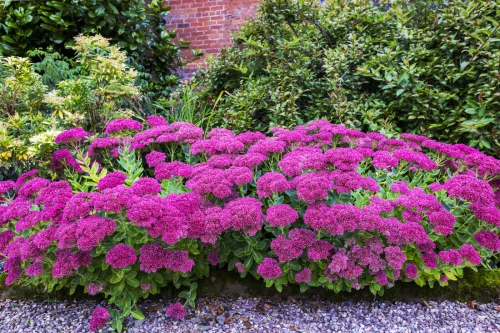
Stonecrop is the easiest perennial for lazy gardeners but one common mistake ruins it
Stonecrop (Sedum) is a tough, drought-tolerant perennial, but it isn’t indestructible. Give it sun and sharply draining soil, and avoid overwatering to keep it compact and floriferous.
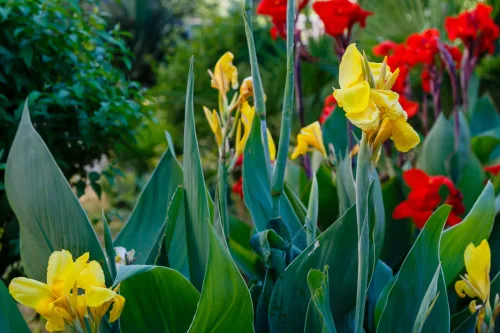
Lift cannas for winter: mistiming can ruin them and one extra week can decide next season
Cannas are spectacular summer plants, but in colder regions their rhizomes won’t survive hard frost in the ground. Lift them at the right moment, dry them properly, and store them cool and dry for replanting in spring.
Comments (0)
Be the first to comment.