
 English
 Polski
 Deutsch
 Nederlands
 Svenska
 Norsk
 Dansk
 Français
 Italiano
 Español
 Português
 Slovenčina
 Suomi
 Gaeilge
Indoor Bonsai Dies from a Mistake People Think Is Care
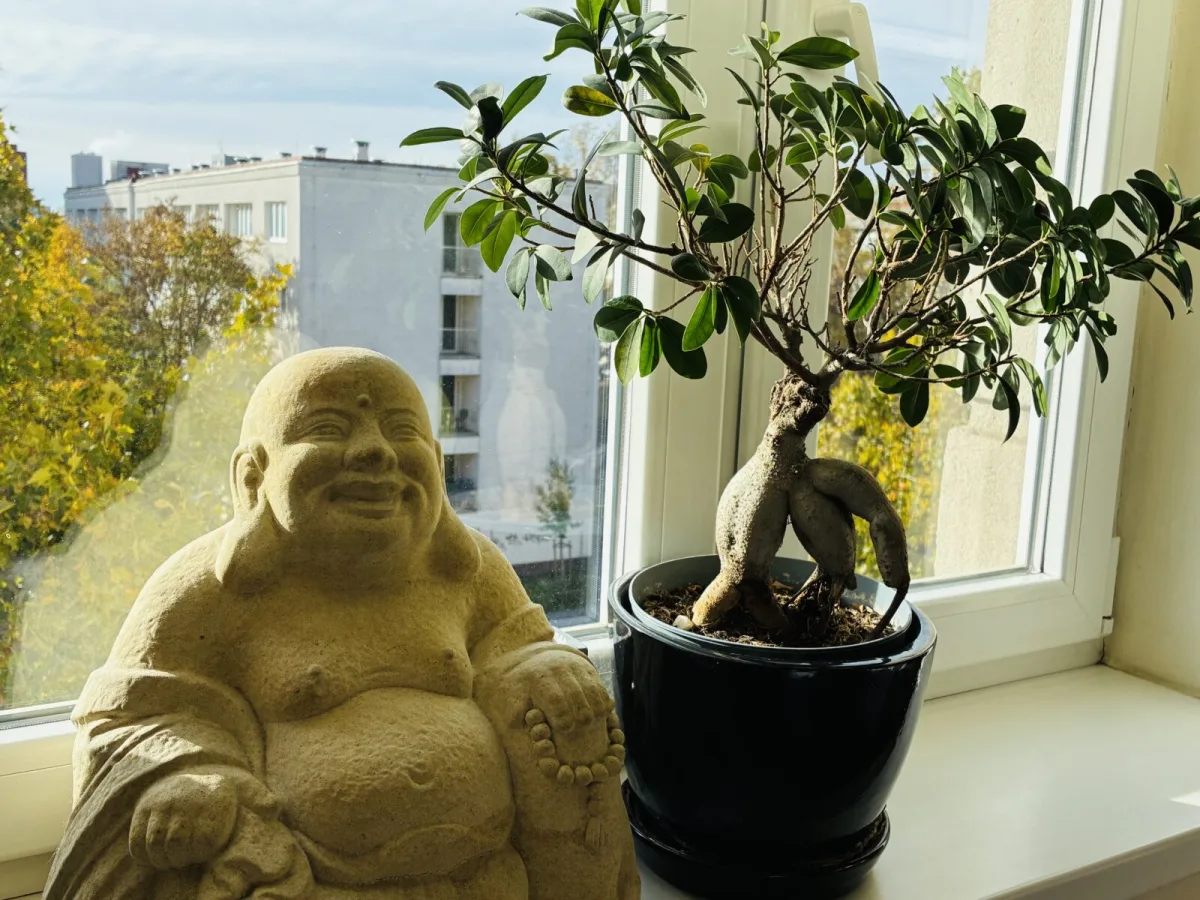
A bonsai is a tree grown in a small container and trained to keep a miniature form while still looking like a mature tree in nature. It’s a traditional Japanese art based on regular pruning, directing growth and careful long-term care. Indoors, bonsai have become a popular choice for houseplant lovers who want something unusual and are willing to give a plant more attention.
However, not every bonsai is suitable for an apartment. For growing indoors, species from tropical and subtropical regions are best, because they prefer steadier temperatures and don’t suffer from the lack of a winter dormancy period. Temperate trees are better kept outdoors, as they need the natural drop in light and temperature over winter.
Where to place a bonsai at home
An indoor bonsai needs plenty of light, warmth and higher air humidity. It does best in a bright spot without harsh midday sun, which could scorch the foliage. A good option is a windowsill with filtered light, or a kitchen or bathroom where the air is naturally more humid.
If your home is dry, a humidity tray helps: a shallow dish with pebbles and a little water. The pot should sit on the pebbles, not directly in the water. Regular misting is also useful. Temperature matters too. Tropical species do well at around 20 °C and shouldn’t drop below 15 °C. Subtropical bonsai can cope with cooler conditions in winter, but usually not below about 7 °C.
How to grow bonsai from seed
Growing a bonsai from seed is a patient route that gives the grower full control over the tree’s future shape. The first meaningful styling, however, comes only after several years, typically around the plant’s third year. That’s why this method suits people who genuinely want to enjoy the whole process.
Seeds should be chosen based on whether the bonsai will be grown indoors. Tropical and subtropical species are suitable. For sowing, a fine seed-starting medium works well, while for ongoing cultivation it’s better to use a bonsai soil mix that drains well and reduces the risk of root rot.
Some seeds need preparation before sowing. With certain species, it’s enough to nick the hard seed coat or soak the seeds in water for a few hours so they absorb moisture more easily. Then sow into a small container of damp medium, cover lightly and place in a bright spot out of direct sun. To maintain humidity, you can cover the pot with a clear cover. After germination and once true leaves form, transplant the seedlings individually.
Repotting and root work
One of the most important steps early on is the first repot. On a young tree, the main taproot is removed to encourage even development of finer lateral roots. These are crucial for bonsai, because they help build a compact root system suited to a shallow pot.
When repotting, it’s best to have everything ready in advance so the roots aren’t exposed to air for long. Transfer the tree to a bonsai pot with fresh substrate and settle the roots carefully just below the surface. After planting, gently firm the mix and water thoroughly.
Further repotting depends on the tree’s age and growth, roughly once every two to five years. Young bonsai need fresh space more often than older specimens. The best time is usually early spring, when growth is slower. When checking the roots, a sign it’s time to repot is when they begin circling around the edge of the pot. Some of the old substrate can be left in place, as it may contain beneficial soil organisms that support nutrient uptake.
Watering, feeding and everyday care
Unlike typical houseplants, bonsai have only a small amount of growing medium, so they dry out faster and use up available nutrients more quickly. They need checking almost daily. Water when the substrate starts to lose moisture, but don’t let it dry out completely. If it does dry out, it helps to soak the whole pot in water for a few minutes and then let it drain well.
Regular feeding is just as important. During active growth, a bonsai fertiliser is typically used at shorter intervals, often every one to two weeks. The exact schedule depends on the species and the tree’s age. In winter, you may need to move the bonsai closer to the window for more light, but it must not sit next to a hot radiator. In summer, it can be sensible to move it slightly away from the window to prevent overheating or leaf scorch.
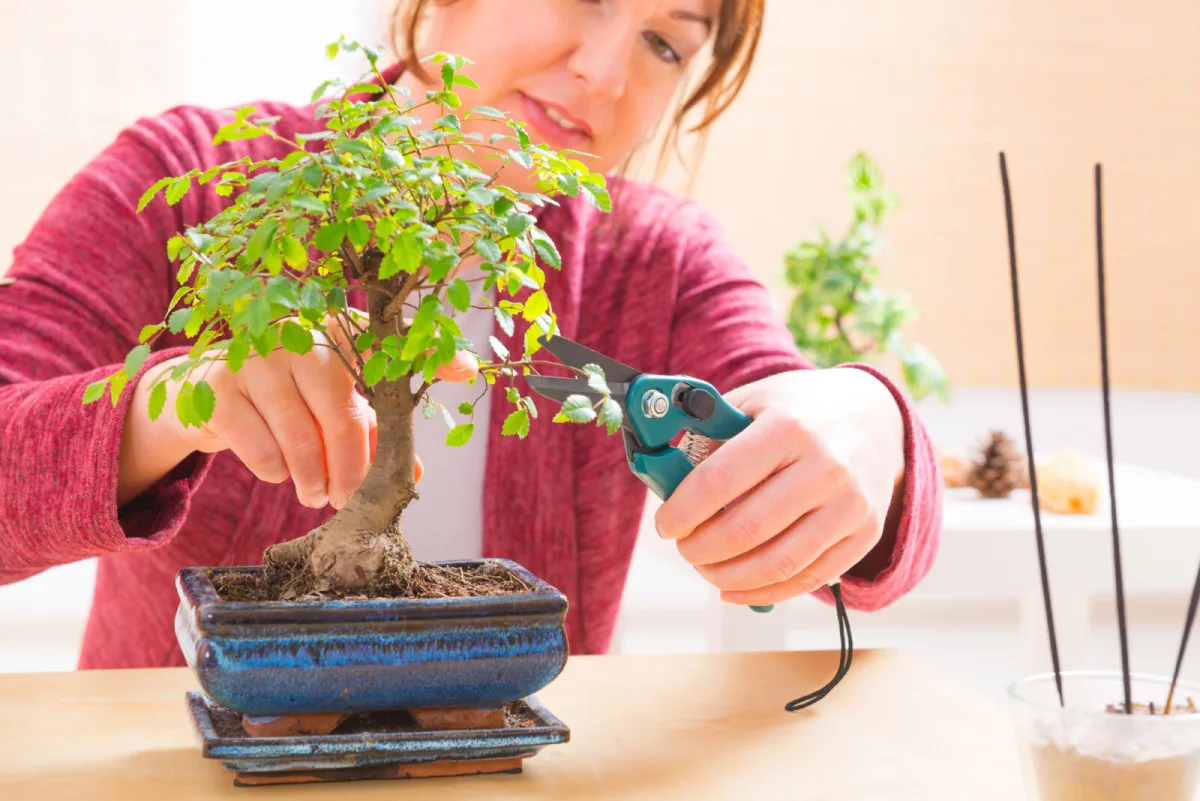
Styling and pruning a bonsai
The essence of bonsai isn’t only keeping it small, but also creating a balanced, harmonious shape. Young shoots can be guided with wire training, which gradually changes the direction of branch and trunk growth. Once the basic form is established, regular maintenance pruning follows.
In general, new shoots a few centimetres long are cut back to the first pair of new leaves. Heavier work and major reshaping is best done in early spring, before vigorous bud break. Consistency matters more than one drastic cut.
The most common problems and how to prevent them
Indoor bonsai can be attacked by the same pests as other houseplants. Scale insects, spider mites, aphids or fungus gnats may appear. Regularly checking leaves, twigs and the surface of the substrate helps you spot trouble early.
Big problems, though, are more often caused by unsuitable care than by pests. Overwatering and poor drainage lead to root rot, which can kill the tree. Overly dry substrate or air can encourage powdery mildew and worsen leaf condition. Yellowing is often a sign of nutrient deficiency, while leggy, weak growth points to a lack of light.
With indoor bonsai, the most important thing is balance between light, watering, humidity and regular pruning. As soon as one of these elements is missing, the plant will show it quickly.
Beginner-friendly species
Among the most reliable indoor bonsai are ficus, especially Ficus retusa and Ficus benjamina. They tolerate lower humidity and less-than-ideal light, making them excellent for first attempts. Similarly tough is schefflera, which copes with poorer light and drier air too, although it’s less suited to more dramatic wiring.
Beginners may also like the Chinese elm, which grows quickly, responds well to pruning and can handle the occasional wobble in watering. A popular but slightly more demanding choice is carmona, sometimes sold as Fukien tea. It needs lots of light, stable room temperatures and higher humidity, especially during the heating season.
What to consider before buying a bonsai
A bonsai isn’t a low-maintenance decoration. It needs time, consistency and the right conditions. Before buying, it’s worth considering whether you have enough light, suitable temperatures and the willingness to water more often and prune regularly. If you want to grow a bonsai indoors, always choose a species intended for indoor conditions, and buy seeds or plants from reputable sellers.
With proper care, an indoor bonsai can thrive for many years and become a striking part of your home. It’s the combination of patience, regular attention and gradual shaping that gives this style of growing its unique appeal.
Source: Gardeners World, RHS , Pestrazahrada.cz
Related articles
Autumn strawberry care takes an hour and you will be rewarded with plants laden with fruit with just three steps
After fruiting, strawberries benefit from a few timely autumn jobs that help them winter well and bounce back strongly in spring. A simple trim, the right feed, and a protective mulch can mean bigger, tastier berries next season.
Christmas cactus will bloom again even after years if you avoid one common mistake
A Christmas cactus can look perfectly healthy yet refuse to flower for years. With the right light, temperature, watering, and a gentle boost, it can set buds again and bloom reliably.
Take care with pruners on ornamental grasses Some are best cut back in autumn others in spring
Ornamental grasses bring movement and structure, but not all of them should be left standing until spring. For several warm-season and self-seeding types, an autumn cut-back keeps borders tidier and helps limit spread.
Comments (0)
Be the first to comment.