
 English
 Polski
 Deutsch
 Nederlands
 Svenska
 Norsk
 Dansk
 Français
 Italiano
 Español
 Português
 Slovenčina
 Suomi
 Gaeilge
If you throw away leaves, you throw away nutrients
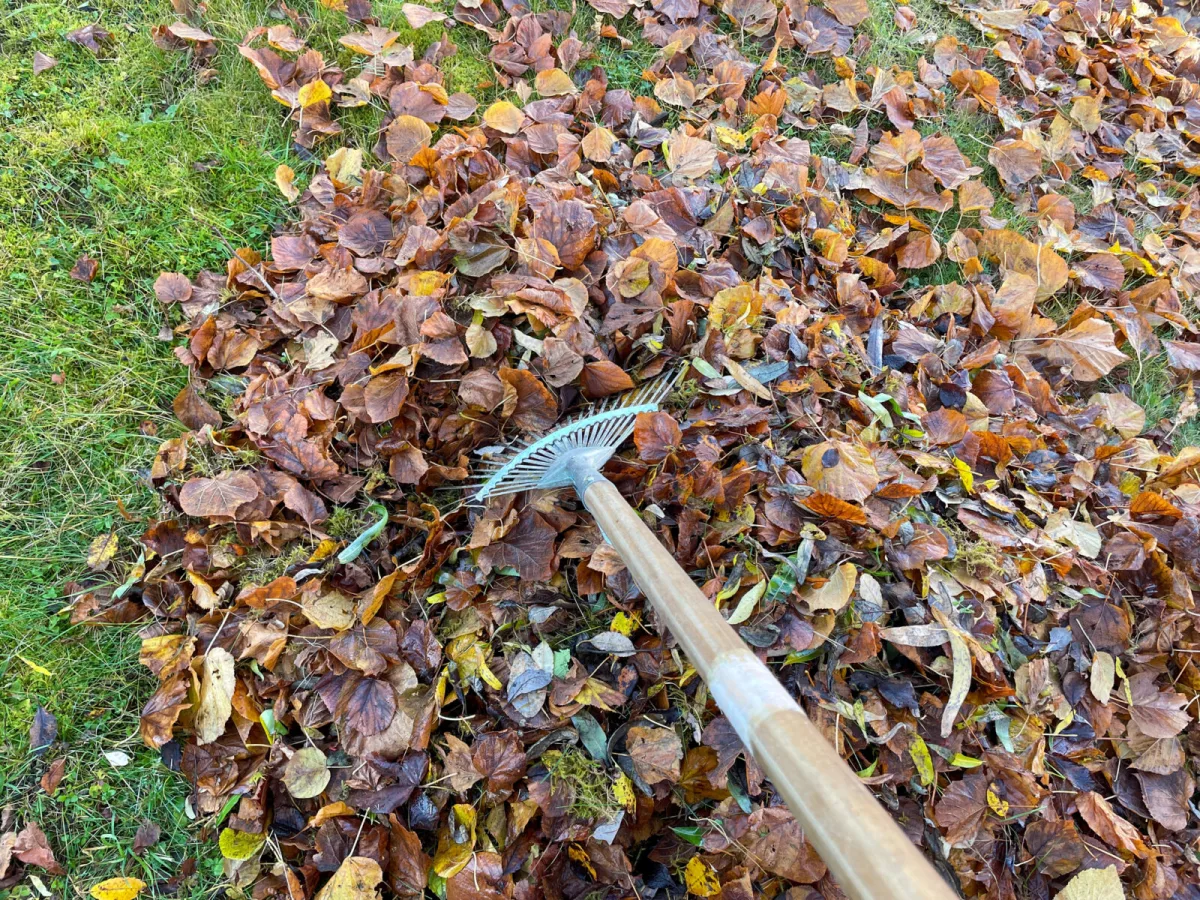
Fallen leaves aren’t rubbish, but an exceptionally useful natural material. Over the year, trees draw nutrients from deeper layers of soil and store them in their leaves. When those leaves drop to the ground in autumn, they return valuable organic matter and minerals to the garden, such as calcium, magnesium, phosphorus and potassium. That’s exactly why leaves can be a real treasure for the soil, improving its structure, supporting soil life and helping plants thrive.
So instead of carting them off as waste, it makes far more sense to use leaves right on your plot. They help heavy clay soils, improve the moisture-holding ability of sandy soils, and they encourage earthworms and beneficial microorganisms. A gardener who processes leaves properly gets a high-quality, free material for mulching, composting and protecting plants over winter.
Incorporating leaves directly into the soil
One of the simplest methods is to work shredded leaves straight into your beds. Over winter and through spring they’ll start to break down, and the soil will come alive. You’ll see more earthworms and other organisms that help create a healthy, fertile environment for growing vegetables and flowers.
It’s best to chop or shred the leaves first so they decompose faster. If you’re adding them directly into the soil, it’s wise to include a small amount of slow-release nitrogen as well. Microorganisms use nitrogen as they break leaves down, and without topping it up, plants may temporarily run short.
Leaf compost as a nutrient reserve
Leaves are an excellent compost ingredient because they’re a so-called “brown” material rich in carbon. In the compost heap, it pays to alternate layers of leaves with nitrogen-rich materials such as grass clippings, soft plant trimmings or plant-based kitchen scraps. This combination creates the right conditions for bacteria and other decomposers.
The compost heap should stay evenly moist, and it helps to aerate it now and then by turning it. If you mow over or shred the leaves first, you’ll speed the whole process up. By spring you may have mature compost ready to enrich your beds and improve the soil without having to buy expensive bagged fertilisers.
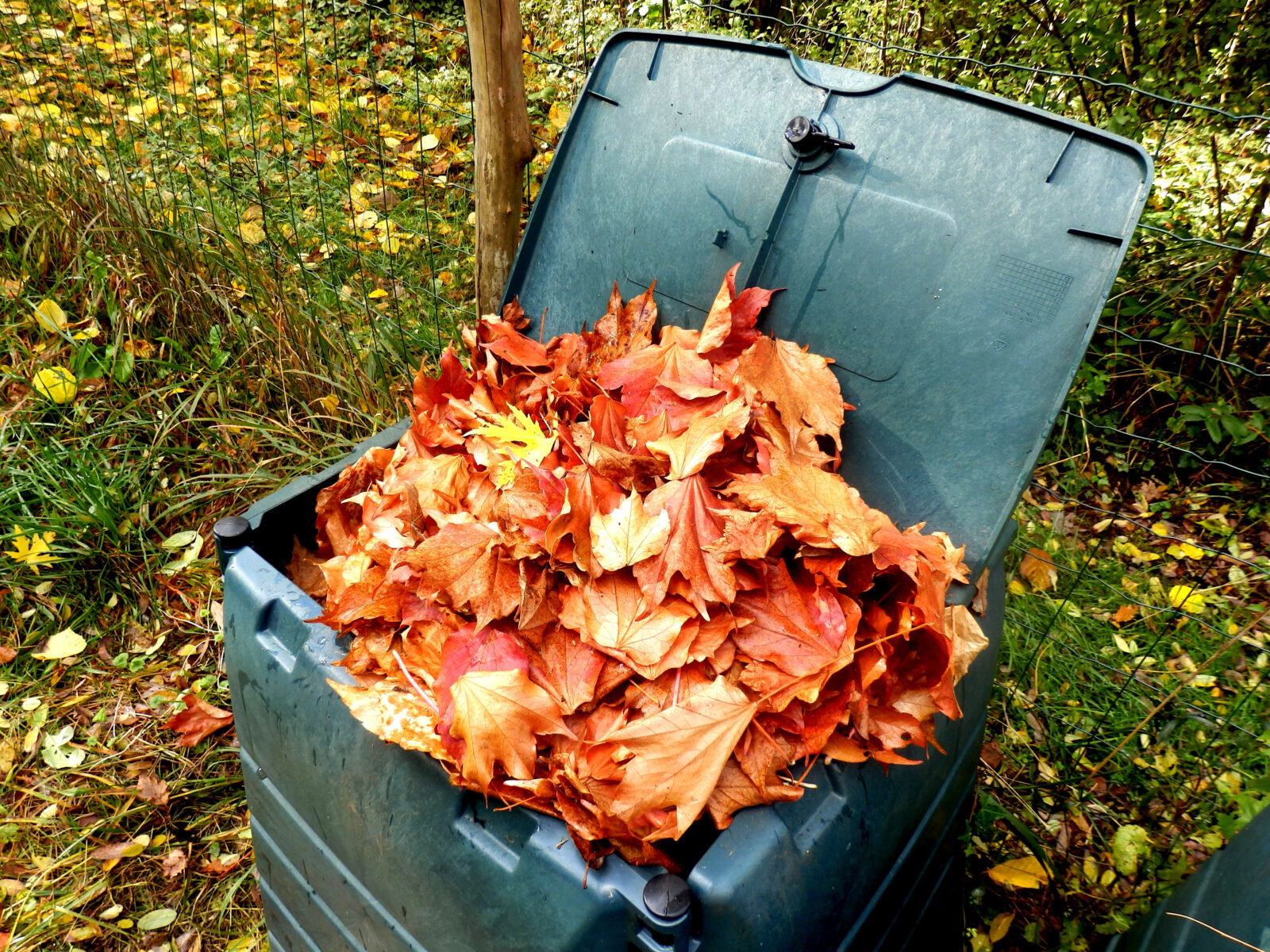
Leaf mould as a fine soil conditioner
If you don’t want to turn compost regularly, you can make what’s known as leaf mould. Simply heap the leaves up, keep them damp and let nature do the work. Here the main role isn’t played by bacteria as in traditional compost, but by fungi that gradually break the leaves down.
After one to three years, the result is a dark, crumbly, pleasantly earthy-smelling material. It’s ideal as an amendment for beds, borders and potting mixes for containers. Leaf mould improves the soil’s ability to hold water and adds valuable substances, especially calcium and magnesium.
Mulching beds and protecting perennials
Shredded leaves also make an excellent mulch. On beds they suppress weeds, help retain moisture, and protect the soil surface from being washed out or compacted. That’s particularly useful on vegetable beds over winter, or around soft fruit and ornamental shrubs.
It’s important to use chopped or shredded leaves. Whole leaves can mat together into an impermeable layer that water and air struggle to penetrate. Leaf mulch can also be used to protect more tender perennials. The best time is after the ground has frozen, when a layer of mulch helps keep conditions steadier and reduces damage from winter temperature swings.
Mowing leaves into the lawn
Not every leaf needs to be raked up. A thin layer left on the lawn can be beneficial if you regularly chop it up with the mower. These small pieces decompose gradually and add organic matter and nutrients to the turf. The soil under the grass improves, and in spring you may need less feeding.
The key is not to leave a thick, flattened layer on the lawn. That would block airflow and could encourage disease. Regular mulching mowing during leaf fall is therefore a simple way to use this natural material without extra effort.
Protecting root vegetables over winter
Leaves also work well as an insulating layer for cold-hardy vegetables and root crops that stay in the ground. Carrots, beetroot, leeks and kale can last longer and be harvested straight from the bed thanks to a covering of leaves. The layer helps prevent the soil from freezing hard and makes winter harvesting easier.
If you have a cool, slightly damp place for storage, you can use leaves away from the beds too. Root vegetables can be stored between layers of fresh leaves that are lightly moistened. They must not be soaking wet. This can extend the keeping quality of the harvest without any complicated equipment.
A shelter for beneficial wildlife
Leaves don’t just benefit the soil and plants, but garden wildlife as well. Bees, bumblebees, butterflies, spiders, slugs and other small creatures overwinter in them. For many pollinators, a layer of leaves is a natural refuge from frost and predators. Some butterfly and moth species also overwinter as pupae and blend easily into dry leaf litter.
That’s why it’s good not to keep the garden completely sterile over winter. Some leaves can remain on beds or in a quiet corner of the garden as a natural pile. This unobtrusive space supports biological balance and rewards you in spring with more activity from beneficial insects.
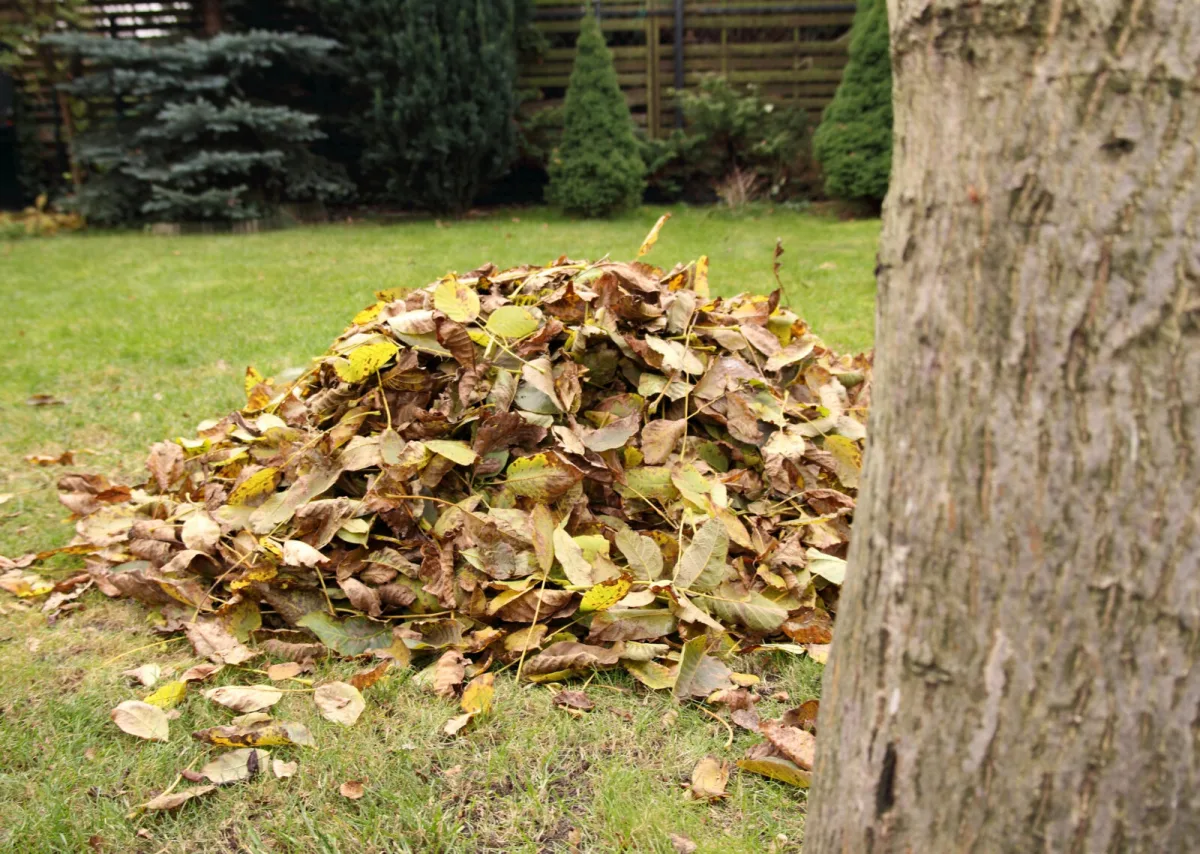
Leaves can be a source of joy too
Autumn leaves don’t have to be useful only in a practical sense. Piles of leaves have long been part of autumn fun and the atmosphere of the garden. And the prettiest leaves can be saved for decorative use as well. Once dried or preserved, they can hold their colour for a long time and become part of autumn displays.
The greatest value of leaves lies in the fact that they return to the garden, for free, what nature has created itself.
Why not to waste leaves in the garden
Every autumn brings a huge amount of material that can improve the soil, protect plants, support harvests and help wildlife. Whether you opt for compost, leaf mould, mulch, or simply leave some leaves in the lawn or in a corner for insects, it’s always a more sensible solution than throwing them away. Autumn leaves are simply one of the most readily available and most valuable resources a garden can offer.
Source: Almanac, Gardenary , Pestrazahrada.cz
Related articles

Beat slugs next year in autumn with one soil job most people put off
Most gardeners tackle slugs in spring and summer, but the most effective prevention starts in autumn. A timely soil intervention can significantly reduce the number of slugs that hatch in your beds next season.
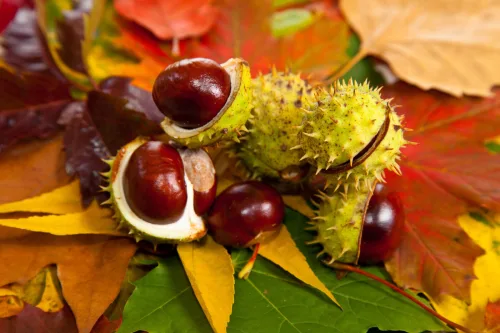
How to tell edible chestnuts from poisonous conkers
Shiny brown “chestnuts” picked in parks are usually horse chestnut conkers, which are inedible and mildly toxic. True edible chestnuts (sweet chestnuts) come from a different tree and are easy to recognise once you know what to look for.
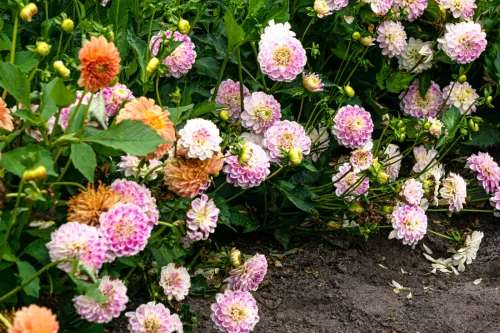
Dahlias need the right care before winter or one mistake can ruin the tubers for good
Dahlias won’t tolerate hard frost or prolonged winter wet, so your overwintering method should match your local conditions. Learn when you can leave tubers in the ground and when lifting and proper storage is essential.
Comments (0)
Be the first to comment.