
 English
 Polski
 Deutsch
 Nederlands
 Svenska
 Norsk
 Dansk
 Français
 Italiano
 Español
 Português
 Slovenčina
 Suomi
 Gaeilge
The flower that looks like a flame, blooms into autumn, and is edible—celosia is still little known
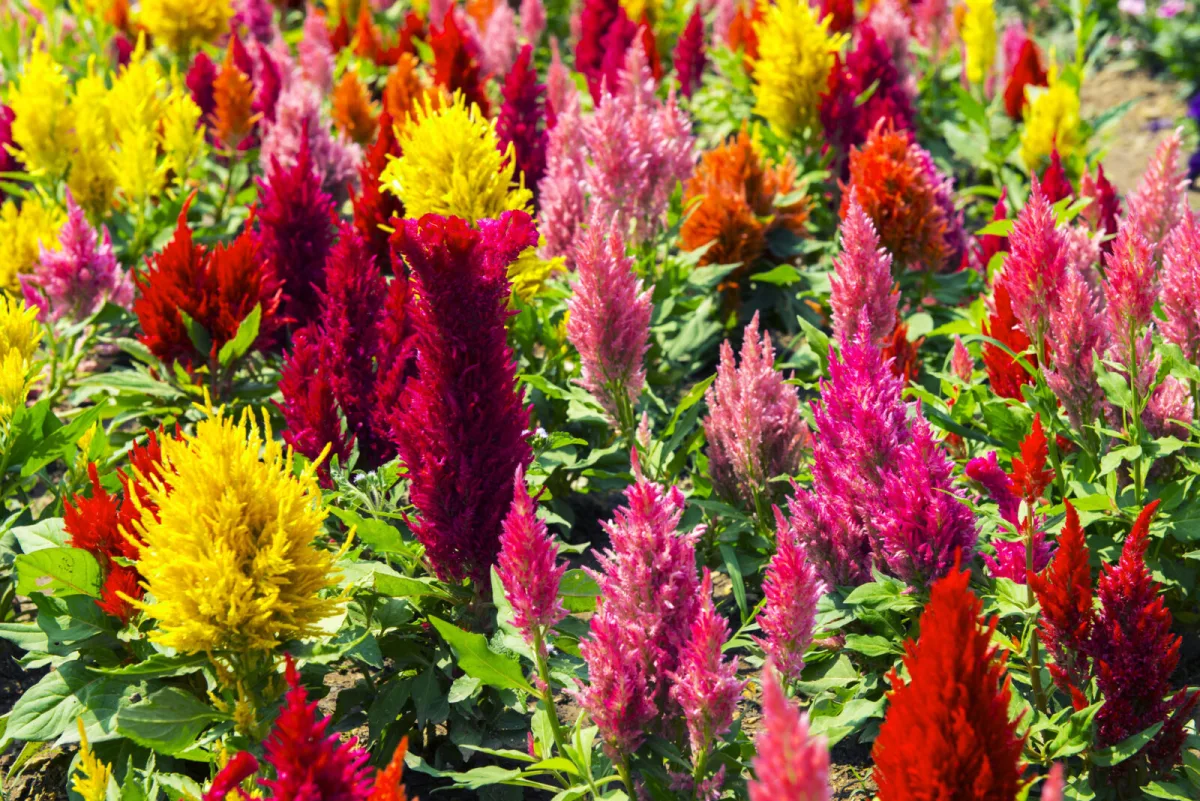
Celosia, often also known as cockscomb, is one of those standout annuals with intensely saturated colours and unusual flower forms. Its name comes from a Greek word meaning “to burn”, which perfectly captures the look of many varieties that resemble flames. The plant originates from warmer parts of Asia, Africa and the Americas, and it’s valued not only for its decorative impact but also for a few practical and traditional uses.
It looks exotic at first glance, yet it isn’t difficult to grow. Given enough warmth, light and free-draining soil, it will flower from summer right into autumn and holds its fresh appearance for a long time.
Symbolism and meaning of the flower
Celosia is associated with perseverance, courage and strength. Its long flowering period makes it a symbol of lasting affection and steadfastness. Its glowing shades of red, orange, pink or gold also suggest energy and prosperity, which is why it often features in festive displays.
Different types can carry more nuanced meanings. Crested forms are linked with admiration and fascination, spiked varieties with loyalty and friendship, while feathery cultivars are commonly seen as symbols of elegance and beauty.
Basic classification
Celosia belongs to the amaranth family (Amaranthaceae). In our climate it’s grown mainly as an annual ornamental, because it copes poorly with cold. In its natural tropical environment, however, it can live for more than one season. The genus includes dozens of species, but in garden use we most often encounter several main groups derived from Celosia argentea.
The best-known types of celosia
Celosia Cristata
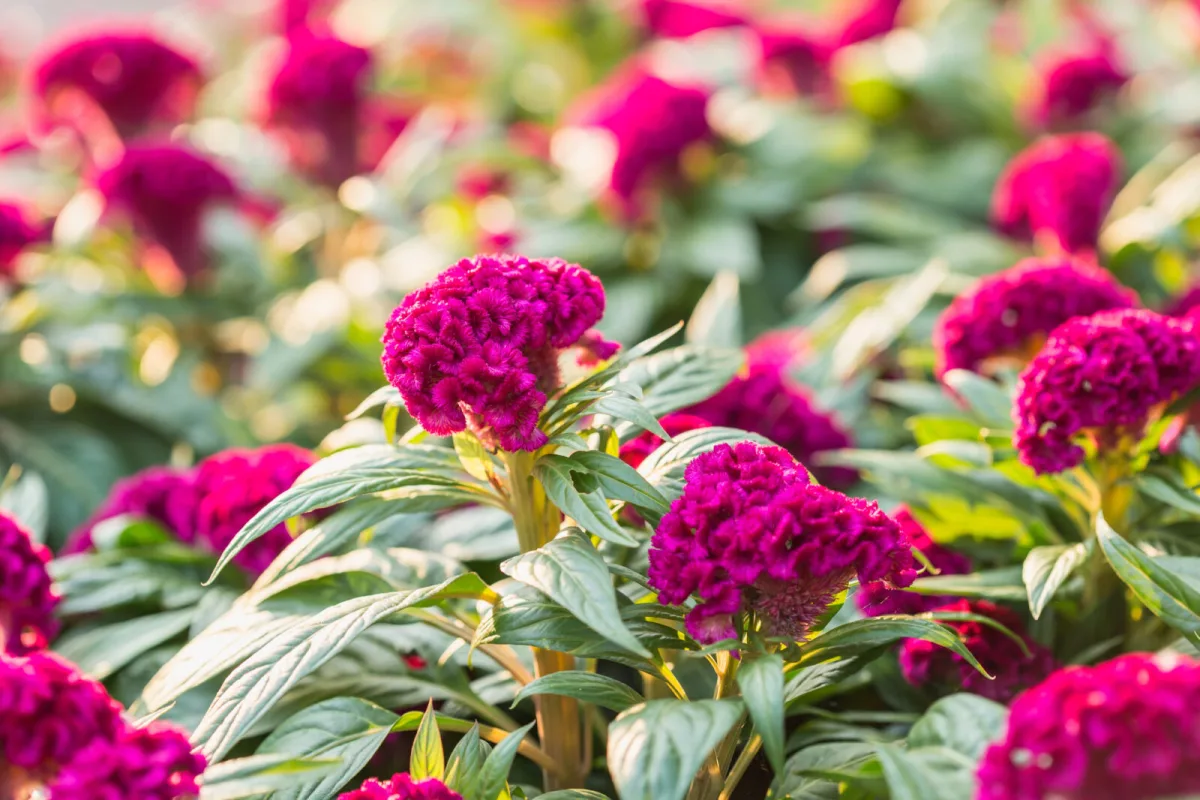
This form is easy to recognise by its rippled flower heads that resemble a cockscomb or coral. It’s very bold and works well in borders as well as containers. It typically grows to about 30–90 cm and needs a sunny position and regular watering without waterlogging.
Celosia Plumosa
Plumed celosia produces soft, upright flower spikes like little flames. It’s a favourite for summer arrangements, window boxes and mixed planting schemes. It’s usually a bit shorter, often 30–60 cm, and flowers very freely in full sun.
Celosia Spicata
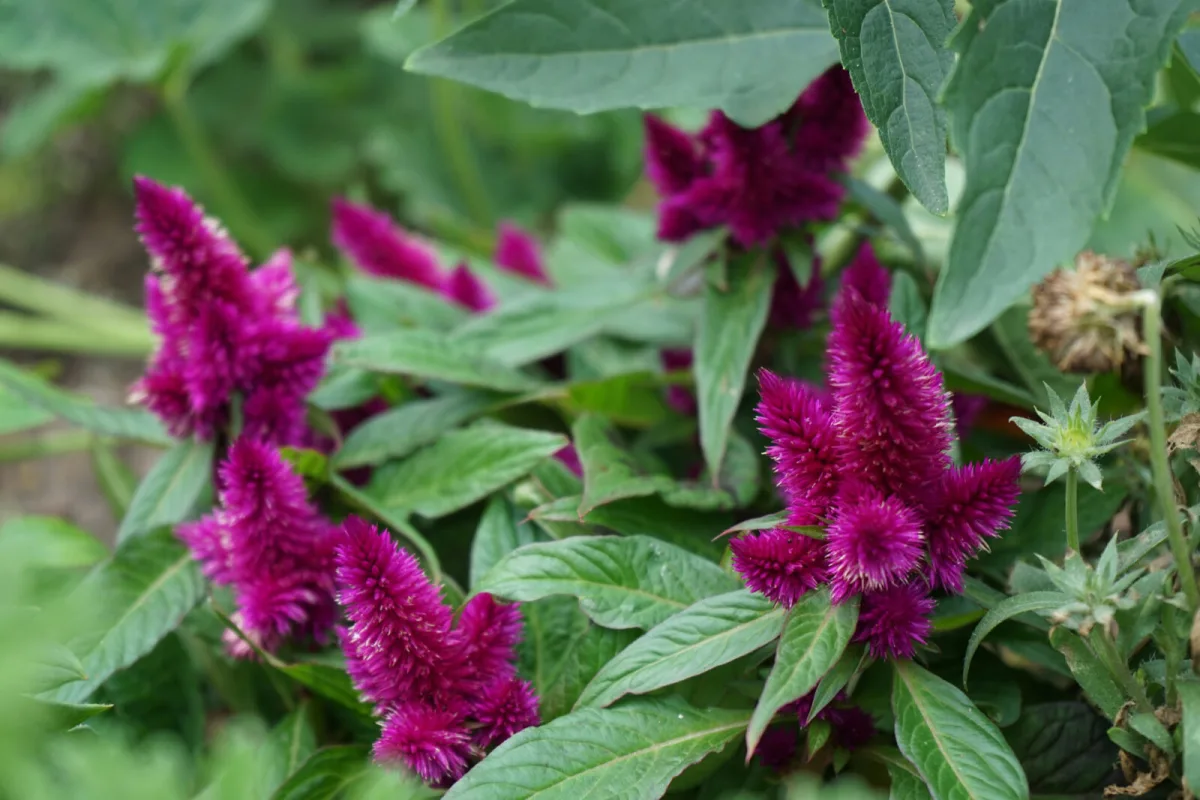
Wheat celosia has elongated blooms shaped like slim spikes. It commonly appears in pink, red or purple shades. It’s also excellent as a cut or dried flower, because it keeps its shape for a long time.
Interesting cultivars and colour variations
The range of celosias is very broad. Growers can choose from compact forms as well as taller ones, with plumed, crested or spiked flowers. Well-known cultivars include Pampas Plume, Ice Cream Pink, Flamma Orange, and Fresh Look Gold and Yellow. Dragon’s Breath has also become popular for its red foliage, along with Tornado Red with its velvety look, or Flamingo Feather with an attractive two-tone effect.
Florists also value the Bombay series with large crested blooms, Sunday Gold in yellow tones, or Kimono Mix, which offers compact plants in various colours suitable for smaller pots and edging.
What conditions celosia needs
Celosia thrives in warmth and grows best in full sun. Ideally, it should receive at least 6–8 hours of direct light a day. In shade it tends to be weaker, produces fewer flowers and loses its compact habit.
Soil should be fertile, slightly moist and, above all, well drained. The plant can handle sandy or loamy soils as long as water doesn’t sit around the roots. Soil reaction can vary from slightly acidic to alkaline.
Watering should be regular, especially after planting and during hot spells. Once it’s well established, it will tolerate short dry periods. Overwatering is a much bigger problem, as it encourages rot and tissue damage.
Feeding helps during active growth. Nitrogen supports leafy growth, while as buds form, a fertiliser with a higher phosphorus content is more beneficial. It’s worth removing spent blooms as you go, because this encourages more flowers to form.
Growing from seed through seasonal care
Celosia can be started from seed indoors. Germination requires higher temperatures, so it’s sown somewhere warm. Once genuinely warm weather settles outdoors, seedlings can be transplanted into beds or pots. Cold and late frosts are dangerous for young plants.
In containers, it’s important to choose a spot with plenty of sun, for example by a south- or west-facing window, or on a balcony or patio. The plant dislikes frequent moving and prolonged cooling. By the end of the season it usually dies back, but you can collect seed for the following year.
Uses in the garden and indoors
Celosia is an exceptionally versatile ornamental. In borders it creates a strong hit of colour, especially when planted in groups or drifts. It looks particularly striking in schemes based on warm tones, where it acts as a vivid, fiery accent.
Lower cultivars are ideal for pots, window boxes and smaller urban gardens. Taller types suit edging and also work as a central focal point. Celosia combines well with plants that have similar needs for light and warmth, such as zinnias or mandevilla.
A major advantage is its use for vases and dried arrangements. Once dried, the flower heads keep their shape for a long time, which is why celosia is popular with florists.
Practical benefits and traditional uses
Celosia isn’t only decorative. In some parts of the world, certain species and varieties are also used in the kitchen. The leaves can be cooked as a leafy green and added to soups, sauces or stews. A form grown specifically as an edible vegetable is especially well known in Africa and East Asia.
The plant is also credited with traditional medicinal effects. Seeds and other parts are used in folk medicine in some regions, particularly for their anti-inflammatory and antioxidant properties. Another benefit is its attractiveness to pollinators such as bees and butterflies, making it a useful addition to productive gardens too.
Most common growing problems
Although it’s a fairly undemanding plant, celosia can still suffer from a few issues. Leaf spots caused by fungi or bacteria are common. Pests can also appear, especially whitefly and spider mites, which weaken growth.
Cold is the biggest risk. As soon as temperatures drop or frost arrives, the plant declines quickly. Waterlogging is also dangerous and can lead to grey mould and rotting. Celosia also copes poorly with high salt levels in soil or irrigation water, so it’s worth paying attention to the quality of both water and compost.
Why make room for celosia in your garden
Celosia combines an unusual look with long flowering and easy care. It offers a rich range of shapes and colours, suits modern and traditional plantings alike, and can also serve as a cut or dried flower. Give it warmth, sun and free-draining soil, and it will reward you with a bold, long-lasting display that brightens any outdoor space as well as the home.
Source: Abode Look, The Spruce , Pestrazahrada.cz

A nurse by profession, she is passionate about healthy living, nature, and everything that benefits both people and the world around them. In her free time, she enjoys gardening, cooking, sewing, and caring for her family. In her articles, she loves combining professional expertise with practical experience from the garden and everyday life.
Related articles

Feed Blueberries in Autumn with a Homemade Mix That Ferments for a Few Weeks and Shows Results in Spring
If you want your blueberries to flower and fruit more heavily next year, try a simple homemade feed made from stale bread and used coffee grounds. Left to ferment for a few weeks, it can gently support soil life and the root zone going into winter.
Stonecrop is the easiest perennial for lazy gardeners but one common mistake ruins it
Stonecrop (Sedum) is a tough, drought-tolerant perennial, but it isn’t indestructible. Give it sun and sharply draining soil, and avoid overwatering to keep it compact and floriferous.
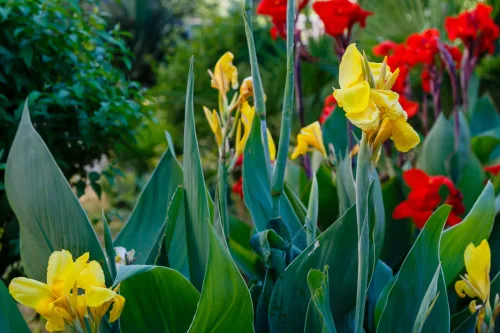
Lift cannas for winter: mistiming can ruin them and one extra week can decide next season
Cannas are spectacular summer plants, but in colder regions their rhizomes won’t survive hard frost in the ground. Lift them at the right moment, dry them properly, and store them cool and dry for replanting in spring.
Comments (0)
Be the first to comment.