
 English
 Polski
 Deutsch
 Nederlands
 Svenska
 Norsk
 Dansk
 Français
 Italiano
 Español
 Português
 Slovenčina
 Suomi
 Gaeilge
How Much Water Does a Hen Drink in a Day The Number Surprises and Doubles in Summer A Pale Comb Is a Warning
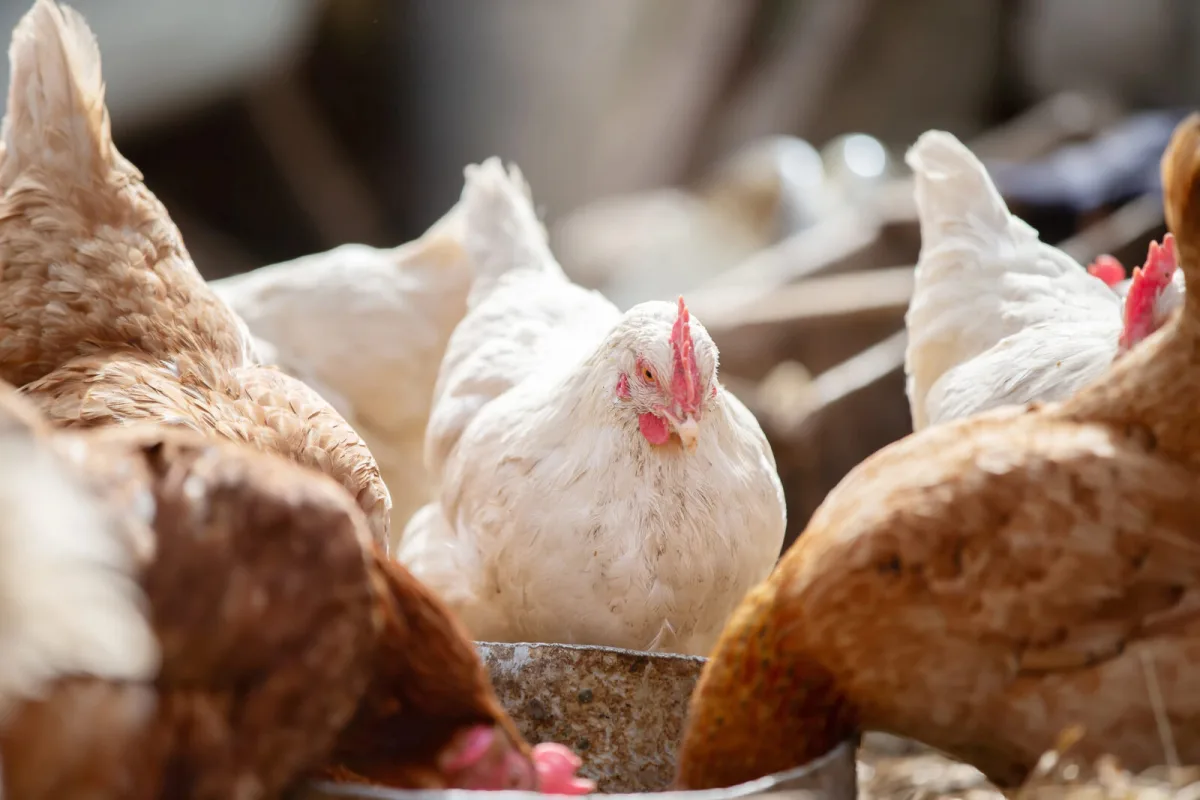
A steady supply of clean, fresh water is one of the most important requirements for the good health of any flock. Without water, hens quickly lose condition, eat less feed, lay fewer eggs and, in extreme cases, can even die. Water is essential for digestion, nutrient absorption and maintaining the right body temperature, especially during warm days.
An adult hen typically drinks around 500 ml of water a day. Young chicks use less; for example, a roughly 30-day-old chick needs about 150 ml per day. These figures are not fixed, however. Actual water needs vary with weather, age and the make-up of the feed ration.
What affects daily water intake
Age of the flock
Young chicks drink less than adult laying hens or meat birds, but they still need constant access to water. As they grow, their intake gradually increases. In larger flocks, a simple rule of thumb is sometimes used: a chicken drinks roughly 5.28 ml of water for each day of its age. For a 30-day-old bird, that works out at about 158 ml per day.
Weather and temperature
In hot weather, water requirements rise sharply. During summer heat, hens may drink up to twice their usual amount, because water helps them cool their bodies. In cooler periods, intake is lower, but drinking water must never be missing even then.
Feed composition
Drinking habits are also influenced by what hens are getting in the feeder. Feeds with a higher salt or protein content generally lead to higher water intake. As a general guide, hens drink about 1.6 to 2 times as much water as the amount of feed they consume.
How to recognise a lack of water
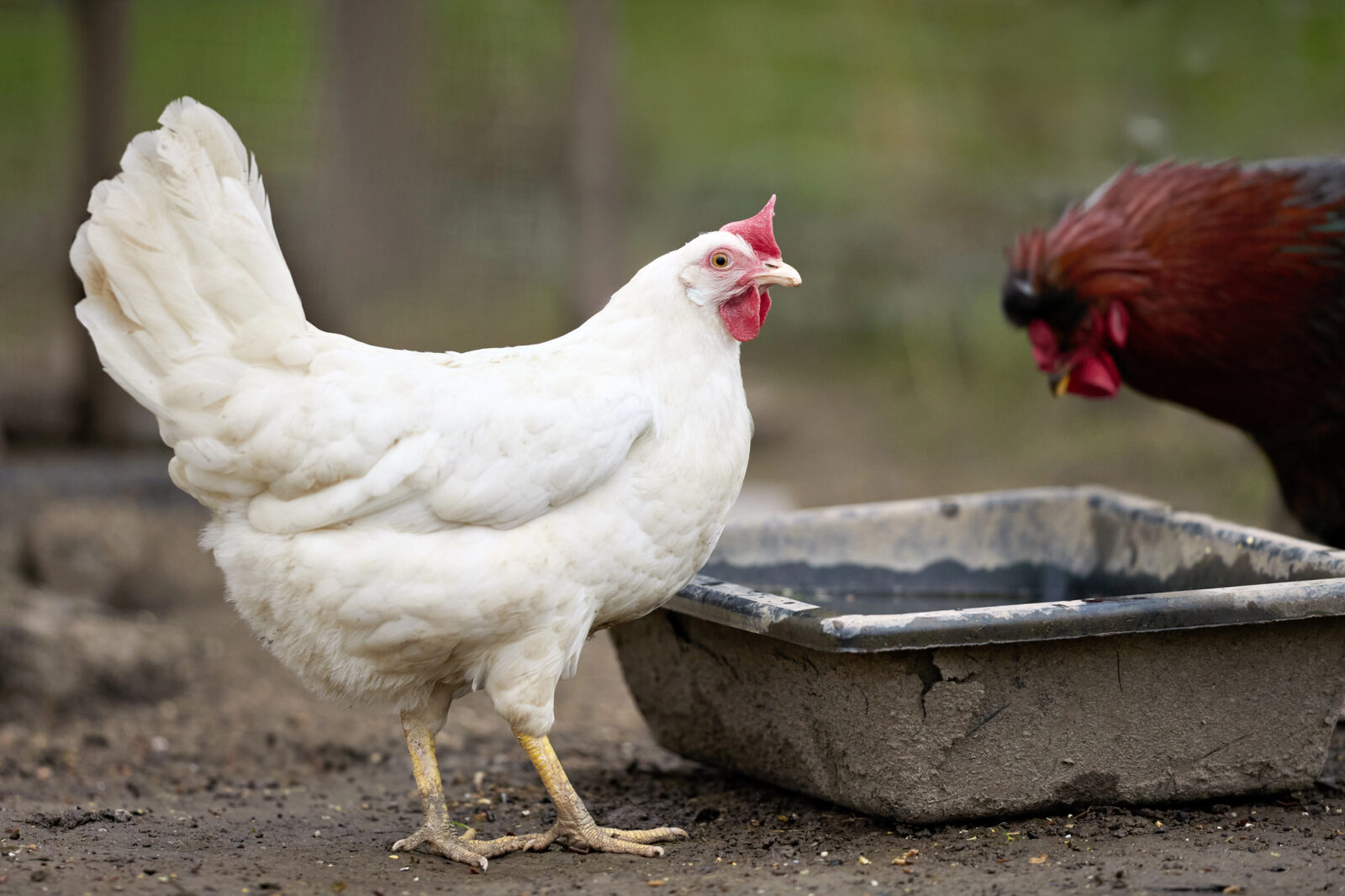
Dehydration can show up in several ways. A warning sign is laboured breathing or rapid panting, which is often linked to overheating. Other symptoms include paler combs and wattles, reduced activity, tiredness or a drop in appetite. Lower feed intake then makes the whole problem worse.
A lack of water soon shows in performance too. Laying hens may produce fewer eggs and shell quality deteriorates. A weakened bird is also more prone to disease, and in high temperatures the risk of heat stress increases.
How to ensure hens have constant access to water
The simplest solution is a reliable watering system that keeps water clean and available all day. Automatic drinkers reduce labour because they do not need topping up by hand as often. They also help limit contamination from droppings, litter or dust and often reduce waste.
It is important that every bird can reach the water easily. Drinker height must match the size of the flock, and in larger set-ups you need enough drinking points. If some birds are left without access, they can quickly fall behind.
Supporting water quality and overall condition
Beyond the amount of water, its quality matters too. Clean, debris-free water and regularly maintained drinkers are the foundation. Some keepers also add natural supplements to the water, such as apple cider vinegar with garlic, which may support digestion and immunity. Well-chosen mineral supplements can help top up key vitamins and minerals and contribute to strong bones and overall flock vitality.
Tracking intake as a simple health indicator
Regularly checking how much the flock drinks can reveal a problem early. Water consumption should increase as birds grow. If it does not, or if intake stays the same for more than a day or two, it is worth looking for the cause.
A sudden drop in water consumption often points to a technical fault, a change in conditions or the start of a health issue before any other symptoms appear.
What to check if there are watering problems
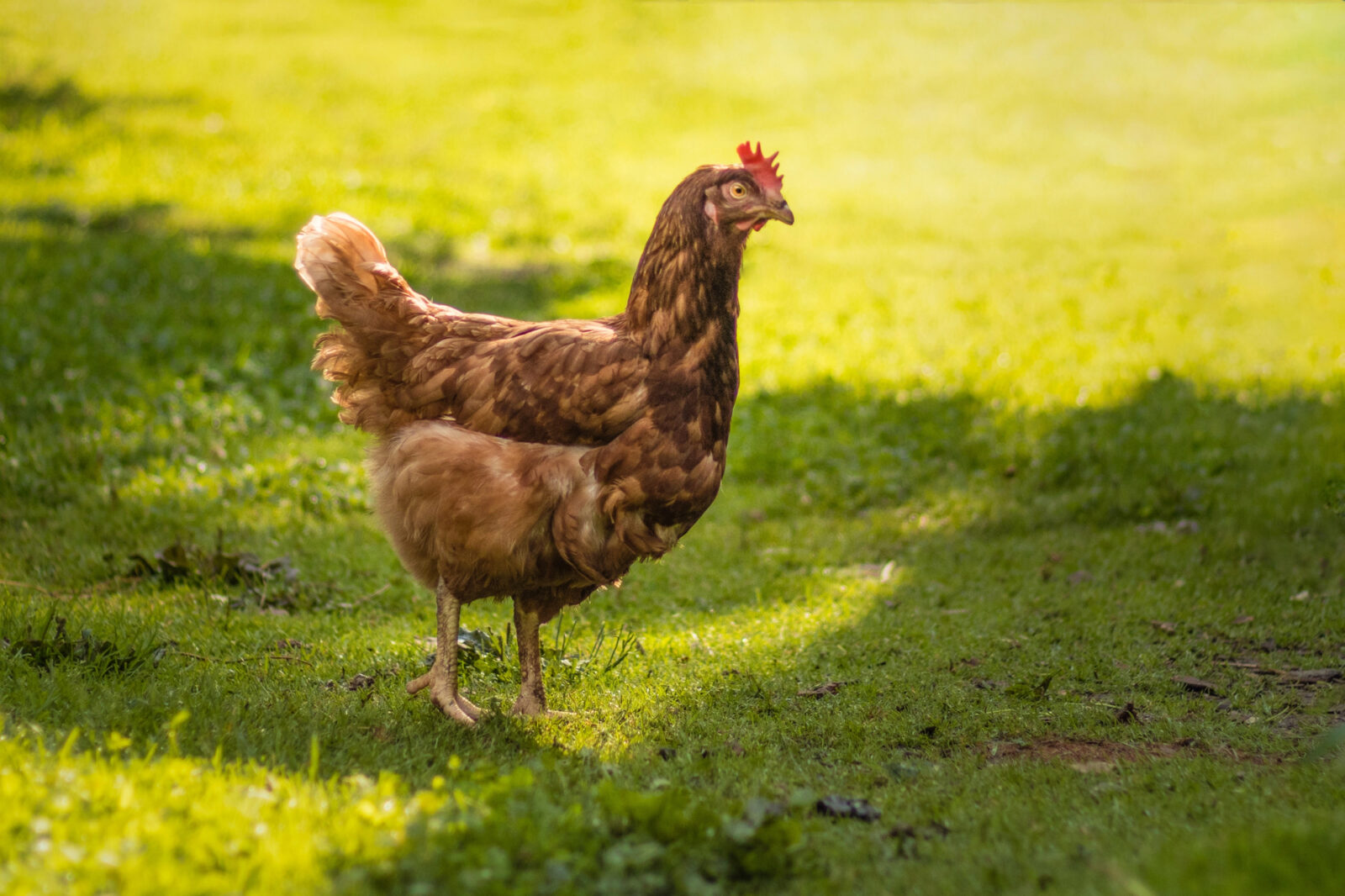
First, make sure the hens have comfortable access to water and that drinkers are positioned at the correct height. Then check flow rate, any blockages, air locks in the system and correct water pressure. Filters and the drinking components themselves need cleaning, because even a small build-up can restrict water supply.
Consumption can also be affected by changes in lighting, day length or a sudden switch of feed. If the hens are also eating less, you need to monitor their health closely. Sick birds often drink less and need prompt attention.
Proper watering as the foundation of successful chicken keeping
Keeping chickens is much easier when the birds always have plenty of clean water available. A typical adult hen needs about half a litre a day, but in summer the amount can be significantly higher. Anyone who monitors water intake, looks after water cleanliness and uses an appropriate watering system gives their flock the best conditions for health, good laying and overall welfare.
Source: Dine-a-Chook, Chicken Backyard, Pestrazahrada.cz

A lover of nature, gardens, and everything that moves, blooms, or grows. He literally grows everything, from herbs to rare species, and he enjoys caring for animals just as much. In his work, he connects modern technology with tried-and-tested grandmotherly methods and is happy when both paths lead to the same goal.
Related articles
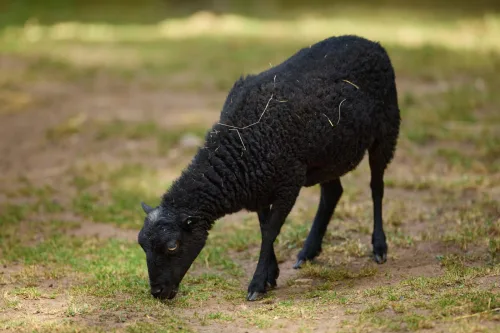
You Can Swap Your Lawn Mower for Sheep
If mowing the lawn is wearing you out, a few small sheep breeds can keep grass in check naturally. Ouessant, Cameroon (Djallonké) sheep and Skudde are hardy, relatively low-maintenance options for small-scale keeping.
Hens Stop Laying in Winter Because of Feed Many Keepers Think Is Ideal Grain Alone Isn’t Enough
Egg production often drops in autumn and winter, but it doesn’t have to collapse. The key is a balanced layer ration, unfrozen water, adequate light, and a calm, dry coop rather than relying on grain alone.
Snakes Overwinter Under Sheds and in Compost Heaps, There’s No Need to Fear Them and Their Work Is Priceless
When the weather turns cold, snakes don’t disappear from the landscape—they simply retreat to frost-safe shelters to ride out winter. In a garden, that may be under a shed, in a stone wall, or even in a compost heap, where they remain valuable allies against rodents and other pests.
Comments (0)
Be the first to comment.