
 English
 Polski
 Deutsch
 Nederlands
 Svenska
 Norsk
 Dansk
 Français
 Italiano
 Español
 Português
 Slovenčina
 Suomi
 Gaeilge
How to tell edible chestnuts from poisonous conkers
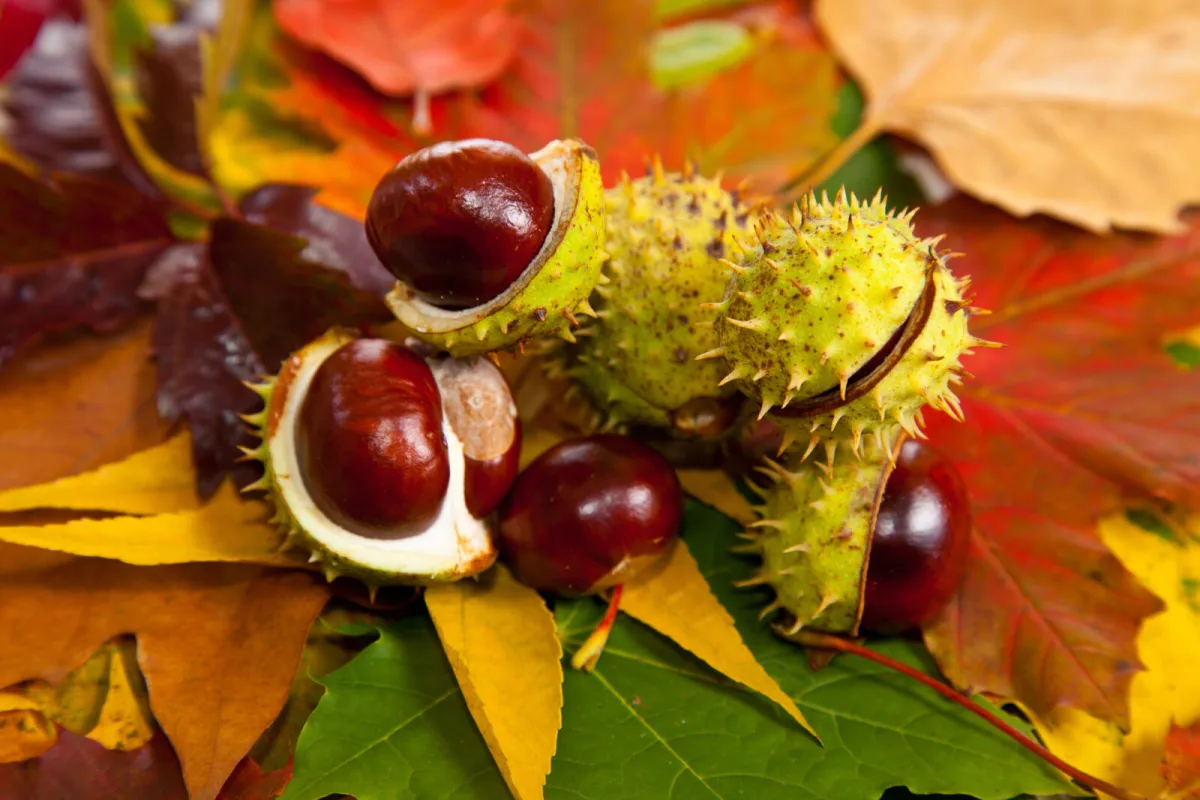
An autumn stroll through the park practically invites you to collect shiny brown “chestnuts”. Few people realise, though, that what we commonly call a chestnut is actually the fruit of the horse chestnut, which is inedible for humans and mildly poisonous. True edible chestnuts, also known as sweet chestnuts, grow on a completely different tree, the sweet chestnut. At first glance the fruits look similar, but with a little attention you can reliably tell them apart.
Two trees that have nothing in common
Although both fruits are popularly called chestnuts, the trees they grow on are not related at all. The sweet chestnut (Castanea sativa) belongs to the beech family, like beech or oak. It originates from southern Europe and Asia Minor, and here it grows mainly in warmer areas, in gardens, orchards and, in some places, even in the wild.
The horse chestnut (Aesculus hippocastanum), by contrast, belongs to the soapberry family. It comes from the Balkans and in the Czech Republic it is one of the most common trees in parks, avenues and town squares. That’s why we encounter its fruits far more often, and why most “chestnuts” children bring home in their pockets are inedible.
The spiky husk tells you the most
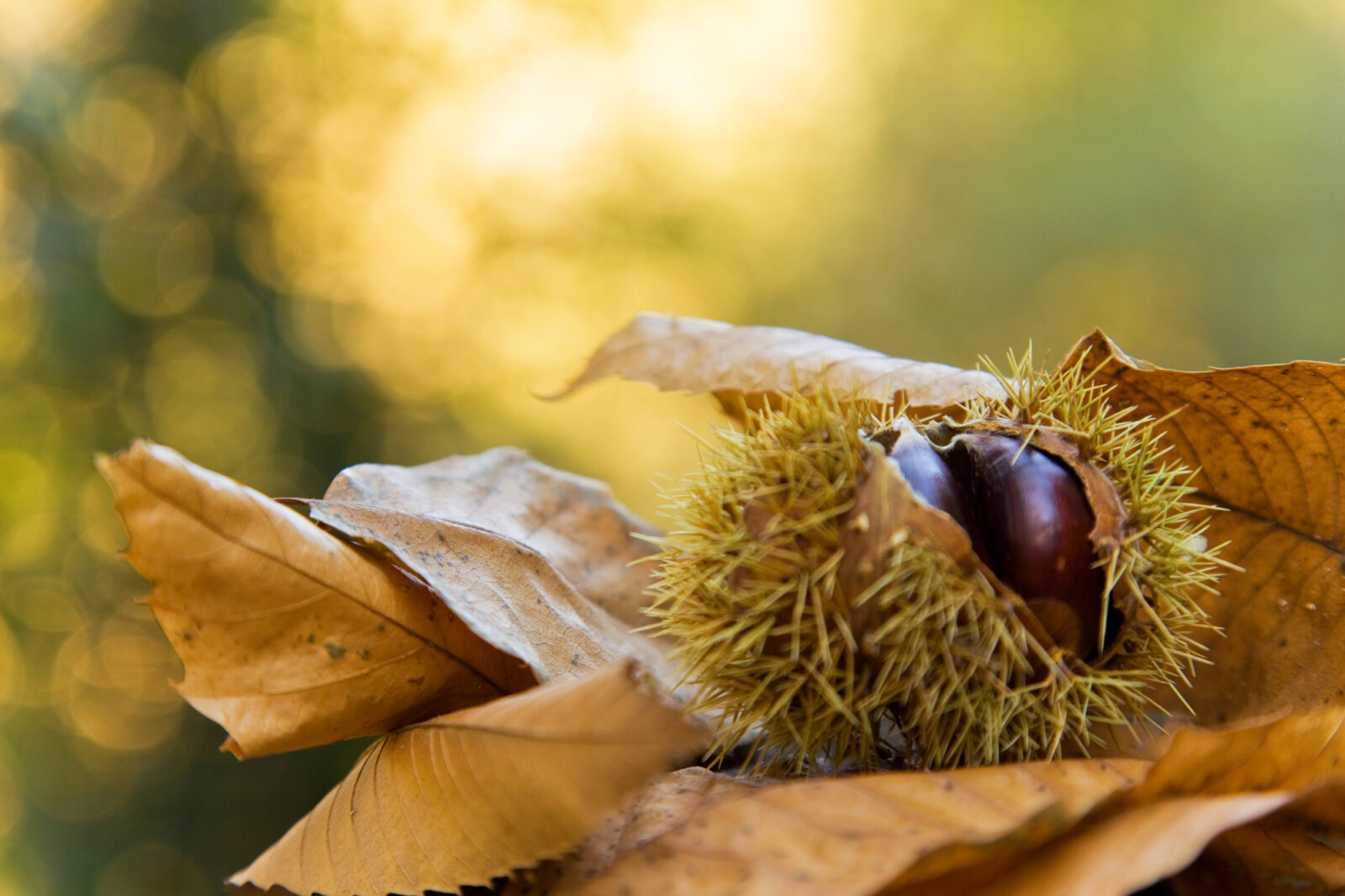
The easiest distinguishing feature is there even before you shell the nut. The husk of an edible chestnut is densely covered with long, thin and very sharp spines. It looks like a green, later brown hedgehog, and it’s almost impossible to handle it with bare hands.
The horse chestnut husk is different. It’s green and leathery, with only sparse, short and thick spikes, so it looks more warty than spiky. You can pick it up without worry, and when it hits the ground it often splits open on its own.
The number of fruits inside differs too. A sweet chestnut husk usually contains two to three nuts pressed together. A horse chestnut usually has just one fruit, occasionally two.
Fruit shape and a little tip
An edible chestnut is smaller, flattened on one or both sides and tapers towards one end. At the top you’ll find a tiny hairy tuft or tip, the remnant of the stigma from the spent flower. The skin is dark brown and glossy, with only a smaller pale patch at the base.
A horse chestnut conker is larger, regularly round and completely smooth. It has no tip. It typically has a large dull pale patch that takes up a noticeable part of the surface.
The quickest rule is this. If the nut has a tip and a hedgehog-like husk, it’s edible. If it’s round, tipless, and has a large pale patch, it’s a horse chestnut.
Leaves and flowers help all year round
You can identify the tree even outside the fruiting season. Sweet chestnut has simple, long and narrow leaves with a distinctly toothed, serrated edge. Horse chestnut has leaves palmately divided into five to seven leaflets that radiate from one point and resemble an open hand.
The flowers differ as well. Horse chestnut blooms in May, with white flower clusters that stand upright on the branches like candles. Sweet chestnut blooms later, in June and July, producing long creamy-yellow catkins with a strong scent. The fruits of both trees ripen from September to October.
Why you shouldn’t eat horse chestnuts
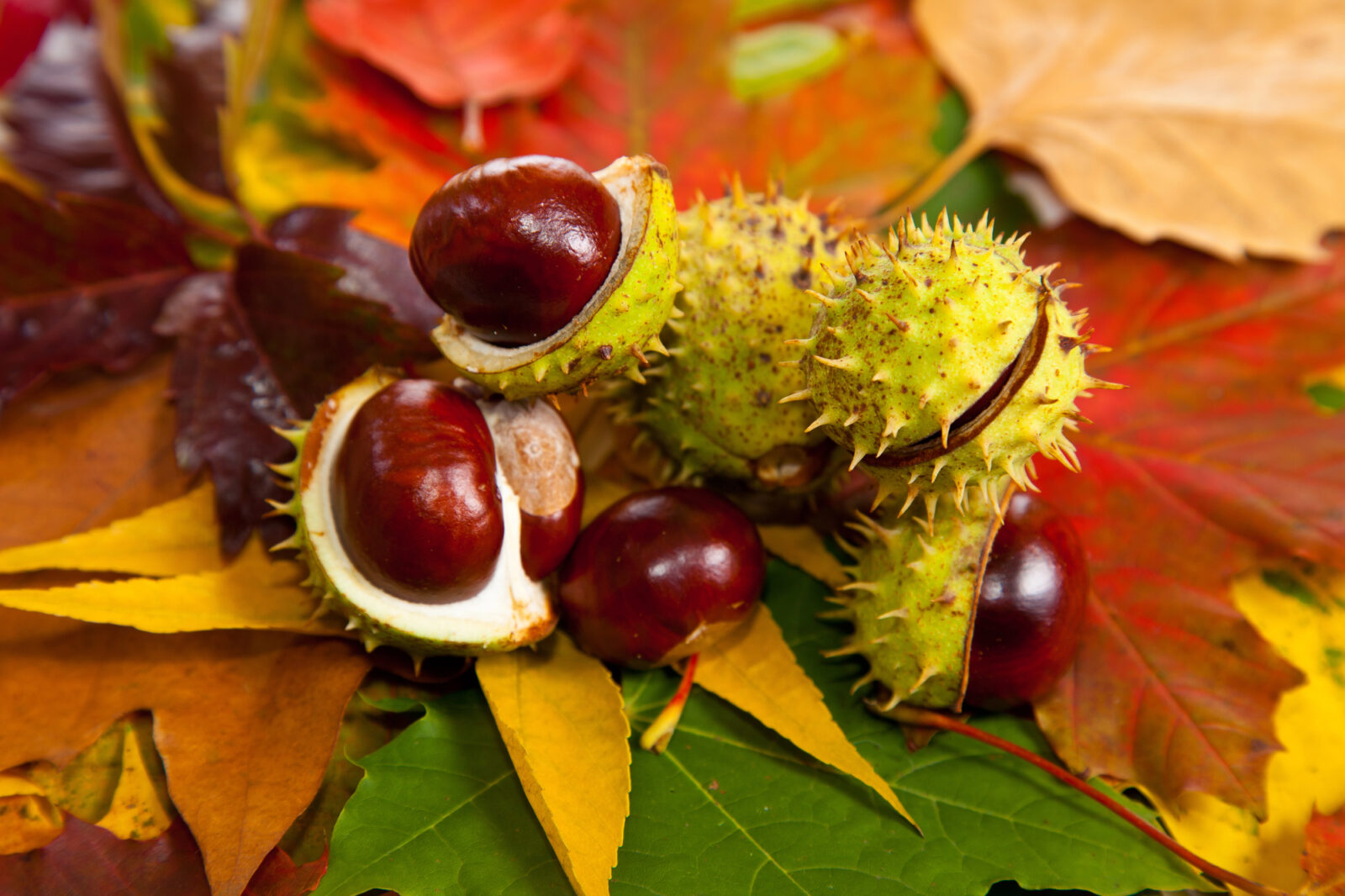
Horse chestnut fruits contain the saponin aescin and other compounds that irritate the digestive tract. After eating them, nausea, vomiting, diarrhoea and abdominal pain may occur. Cooking does not remove their harmful effects, so horse chestnuts are not suitable either raw or roasted. Extra care is needed with small children and also with dogs, which often like to chew the fruits during play.
That said, horse chestnuts are not useless. Extracts are used in cosmetics and in products to support vein health, and they are also collected as feed for forest wildlife.
How to prepare edible chestnuts
True chestnuts are tasty, sweet and floury. Before roasting, you need to cut a cross in the skin on the rounded side, otherwise they will burst in the oven. Roast them for about twenty to twenty-five minutes at around 200 °C, until the skin starts to open along the cut. They peel best while still warm. Besides roasting, you can also boil them, add them to stuffings and soups, or turn them into purée and sweet spreads.
If you’re not sure what you’ve collected, there’s a simple rule. Don’t eat any nut unless you’re 100% certain of the species. In autumn, edible chestnuts are commonly sold at markets and in shops, with a reliable origin.
Source: Surrey WT, Anses, Pestrá zahrada, Pestrazahrada.cz

A lover of nature, gardens, and everything that moves, blooms, or grows. He literally grows everything, from herbs to rare species, and he enjoys caring for animals just as much. In his work, he connects modern technology with tried-and-tested grandmotherly methods and is happy when both paths lead to the same goal.
Related articles
Dahlias need the right care before winter or one mistake can ruin the tubers for good
Dahlias won’t tolerate hard frost or prolonged winter wet, so your overwintering method should match your local conditions. Learn when you can leave tubers in the ground and when lifting and proper storage is essential.
Burning Leaves in the Garden Is No Longer Allowed in Czechia
Since 1 March 2025, burning garden waste is banned across the Czech Republic, and even notifying the fire brigade does not make it legal. Here’s what is still allowed, what fines you risk, and what to do if smoke from a neighbour is bothering you.
Mice Look for a Way Indoors in Autumn, Stop Them with a Cheap Trick Without Chemicals or Traps
As temperatures drop, mice start searching for warm, dry shelter—and your home is an easy target. A simple barrier made from ordinary aluminium foil can make key entry routes uncomfortable enough to discourage them.
Comments (0)
Be the first to comment.