
 English
 Polski
 Deutsch
 Nederlands
 Svenska
 Norsk
 Dansk
 Français
 Italiano
 Español
 Português
 Slovenčina
 Suomi
 Gaeilge
Saffron Costs More Than Gold and Will Grow in a Czech Garden, but You Need 200 Flowers for a Single Gram
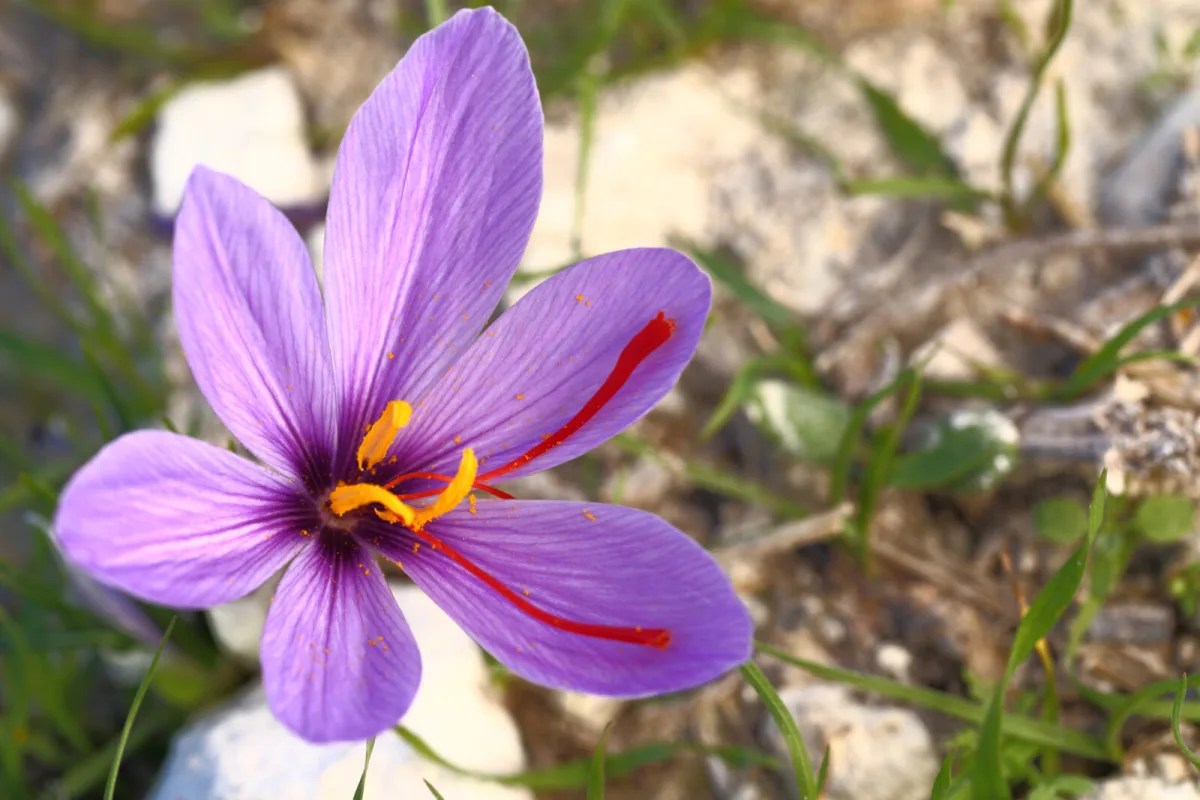
Saffron ranks among the most valuable spices in the world, and its high price is no accident. Behind a small amount of dried spice lies a huge amount of manual work, careful picking, and demanding drying. In Czech conditions it is typically sold for about 500 to 1,000 crowns per gram, while top quality can climb much higher. In larger volumes, values then reach into the hundreds of thousands up to a million crowns per kilogram.
Growing it is neither easy nor quick
Although saffron tempts with the prospect of a high return, it isn’t a crop you can grow without experience and commitment. It’s not enough to simply like the spice or have a fondness for flowers. Saffron crocus needs a suitable climate, well-prepared soil, and above all plenty of space. On top of that comes a time-consuming harvest that is practically impossible without hand work.
It does best in regions with subtropical to temperate conditions. Temperatures around 15 to 20 °C suit it well. Equally important is a nutrient-rich sandy loam that also drains well. Before planting, it’s worth enriching the soil with well-rotted organic fertiliser so the corms get the best possible start.
How many flowers you need for a single gram
What’s most striking about saffron is the ratio between the work involved and the final yield. To obtain just one gram of dried spice, you need roughly 150 to 200 flowers. That’s why it’s also demanding in terms of growing area. Around 50 corms can fit into one square metre, typically spaced 10 to 15 cm apart, but for any meaningful production you still need a larger plot.
The value of saffron doesn’t come only from rarity, but mainly from the enormous share of hand labour during harvesting and processing.
From planting to harvest
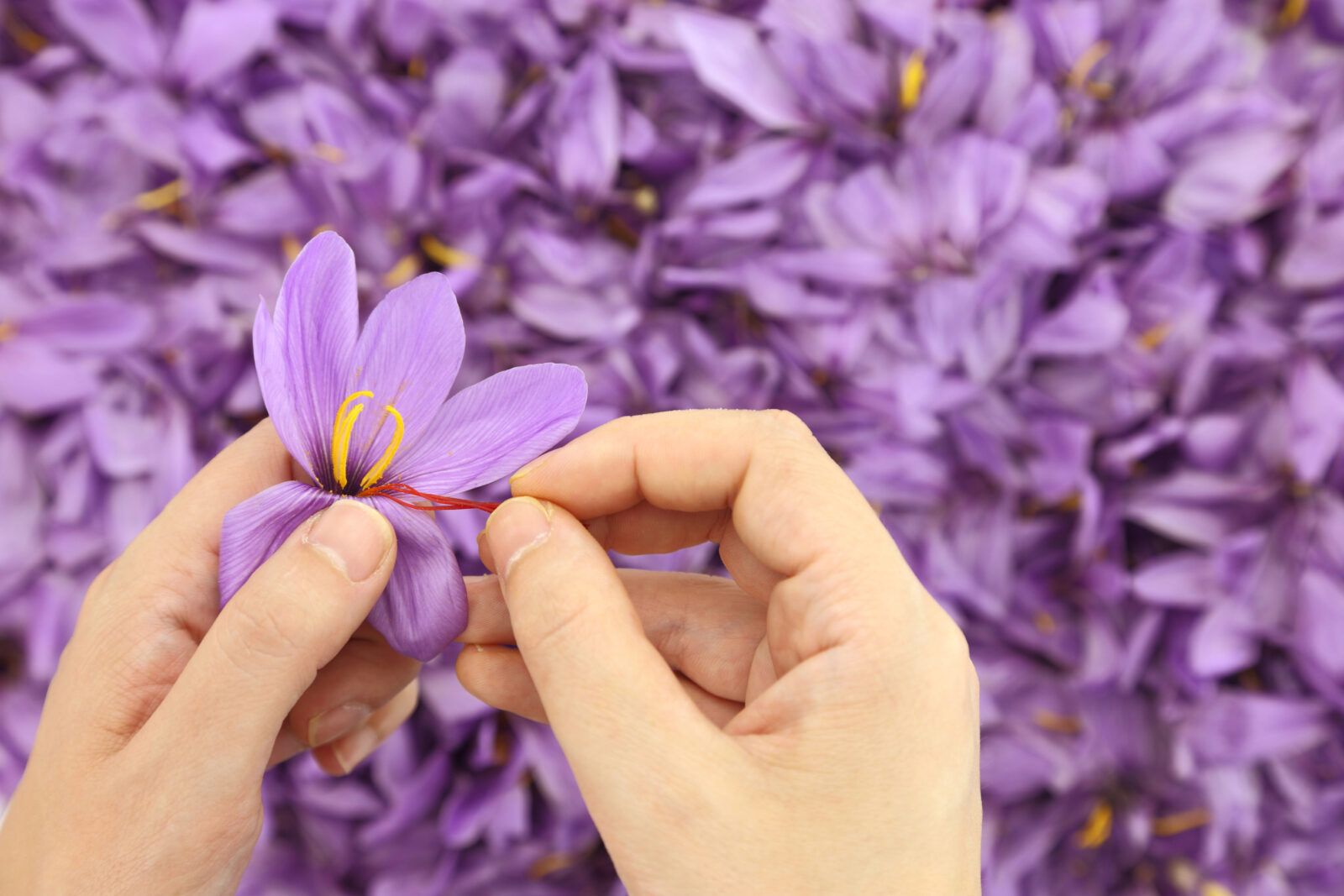
Corms are most often planted at the end of summer. During the growing season, the plants need moderate, regular watering. The flowers appear in autumn, and that is when the most important stage arrives. Each flower must be picked by hand, and three red stigmas carefully removed from the centre—the part that, once dried, is used as the spice. These delicate threads are then left to dry on paper or cloth and only afterwards stored in a container.
Quality also determines the price
Not every saffron is of the same value. The final price depends on colour, fragrance, flavour, purity, and the ability to colour food intensely. Expert evaluation also tracks the content of compounds that give the spice its typical characteristics. Crocin influences colour, picrocrocin is linked to taste, and safranal creates the characteristic aroma. In professional production, quality is also assessed in laboratories according to international standards.
Where saffron thrives most
The main global producer is Iran, which supplies most of the world’s harvest. Significant and highly regarded amounts also come from Spain, Kashmir, and Afghanistan. Those are precisely the places where conditions are naturally favourable for this plant. In these regions, saffron can be an appealing side income or even a main source of earnings.
Is it worth trying at home?
For home growers, saffron can be an interesting experiment, but more for your own kitchen than as a quick route to profit. Anyone who wants to try should start small and confirm they can provide suitable conditions. Even a few home-grown flowers can be rewarding—and show why this spice has been prized for centuries.
Source: RHS, Kasmiril, Pestrá zahrada, Pestrazahrada.cz

A lover of nature, gardens, and everything that moves, blooms, or grows. He literally grows everything, from herbs to rare species, and he enjoys caring for animals just as much. In his work, he connects modern technology with tried-and-tested grandmotherly methods and is happy when both paths lead to the same goal.
Related articles
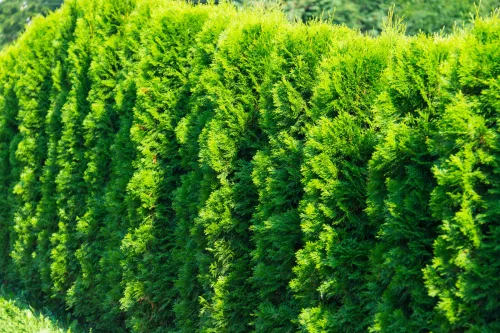
Cutting Down Thuja in Your Own Garden May Not Pay Off Without a Permit You Could Face a Fine of Tens of Thousands
Many homeowners assume they can remove trees and mature thuja on their own land freely, but Czech rules can still require official consent. Getting it wrong can mean a substantial fine.
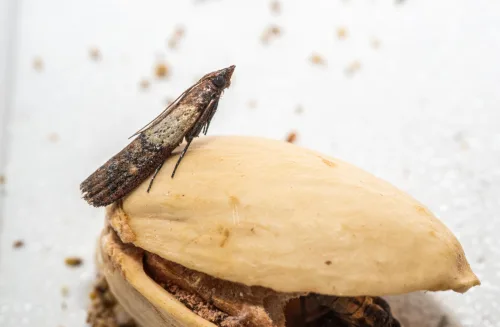
Pantry Moths Won’t Be Wiped Out by Vinegar or Bleach
Finding pantry moths in flour or cereal is unpleasant, but it’s usually fixable without drastic measures. The key is to locate the source, discard infested foods, and clean and store staples so the moths can’t return.
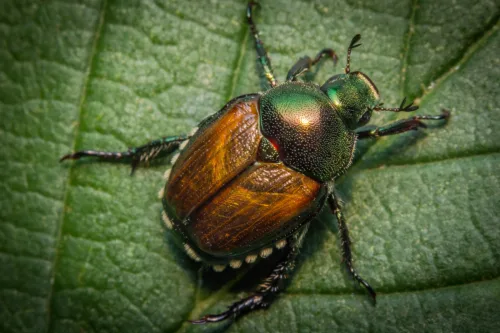
An invasive pest is reaching Czechia it can devour hundreds of plant species and has no natural enemies here and the tell-tale sign is white spots
The Japanese beetle is an invasive pest spreading into Czechia, capable of damaging gardens, orchards and ornamental plantings. Learn how to recognise it and what to do at the first signs of feeding damage.
Comments (0)
Be the first to comment.