
 English
 Polski
 Deutsch
 Nederlands
 Svenska
 Norsk
 Dansk
 Français
 Italiano
 Español
 Português
 Slovenčina
 Suomi
 Gaeilge
The Most Overlooked Shrub in the Czech Landscape Sloe Feeds Bees Shelters Birds and Bears Fruit Few People Know
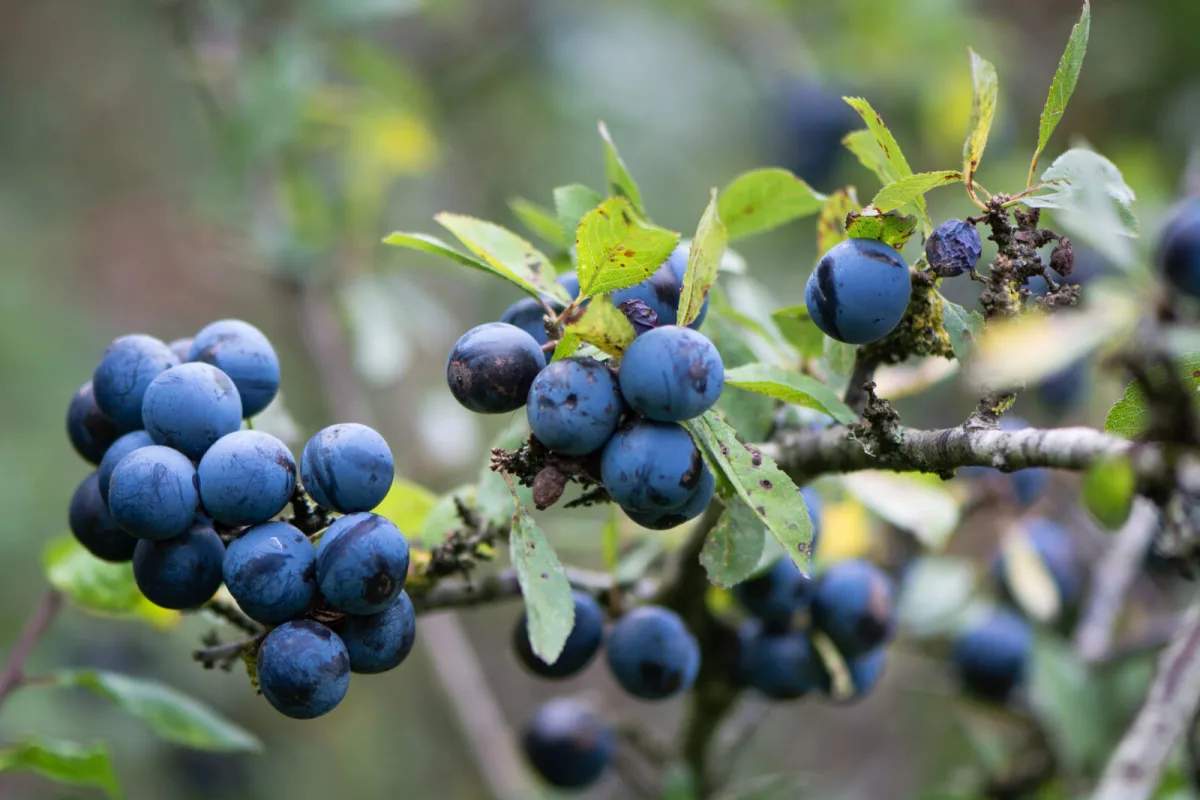
Blackthorn (sloe) is one of those unobtrusive woody plants you often only notice in autumn, when its dark, bloom-dusted fruits ripen. They have a sharp, astringent bite, so they are not the sort of fruit you reach for without thinking. Even so, it is a shrub with real value for nature, the kitchen, and traditional folk medicine. You’ll find it along field margins, woodland edges, and sunny slopes, where it forms dense, hard-to-penetrate thickets.
What blackthorn looks like and where it thrives
Most commonly it grows as a strongly branched shrub reaching a few metres tall. Its hallmark is the sharp thorns, which are actually shortened side shoots that have hardened into spines. In spring, often before the leaves have even opened, it becomes covered in small white flowers. These bloom from March to April and carry a delicate, almond-like scent. The fruits ripen in September and October; the flesh is greenish-yellow and clings tightly to the stone.
Blackthorn prefers sunny positions, stony banks, and drier soils. It copes well with frost and with limited moisture, and in the Czech countryside it is most often seen in lowland and mid-altitude areas. Thanks to abundant root suckers, it spreads quickly and helps stabilise slopes and disturbed ground.
A safe refuge for birds and early-season help for insects
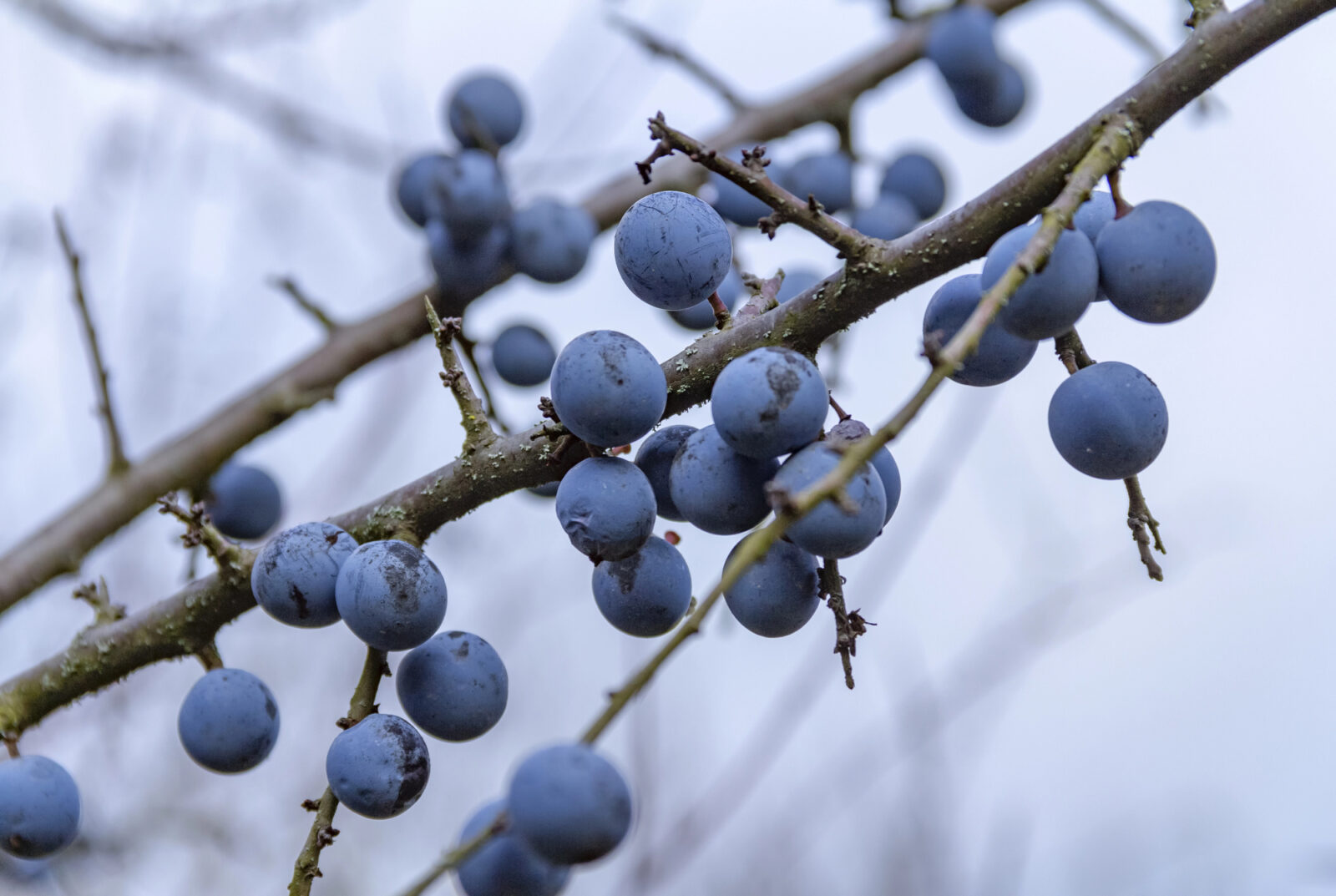
Dense blackthorn thickets are of major ecological importance. They provide cover for small wildlife, and for birds they offer a safe place to nest. Birds, in turn, help spread the shrub further. In early spring, when there is still little food in the landscape, blackthorn blossom is an important source of nectar for bees. Certain butterfly species are also associated with it, so it is far more than just an ordinary prickly shrub; it is a valuable part of the natural environment.
In the past, blackthorn was also planted as a natural boundary between plots, because its thorny branches reliably prevented passage.
Fruits and flowers for home processing and wellbeing
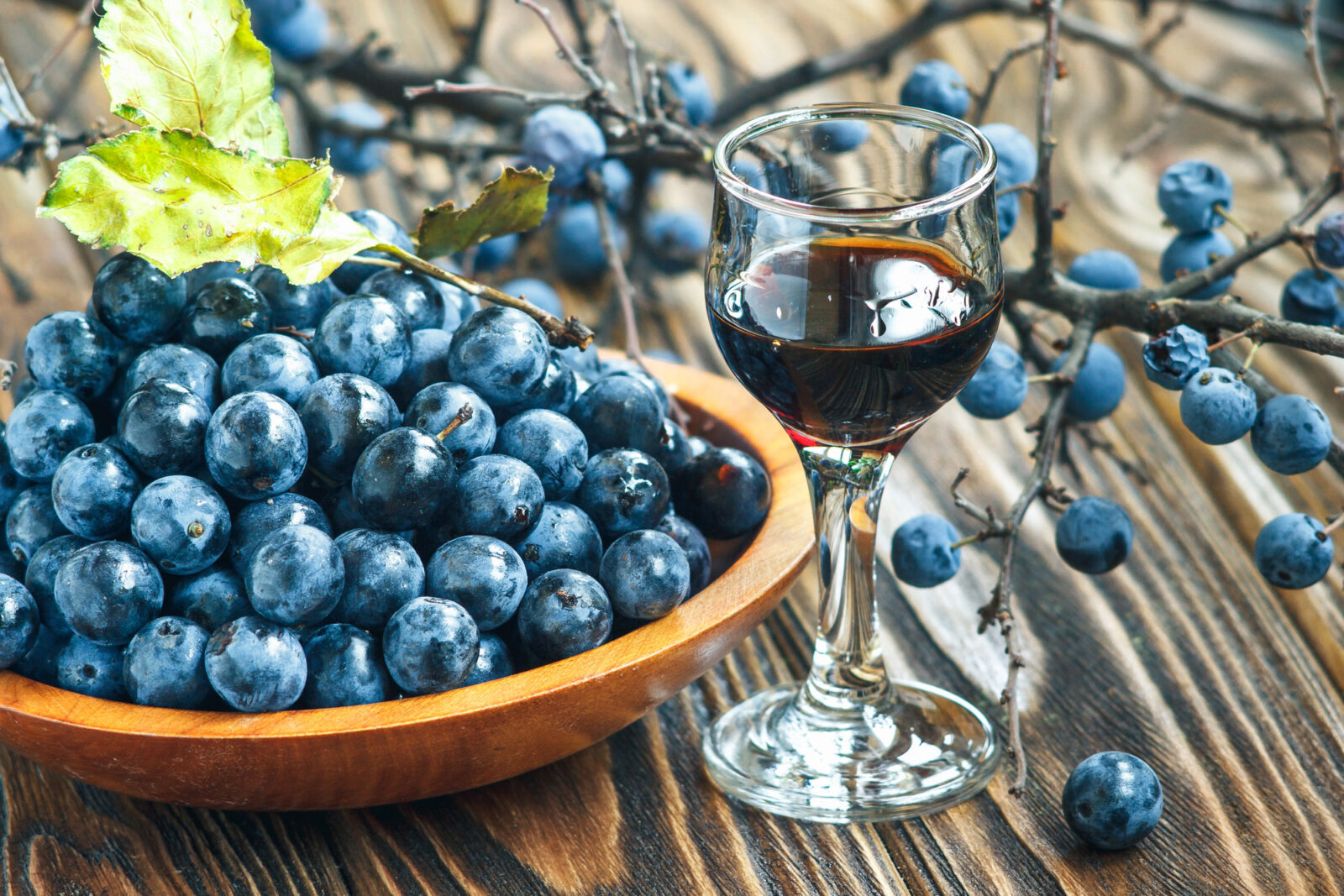
The fruits are known for their high tannin content, which is what gives them their pronounced astringency. After they have been hit by frost, however, they lose some of that harshness and become more palatable. That is when they are most often harvested. They are suitable for compotes, jams, fruit butters, syrups, and homemade liqueurs. They are also made into wine or spirits, and in some places they are pickled much like olives. Dried fruits can be added to tea blends.
Folk medicine valued not only the fruit, but also the flowers. These were used in herbal teas, especially for urinary tract complaints, digestion, or as a mild laxative. The fruits contain vitamin C and were also associated with supporting the heart and circulation. In the past, the leaves were used as a tea substitute as well.
An old shrub wrapped in mystery
Blackthorn also held a special place in the world of superstition. Since ancient times it was linked with protection, but also with darker forces and the boundary between the worlds of the living and the dead. In some regions it was believed that a twig hung in the house could drive away evil. A small piece of its wood was carried as an amulet in clothing. Elsewhere, people believed that bringing a flowering twig indoors could invite misfortune.
The hard blackthorn wood was used to make walking sticks and other durable items. In folklore, it was also said to become the magic staffs of powerful sorcerers. To this day, blackthorn remains a plant that combines practical usefulness, significance for the landscape, and a strong dose of old stories.
Source: Zahradaweb, Gardening Know How, Pestrá zahrada, Pestrazahrada.cz

A lover of nature, gardens, and everything that moves, blooms, or grows. He literally grows everything, from herbs to rare species, and he enjoys caring for animals just as much. In his work, he connects modern technology with tried-and-tested grandmotherly methods and is happy when both paths lead to the same goal.
Related articles
How to Choose a Sack for Storing Potatoes So They Don’t End Up in the Compost in a Few Weeks
The right storage sack helps protect potatoes from light and excess moisture, two common reasons they spoil. Learn when to choose a jute sack or a paper sack and how to keep your crop sound for months.
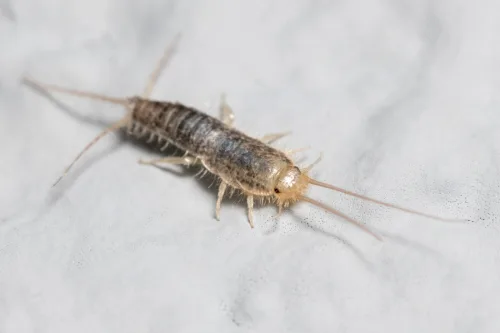
Silverfish Appear at Night and Vanish into Cracks Get Rid of Them with One Change Not a Spray
Silverfish thrive in dark, damp corners and often show up only at night. Long-term control comes from drying the space and removing hiding places, not just spraying chemicals.
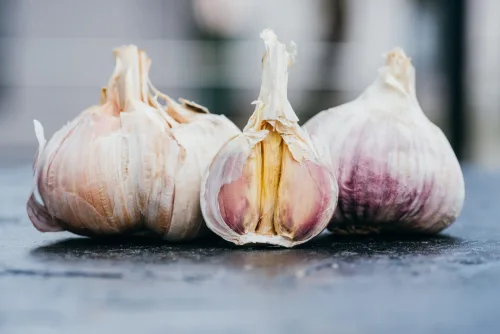
How to Safely Tell Czech and Chinese Garlic Apart in the Shop by Taste, Appearance and Quality
Czech and Chinese garlic can look similar at first glance, but they differ noticeably in flavour, aroma, bulb structure and keeping quality. Learn the quick visual and kitchen tests that help you choose the better bulb with confidence.
Comments (0)
Be the first to comment.