
 English
 Polski
 Deutsch
 Nederlands
 Svenska
 Norsk
 Dansk
 Français
 Italiano
 Español
 Português
 Slovenčina
 Suomi
 Gaeilge
The Real Difference Between White and Brown Eggs and How to Cook Them Properly
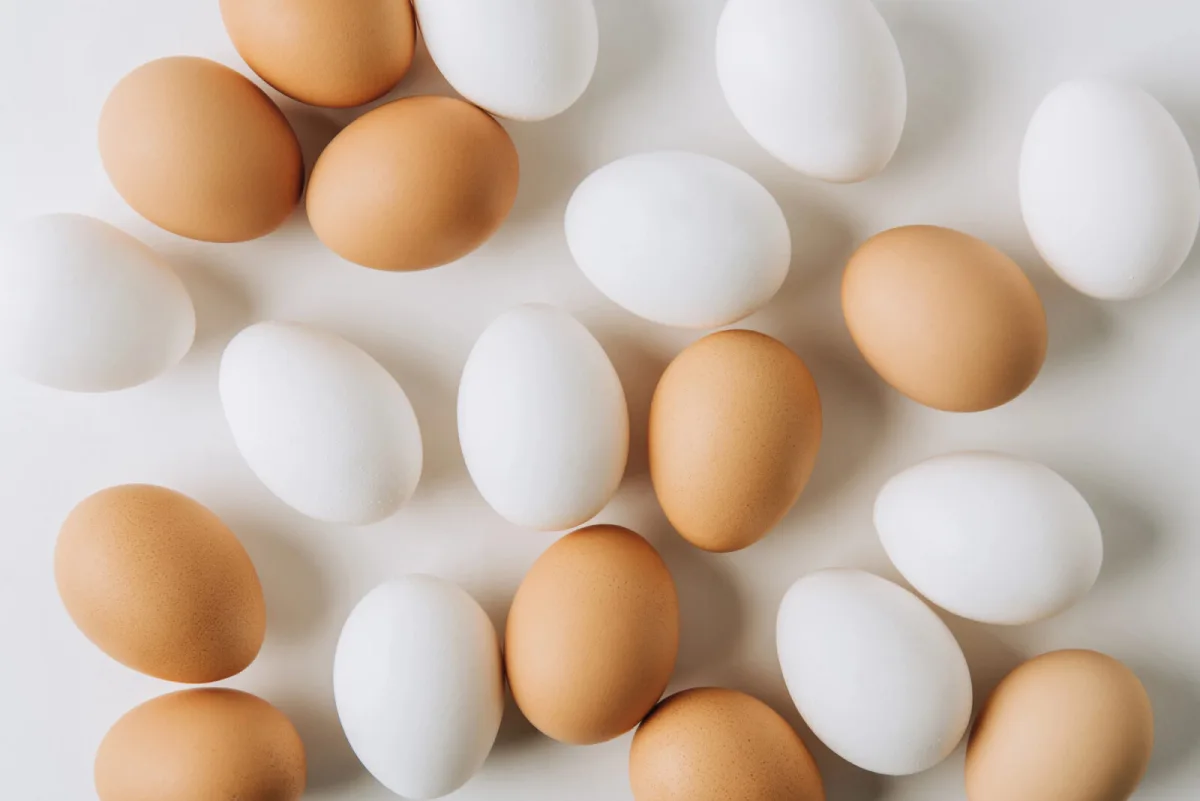
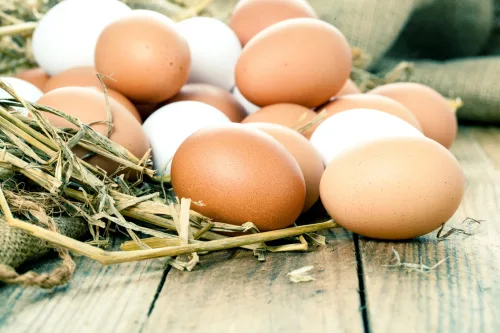
Many people are convinced that shell colour says something about an egg’s taste, quality, or nutritional value. It’s often claimed that brown eggs are more “honest”, tastier, or healthier than white ones. In reality, the difference is much simpler. Egg colour is mainly linked to the breed of hen that laid it. Light-coloured hens usually lay white eggs, while darker breeds tend to lay brown eggs.
Shell colour has no effect on the egg’s actual composition. White and brown eggs have comparable energy content and similar amounts of nutrients, minerals, and trace elements. There’s no major difference in flavour either. So if you’re hesitating at the shelf, base your choice primarily on price, origin, and freshness.
Why white eggs are often cheaper
In shops, it’s common for white eggs to cost less than brown ones. That doesn’t mean they’re inferior. The price difference is usually linked more to production and supply than to the quality of what’s inside. In other words, more expensive brown eggs aren’t automatically the better choice.
How to cook soft-boiled eggs
You’ll get the best results if you let eggs sit at room temperature for a little while before cooking. This reduces the risk of the shell cracking. Pour enough water into a saucepan to fully cover the eggs and add a pinch of salt. It can help strengthen the shell and make peeling easier later on.
Once the water comes to the boil, lower the heat to a gentle simmer and carefully add the eggs. For a runnier yolk, about 4 to 5 minutes is enough. If you want a firmer white but still a soft centre, allow roughly 6 to 7 minutes. Once cooked, briefly transfer them to cold water to stop the cooking process.
The right timing for hard-boiled eggs and a creamy centre
Cooking time determines the final texture. An egg cooked for around 3 minutes will still have a not-quite-set white and a thick, liquid yolk. At roughly 5 minutes, the white will be firmer and the yolk will stay soft. Many consider about 6 and a half minutes the ideal middle ground, when the white is set and the yolk is gently creamy. For hard-boiled eggs, the usual time is around 10 minutes.
What to do if the eggs are straight from the fridge
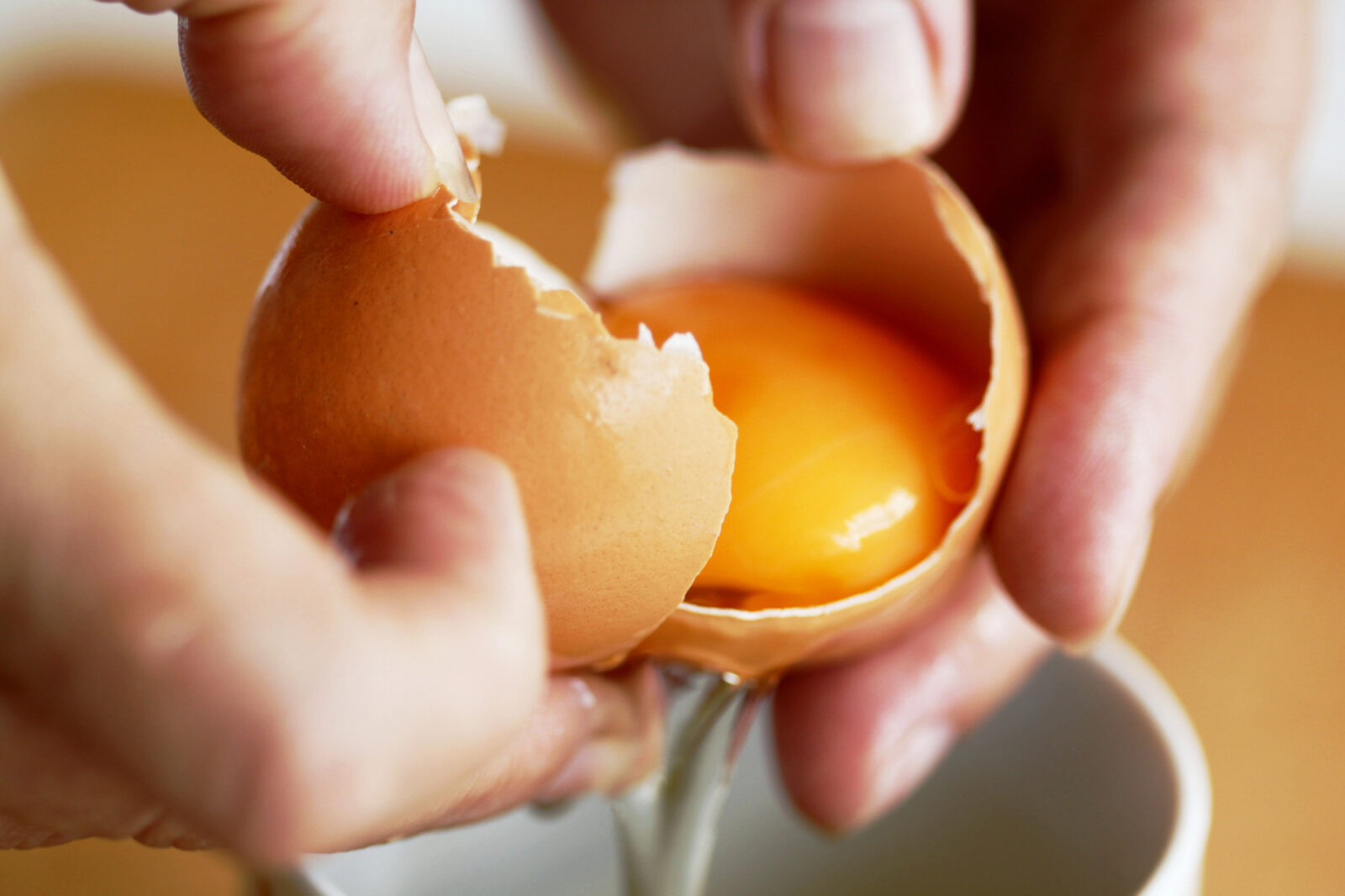
If you didn’t manage to take them out in advance, it’s not a problem. In that case, place them in cold water and heat them up together with it. Once it reaches the boil, it’s usually a good idea to reduce the cooking time by about two minutes compared with the standard method. This makes it easier to hit the texture you want without overcooking.
How to store eggs and make them easier to peel
Eggs belong in a cool, dry place, ideally stored pointy end down. For hard-boiling, it helps if they aren’t absolutely fresh, because eggs that are a few days old typically peel more easily. Bringing them to room temperature before cooking is important too, as it reduces shell cracking caused by temperature shock.
A simple freshness test in water
You can easily check freshness by placing an egg in a container of water. A fresh egg sinks to the bottom. If it floats in the middle, it’s usually still usable but no longer at its freshest. An egg that rises to the surface is best not used.
What to watch out for when boiling eggs
Don’t boil eggs in violently bubbling water. Too much movement in the pan increases the chance of knocking and cracking the shell. A small amount of vinegar or lemon juice in the water can also help. If you want to be extra sure the shells won’t crack, soak the eggs in warm water for a few minutes before cooking, and only then lower them into boiling water.
So shell colour doesn’t determine quality. Freshness, proper storage, and the right cooking time matter far more.
Source: To je nápad, Jídlo.cz, Recept.sk, Pestrazahrada.cz

A lover of nature, gardens, and everything that moves, blooms, or grows. He literally grows everything, from herbs to rare species, and he enjoys caring for animals just as much. In his work, he connects modern technology with tried-and-tested grandmotherly methods and is happy when both paths lead to the same goal.
Related articles
Bees’ worst enemy is under two millimetres long, one treatment won’t stop it and sugar isn’t enough
Varroa mite infestation is one of the most serious challenges in modern beekeeping. Without consistent monitoring and a well-timed, combined approach, colonies can weaken dramatically or even collapse.
Winter Chicken Care Has Rules Most Keepers Get Backwards Heating Is a Trap
Backyard chickens can cope with cold surprisingly well, but winter brings extra demands on the coop, feed, water, and hygiene. Done right, you can keep the flock healthy and laying without risky heating.
The Most Common Mistake With Home-Laid Eggs That Seems Careful but Actually Harms Them
Fresh eggs from your own or local hens have a natural protective coating that helps keep bacteria out. Washing them too soon can strip that protection and shorten their keeping quality.
Comments (0)
Be the first to comment.