
 English
 Polski
 Deutsch
 Nederlands
 Svenska
 Norsk
 Dansk
 Français
 Italiano
 Español
 Português
 Slovenčina
 Suomi
 Gaeilge
Silverfish Appear at Night and Vanish into Cracks Get Rid of Them with One Change Not a Spray
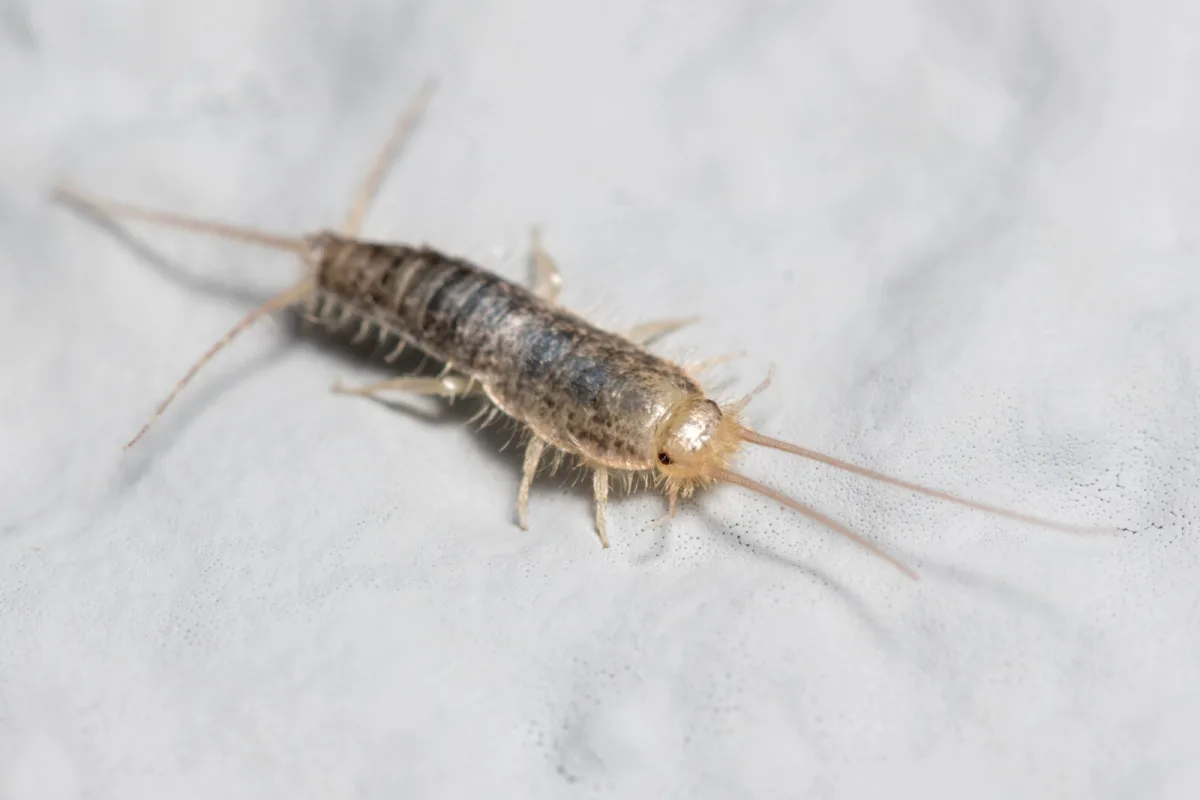
Silverfish are small, wingless insects with a silvery sheen that occur almost worldwide. Outdoors they commonly hide under stones, bark, or in damp organic material, but the trouble starts when they move into a home. They are not a health risk to people, they don’t bite and they don’t spread disease, yet they can be extremely annoying. The main damage is to paper, textiles, wallpaper, photographs, and even dry pantry foods.
Silverfish seek out dark, humid places. They often hide under the sink, in the bathroom, in the basement, in cupboards, behind baseboards, or inside wall voids. During the day they stay concealed and are most active at night, when they go searching for food. That’s why many people only notice them when, after switching on a light, they quickly disappear into cracks and crevices.
How to identify silverfish safely
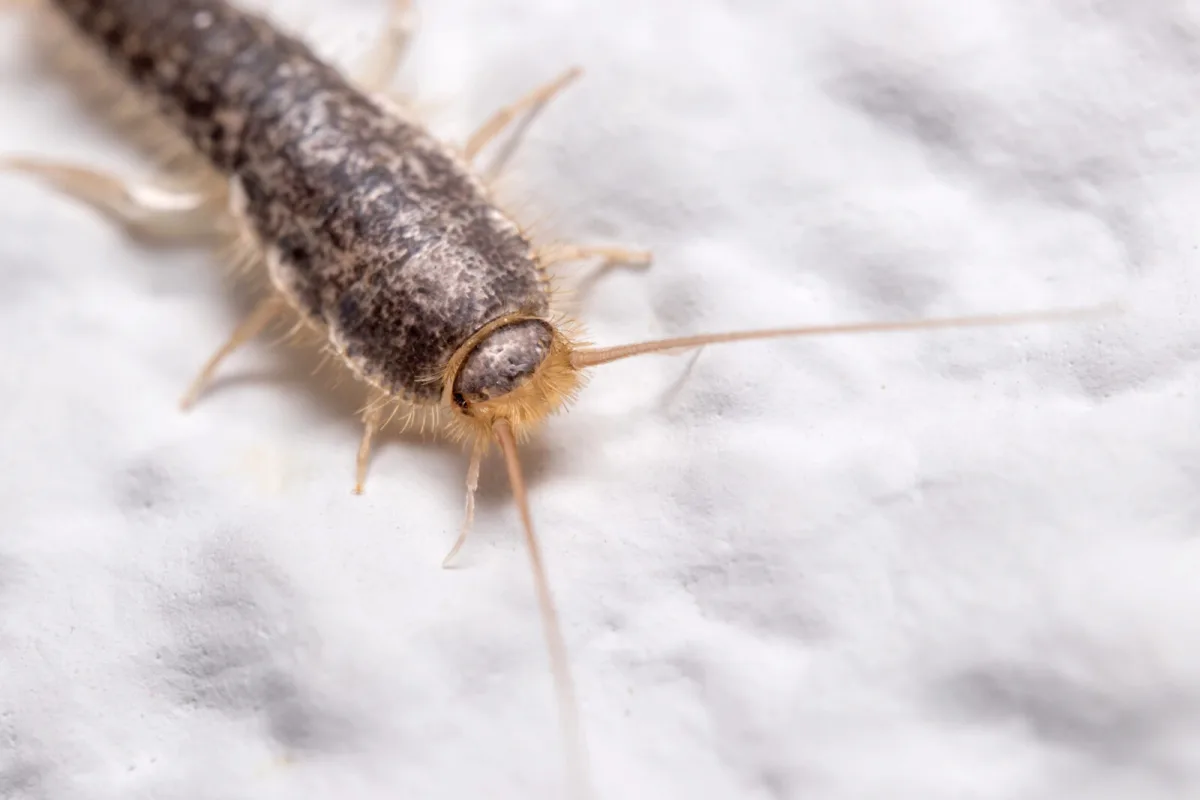
An adult silverfish has an elongated, carrot-shaped body and measures roughly 1 to 1.5 cm. Its surface is covered with fine scales that give it a silvery shimmer, which is how it got its name. It has two long antennae on the head and three distinct bristles at the end of the body. The body is soft, wingless, and while the legs are short, the insect moves surprisingly fast.
When disturbed, it darts in a jerky side-to-side motion, reminiscent of a fish swimming. It’s sometimes confused with other household pests, but compared with cockroaches it is smaller and slimmer, and it differs from earwigs in both colour and the shape of the rear end. A similar pest is the firebrat, which can be managed using the same control methods.
Where they do the most damage and what they feed on
Silverfish are attracted to substances containing starch, cellulose, and other complex carbohydrates. That’s why they go for paper, the glues in book bindings, wallpaper paste, and some fabrics made from natural fibres. They may nibble cotton or linen, leaving tiny irregular holes in the fabric. With books and papers there may not be a full hole, but rather what looks like a thin scraped layer on the surface.
In the kitchen they are drawn to flour, oats, cereals, grains, and other dry stores. In bathrooms and utility rooms they take advantage of humidity and traces of organic material. Typical hotspots include basins, bathtubs, spaces under furniture, and poorly ventilated corners of rooms.
How to get rid of silverfish
If the infestation is small, sticky traps can work well. Place them where insect activity has been noticed, for example under cabinets, along walls, or in corners. When a silverfish runs across, it sticks to the trap surface. This approach is especially useful for monitoring how widespread the problem is and reducing a small population.
A very important step is reducing humidity. A dehumidifier, regular airing, and ensuring good airflow in the bathroom, kitchen, and basement areas can all help. Silverfish don’t do well in dry conditions, and it often forces them to leave the area.
Another effective option is diatomaceous earth, a fine powder made of tiny silica particles. On contact it damages the insect’s outer surface and promotes dehydration. You can dust it along skirting boards, into cracks, behind appliances, or around entry points where silverfish may be getting in.
Insecticides can also be used. Pyrethrin, a natural substance derived from chrysanthemums, is often mentioned, as is its synthetic counterpart permethrin, which tends to last longer and be more effective in practice. When using these products, follow the manufacturer’s instructions and keep household safety in mind. Extra caution is essential in homes with cats, because these substances can be highly toxic to them.
How to prevent them from coming back
With silverfish, prevention is just as important as control itself. The basics are to limit moisture and remove hiding places. Regular airing, drying the bathroom after showering, checking the area under the sink, and fixing any leaks all help. If certain spaces stay damp long-term, it’s worth running a dehumidifier.
It’s also important to seal cracks and gaps in walls and floors, and around pipes or baseboards. These are the routes silverfish often use to enter a flat, and they also serve as safe shelter. The fewer crevices available, the harder it is for them to settle in.
In the kitchen, don’t leave crumbs or open food out. Store dry goods in tightly sealed containers. The same principle applies to valuable documents, photographs, or clothing made from natural materials. Sealed plastic storage boxes can significantly reduce the risk of damage.
Some people also use strongly aromatic spices as supportive repellents, especially cinnamon and cloves. On their own they usually aren’t enough to solve a larger problem, but combined with cleaning and drying the space they can help limit pest movement in specific areas.
When to take notice and act quickly
A single silverfish doesn’t necessarily mean a major problem, but repeated night-time sightings, damaged papers, gnawed packaging, or tiny holes in textiles are clear signs that action is needed. The sooner you start drying the space, cleaning, and limiting access to food sources, the easier it is to deal with the situation before it turns into a larger infestation.
Silverfish aren’t dangerous to health, but they can damage items we use every day at home and want to keep in good condition.
The best results are usually achieved by combining several steps at once. Chemistry alone, without reducing humidity, often won’t deliver a long-term effect, just as airing out without securing food and documents won’t either. Once you remove the conditions they favour, you greatly reduce the chance they’ll keep returning.
Source: Almanac, Wikipedia, Pestrazahrada.cz
Related articles

The Most Overlooked Shrub in the Czech Landscape Sloe Feeds Bees Shelters Birds and Bears Fruit Few People Know
Blackthorn (sloe) is an unassuming, thorny shrub that supports wildlife early in the season and yields dark, frosted fruits in autumn. Once touched by frost, its astringent sloes become a valued ingredient for preserves, drinks, and traditional remedies.

How to Choose a Sack for Storing Potatoes So They Don’t End Up in the Compost in a Few Weeks
The right storage sack helps protect potatoes from light and excess moisture, two common reasons they spoil. Learn when to choose a jute sack or a paper sack and how to keep your crop sound for months.
How to Safely Tell Czech and Chinese Garlic Apart in the Shop by Taste, Appearance and Quality
Czech and Chinese garlic can look similar at first glance, but they differ noticeably in flavour, aroma, bulb structure and keeping quality. Learn the quick visual and kitchen tests that help you choose the better bulb with confidence.
Comments (0)
Be the first to comment.