
 English
  Polski
  Deutsch
  Nederlands
  Svenska
  Norsk
Norsk  Dansk
Dansk  Français
  Italiano
  Español
  Português
  Slovenčina
  Suomi
Suomi  Gaeilge
 Picking fruit in your garden could end with a hefty state fine
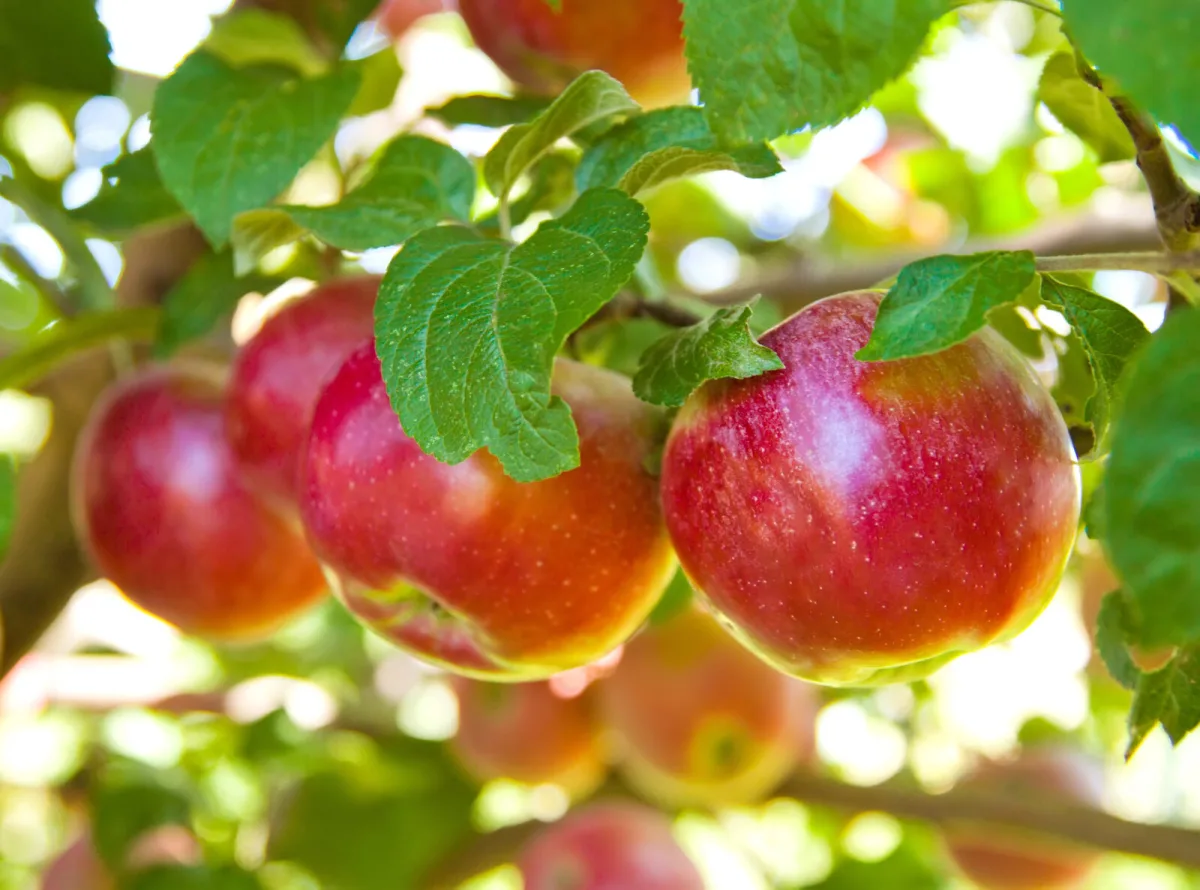
Growing fruit trees and looking after the garden have become increasingly popular in recent years. Many people are trying to be more self-sufficient and have their own apples, pears or plums right behind the house. Even an everyday pleasure like harvesting, however, can surprisingly run up against legal rules. Problems typically arise when a tree grows on the boundary between plots and its branches reach into a neighbour’s garden.
It’s precisely with trees on the line between two gardens that disputes often crop up: on the one hand, it feels logical to make use of fruit hanging over your land; on the other, ownership rights can be decisive. And if a neighbour chooses to deal with the matter formally, something that seems minor can turn into an unpleasant proceeding that ends in a penalty.
Who the fruit belongs to depends on where it is
The basic rule starts with who owns the tree. If the trunk grows from your soil, you are the owner of the tree and also of its fruit. Things get complicated when branches grow over the fence onto someone else’s land. Many people assume that whatever is above their garden is automatically theirs, but the law sees it differently.
There is an important difference between fruit that is still hanging on the tree and fruit that has already fallen. Fruit that drops on its own onto the neighbour’s side and lies on their land is treated as something located on that plot. In practice, that means fallen fruit usually belongs to whoever’s garden it is lying in, much like fallen leaves. But as long as the fruit is still on the branches, it remains the property of the tree’s owner, even if it is hanging over the fence.
Picking a few apples can be assessed as theft
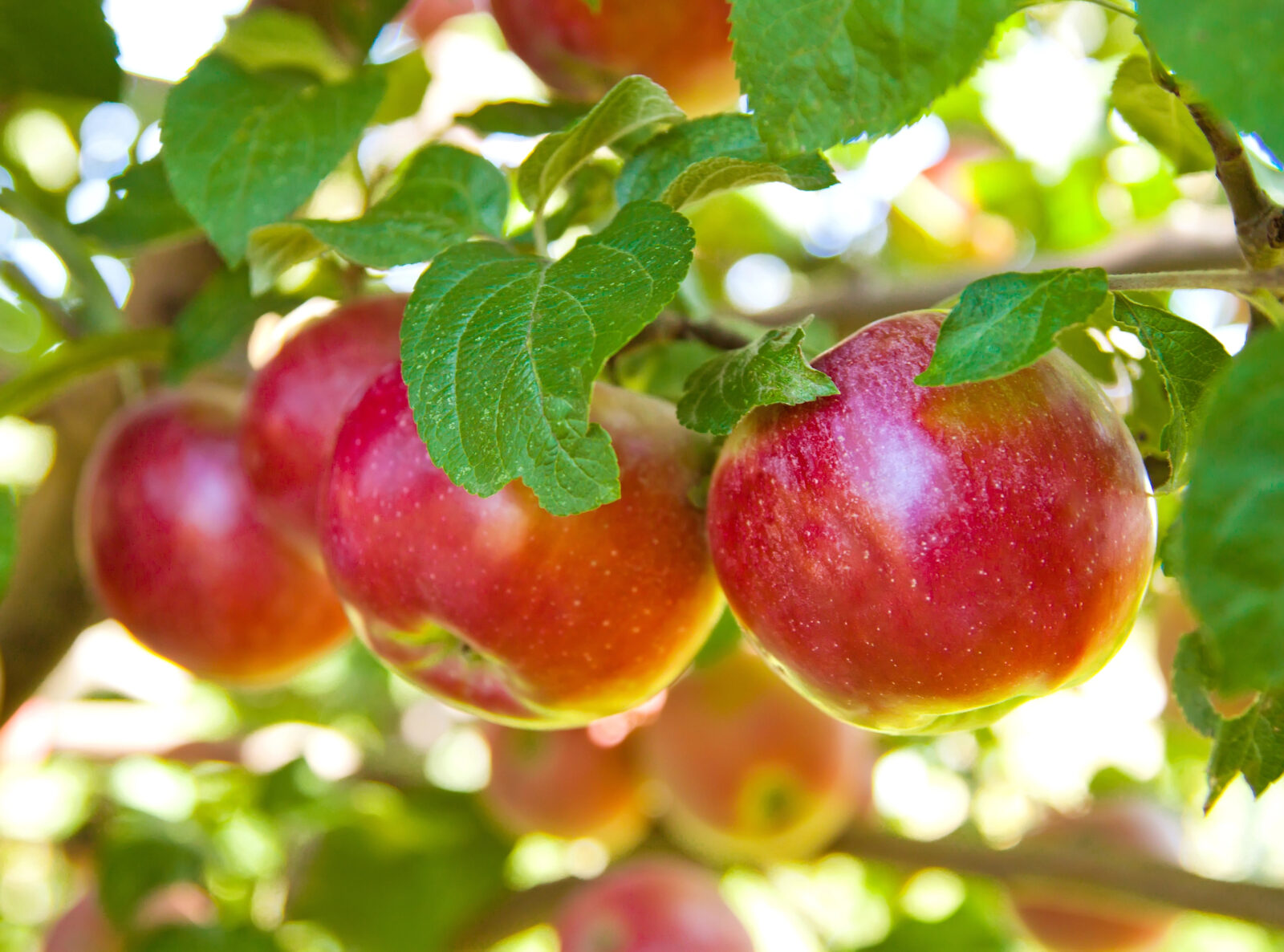
What often feels harmless can have an unpleasant aftermath. If, without permission, you pick fruit from branches that reach into your garden but belong to your neighbour’s tree, such behaviour may be treated as interference with someone else’s property. In extreme cases, it can even be classified as theft, regardless of whether you only took a few pieces.
The risk is not just about the principle, but also that neighbours can fall out over a small matter that then escalates. If the issue moves into an official process, penalties can climb to sums that are no longer trivial. A handful of picked fruit can end up costing far more than most people would ever imagine.
The safest route is an agreement with your neighbour
The simplest way to avoid conflict is to agree things in advance. A neighbourly agreement is, in practice, the best prevention because it sets clear rules for both sides. It makes sense to agree, for example, whether the neighbour may pick fruit from overhanging branches, when and to what extent, or whether the harvest will be shared.
It’s sensible to have such an agreement in writing as well. It isn’t about mistrust; it’s more of a safeguard for the future, when relationships or circumstances can change. A typical example is selling a property. A new owner may not respect informal arrangements that worked with the previous neighbour, and without clearly defined permission, problems can arise.
What to do when branches heavy with fruit are leaning into your garden
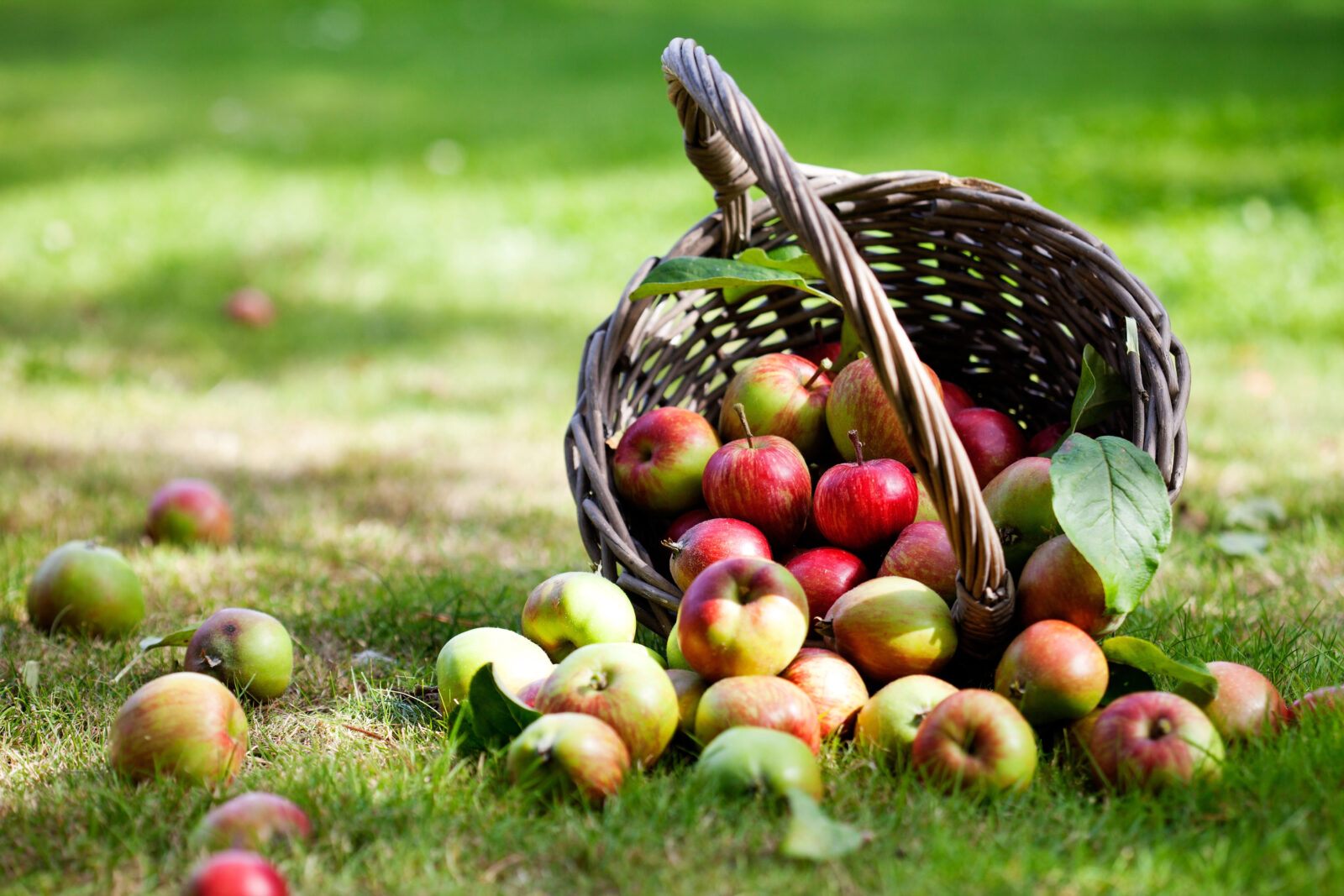
If branches laden with ripe fruit are reaching over your fence, it’s best to proceed cautiously. Without the tree owner’s consent, don’t touch the fruit, even if it is hanging right above your lawn. The only real certainty is an agreement, ideally one you can produce at any time and that is clear to both sides.
In everyday life, many neighbours can reach an understanding without conflict, but tensions most often appear right along property boundaries. It pays to act early and avoid a situation where the joy of harvesting turns into an unpleasant explanation. Even a couple of apples picked over the fence can cost you more than you would expect.
Source: Zákony pro lidi, NKZ, Práce pro právníky, Pestrazahrada.cz

A lover of nature, gardens, and everything that moves, blooms, or grows. He literally grows everything, from herbs to rare species, and he enjoys caring for animals just as much. In his work, he connects modern technology with tried-and-tested grandmotherly methods and is happy when both paths lead to the same goal.
Related articles
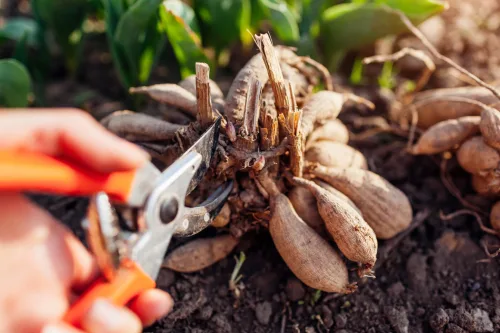
What to Do Before Frosts So Tuberous Plants and Bulbs Make It Through Winter
Tender tuberous plants and bulbous flowers often need help to survive winter. Learn when to lift and store them and when a thick mulch layer in situ is enough.
Common Mistakes When Harvesting and Storing Pears and How to Keep Them Fresh Longer
Pears need harvesting slightly under-ripe and then ripened off the tree to develop their best flavour and texture. Learn how to pick, ripen and store them correctly so they last well into winter.

How to Store Carrots for Winter and Why the First Step After Harvest Matters
Carrots can stay fresh for much of the winter, but only if you handle them properly right after harvest. Careful sorting, gentle handling and the right storage method prevent rot and keep roots crisp for longer.
Comments (0)
Be the first to comment.