
 English
  Polski
  Deutsch
  Nederlands
  Svenska
  Norsk
Norsk  Dansk
Dansk  Français
  Italiano
  Español
  Português
  Slovenčina
  Suomi
Suomi  Gaeilge
 Why Early Autumn Is Ideal for Adding Eggshells to Garden Beds
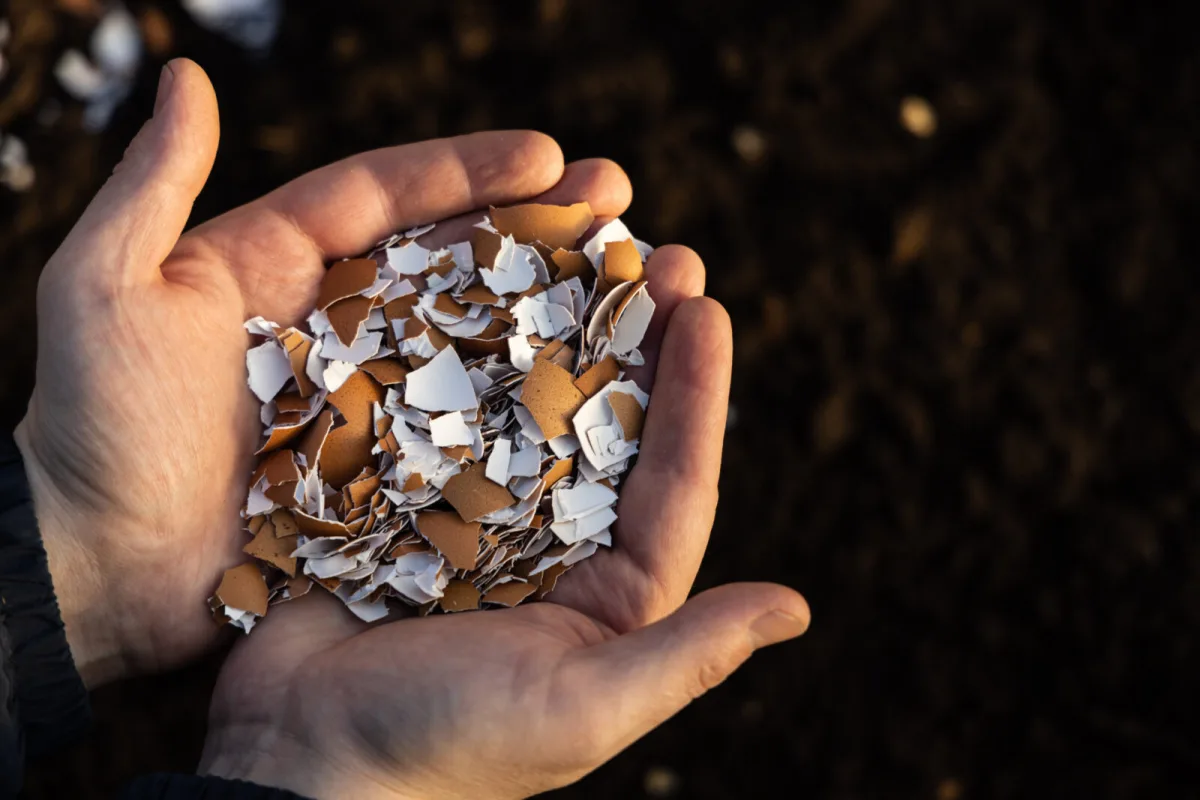
Experienced gardeners know the garden doesn’t stop after the final harvest. On the contrary, once the beds are cleared, an important phase begins: preparing the soil for the next season. The shift from late summer into autumn is a great time to return some nutrients to the soil and improve its overall condition. One simple, inexpensive option is eggshells, which would otherwise end up in the bin.
If you’ve been saving shells as you go, by early autumn you’ll often have a handy stash of natural material rich in calcium. And it’s not just about feeding the soil. Shells can also help with soil structure and, used in a certain way, can serve as a small barrier against some pests.
Calcium from shells and adjusting soil pH
Eggshells are best known as a source of calcium. Calcium is important not only for the soil, but also for the plants themselves. It supports strong cell walls and, with that, the overall vigour of the crop. Plants with sufficient calcium typically cope better with weather swings and may be more resilient to certain issues linked to weakened tissues.
Calcium is also used to moderate overly acidic soil. If your garden soil tends to be on the acidic side, shells can be a gentle way to gradually balance the soil environment. Don’t expect an overnight miracle, though. The effect depends on how finely the shells are processed and how quickly they break down in the soil.
Better structure and more air in the soil
Another benefit shows up in the soil’s physical properties. If you don’t grind the shells into powder but instead crush them thoroughly into small pieces, they can lightly aerate the soil. They create tiny pockets, helping the soil resist slumping together and becoming unnecessarily compacted.
Air in the soil is essential for roots, for the activity of soil organisms, and for sensible movement of water and nutrients. That’s why it makes sense to work crushed shells into the top layer of beds right when you’re digging over after harvest, loosening the soil, or adding organic matter.
Why shells are especially useful in autumn
Autumn is often a rewarding time to work with eggshells. Temperatures gradually fall while moisture levels rise, which supports the slow breakdown of the material and the release of minerals into the surrounding soil. Beds also have more time to settle before spring. Spring planting then begins in soil that’s better prepared.
If you want to use shells as a fertilising supplement, the simplest approach is to incorporate them directly into the soil. It just depends on whether you’re aiming for faster calcium release or more of a structural effect. Finer crushing is usually better for quicker breakdown, while coarser pieces help more with aeration.
Shells as a barrier to some pests
In autumn there’s less food around, and some pests may focus more on plants that stay in the beds as long as possible. A typical example is vegetables that tolerate cooler weather. In that situation, eggshells can provide an extra layer of protection in a simple way.
It’s practical to crush the shells into larger, sharper pieces and scatter them in a ring around plants. As a barrier, they can deter slugs, for example, which don’t like crawling over a dry, sharp, unpleasant surface. For this method to work, you need to top up the shells regularly, especially after rain, when the barrier can sink into the soil or lose effectiveness.
Eggshell infusion for the compost
Not everyone likes adding shells directly to beds. An alternative is an infusion, sometimes referred to as eggshell tea. The method is simple: pour boiling water over crushed shells, leave to steep, then strain off the liquid.
You can water your compost heap with this infusion. It adds mineral components to the compost, and in spring you’ll have better-quality compost material for feeding. The leftover shells can then be dealt with however suits you, but the key point is that the nutrients don’t go to waste.
What to watch out for so shells don’t cause trouble
Shells can be useful, but only when handled properly. If you leave them in big pieces or whole, they can persist in the soil for a long time and the benefits will show up slowly. They can also attract unwanted visitors. Traces of egg white or a typical odour can draw rodents such as mice or rats, especially if the shells aren’t clean.
There can be a risk for pets too. Larger sharp fragments, if swallowed, can cause problems in the digestive tract. So it’s sensible to either wash and dry the shells well before use, or at least crush or grind them thoroughly. The better the shells are processed, the faster they’ll take effect in the soil and the lower the chance they’ll become an unnecessary hazard.
Source: Gardenista, Seed Parade, Pestrazahrada.cz

A lover of nature, gardens, and everything that moves, blooms, or grows. He literally grows everything, from herbs to rare species, and he enjoys caring for animals just as much. In his work, he connects modern technology with tried-and-tested grandmotherly methods and is happy when both paths lead to the same goal.
Related articles
Burning Leaves in the Garden Is No Longer Allowed in Czechia
Since 1 March 2025, burning garden waste is banned across the Czech Republic, and even notifying the fire brigade does not make it legal. Here’s what is still allowed, what fines you risk, and what to do if smoke from a neighbour is bothering you.
Mice Look for a Way Indoors in Autumn, Stop Them with a Cheap Trick Without Chemicals or Traps
As temperatures drop, mice start searching for warm, dry shelter—and your home is an easy target. A simple barrier made from ordinary aluminium foil can make key entry routes uncomfortable enough to discourage them.
A Proven Tip for Overwintering Geraniums Add a Substrate Ingredient Most People Throw Away
Zonal geraniums can be carried through winter with ease if you lift them correctly, prune them back, and pot them into a light, free-draining mix. A simple additive many people discard can help keep the compost healthier through the cold months.
Comments (0)
Be the first to comment.