
 English
  Polski
  Deutsch
  Nederlands
  Svenska
  Norsk
Norsk  Dansk
Dansk  Français
  Italiano
  Español
  Português
  Slovenčina
  Suomi
Suomi  Gaeilge
 September Hydrangea Care After Flowering Is Key to Strong Shrubs and Better Blooms Next Year
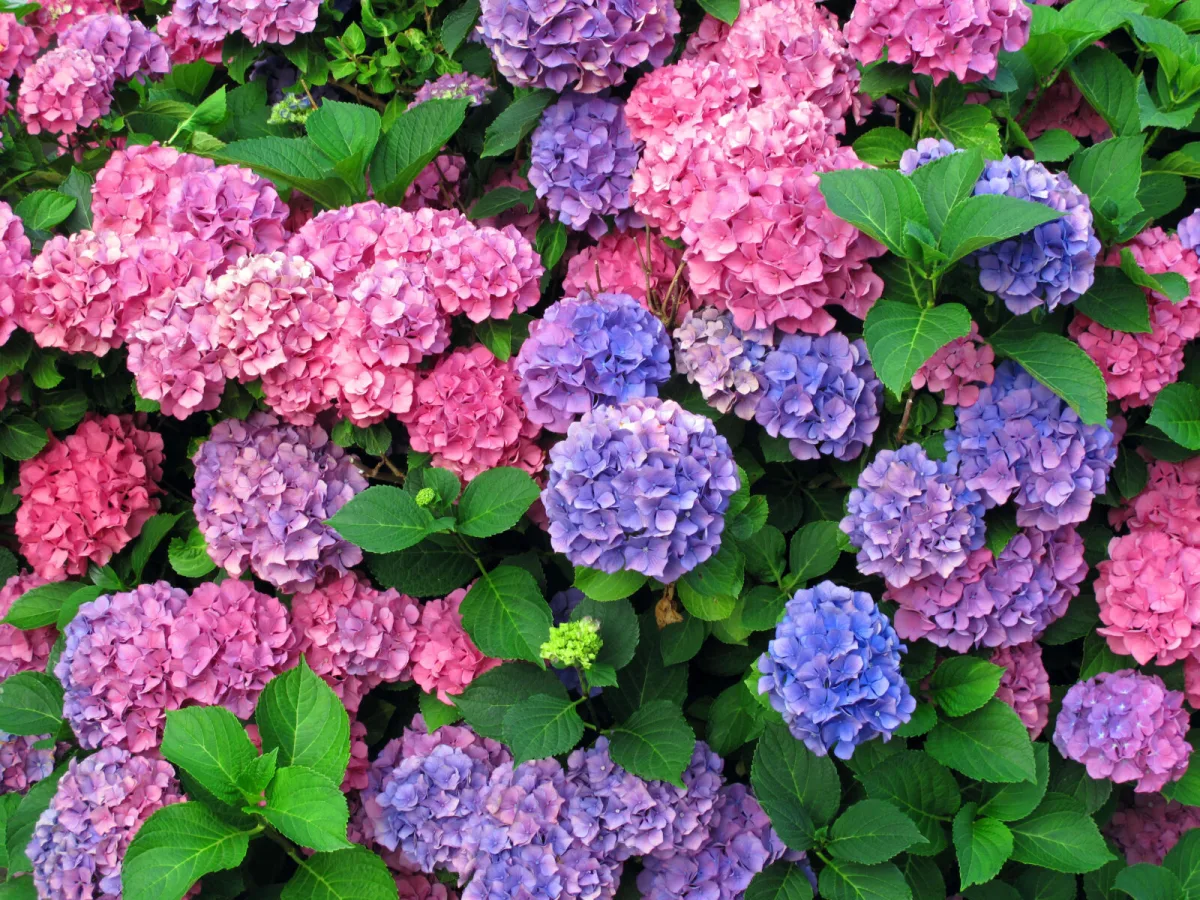
Hydrangeas are among the most rewarding ornamental shrubs, because they usually do well with basic care and still fill the garden with large, showy blooms. Flowering often runs from spring through late summer and into early autumn, so September is typically when the plant gradually winds down from its main season. That’s exactly when it makes sense to give it a few final interventions that support shrub health, help the stems harden off, and set it up properly for next year. If autumn care is neglected, the hydrangea will still leaf out in spring, but it may be weaker, more frost-prone, or less willing to set flowers.
Autumn feeding without nitrogen
Through spring and summer, hydrangeas appreciate regular feeding because a long flowering period is energetically demanding. The best choice is usually a fertiliser formulated specifically for hydrangeas, with a balance that supports blooming while also respecting their preference for the right soil reaction. In some types, flower colour can shift with soil pH: in more acidic conditions, bluer shades tend to dominate, while in more alkaline soil, pink tones are more common. Some gardeners try to tweak conditions with everyday materials too, such as coffee grounds, which can slightly acidify the soil.
In September, though, one rule matters most. Your fertiliser should no longer contain nitrogen, because nitrogen pushes soft, new growth. Those tender shoots won’t have time to harden before winter and are then easily damaged by frost. At the end of the season, it’s better to use autumn formulations that emphasise elements supporting ripening and resilience. With panicle hydrangeas, a soluble general-purpose feed can also work—just make sure the nitrogen content is low or, ideally, zero.
Prune after flowering, but only gently
Once flowering is over, it’s tempting to cut shrubs back hard—but with hydrangeas, that’s a common mistake. If the plant is cut too low, it will shoot again in spring, but you may see fewer flowers, or none at all, because you’ve removed the parts where flower buds would have formed. In September, it pays to take a maintenance approach and remove mainly dry, damaged, or spent flower heads. This tidies and lightens the shrub while preserving its potential for flowering next season.
Preparing in-ground hydrangeas for winter
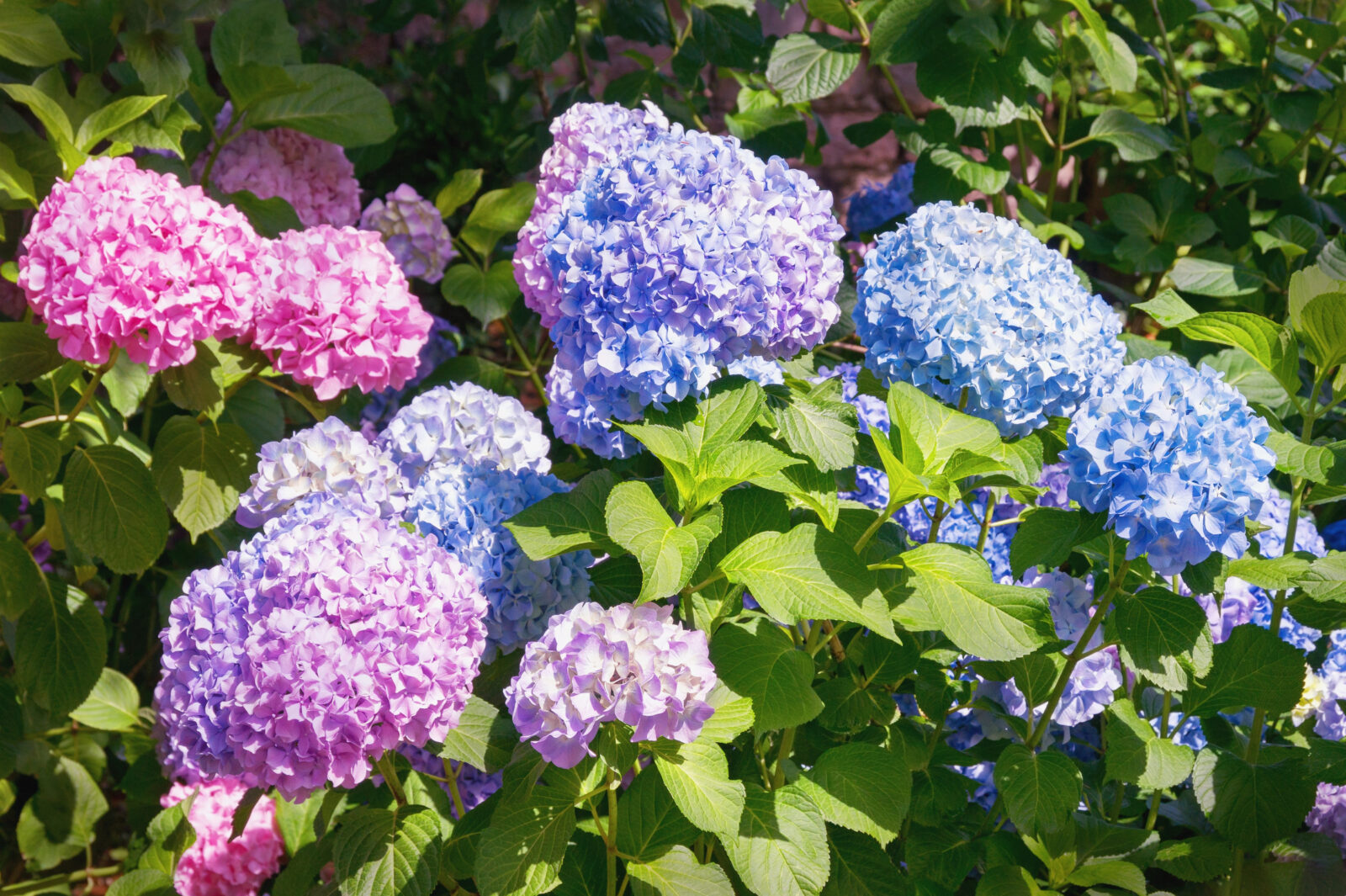
Late September or early October is a good time to winterise, especially in areas where frosts are prolonged and the ground freezes deeply. It helps to protect the root system by adding well-rotted compost around the base and then covering it. A protective layer can be mulch or, for example, beech leaves, which help keep temperatures steadier and prevent sharp swings in moisture. The aim isn’t to smother the plant, but to create an insulating cushion that buffers it from winter extremes.
Young hydrangeas that haven’t yet developed sturdy wood and deeper roots usually need more attention than older, well-established shrubs. In that case, it works well to cover the top growth with white horticultural fleece. This protects shoots from harsh frost and drying winds, while still allowing air through—reducing the risk of condensation and rot.
Overwintering hydrangeas grown in containers
Potted hydrangeas are more vulnerable in winter because their roots don’t have the same thermal protection as they do in the ground. Once the leaves have dropped, it’s best to move containers to a cool but frost-free place, such as a cellar or garage. An ideal temperature is roughly 5 to 10 °C. Because this is a deciduous shrub, it doesn’t need light over winter while dormant. However, don’t forget watering—even if only sparingly. The compost shouldn’t dry out completely, but it mustn’t stay waterlogged either, as stagnant moisture encourages root rot.
As soon as new growth appears in spring, gradually return the plant to the light. At first, it’s better not to expose it to strong direct sun, so the shoots can acclimatise and avoid scorch. Good container overwintering and sensible September preparation usually show in spring: the hydrangea starts the new season without obvious weakness and is better placed to produce dense, healthy flower heads.
What to take away from September care
For hydrangeas, September is the bridge between flowering and winter dormancy. It’s worth planning a final nitrogen-free feed, gently removing spent blooms, and protecting the roots from frost in good time. With plants in pots, the essentials are a safe winter location and carefully monitored watering. When these steps follow on from each other, the shrub won’t be unnecessarily drained going into winter—and next year it will reward you with stronger growth and more abundant flowering.
Source: BBC Gardeners World, Garden World App, Gardenino, Pestrazahrada.cz

A lover of nature, gardens, and everything that moves, blooms, or grows. He literally grows everything, from herbs to rare species, and he enjoys caring for animals just as much. In his work, he connects modern technology with tried-and-tested grandmotherly methods and is happy when both paths lead to the same goal.
Related articles
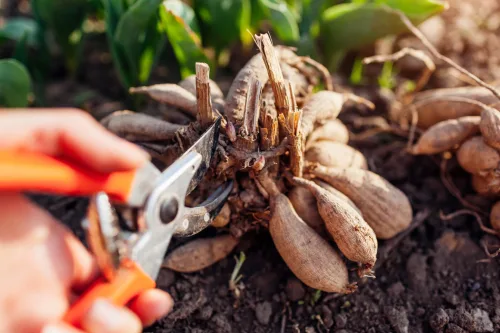
What to Do Before Frosts So Tuberous Plants and Bulbs Make It Through Winter
Tender tuberous plants and bulbous flowers often need help to survive winter. Learn when to lift and store them and when a thick mulch layer in situ is enough.
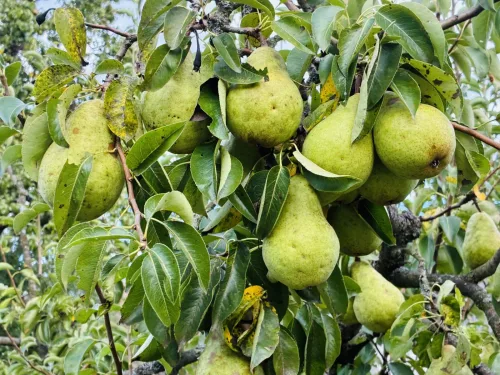
Common Mistakes When Harvesting and Storing Pears and How to Keep Them Fresh Longer
Pears need harvesting slightly under-ripe and then ripened off the tree to develop their best flavour and texture. Learn how to pick, ripen and store them correctly so they last well into winter.
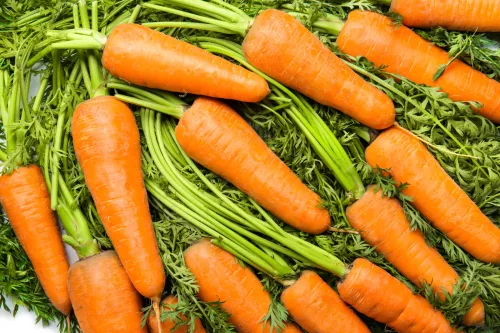
How to Store Carrots for Winter and Why the First Step After Harvest Matters
Carrots can stay fresh for much of the winter, but only if you handle them properly right after harvest. Careful sorting, gentle handling and the right storage method prevent rot and keep roots crisp for longer.
Comments (0)
Be the first to comment.