
 English
  Polski
  Deutsch
  Nederlands
  Svenska
  Norsk
Norsk  Dansk
Dansk  Français
  Italiano
  Español
  Português
  Slovenčina
  Suomi
Suomi  Gaeilge
 The More Often You Harvest, the Longer Plants Keep Cropping
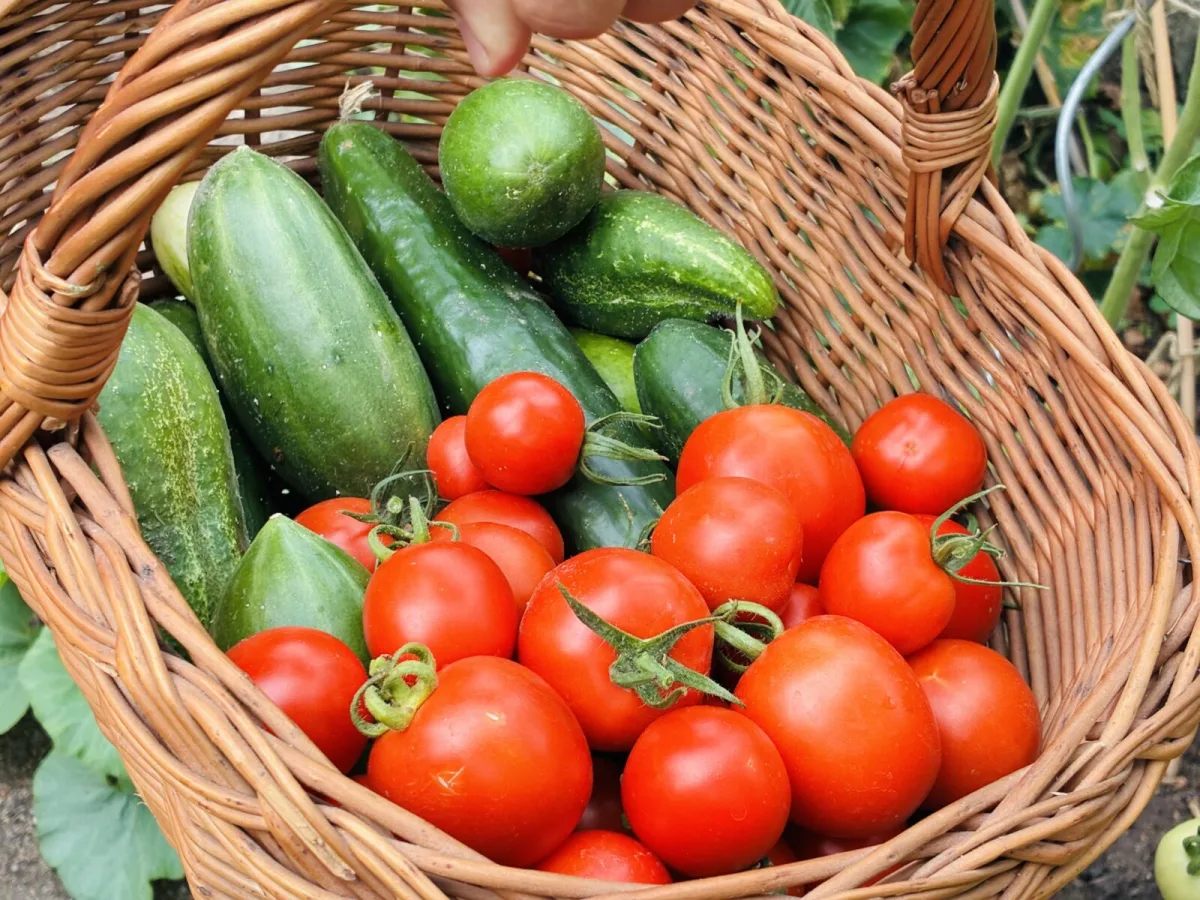
With fruiting vegetables, a simple rule applies: the more often you harvest, the longer the plants keep producing. If you let tomatoes, cucumbers, peppers or courgettes get oversized and overripe on the plant, the plant puts some of its energy into ripening seed instead of making more flowers. The result is fewer new blooms, a weaker set of further fruit and a shorter harvest window. In the main season, it’s therefore ideal to check the bed or greenhouse every two to three days and keep taking off ripe fruit as you go.
Gentle handling matters just as much as frequency. Roughly yanking fruit off can damage shoots, snap branches or open the door to disease. It helps to harvest in dry weather, support the plant with your other hand, and for more delicate crops use clean scissors or a knife.
Pick tomatoes ripe, but don’t let plants grow on unnecessarily
Tomatoes usually come away easily because they have a natural breaking point on the stalk. With ripe fruit, it’s often enough to gently twist and snap it off at the joint. With very large or very ripe tomatoes, though, it’s more practical to use secateurs. That reduces the risk of tearing off part of a shoot or damaging neighbouring fruit.
Tomatoes have a longer growing season and towards the end of summer it can happen that the last set fruit won’t have time to ripen before the first chilly nights. At that point, it helps to pinch out the tops of the plants, even if they’re still flowering. The plant then concentrates its strength on the fruit it already has, and ripening is often faster and more reliable.
Tomatoes taste best when they’re fully coloured and, with a light squeeze, just begin to soften slightly. Fruit that’s too firm is usually underripe, while overly soft tomatoes spoil quickly and attract pests.
Cucumbers: in the greenhouse it’s better to cut, outdoors snapping often works
Cucumbers are among the fastest-growing vegetables, which is exactly why they’re easy to miss. Gherkins in the main harvest period can size up in a short time and are ideally picked every other day. Overgrown fruit is not only less suitable for pickling, but above all it needlessly exhausts the plant. It then sets fewer new cucumbers and the overall yield drops.
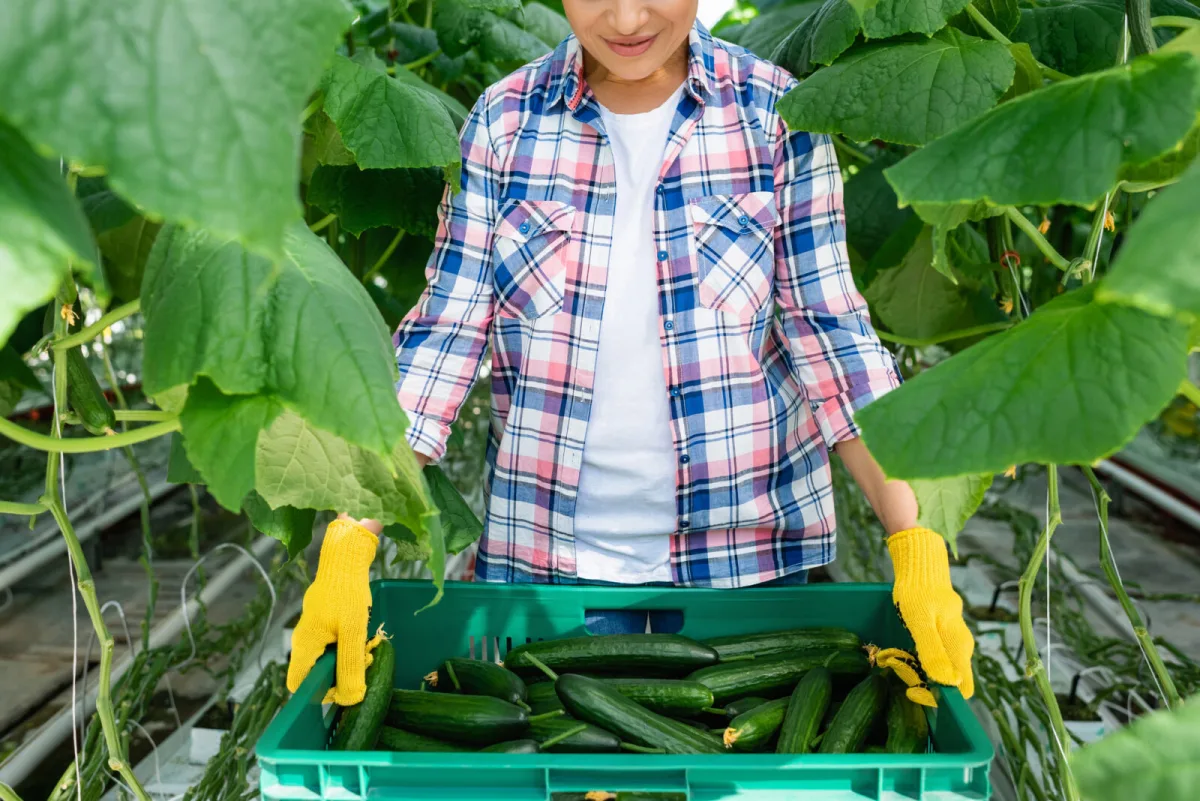
With greenhouse cucumbers (long “English” types), you can twist the fruit off, but the vines are often brittle and easy to damage. It’s safer to use scissors or a knife and separate the fruit cleanly. With outdoor cucumbers, whether gherkins or slicing types, the plants are usually sturdier, so fruit can often be snapped or twisted off without consequences. Even so, it’s better to support the plant with your other hand so the vine doesn’t break unnecessarily at the base.
Regular picking has another effect too: as soon as you keep removing cucumbers, the plant tends to flower again and again, extending the harvest.
Peppers: harvest at eating ripeness, and always handle chillies carefully
Peppers can sometimes be snapped off against the direction of growth, but without practice it’s easy to damage the whole shoot rather than just the fruit. With only a few plants, it isn’t worth the risk, so it pays to use sharp secateurs. The cut is clean, the plant doesn’t tear, and it seals over faster.
For standard sweet peppers, it’s advantageous to harvest at eating ripeness, meaning when they’ve reached their typical size and have firm flesh. If you leave fruit on the plant for a long time and the seeds begin to ripen strongly, the plant often reduces the formation of further flowers. The exception is spice and hot peppers, which are often left to ripen more fully, because full ripeness supports a stronger flavour and aroma.
With hot peppers, especially chillies, extra care is sensible. Use scissors when harvesting and ideally wear gloves too, because capsaicin lingers on the skin for hours. It only takes an accidental touch to your eyes or nose and you’ll be dealing with an unpleasant burn.
Courgettes: smaller is best and keeps the plant producing
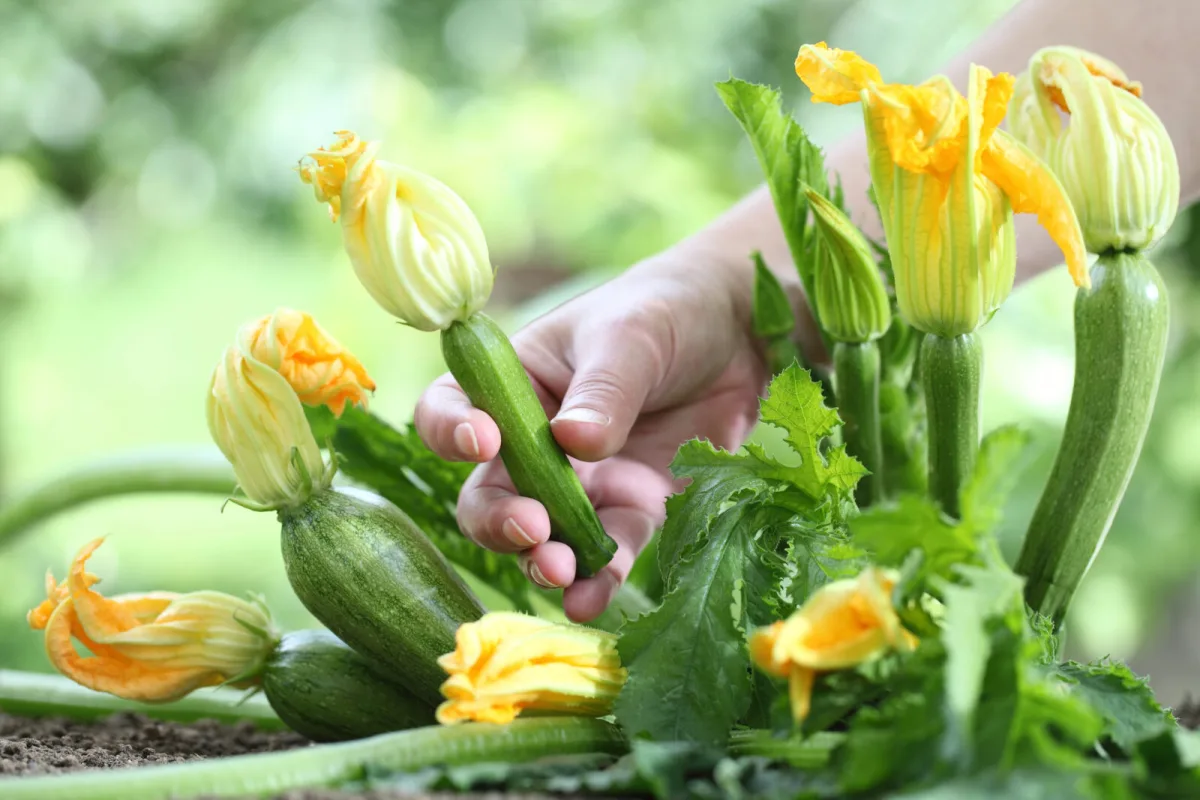
Courgettes develop fruit close to the crown and the stems are fleshy. That’s why they can often be snapped or twisted off easily. It’s recommended to harvest by twisting the stem rather than cutting with a knife, because sap left on the blade can carry disease as you move between plants. If you do cut, it’s wise to clean the tool as you go.
The key is not to let courgettes get too big. Large fruit starts forming developed seed and the plant then slows down or stops setting more. Young courgettes of about 15 to 20 cm are usually the most tender and best flavoured. With regular harvesting, you also encourage the plant to flower and crop for much longer, often right into autumn.
Aubergines: the opposite approach to tomatoes
While tomatoes benefit from being harvested fully ripe, aubergines are better picked earlier. They’re at their best at the start of colouring up, when the flesh is tender and the seeds are not yet strongly developed. An overripe aubergine tends to have a tougher texture and more pronounced seeds, which shows in the kitchen too.
Clean tools and gentle handling are the foundation of success
When harvesting, it pays to think about the details. Sharp, clean secateurs make a smooth cut and the plant heals better afterwards. If you switch between different plants, it’s sensible to wipe tools regularly to reduce the spread of disease. With heavier fruit, support the shoot and don’t pull hard on it. The biggest favour you can do your whole garden, though, is to be consistent, because regular picking is the simplest way to a plentiful, healthy, long harvest.
Source: Taste of Home, Zahradkarska poradna , Pestrazahrada.cz
Related articles
Wasps Aren’t Just a Barbecue Menace They Can Ruin Your Garden Woodwork Too
Weathering isn’t always the main culprit behind damaged outdoor timber. Wasps can scrape fibres from boards and beams surprisingly fast, leaving grooves that soak up water and accelerate decay.
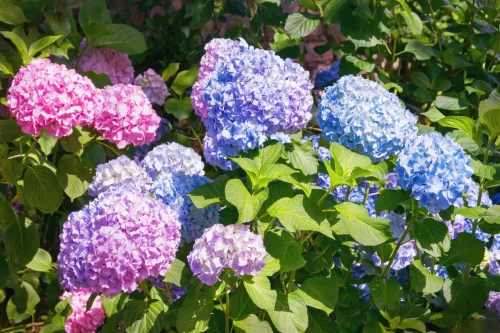
Why hydrangeas wilt in summer even when watered and how to save them fast
Hydrangeas can look limp in hot weather even if you’ve been watering faithfully. The key is to check what’s happening in the root zone, then adjust watering, shade and mulching so the plant can actually use the moisture available.
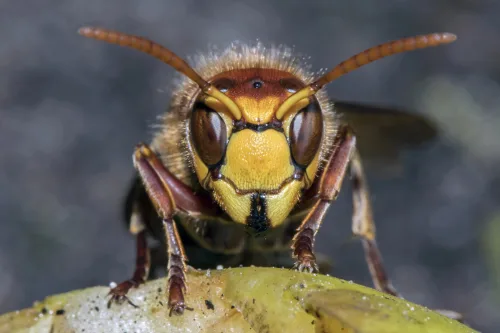
How to Keep Wasps and Hornets Off Your Patio with a Simple Chemical Free Household Repellent
Late-summer wasps and hornets can turn patio meals into a battle. A small dish of smouldering dry ground coffee helps mask food scents and makes the area far less inviting—without chemicals.
Comments (0)
Be the first to comment.