
 English
  Polski
  Deutsch
  Nederlands
  Svenska
  Norsk
Norsk  Dansk
Dansk  Français
  Italiano
  Español
  Português
  Slovenčina
  Suomi
Suomi  Gaeilge
 Four August fertilisers for hydrangeas so they flower until the first frosts
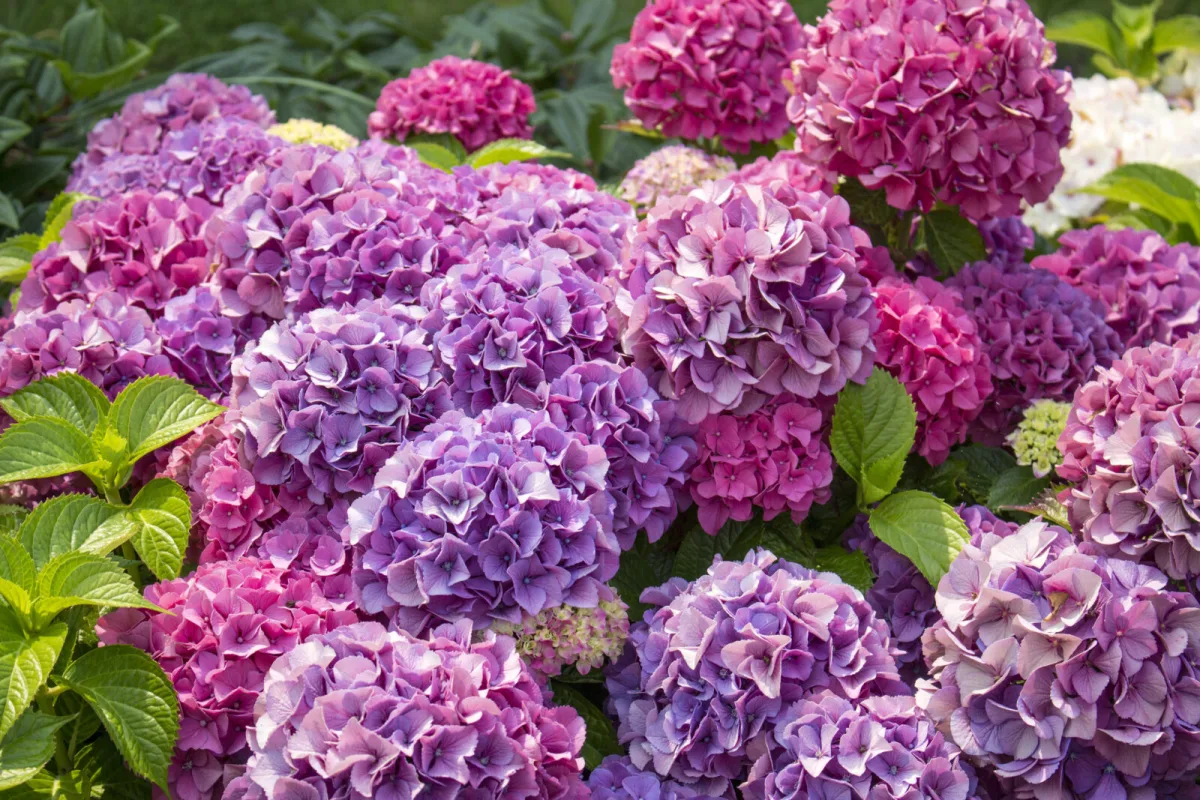
In August, a hydrangea can look as if it doesn’t need a thing. The shrub is usually packed with blooms, the shoots are long, and summer is slowly beginning to wind down. But at this point the plant is spending a lot of energy on flowering, while also starting to prepare its tissues for autumn and winter. That’s why it pays to tailor feeding to what a hydrangea can genuinely use in late summer.
The key change compared with spring is that you no longer want to add much nitrogen. Nitrogen encourages soft, young growth that won’t have time to ripen before colder weather arrives and can be damaged. August care therefore leans more on elements that help shoots mature and support flowering, chiefly potassium and phosphorus.
Four ways to feed hydrangeas in August
Potassium sulphate for sturdier shoots and longer flowering
Potassium is crucial in the second half of summer. It helps the plant manage water more efficiently, supports the ripening of new growth, and generally strengthens the flowering shrub. As a result, blooms can stay attractive for longer and the plant copes better with spells of changeable weather.
For a drench to the roots, you can usually dissolve about 15–20 g of potassium sulphate in 10 litres of water and apply it to soil that has been moistened beforehand. A mature shrub typically needs only a few litres of solution, but it’s best to adjust the amount to the size of the plant and to how damp the soil already is.
Monopotassium phosphate as a two-in-one solution
Monopotassium phosphate is handy because it supplies both phosphorus and potassium—exactly the elements that are in high demand before autumn—while containing only a negligible amount of nitrogen. It’s ideal when you want to support flowering and help the shrub prepare for cooler conditions in a single step.
For root feeding, a common rate is roughly 10–15 g per 10 litres of water, unless the specific product states different proportions. The important thing is not to overdo either frequency or quantity. If you’ve fed your hydrangea recently with a balanced fertiliser, it’s not a good idea to add another dose simply because it’s August.
A ready-made autumn fertiliser for hydrangeas and acid-loving plants
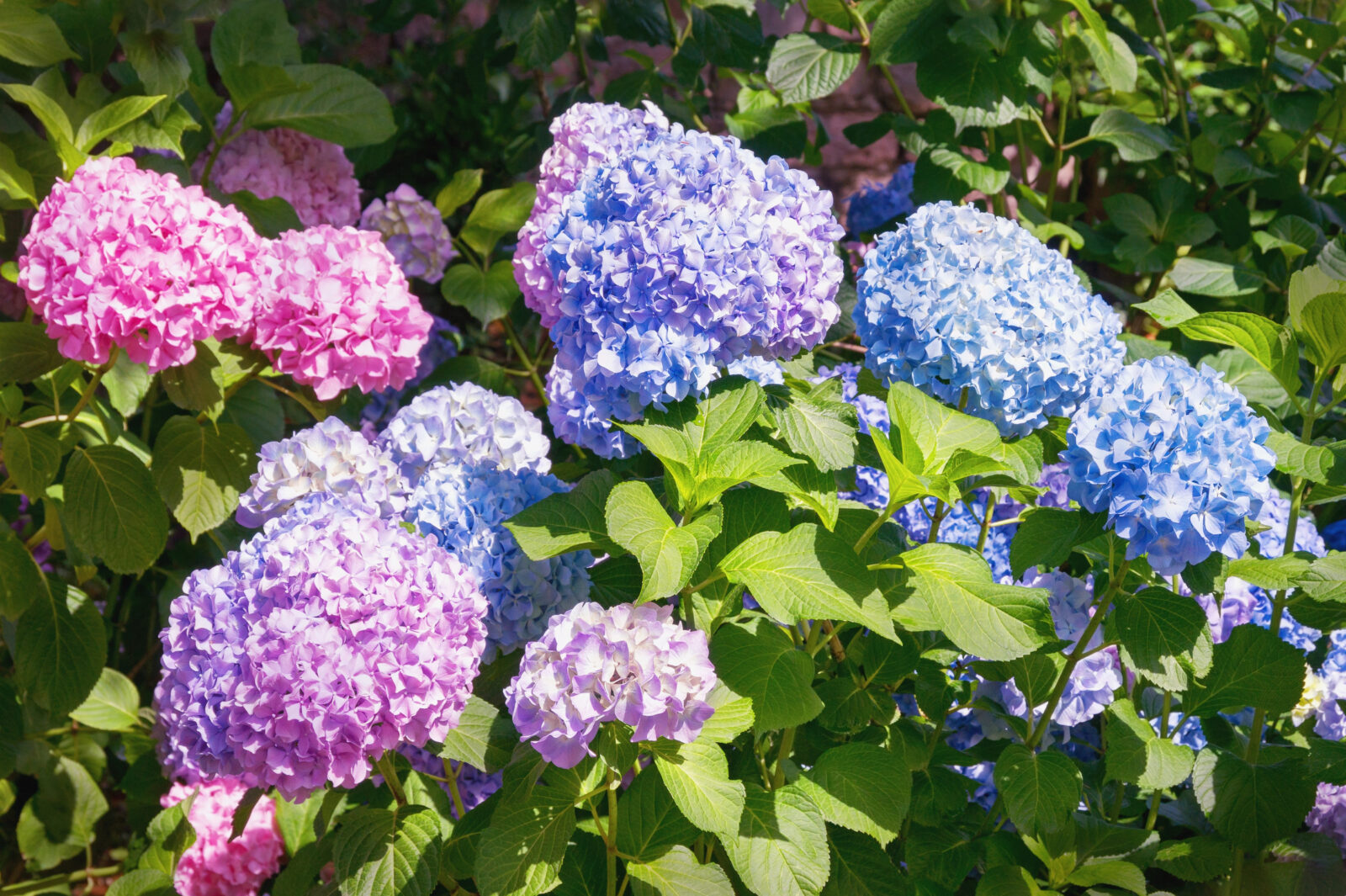
Not everyone enjoys mixing individual components separately. In August, you can reach for a ready-made fertiliser labelled as an autumn feed, or one intended for hydrangeas, rhododendrons, or other acid-loving plants. These fertilisers are usually formulated to encourage ripening without pushing the shrub into lush new growth.
It’s worth checking the analysis. Nitrogen should be low, while phosphorus and potassium should dominate. The best approach is to follow the instructions on the pack, because concentrations vary widely between products. This option often suits mid to late August, when it’s already clear how the shrub has performed through the season.
Magnesium when leaves start to pale
Sometimes a hydrangea will continue to flower heavily, but the leaves begin to lose their deep colour and the areas between the veins noticeably lighten. This can be a sign of magnesium deficiency, although similar symptoms can have other causes. That’s why it’s not a good idea to use magnesium sulphate automatically as a preventative.
If you have reason to believe magnesium really is the issue, apply magnesium sulphate according to the instructions for the specific product. Also bear in mind that nutrition problems in hydrangeas often aren’t only about the amount of fertiliser, but also about soil reaction. In overly alkaline soil, some nutrients are less available and the plant can’t make use of them, even if they’re present in the ground.
What hydrangeas usually don’t need at the end of summer
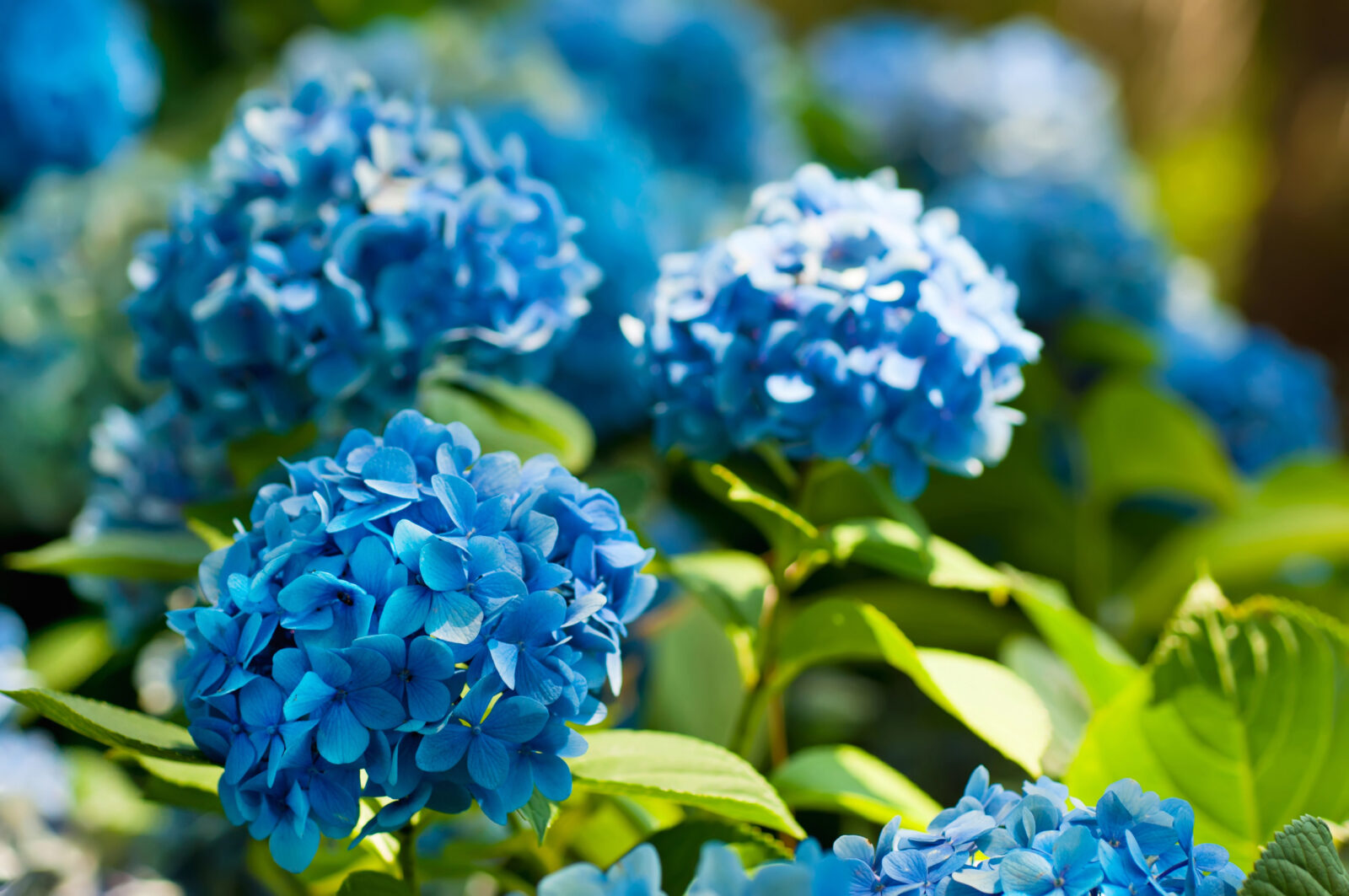
Manure, herbal ferments, higher doses of urea, and other nitrogen-rich feeds are best saved for the start of the season. In late summer, the goal is a different kind of support. It’s not about provoking the shrub into making soft new green growth, but allowing it to finish flowering calmly and helping shoots prepare for the cooler part of the year.
At the same time, there’s no need to use all of the options listed at once. Treat them as choices to pick from based on the condition of the shrub and what you’ve fed it with earlier. An overfed plant usually won’t flower even more—more often, it simply gets pushed out of balance.
A simple August routine so feeding actually works
Before applying any fertiliser, always water the soil thoroughly with plain water, especially in hot weather when the ground dries quickly. After feeding, keep the compost or soil evenly moist. Hydrangeas are sensitive to drought, and if the root zone is allowed to dry out for long periods, even the best nutrition won’t help because the roots can’t take up nutrients effectively.
If in August you choose a feed with more potassium and phosphorus, keep nitrogen low, and pay attention to moisture and soil reaction, the shrub will usually stay decorative for longer and go into autumn stronger. The flower heads can then brighten the garden for much longer—sometimes almost until the first real cold snaps.
Source: GrowVeg, The Spruce, To je nápad, Pestrazahrada.cz

A lover of nature, gardens, and everything that moves, blooms, or grows. He literally grows everything, from herbs to rare species, and he enjoys caring for animals just as much. In his work, he connects modern technology with tried-and-tested grandmotherly methods and is happy when both paths lead to the same goal.
Related articles
Not all green tomatoes will ripen. Experienced growers know which to pick and which to leave
As the tomato season winds down, it pays to judge green fruit by maturity and the forecast rather than the calendar. Size, skin colour and a quick seed check will tell you what can finish ripening indoors and what won’t.
Don’t Throw Away Green Tomatoes They’ll Ripen Indoors and the Rest Belongs in the Pan
As temperatures drop at the end of summer, tomatoes often struggle to finish ripening on the plant. With a few simple tweaks you can help them colour up, ripen the rest indoors, and use any stubborn green ones in delicious recipes.
Walnuts will keep until next year’s harvest, but one post-harvest mistake can ruin them with mould
Home-grown walnuts can stay delicious for months—often right up to the next harvest—if you dry and store them properly. Moisture trapped in the kernel is the quickest route to musty flavour, rancidity and mould.
Comments (0)
Be the first to comment.