
 English
  Polski
  Deutsch
  Nederlands
  Svenska
  Norsk
Norsk  Dansk
Dansk  Français
  Italiano
  Español
  Português
  Slovenčina
  Suomi
Suomi  Gaeilge
 What to Do Before Frosts So Tuberous Plants and Bulbs Make It Through Winter
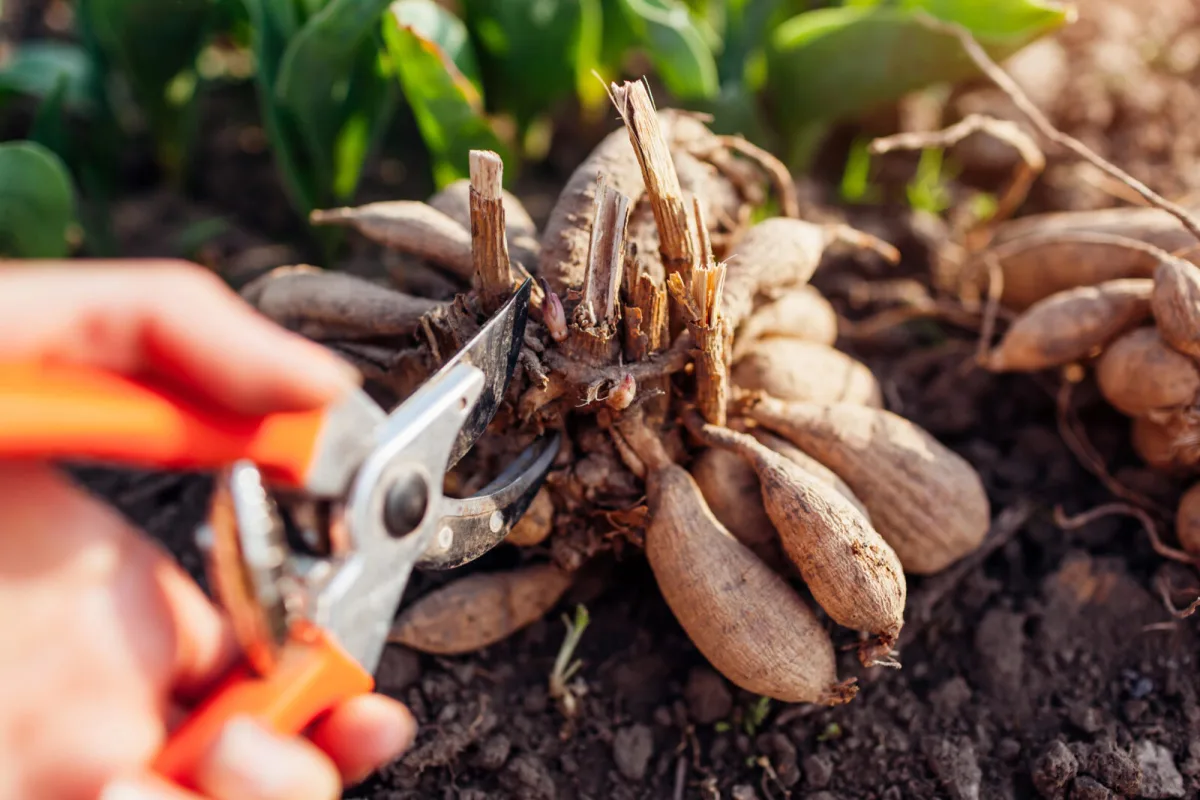
Tender garden plants often won’t survive frost unaided, so it’s important to decide in good time how you’ll protect them for winter. Most gardeners choose between two approaches. Either you lift the plants, cut them back and store them dormant, or you leave them where they are and protect them with a thick layer of mulch. The right choice depends on the plant species, how cold winters are in your area, and the conditions in the border.
It’s best to plan protection at the first signs of frost, usually from September to November. In colder or windier sites you’ll often need to act sooner, while in milder areas some plants can overwinter outdoors even without being lifted.
Which plants can be lifted and stored
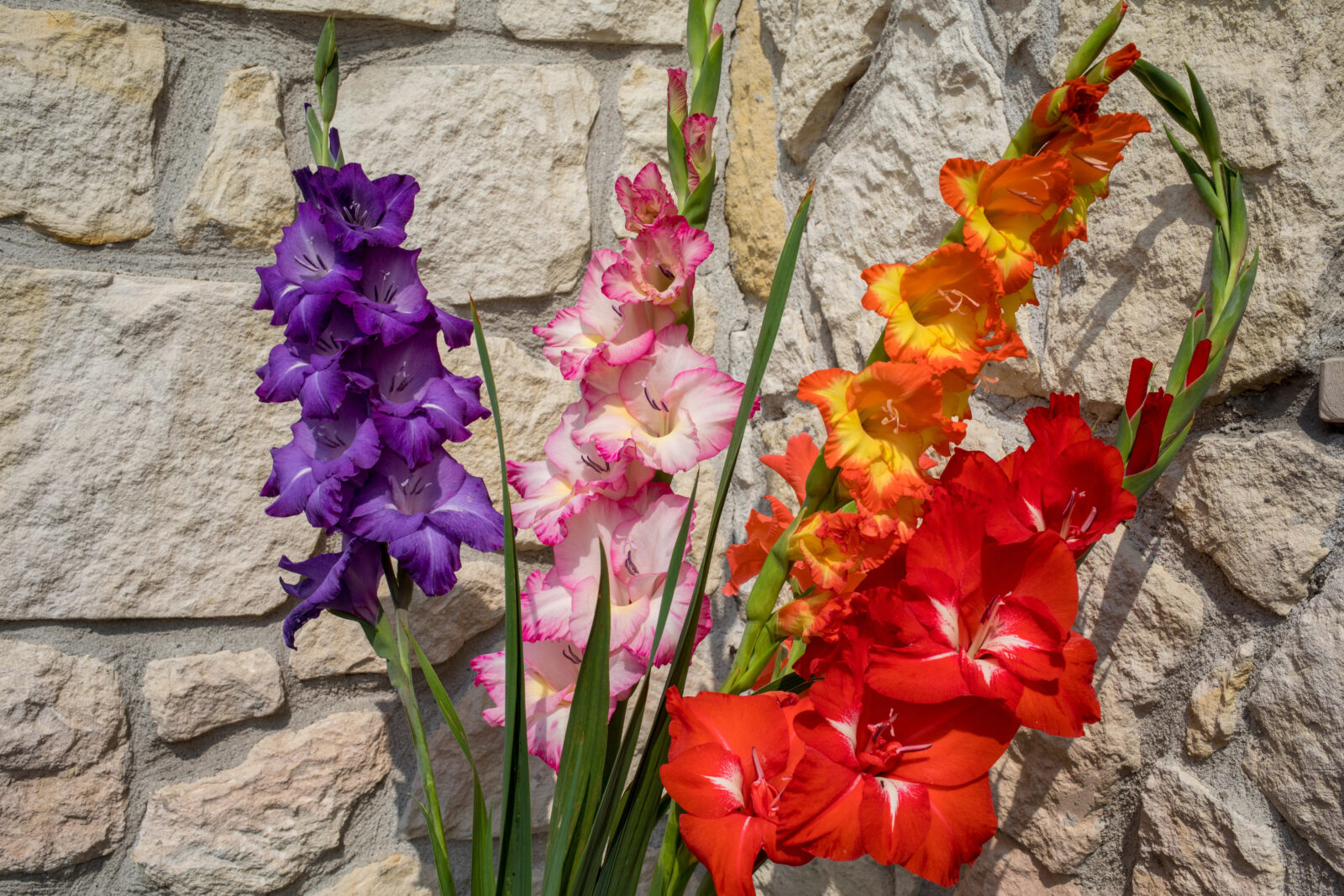
Plants most suitable for lifting and winter storage include dahlias, cannas, tuberous begonias and gladioli. These species form storage organs underground—such as tubers, rhizomes or swollen tuber-like roots—that can survive the dormant period out of the soil.
This approach is especially practical where winters are longer and frosts are harder. Lifting the plants reduces the risk of freezing and of rotting in waterlogged soil. Another advantage is that you can monitor their condition throughout storage.
When mulching in place may be enough
In sheltered parts of the garden, where the soil drains well and winter isn’t extreme, you can leave some more tender perennials outdoors. Cut back the top growth and cover the crown and root zone with a thick layer of dry organic material. This cover helps limit frost penetration and reduces temperature swings.
In milder regions, cannas and dahlias can sometimes overwinter this way. The same protection also benefits deciduous agapanthus, globe artichokes, and in some cases young lily shoots, which can be vulnerable to late spring frosts. With more tender subshrubs, you can cut the plant almost to ground level and then cover it with a deep mulch layer.
How to lift cannas correctly
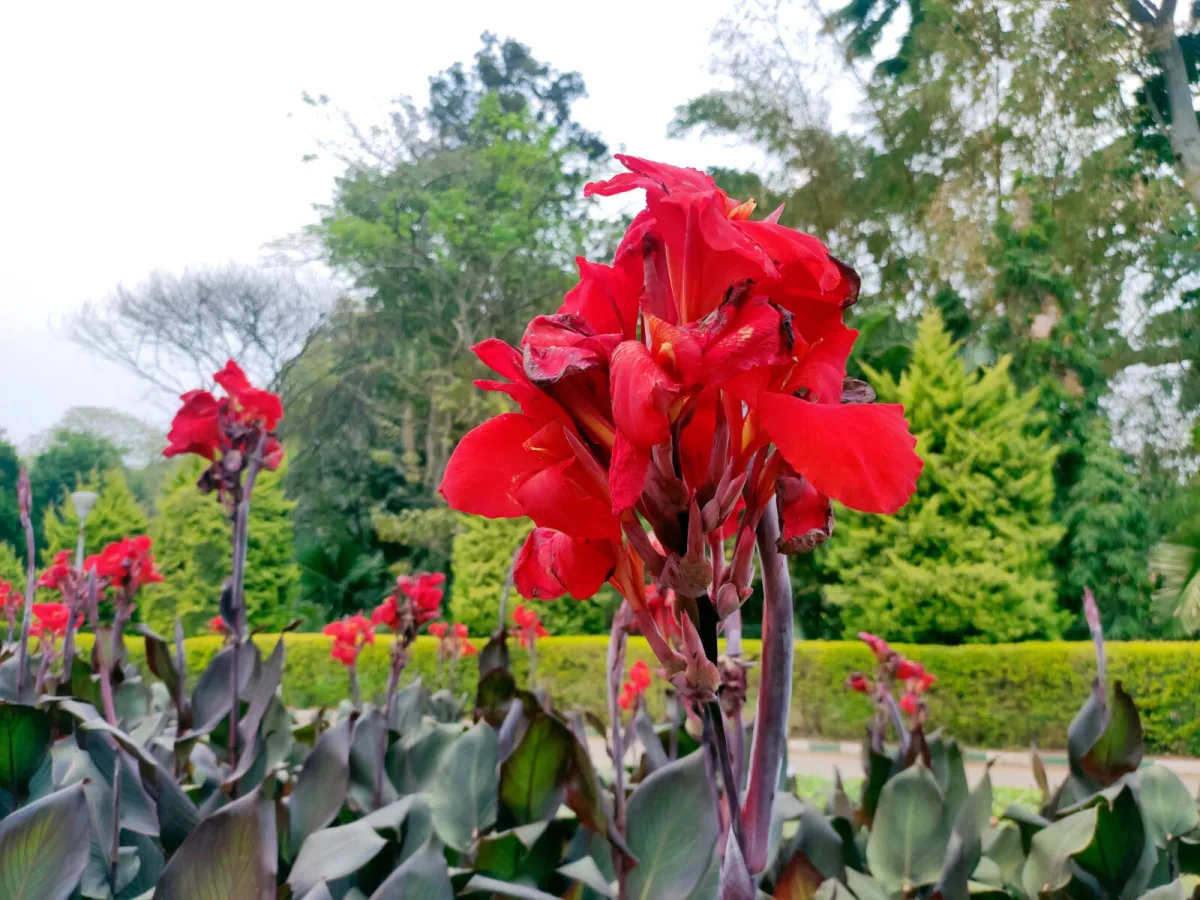
Cannas are usually lifted only after their leaves have been damaged by the first frost. At that point, cut the stems back to a few centimetres above the ground. Then carefully lever the plant up with a garden fork so you don’t injure the roots or fleshy rhizomes.
After lifting, brush off excess soil and debris. The rhizomes are then stored in boxes or trays filled with sand, coir or vermiculite, leaving the crown slightly exposed. Over winter, keep them only lightly moist and store them in a cool, frost-free place—such as a greenhouse or a bright unheated room. Container-grown plants can often be left in their pots after cutting back.
How to overwinter dahlias and begonias
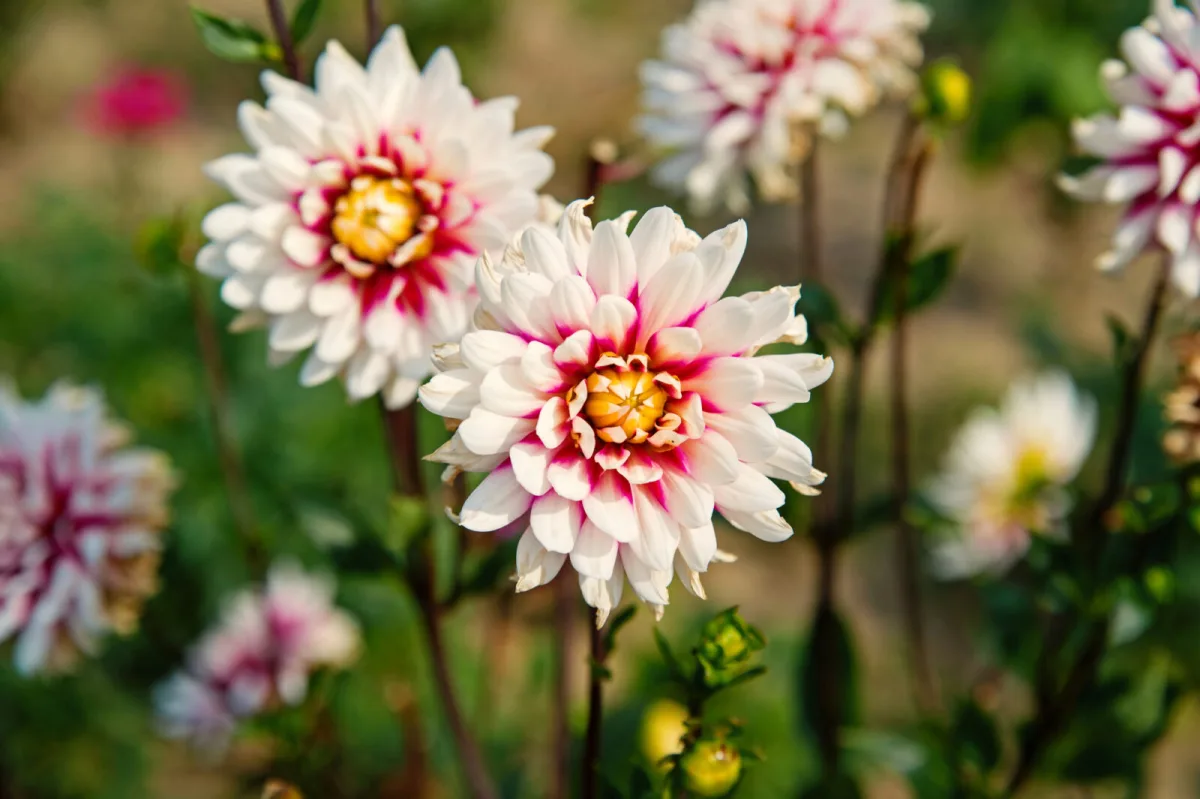
Dahlias are lifted much like cannas—after the first frost blackens the foliage. Cut old stems back to about 5 cm and remove fine roots. When lifting, it’s crucial not to damage the tubers. Any cuts, bruises or cracks can lead to rot over winter.
After lifting, clean off the soil—ideally by hand—and allow the tubers to dry. It helps to store them upside down in a cool place for a few weeks so excess moisture can drain away. Then label the different cultivars and place them in boxes with dry sand, soil or compost, so only the stem stubs remain visible. A cool but frost-free spot is ideal, such as a garage or garden shed.
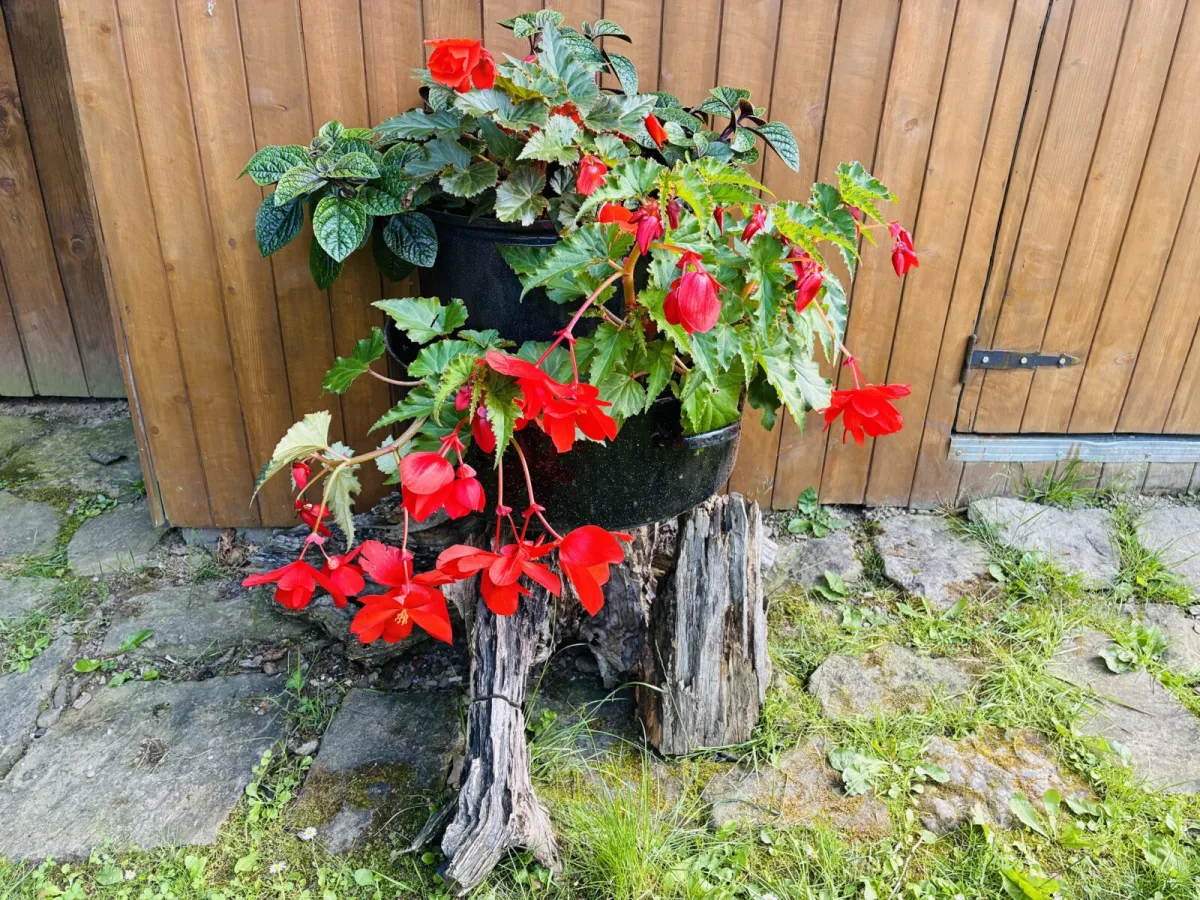
Tuberous begonias are stored essentially the same way as dahlias. The key is dryness, dormancy and protection from frost.
How to overwinter gladioli and similar plants
Gladioli form corms that can be stored much like bulbs. After lifting, let them dry and keep them in a dry, airy place. Here too, excessive moisture or poor ventilation greatly increases the risk of disease during winter.
The general rule is simple: storage organs must be kept dry, cool and frost-free through winter, but they must not sit in a sealed, humid environment.
Best materials for winter mulch
If plants are staying outdoors, the quality of the protective layer is what makes the difference. Mulch should be deep enough, on the dry side, and airy. You can use straw, garden compost, chipped bark, or well-rotted manure. Each of these materials helps insulate the root zone and reduces the sharp cycle of freezing and thawing.
It’s important that the site doesn’t become waterlogged in winter. Cold combined with wet conditions is often more dangerous to tender plants than frost itself. That’s why mulching works best in well-drained spots and out of the wind.
What to watch for during winter
The most common problem in storage is rot of tubers, rhizomes and other swollen storage organs. This mainly happens when they’re put away too damp or kept in an unventilated space. It’s worth checking stored material occasionally through winter and removing any affected parts promptly.
Plants left outdoors under mulch may sprout a little later in spring than those that were lifted, stored and replanted. That doesn’t necessarily indicate a problem—often it’s simply a natural response to colder soil and heavier winter protection.
How to choose between lifting and mulching
Your decision should be based on local conditions and the needs of the specific plant. If you live in an area with harsh winters, it’s usually safer to lift and store. If your garden is in a warmer location, with a sheltered border and lighter soil, it may be easier to leave plants in place under a thick mulch layer.
The most important thing is to act in time. As soon as the first threat of frost appears, it helps to know which plants are heading into storage and which will get their winter blanket right in the border. Fast, correctly applied protection often determines how well plants come back in spring.
Source: Rhs, Gardening Know How , Pestrazahrada.cz
Related articles
Common Mistakes When Harvesting and Storing Pears and How to Keep Them Fresh Longer
Pears need harvesting slightly under-ripe and then ripened off the tree to develop their best flavour and texture. Learn how to pick, ripen and store them correctly so they last well into winter.

How to Store Carrots for Winter and Why the First Step After Harvest Matters
Carrots can stay fresh for much of the winter, but only if you handle them properly right after harvest. Careful sorting, gentle handling and the right storage method prevent rot and keep roots crisp for longer.
Simply Bringing Balcony Plants Indoors Isn’t Enough
Many popular balcony plants aren’t true annuals—they just can’t cope with frost. Overwinter them properly and they’ll restart stronger, flower earlier, and look fuller than newly bought plants.
Comments (0)
Be the first to comment.