
 English
 Polski
 Deutsch
 Nederlands
 Svenska
 Norsk
 Dansk
 Français
 Italiano
 Español
 Português
 Slovenčina
 Suomi
 Gaeilge
Do Not Cut Back Dahlias Before Lifting Them
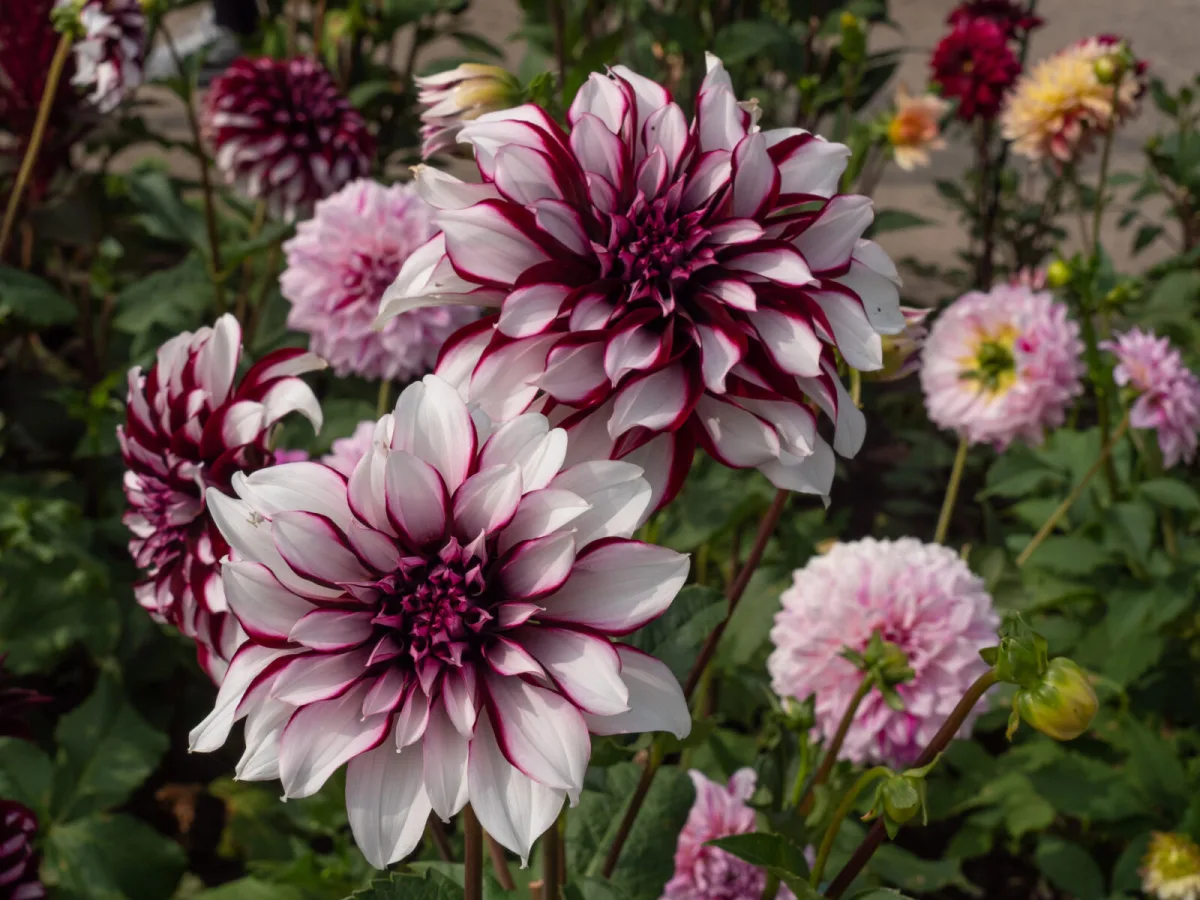
The most important rule for autumn dahlia care is simple: let the plants experience the first frost. That natural cold snap gives dahlias a clear signal that it’s time to go dormant. The top growth will gradually blacken, stems will collapse, and underground the tubers begin to mature and toughen their skins.
If dahlias are lifted too early, the tubers are often still immature. They may look healthy, but over winter they commonly shrivel and by spring they’re no longer usable. That’s exactly why it pays not to rush and to let the plant complete its natural transition into dormancy.
When to dig dahlias after the first frost
Once frost has arrived, it’s not a good idea to start digging immediately. It’s better to wait at least one to two weeks. During this time the tubers have a chance to ripen further and prepare for storage. This greatly increases the odds they’ll make it through winter without damage.
It’s also very important not to cut the stems back beforehand. A hollow dahlia stem opens up after cutting, and water can run into it. If that water then freezes and thaws, it can damage the tubers themselves. It’s safer to leave the plant intact for as long as possible and let the stem remain naturally sealed.
What to do if frost hasn’t arrived yet
If your dahlias are still growing and frost hasn’t appeared in the garden yet, the best approach is to wait. Don’t cut plants back “just in case,” and don’t dig them simply out of fear of the weather. Nature usually takes care of telling plants when to end the season.
After frost arrives, it’s best to keep that buffer of at least one week before lifting the tubers. If no frost comes by mid-November, you can safely lift dahlias even without it. At that point there’s no reason to wait longer.
Growing in warmer areas without hard frosts
In regions with milder winters where hard frosts are rare, you’ll need a different approach. At the start of November, reduce watering and allow the soil to dry gradually. The dahlias will start to look tired and will stop actively growing.
Mid-November is then a good time to lift the tubers and store them for winter. If you have an older refrigerator available, for example in a garage, you can divide the tubers and keep them there. Dahlias grown in warm climates still need a rest period so they can restart strongly the following season. In spring, roughly in March or at your usual planting time, you can put them back in the ground.
Why stems shouldn’t be shortened too early
The reason is down to their structure. A dahlia stem is hollow inside, and after cutting it becomes an entry point for moisture. Rain or condensation can get inside and, with fluctuating temperatures, create conditions that damage the tubers. Keeping the stem intact is therefore a simple but very effective form of protection.
Cutting back too early can do more harm than good, especially during changeable autumn weather.
Washing tubers isn’t a good idea
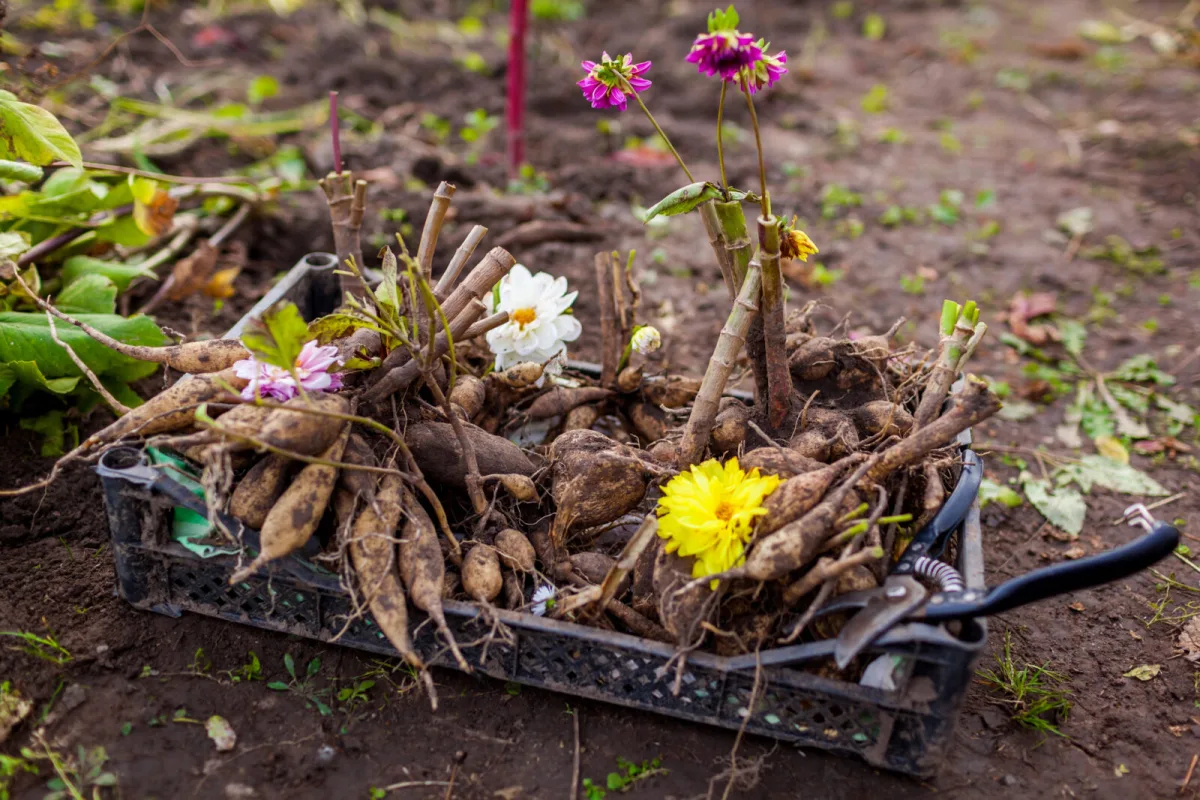
After lifting, it’s best to simply knock the tubers gently or remove loose soil by hand. Rinsing with a stream of water isn’t recommended. Wet tubers are much harder to dry before storage, and insufficient drying is a common reason for winter losses.
If they stay too damp, they can rot easily. Once rot sets in, the tuber usually can’t be saved. Dryness before storage is therefore absolutely essential for success.
Do you always have to lift dahlias
Not every grower feels the need to lift tubers every year. If you only have a few plants and don’t want all the work involved in storage, you can choose a simpler approach. After frost hits, cut back the top growth, mulch the spot well, and in spring see whether the plant resprouts.
However, this isn’t a certainty, more a gamble on luck and a mild winter. Sometimes dahlias survive without issues, other times they don’t. For some gardeners it’s still acceptable, because replacing plants in spring may be easier than more complicated overwintering.
How to store dahlias properly over winter
Three rules are key. First, let the plants go through frost in the bed. After lifting, make sure they never freeze during storage. And finally, dry the tubers really thoroughly before putting them away.
A good place is often an attached garage or another space where the temperature doesn’t drop below freezing. Unheated garden sheds and outbuildings farther from the house can be risky, because tubers can freeze there easily.
Options for storing tubers
You can keep tubers as whole clumps or divide them. A cardboard box lined with newspaper works well. It helps to layer them with peat moss, which helps maintain more even humidity and also provides some protection from temperature swings. You can repeat the layers of peat moss and tubers until the box is full.
The ideal temperature for winter storage is roughly 4 to 10 °C. Humidity should be moderate to on the higher side so tubers don’t dry out and shrivel. Through winter, it’s sensible to check them about once a month and remove any damaged pieces.
Dividing tubers during winter
It’s a good idea to divide tubers at least once during the winter period. This gives you more planting material for the next season and makes the stored pieces easier to handle. Dividing makes sense when tubers are dormant and you have time to assess their condition.
Careful sorting in winter also helps you spot weak, dried-out, or damaged parts before they cause problems in spring.
What to watch most closely when overwintering
Dahlias need to feel the cold before lifting, but once lifted they must not freeze. It’s just as important to store them only when they’re truly dry.
Anyone who follows these rules has a much better chance of pulling firm, healthy tubers from storage in spring, ready for planting again. Autumn care takes a bit of patience, but it’s what determines how abundantly your dahlias will bloom next season.
Source: Dahlia Barn, Gardening Know How , Pestrazahrada.cz

A nurse by profession, she is passionate about healthy living, nature, and everything that benefits both people and the world around them. In her free time, she enjoys gardening, cooking, sewing, and caring for her family. In her articles, she loves combining professional expertise with practical experience from the garden and everyday life.
Related articles
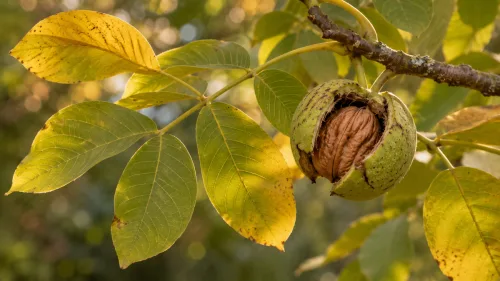
Walnut leaves contain a compound gardeners worry about but chicken keepers quietly put it to use
Walnut leaves contain juglone, a natural substance that can suppress the growth of some plants. Used sensibly, though, they can make excellent coop bedding and a practical weed-suppressing mulch in paths.
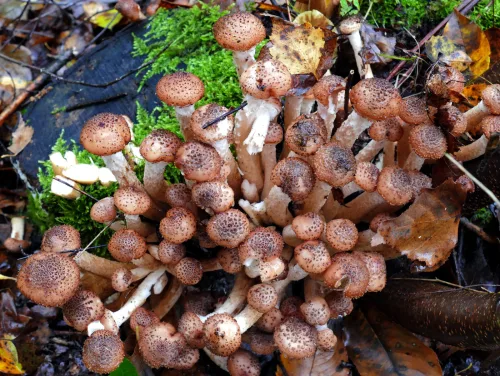
Mushroom foraging doesn’t end in November: four species that keep fruiting in the cold, but one needs extra caution
A sharp drop in temperature doesn’t have to mean the end of mushroom season. With the right locations and a bit of care, you can still find several worthwhile edible species in November.

Pumpkin Purée Is an Autumn Kitchen Treasure You Can Make in an Hour and Use in Sweet and Savoury Dishes
Pumpkin purée is a simple, versatile staple that works in everything from cosy soups and sauces to cakes and seasonal coffees. Make a batch in about an hour and you’ll have an autumn shortcut ready for countless recipes.
Comments (0)
Be the first to comment.