
 English
  Polski
  Deutsch
  Nederlands
  Svenska
  Norsk
Norsk  Dansk
Dansk  Français
  Italiano
  Español
  Português
  Slovenčina
  Suomi
Suomi  Gaeilge
 Stop the spring slug battle before it starts
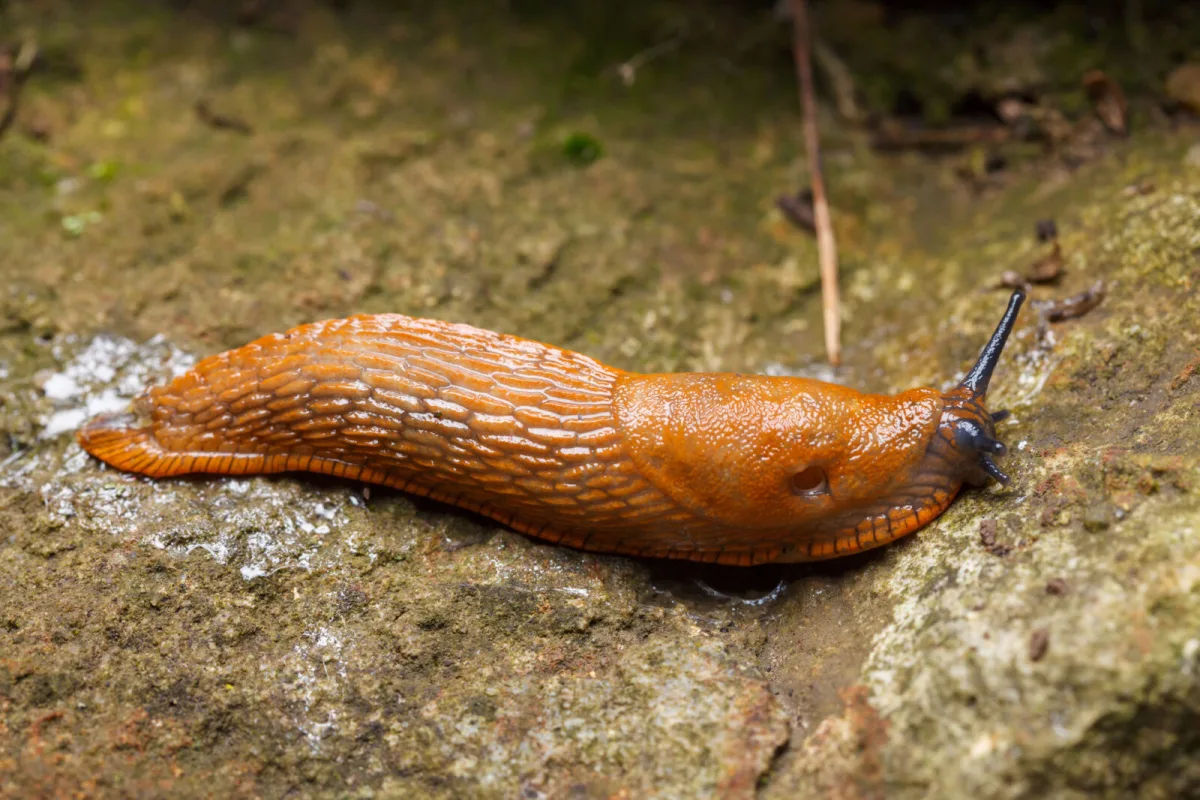
By the end of the season, most gardeners are fed up with slugs. They damage vegetables, chew ornamental plants, and in damp weather they seem to turn up almost everywhere. But autumn offers a simple way to cut their numbers dramatically next year. The key is to focus not on the adults, but on the eggs that hatch into new pests in spring.
If you manage to find and remove some of the egg clusters in time, spring seedlings will be far safer. It doesn’t mean slugs will disappear completely, but the pressure on newly planted crops can be noticeably lower.
Why autumn matters so much
Slugs breed through the season and lay large numbers of eggs in autumn. A single slug can leave hundreds behind, so even a small population can quickly turn into a spring invasion. Once temperatures rise, young slugs rapidly seek out tender leaves of lettuces, seedlings and favourite perennials.
That’s exactly why it pays to act before the eggs overwinter safely. You reduce the next generation before it has a chance to do damage in the beds.
Where to look for eggs and how to recognise them
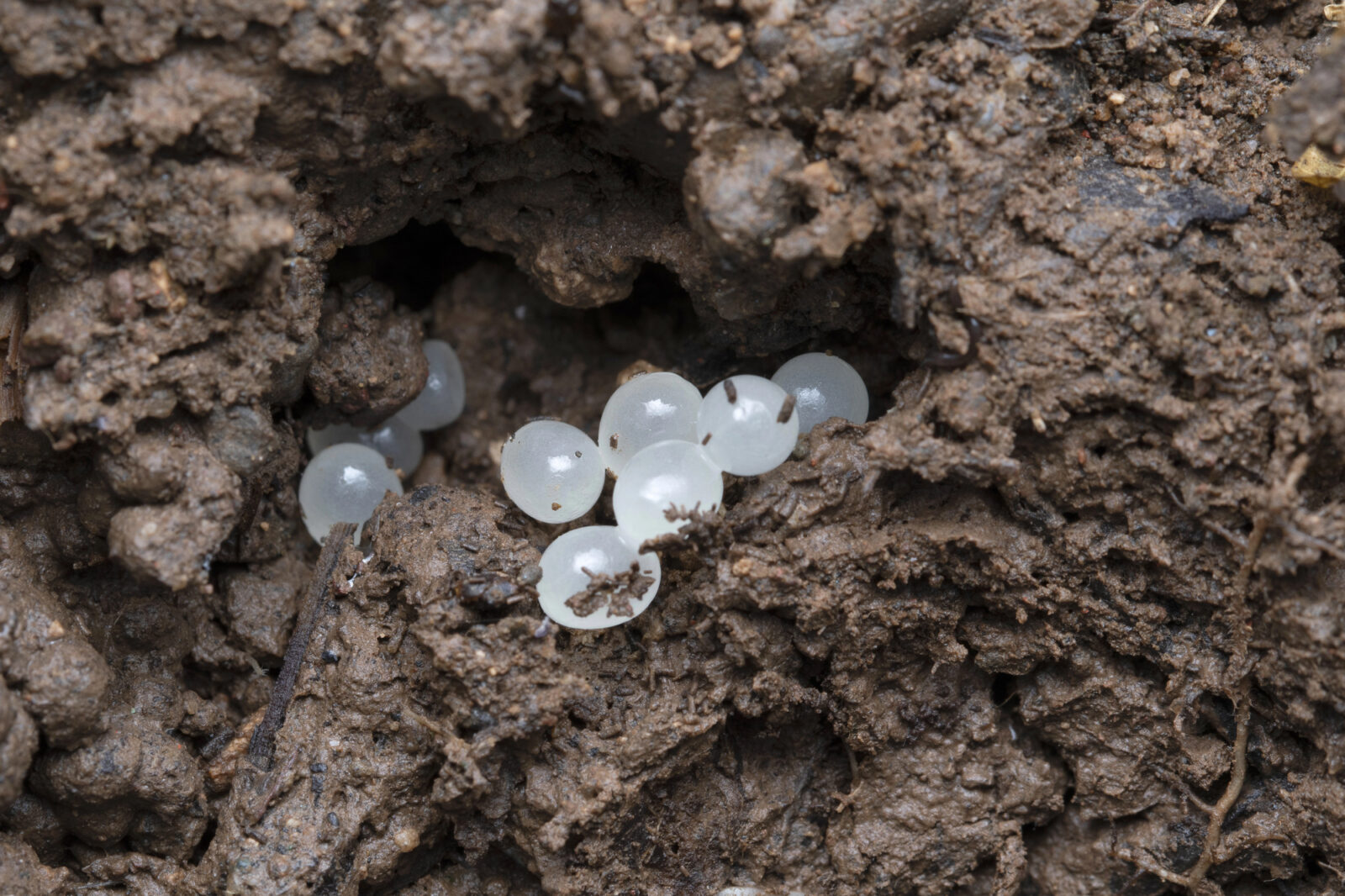
Slug eggs aren’t large, but with a careful check they’re usually easy to spot. They’re whitish to milky in colour, round, and look like tiny pearls. Slugs tuck them into sheltered places that stay damp and undisturbed.
Most often they’re hidden in soil cracks, in cavities under stones and boards, beneath water containers, in the compost heap, or in small hollows left after harvesting vegetables. Those are exactly the nooks worth walking around and checking in autumn. The more thorough you are, the better the chance you’ll come across egg clusters.
A simple way to destroy them without fuss
As soon as you find eggs, simply scrape them out with a hoe or other tool and leave them on the soil surface. There they often dry out, or become food for birds that forage intensely in autumn for anything edible. If you keep chickens, they can be a big help with the clean-up too. On top of that, they scratch the soil, aerate it, and enrich it naturally.
Autumn digging, hoeing and checking hidden damp spots can significantly reduce the number of slugs that would otherwise appear in spring on your beds.
If you don’t manage an autumn check, you can do something similar very early in spring. As soon as the ground loosens after winter, it’s worth hoeing over beds before sowing and planting. You may still come across some overwintering egg clusters then.
Plants that discourage slugs
Destroying eggs alone usually isn’t enough, because you can’t find them all. That’s why it helps to strengthen protection with smart planting choices. Slugs generally dislike strongly aromatic plants, and they’re also less keen on plants with tougher or hairy leaves.
Good options include lavender, yarrow, wormwood, lady’s mantle, ferns and spurges. These won’t guarantee complete protection, but they can make a bed less appealing to slugs.
What to avoid instead
Some plants attract slugs far more than others. The biggest draw tends to be plants with soft, juicy leaves. These are often the first victims when slugs show up in spring.
Be especially careful with hostas, dahlias, marigolds and other perennials with tender foliage. If you grow them, it pays to keep a close eye on them as they break into growth and protect them early.
If you want a biological solution
If you don’t want to rely on chemical products, you can use parasitic nematodes in spring. They’re applied with watering at the time the first slugs appear and perennials start growing. It’s a biological method that uses slugs’ natural enemies.
The advantage is that it’s gentle on people, children and the usual garden wildlife. Even so, it’s best to treat nematodes as part of a broader strategy. You’ll get the best results by combining autumn egg hunting, spring bed checks and sensible plant choices.
A smaller spring problem starts right now
If you want a calmer start next season, it’s worth giving the garden a little attention right now. Collecting slug eggs in autumn is a quiet but effective step that can protect new plantings and vegetable beds. The fewer egg clusters left in the soil, the smaller the spring surge of pests will be. And that’s help every garden will appreciate.
Source: BBC Gardeners World, Prim Receptář, RHS, Pestrazahrada.cz

A lover of nature, gardens, and everything that moves, blooms, or grows. He literally grows everything, from herbs to rare species, and he enjoys caring for animals just as much. In his work, he connects modern technology with tried-and-tested grandmotherly methods and is happy when both paths lead to the same goal.
Related articles
Gardeners strengthen roses before winter with a simple kitchen mix, no chemicals needed
To help roses overwinter well and bloom more strongly next season, focus on gentle autumn feeding, moisture management and sensible protection. A simple homemade mix from everyday kitchen scraps can support root health without resorting to harsh chemicals.
How to Tell When to Stop Mowing in Autumn and Get Your Lawn Ready for Winter
There’s no fixed date for the last mow of the season—the key is whether your grass is still actively growing. Watch temperatures and growth rate to time the final cut and set your lawn up for a stronger spring recovery.
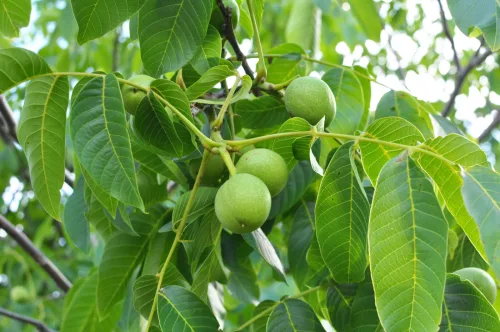
Walnut leaf compost can be safe if you don’t skip this key step
Walnut leaves can be composted and the finished compost can even be used on vegetable beds. The key is thorough, active composting and giving it enough time for juglone to break down.
Comments (0)
Be the first to comment.