
 English
  Polski
  Deutsch
  Nederlands
  Svenska
  Norsk
Norsk  Dansk
Dansk  Français
  Italiano
  Español
  Português
  Slovenčina
  Suomi
Suomi  Gaeilge
 Why hydrangeas wilt in summer even when watered and how to save them fast
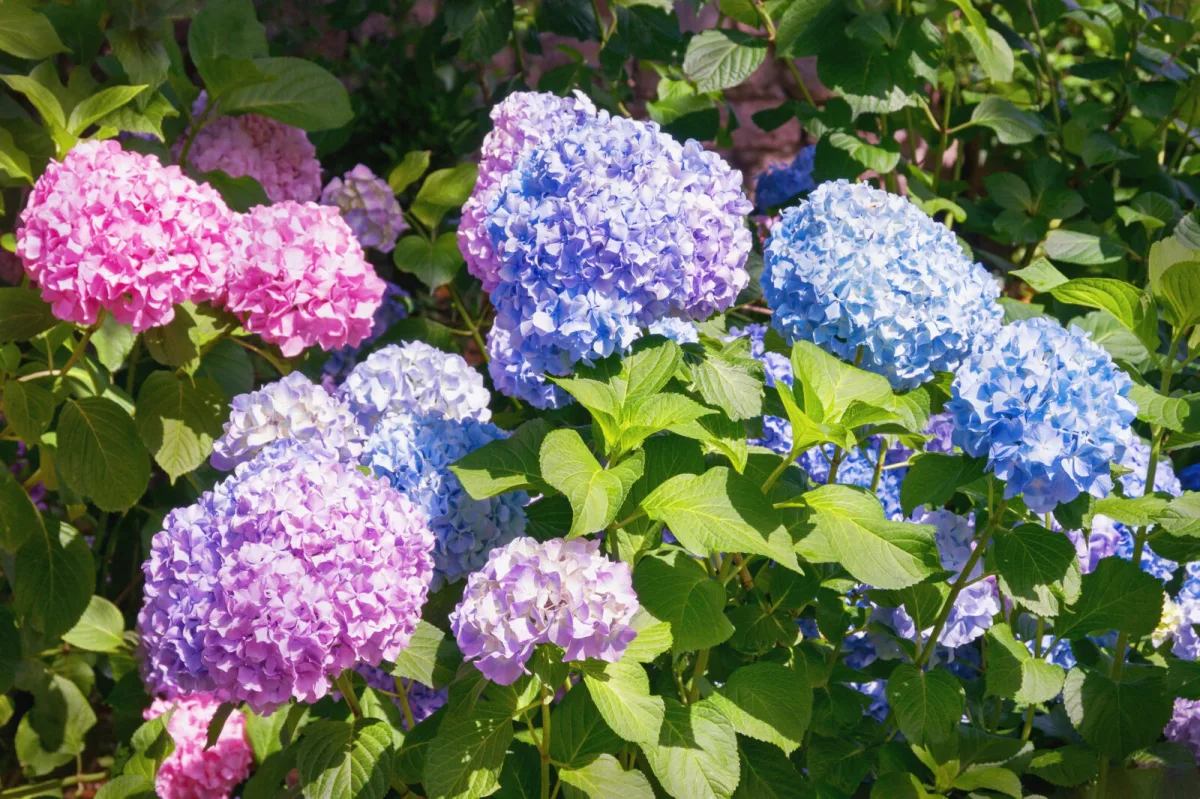
Hydrangeas are among the standout stars of the summer garden, yet during heatwaves they can look tired even when you water them conscientiously. Drooping leaves often tempt you to grab another watering can and add more water, but that can actually make things worse. First you need to work out what’s really happening inside the plant and around its roots.
The basic check is simple. Push a finger into the soil by the plant. Is it dry and crumbly, or does it feel cool, damp or even waterlogged? If the soil is genuinely dry, the hydrangea is probably just struggling to keep up with losses and watering is appropriate. But if the compost is wet and the leaves are still hanging, it’s not a lack of water; it’s a problem that prevents the plant from using it.
The most common reasons hydrangeas wilt even in moist soil
Repeated overwatering and a lack of oxygen at the roots
Constantly waterlogged soil is risky for hydrangeas. Roots need air as well as water, and if they sit for long periods in muddy, saturated ground, they begin to suffocate. The result is root rot and the gradual loss of fine feeder roots. A damaged root system can’t move water up into the leaves, so the plant looks wilted even though there’s more than enough water around it.
Overheating in the root zone
In summer, soil in full sun can heat up so much that the warmth reaches the roots. The most vulnerable are the fine rootlets, which are easily damaged by overheating and temporarily lose the ability to take up moisture. The result looks much like drought stress, even though the soil may still be damp.
Water loss through large leaves happens too quickly
Hydrangeas have large leaves that transpire a lot of water on sunny days. At the hottest time, the loss can be so fast that the roots can’t keep up, even when there’s adequate moisture in the ground. A typical sign is that the plant wilts mainly around midday and partly perks up again in the evening. This often points to a poorly chosen position with overly harsh sun.
Four steps that help hydrangeas cope in hot weather
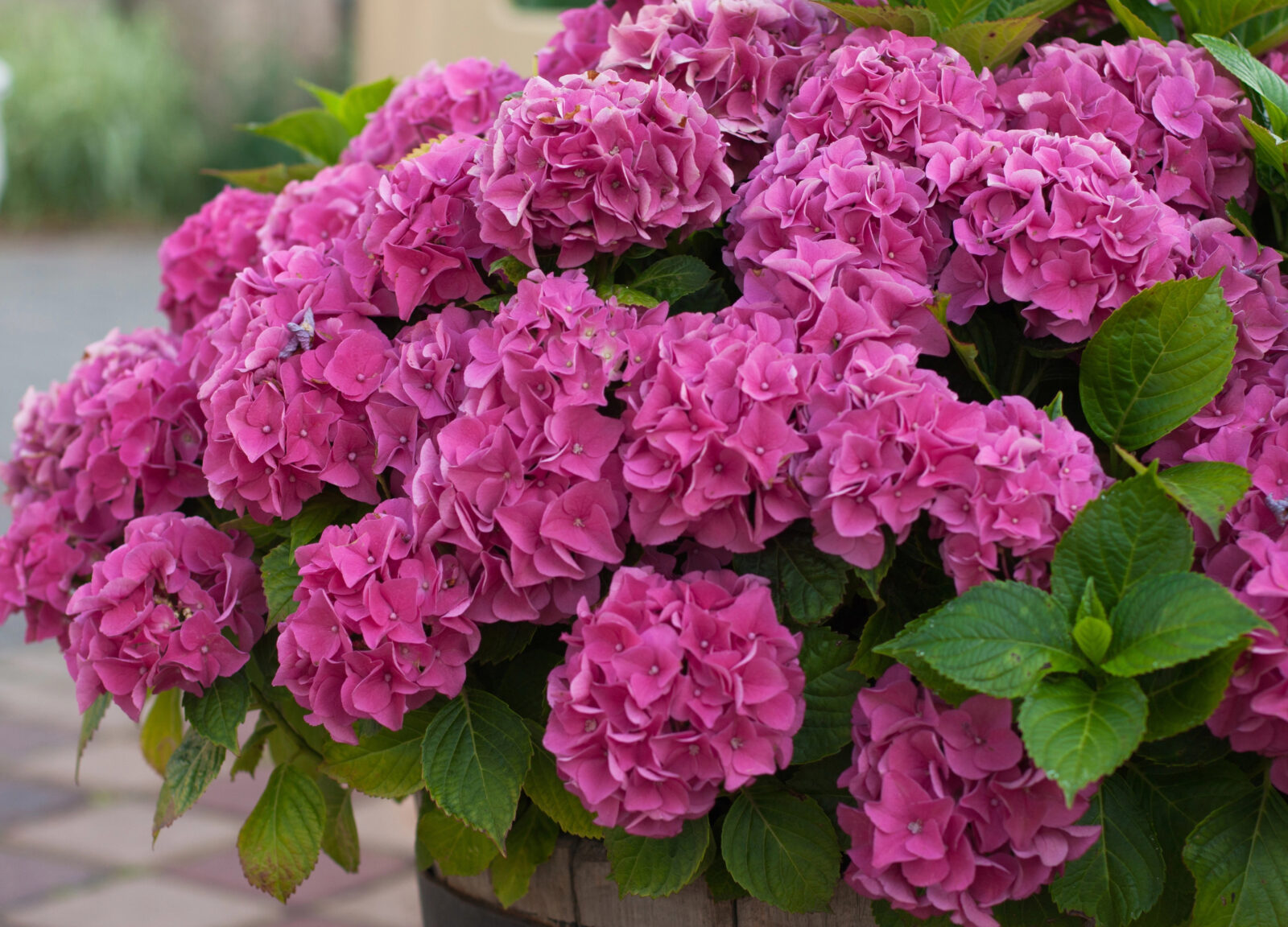
1) Check the soil and adjust your watering routine
As soon as you notice wilting, check soil moisture. If the ground is wet and smeary, cut back watering for a while and give the roots a chance to breathe. Very gently loosening the surface around the plant can also help air reach the soil more easily. With container-grown hydrangeas, proper drainage is essential. The pot must have a drainage hole and a drainage layer at the bottom, otherwise the effects of overwatering show up even faster.
2) Water in the morning and always directly at the roots
The best time to water is in the morning, when the soil hasn’t overheated yet and the plant has a chance to build up a reserve for the hottest part of the day. Pour water slowly and aim it at the roots, not the leaves and flowers. Splashing scorching-hot leaves can increase the risk of sun scorch and also encourages fungal diseases, especially if the foliage stays wet for a long time.
3) Provide temporary shade during midday heat
The most sensitive are bigleaf hydrangeas, which often dislike direct summer sun. Moving the plant while it’s in flower is risky, so short-term protection is more practical. During the worst heat, roughly between 11:00 and 16:00, create shade over the plants, for example with a parasol or by draping white horticultural fleece. You’ll immediately lower the temperature around the leaves and reduce extreme water loss.
4) Add a thicker layer of mulch
Mulch is one of the most effective helpers in summer. A layer about 6 to 8 cm deep of grass clippings or chipped bark slows down soil drying and also protects it from overheating. This keeps the roots in a more stable environment and helps the plant get through hot days without repeated wilting.
How to tell your hydrangea is starting to recover
After adjusting watering, adding shade and mulching, the leaves should gradually look firmer and the plant shouldn’t wilt as dramatically during the day. However, if drooping persists despite moist soil, or if yellowing and softening stems appear, it’s worth checking the roots and drainage. Long-term waterlogging is usually the most common reason hydrangeas look as if they’re thirsty even when there’s plenty of water.
Source: Urob si sám, Gardener’s World, Pestrazahrada.cz

A lover of nature, gardens, and everything that moves, blooms, or grows. He literally grows everything, from herbs to rare species, and he enjoys caring for animals just as much. In his work, he connects modern technology with tried-and-tested grandmotherly methods and is happy when both paths lead to the same goal.
Related articles
The More Often You Harvest, the Longer Plants Keep Cropping
With fruiting vegetables, frequent picking keeps plants flowering and producing for longer. A few crops, such as aubergines, are tastiest when harvested slightly earlier rather than fully mature.
Wasps Aren’t Just a Barbecue Menace They Can Ruin Your Garden Woodwork Too
Weathering isn’t always the main culprit behind damaged outdoor timber. Wasps can scrape fibres from boards and beams surprisingly fast, leaving grooves that soak up water and accelerate decay.
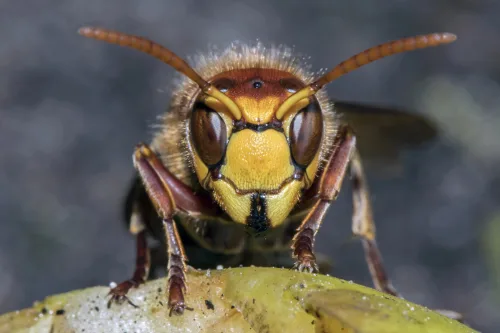
How to Keep Wasps and Hornets Off Your Patio with a Simple Chemical Free Household Repellent
Late-summer wasps and hornets can turn patio meals into a battle. A small dish of smouldering dry ground coffee helps mask food scents and makes the area far less inviting—without chemicals.
Comments (0)
Be the first to comment.