
 English
  Polski
  Deutsch
  Nederlands
  Svenska
  Norsk
Norsk  Dansk
Dansk  Français
  Italiano
  Español
  Português
  Slovenčina
  Suomi
Suomi  Gaeilge
 Homegrown apples can keep until Christmas if you follow a few little known rules
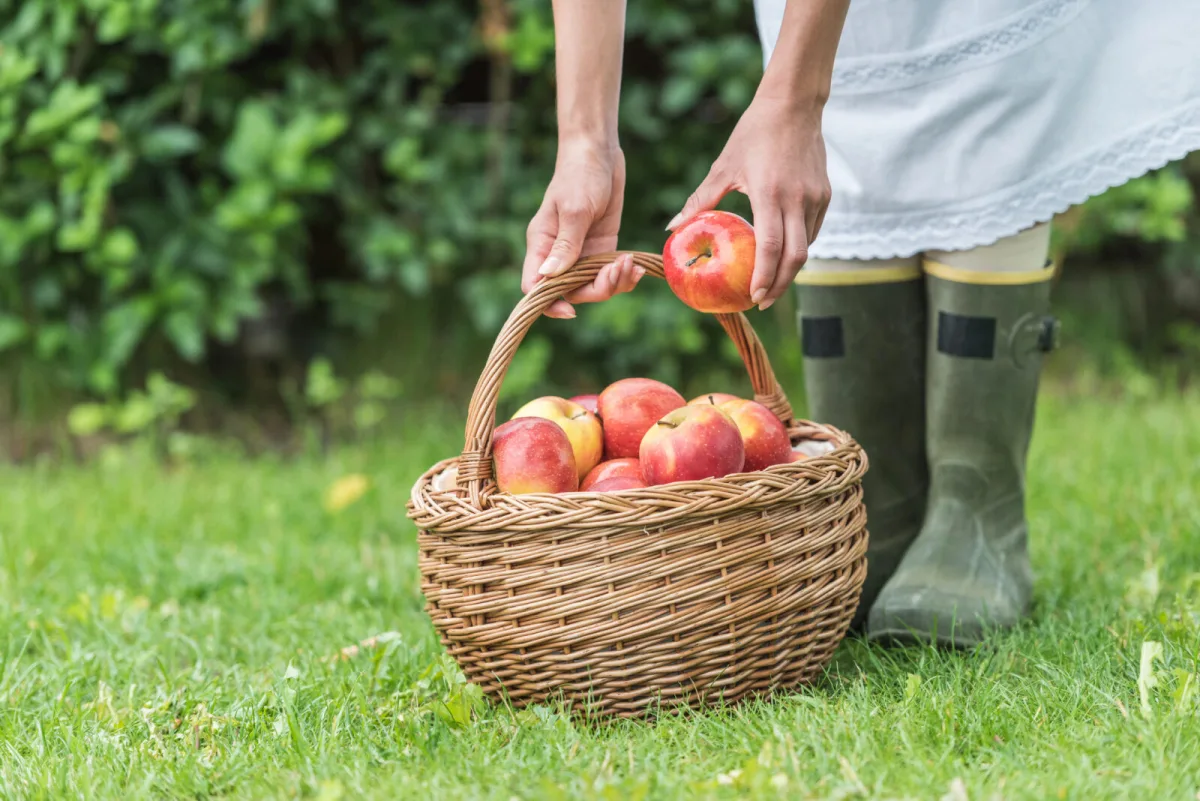
If fruit is handled correctly after picking and stored in the right conditions, it can stay in good shape for many weeks, sometimes even several months. That means you don’t have to use everything straight after harvest, and you can save part of the crop for later. With a bit of planning, for example, your own apples can still be on hand at Christmas.
Which types of fruit are suitable for storage
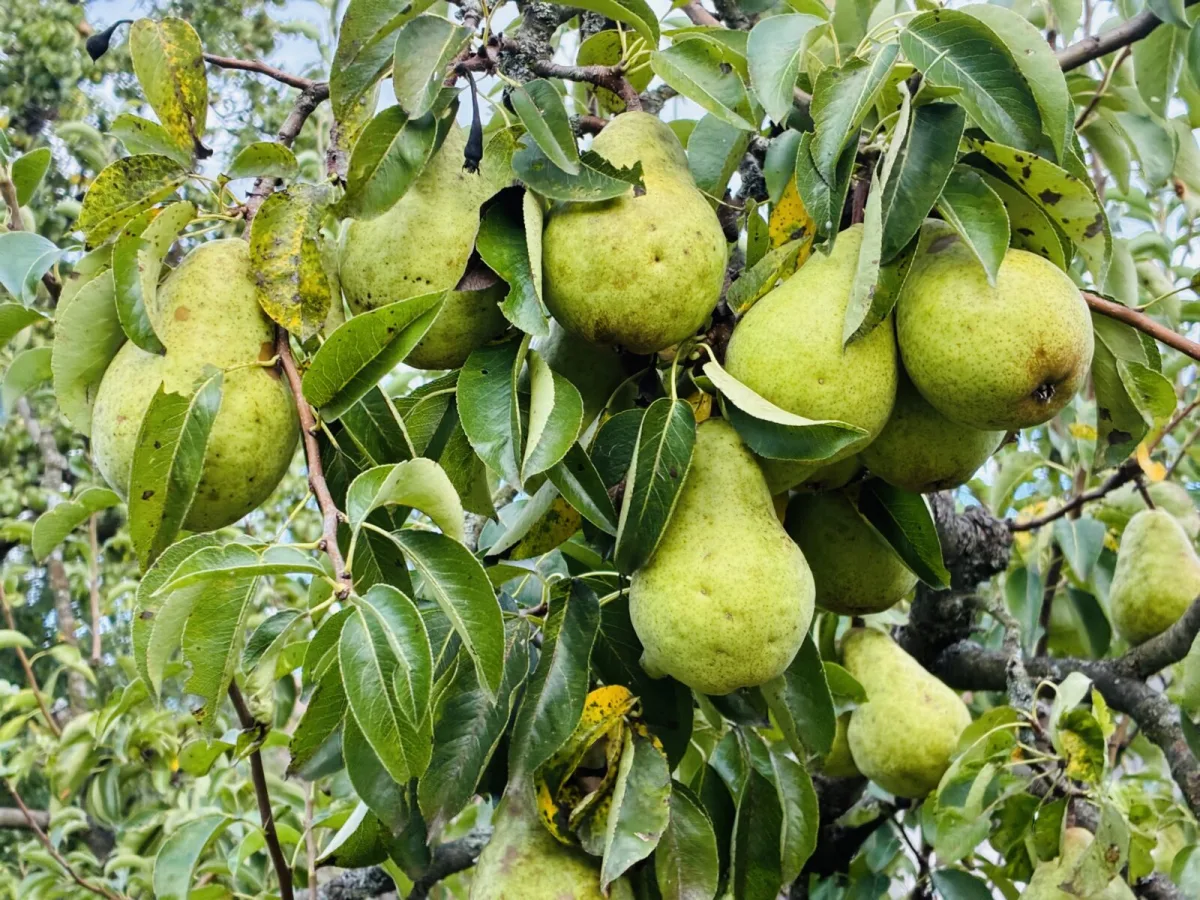
Not every fruit keeps equally well for the long term. Most commonly stored are apples, pears, quinces and medlars. Variety matters a great deal, because later-ripening types generally last longer than early ones. That’s why late varieties are usually the best choice for winter storage.
With apples, some dessert varieties and some cooking varieties are suitable for longer keeping. It’s similar with pears: certain varieties ripen more slowly and, when stored correctly, hold their quality for longer. Quinces and medlars can also be stored, but they usually won’t keep as long as well-storing apples.
When is the best time to store fruit
The storage season typically runs from late autumn to the end of winter. How long fruit keeps varies by type and variety. Mid-season apples usually last around four to eight weeks. Late apple varieties are often not ready to eat straight after picking and need a few weeks to mellow. After that, they can keep for several months.
Pears store for a shorter time, most often from two weeks up to about three months, depending on conditions and how ripe they were when picked. Quinces are best processed or used within roughly a month. For all fruits, the condition of the fruit at harvest and the quality of the storage space make a big difference to the result.
What the ideal place for storing fruit should be like
A cellar, shed or garage can work well, as long as you can maintain the right environment. The most important thing is a cool, even temperature, usually between 4 and 7 °C. The space must be frost-free, because freezing will damage the fruit. Apples don’t tolerate temperatures below 2.8 °C; pears can cope with temperatures around 0 °C.
Good air circulation, darkness, slightly humid conditions and protection from rodents are also important. If the store is too dry or too warm, fruit will start to shrivel and lose firmness. On the other hand, in a poorly ventilated space the risk of rot and the spread of moulds increases.
The right way to put fruit into storage
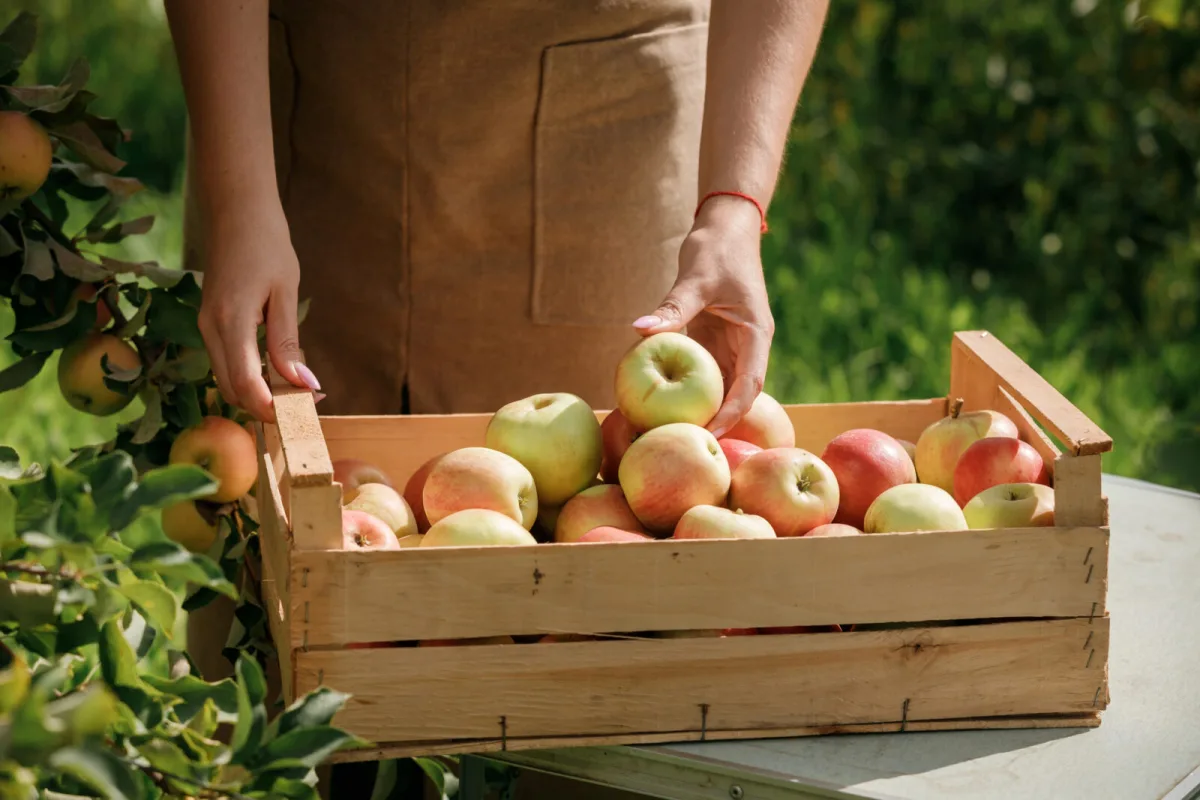
First, choose suitable containers. Crates, shallow wooden boxes, slatted shelves or other containers that allow air to move from the sides and above work well. Airflow helps reduce disease and prevents moisture from lingering on the fruit’s surface.
Only store fruit that is sound, unbruised and undamaged, ideally medium-sized and with the stalk intact. Fruit picked just before full ripeness is usually best for storage. Damaged pieces are better used first, because they will spoil quickly in storage.
Arrange fruit in a single layer so the fruits do not touch each other. Any bruise or pressure point can later turn into rot. With apples, gentle stacking is sometimes possible, but you must always keep adequate ventilation. Handle fruit carefully from picking right through to carrying it into storage.
Different varieties should be kept separate, because they don’t ripen at the same rate. If stored together, faster-ripening fruit can speed up the ripening of the rest. It’s practical to label boxes so it’s clear what should be used sooner and what can be kept longer.
Regular checks are the key to success
Stored fruit needs to be checked regularly. Pears ripen and over-ripen very quickly, so they need almost daily inspection. In a warmer place they soften more noticeably as they ripen; in a cool store, ripeness is often seen more in a subtle colour change. Once ripe, it helps to bring them indoors for a day or two, where they will soften to eating quality.
As soon as one box reaches optimum ripeness, it’s best to remove it from the store. The gases released could otherwise speed up the ripening of other fruit. Any fruit showing signs of rot must be taken out immediately so the infection doesn’t spread.
How to extend storage even further
Longer keeping can also be achieved with a few extra measures. Sometimes wrapping apples individually in paper, for example newspaper or tissue paper, helps. This method can extend storage, but it makes regular checking harder, and that’s otherwise very important.
If you don’t have a suitable cellar or other cool space, a small amount of apples can also be stored in the refrigerator. In that case, put a few kilograms of fruit into a plastic bag, make a few holes in it, and leave the top loosely folded so air can circulate. Stored this way, fruit can keep for several weeks.
Some pears can be left loose in the salad drawer in the fridge, which slows their ripening. This can be especially useful when you need to use fruit gradually at different stages of ripeness.
The most common problems during storage
The most common issue is rot. Fungal diseases mainly attack damaged fruit and spread especially where there isn’t enough ventilation. That’s why it’s important to thoroughly clean the storage area and containers every year. This reduces the risk of diseases such as brown rot or grey mould.
However, not every change in appearance means a fungal infection. Storage disorders can also occur. Dark spots on the skin can be linked to gases the fruit releases itself. Another disorder is sunken brown patches in the flesh, often associated with a lack of calcium.
In apples kept in plastic packaging, the flesh around the core can discolour due to a build-up of carbon dioxide. Sometimes the flesh looks glassy, which is linked to a disorder in how juices are distributed within the fruit. In pears and quinces, internal browning can also occur; the cause isn’t always clear, but it often relates to conditions during growth as well as during storage itself.
Fruit can also dry out and wrinkle. This is usually caused by temperatures that are too high or by insufficient humidity. It can help to lightly dampen the floor in the store from time to time, or to put apples into suitable packaging that reduces moisture loss. Protection from mice, rats and other pests is of course essential too, as they can quickly ruin your crop.
Careful selection of healthy fruit, a cool stable environment and regular checks determine whether fruit from the garden will keep its quality right through to winter.
Source: Rhs, Gardener’s World , Pestrazahrada.cz
Related articles
Don’t Throw Away Green Tomatoes They’ll Ripen Indoors and the Rest Belongs in the Pan
As temperatures drop at the end of summer, tomatoes often struggle to finish ripening on the plant. With a few simple tweaks you can help them colour up, ripen the rest indoors, and use any stubborn green ones in delicious recipes.
Walnuts will keep until next year’s harvest, but one post-harvest mistake can ruin them with mould
Home-grown walnuts can stay delicious for months—often right up to the next harvest—if you dry and store them properly. Moisture trapped in the kernel is the quickest route to musty flavour, rancidity and mould.
How to Protect Your Garden from Frost in Autumn and Spring
Frost can wipe out tender vegetables and herbs overnight, but a few well-timed steps can greatly reduce the damage. Learn which crops cope with cold, when to cover, and how water, mulch and smart garden layout help buffer temperature swings.
Comments (0)
Be the first to comment.