
 English
  Polski
  Deutsch
  Nederlands
  Svenska
  Norsk
Norsk  Dansk
Dansk  Français
  Italiano
  Español
  Português
  Slovenčina
  Suomi
Suomi  Gaeilge
 How to Protect Your Garden from Frost in Autumn and Spring
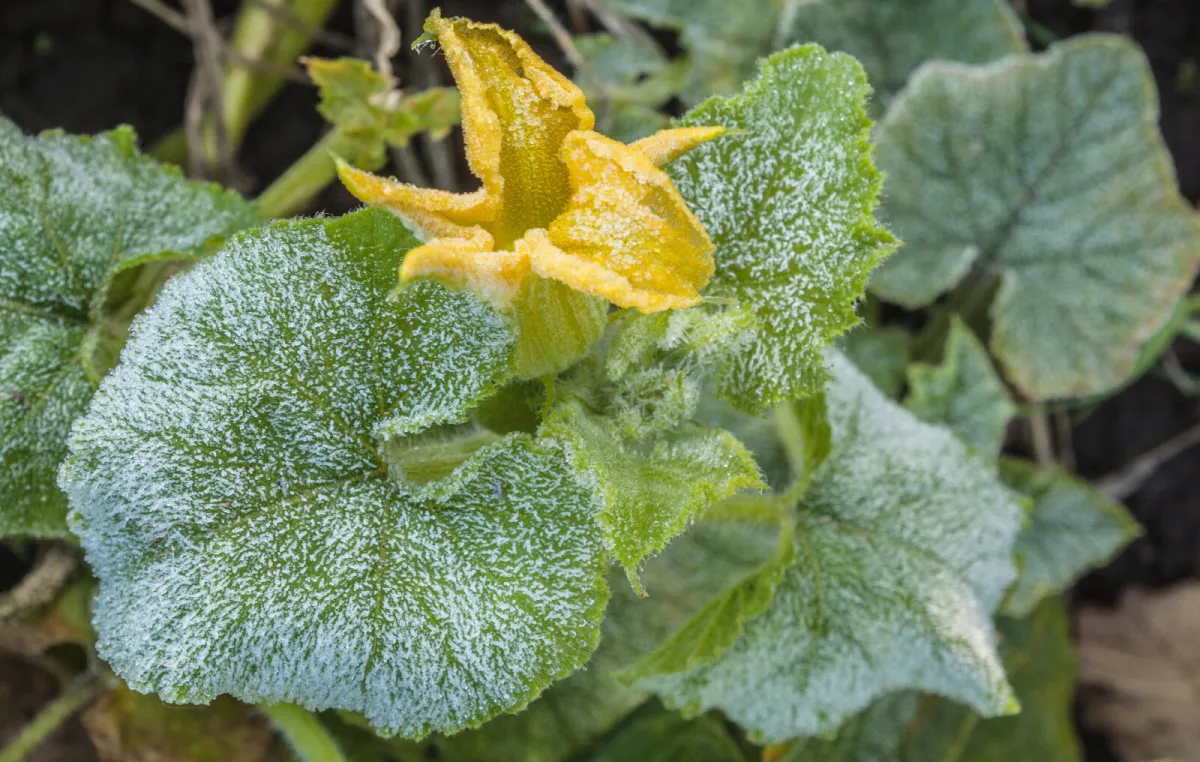
Frost can damage vegetables, herbs, and ornamental plants in a single night—plants you’ve spent months caring for. The most at risk are warm-season crops such as tomatoes, peppers, cucumbers, and beans. There are, however, crops that don’t mind the cold nearly as much, and some even benefit from it. If you prepare for the risky period in advance, you’ll avoid last-minute panic and unnecessary losses in the beds.
Watch the dates of the first and last frosts
The basics start with knowing when spring and autumn frosts usually occur in your area. These dates are only a guide, though, because they’re based on long-term averages. Real conditions in the garden are influenced by the site itself—proximity to walls, water, paving—and even small dips in the ground where cold air settles.
For gardeners, the key threshold is 0 °C, i.e., 32 °F. Even a light frost at this level can wipe out sensitive plants. Hardier crops such as kale or spinach can tolerate bigger temperature drops and often hold on until a harder frost around minus 2 to minus 4 °C. Even so, it’s sensible to act earlier: when the air temperature is a few degrees above freezing, it can be colder right at soil level and frost can still form.
Weather matters more than averages
Tables alone aren’t enough—you also need the current forecast. The greatest risk is on clear, still nights, when heat readily escapes from the ground into the air. Humidity plays a role too. Moist soil holds heat better than dry soil, which can help plants get through a cold night. In dry air, the soil surface and foliage cool more quickly.
That’s why it pays to track not only the expected minimum temperature, but the overall weather pattern. If calm conditions and clearing skies are forecast, it’s time to have protection materials ready—even when the numbers don’t look dramatic at first glance.
Which crops are tender and which tolerate cold
Vegetables can be divided into three groups. The first includes very hardy crops that can handle a brief frost with little to no damage. These include broccoli, Brussels sprouts, cabbage, curly kale, peas, radishes, spinach, and turnips.
The second group includes crops that can cope with a light frost, but longer or harder cold will damage them. This includes carrots, beetroot, cauliflower, celery, lettuce, chard, parsnips, potatoes, and onions.
The third group includes truly frost-tender plants. Beans, cucumbers, aubergines, peppers, pumpkins, courgettes, sweetcorn, melons, sweet potatoes, and tomatoes should be protected or harvested before frost arrives.
Interestingly, some crops taste better after a cold snap. Carrots and parsnips are often sweeter, Brussels sprouts develop a milder flavour, and broccoli can taste more pronounced after a light frost.
Covering is the quickest and most effective help
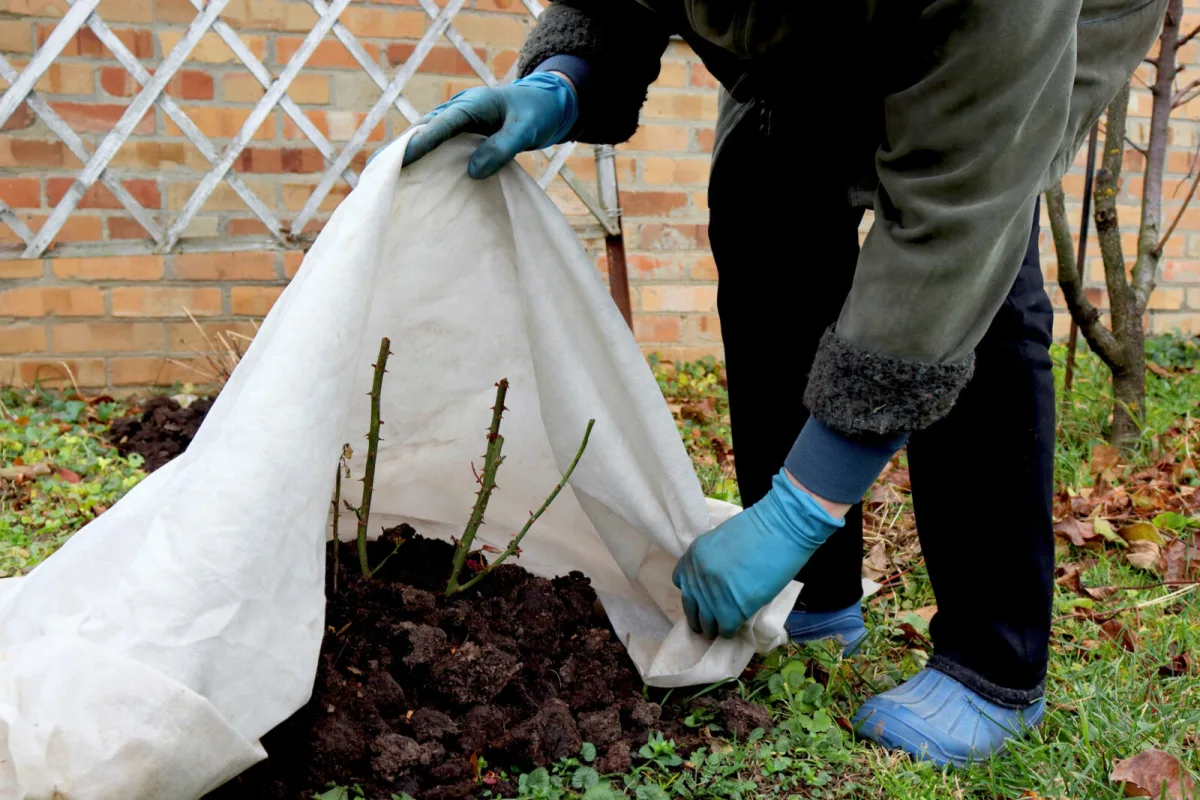
The most common protection is simply covering plants with horticultural fleece or another breathable garden fabric. This traps warmth stored in the soil during the day and helps maintain a gentler microclimate around the plants. Bedsheets or other lightweight fabric can work in a pinch. Plastic laid directly on plants isn’t ideal, as it can damage leaves and restrict airflow.
The cover should sit loosely so plants don’t suffocate and the material doesn’t press tightly onto the leaves. Weight the edges down with stones, bricks, or pegs to stop heat escaping from the ground. It’s best to set everything up before sunset. In the morning, once temperatures rise, remove the cover so plants get light and don’t overheat or become damp underneath.
Mulch, cold frames, and simple covers
Low-growing plantings can be protected short term with a layer of mulch—straw, leaves, or leaf mould, for example. Once the danger has passed, it’s best to pull the material back so plants regain access to light and air. For small seedlings, makeshift cloches from cut plastic bottles, paper bags, or simple newspaper “roofs” can also help.
If you want a more reliable solution long term, use a cold frame or a simple low tunnel made from hoops with polythene or a fabric cover. This is especially useful for lettuces, leafy greens, and other crops that stay in the ground into the cooler part of the year.
Water and soil as heat storage
Well-watered soil holds heat far better than dry ground. That’s why it’s recommended to water beds thoroughly ahead of an expected frost—without waterlogging. Moist soil cools more slowly overnight and slightly warms the air right above the surface.
Containers filled with water can help too—dark jerrycans or bottles placed among plants. They absorb warmth during the day and release it gradually at night. Just as important is caring for the soil itself. A layer of organic matter protects soil life, reduces erosion, and helps stabilise temperature and moisture.
Autumn protection and harvesting at the right time
In autumn, the most critical moment is often the first frost, because it arrives when there are still plenty of tender crops in the garden. That’s when it makes sense to harvest tomatoes, peppers, aubergines, cucumbers, beans, courgettes, pumpkins, and sweetcorn. Tomatoes can ripen after picking, provided they’re sufficiently developed.
Herbs such as basil can’t tolerate cold, so harvest them in time. Houseplants and tropical plants must be moved indoors before the first cold night. For vegetables that can cope with light frost, a thicker mulch layer can extend harvesting well into autumn. Carrots, curly kale, parsnips, black salsify, spinach, and leeks are often left outside the longest.
Spring frosts can be deceptive
In spring the problem is the opposite. Plants are waking up, gardeners set out the first seedlings, and a late frost can quickly wipe out your hopes. Laying horticultural fleece over the soil in good time helps warm it by a few degrees and speeds up sowing. This is especially useful on heavier, wetter soils.
While frosts are still possible, it’s safer to grow cool-season crops such as peas, spinach, kale, or cabbage. Warm-season crops like tomatoes and peppers are better started indoors or planted out only once the risk of frost has passed.
How to arrange your garden to reduce frost damage
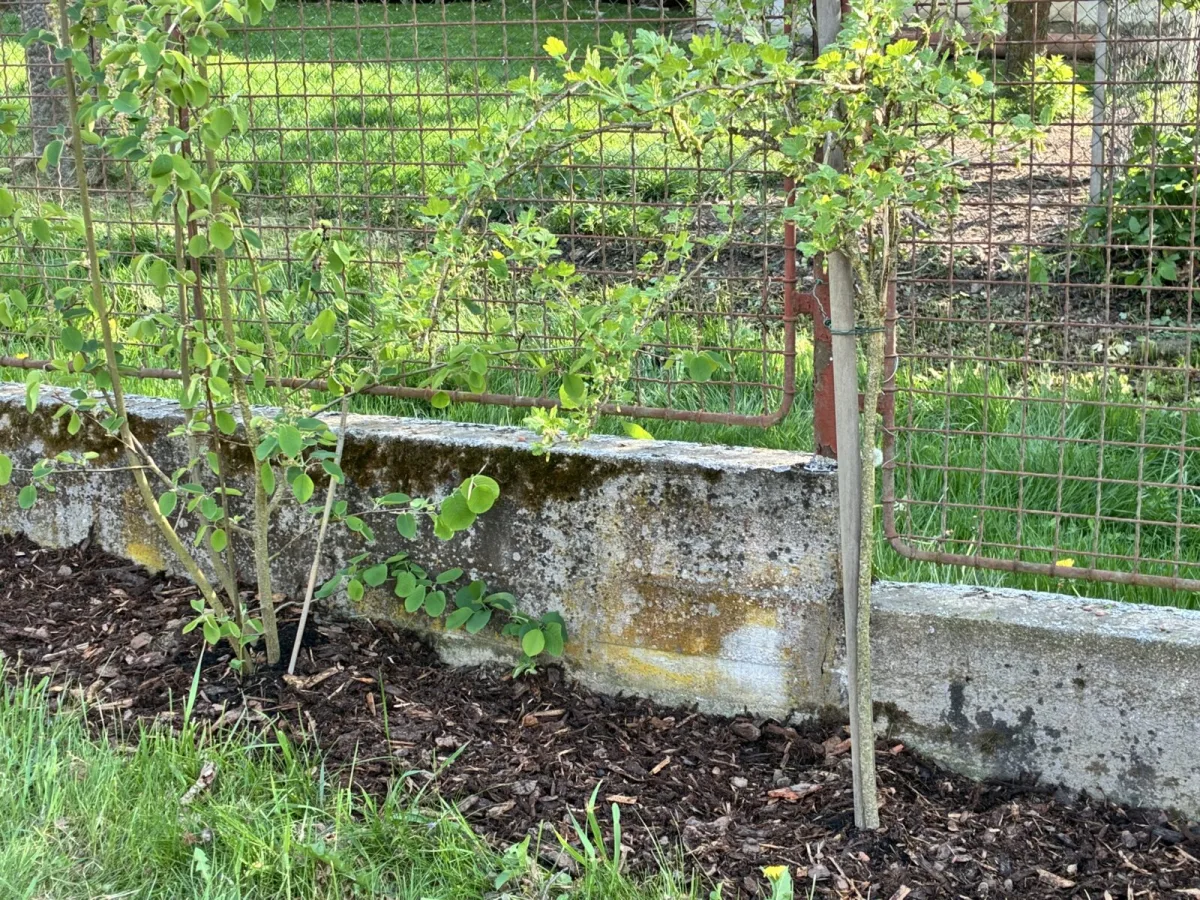
The placement of your beds makes a big difference too. A sunny south-facing slope warms up better during the day, and cold air can drain away more easily. Low-lying spots, on the other hand, hold cold air longer and are unsuitable for tender plants.
A south- or west-facing wall can also be an advantage, as it stores heat during the day and releases it slowly at night. Fences, shrubs, stone features, or trees can provide protection by reducing heat loss and cutting the wind. Plants set a little closer together create their own microclimate, and the soil beneath them doesn’t cool as much.
Containers and overwintering need special care
Potted plants are more vulnerable than those in the ground because their roots have less insulation. In winter, the issue isn’t only frost but also waterlogged compost. Containers should drain well and be raised slightly off the ground. The pots themselves can be wrapped with hessian or bubble wrap and moved against a house wall or into a sheltered spot.
In milder areas, root vegetables can be left in the ground if you cover them with a thicker layer of mulch. If a prolonged deep freeze is likely, it’s better to lift the crop and store it somewhere cool, dry, and frost-free.
The best frost protection isn’t complicated equipment—it’s timely preparation, watching the forecast, and choosing the right spot and crops.
When you combine covering, mulching, watering, and sensible planting plans, you can protect most of the garden without major expense. You can’t stop frost, but you can greatly limit the damage it causes.
Source: Almanac, Rhs , Pestrazahrada.cz
Related articles
Don’t Throw Away Green Tomatoes They’ll Ripen Indoors and the Rest Belongs in the Pan
As temperatures drop at the end of summer, tomatoes often struggle to finish ripening on the plant. With a few simple tweaks you can help them colour up, ripen the rest indoors, and use any stubborn green ones in delicious recipes.
Walnuts will keep until next year’s harvest, but one post-harvest mistake can ruin them with mould
Home-grown walnuts can stay delicious for months—often right up to the next harvest—if you dry and store them properly. Moisture trapped in the kernel is the quickest route to musty flavour, rancidity and mould.
Green tomatoes will ripen without sunshine with a paper bag and one kitchen staple
When autumn nights turn cold, many tomatoes are left green on the vine. With a few simple steps outdoors and the right ripening methods at home, you can bring a surprising share of the crop to full colour and flavour.
Comments (0)
Be the first to comment.