
 English
  Polski
  Deutsch
  Nederlands
  Svenska
  Norsk
Norsk  Dansk
Dansk  Français
  Italiano
  Español
  Português
  Slovenčina
  Suomi
Suomi  Gaeilge
 What you do with your soil in autumn will decide how well your garden thrives in spring
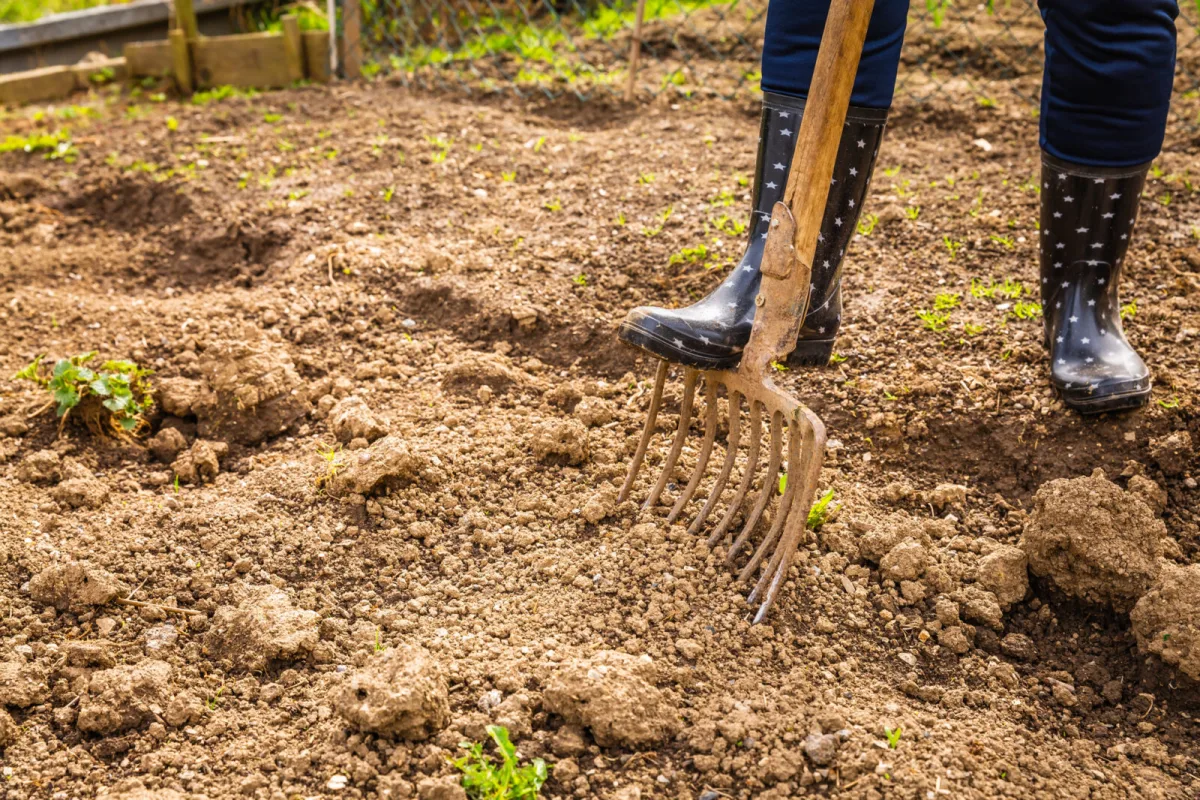
For many people, autumn is the season when the garden gets tidied and the growing year slowly winds down. But it’s also the perfect time to think about what condition your soil will be in come spring. When you add the right materials to your beds in autumn, they have several months to work their way into the ground naturally. The result can be a healthier soil structure, better water management, and stronger plants next year.
Gardeners often point out that before using highly concentrated amendments such as lime, phosphorus, or nitrogen, it’s wise to have your soil tested. For routine seasonal care, though, they generally recommend natural organic additions that improve the soil gradually and gently.
Diatomaceous earth helps with water retention and aeration
One material that’s growing in popularity is diatomaceous earth. This natural mineral can hold onto water and nutrients, helping to reduce leaching. That can make the soil more balanced and more favourable for plants.
A major advantage of diatomaceous earth is its versatility. In heavy, compacted soils it helps create more pores and air channels, so roots can spread more easily. In light, sandy soils it helps prevent the soil from drying out so quickly. So it’s useful both where water sits for too long and where it disappears far too fast.
Diatomaceous earth is practical for other reasons, too. Beyond conditioning soil, gardeners also use it to help protect the garden from certain pests, so it’s worth keeping on hand year-round.
Humic acid to support life in the soil
Another helpful ally is humic acid. It’s an organic substance formed as plant and animal residues break down, and it makes up an important part of humus. In garden soil, its main value is that it improves structure, supports microbial activity, and helps plants take up nutrients.
It isn’t a classic fertiliser in the usual sense. Humic acid doesn’t mainly bring in new doses of nutrients; instead, it helps the soil function more efficiently and healthily. That’s why it’s often described more as a soil conditioner or a product for building high-quality soil.
Its benefits are especially valuable where the soil is tired, low in life, or compromised by long-term cultivation. It helps restore balance to the ground and supports processes that should happen naturally in a well-functioning soil. It’s commonly sold in both granular and liquid form, so everyone can choose the option that suits them best.
Finished compost as the foundation of autumn renewal
If a gardener has compost available, autumn is the ideal moment to spread it over empty beds. A layer of about 1–2 cm is enough, and the rest of the work over winter is done by the weather, soil organisms, and earthworms. The organic matter will gradually break down and improve soil quality even before spring planting begins.
Compost benefits the soil in several ways. It improves structure, adds nutrients, and supports biological life. As a result, the soil is usually more crumbly, holds moisture better, and gives plants more favourable conditions for growth.
It’s important to use truly mature compost. It should be fully decomposed, dark, crumbly, cool to the touch, and have a fresh, earthy smell. Unfinished compost could use up nitrogen in the bed, which may then be lacking for the plants you’re growing.
Well-rotted manure gives the soil strength without unnecessary risks
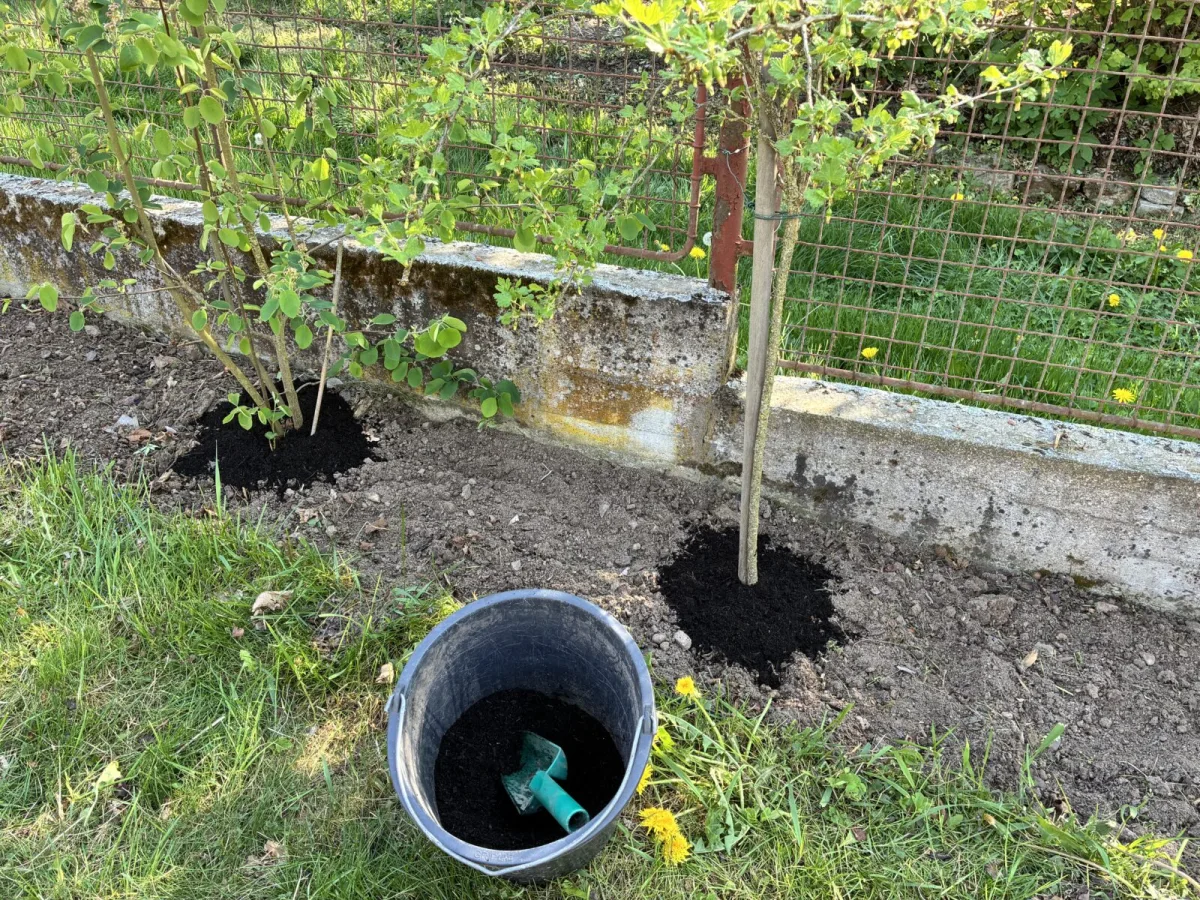
A very good autumn addition is also well-rotted or composted manure. It supplies the soil with much-needed organic matter and enriches it with nutrients that are released gradually over winter. By spring, the soil can be better prepared for more demanding crops.
Fresh manure, however, needs to be handled with care. It tends to be too high in nitrogen and may also introduce unwanted pathogens that haven’t had time to break down. That’s why it’s safer to choose manure that has already decomposed sufficiently.
The best type depends on what you grow. Cattle manure is often considered a good all-round option for broad use. Chicken manure is very nutrient-rich, so it’s best for heavy-feeding vegetables and leafy crops. Sheep manure contains more potassium, making it a good choice for flowers and fruiting vegetables such as tomatoes or peppers.
Shredded leaves protect soil through winter
One of the simplest and cheapest autumn improvements is a layer of shredded leaves. On empty beds it acts as a natural mulch, protecting bare soil and freshly added compost from winter weather and erosion. At the same time, it limits the leaching and washing away of valuable substances.
Leaves have another advantage: they gradually break down and turn into leaf mould, a fine organic material that further improves the soil. It’s an easy way to use autumn garden waste right where it will be most useful.
The key is to shred the leaves before using them. If left whole, they could form a wet, compacted layer in spring that blocks air and water from reaching the soil. Shredding is easy to do with a lawnmower or other common garden tools.

Autumn care pays you back in spring
Preparing the soil at the end of the season isn’t the most visible gardening job, but the benefits can be significant. When you give the soil time to absorb compost, well-rotted manure, humic substances, diatomaceous earth, or a protective layer of leaves over winter, it will reward you in spring with a better structure, more even moisture levels, and more active life in the soil.
Autumn is exactly the season when you can, without rushing, lay the foundations for a stronger and more resilient garden next year.
Even simple steps can make a big difference. Instead of beds just waiting for spring over winter, they can already be regenerating and preparing for the new season.
Source: The Spruce, Rhs , Pestrazahrada.cz
Related articles
Autumn Feeding for Strawberries Has One Rule: Break It and You Weaken Plants Before Frost
Autumn care determines how well strawberries overwinter and how heavily they fruit next year. Feed with potassium and phosphorus, skip nitrogen, tidy the bed, and mulch to protect the roots from frost.

Gardeners strengthen roses before winter with a simple kitchen mix, no chemicals needed
To help roses overwinter well and bloom more strongly next season, focus on gentle autumn feeding, moisture management and sensible protection. A simple homemade mix from everyday kitchen scraps can support root health without resorting to harsh chemicals.

Stop the spring slug battle before it starts
Tackle slugs where it really counts: their eggs. A careful autumn check of damp hiding places can significantly reduce next spring’s damage to seedlings and ornamentals.
Comments (0)
Be the first to comment.