
 English
  Polski
  Deutsch
  Nederlands
  Svenska
  Norsk
Norsk  Dansk
Dansk  Français
  Italiano
  Español
  Português
  Slovenčina
  Suomi
Suomi  Gaeilge
 Don’t Throw Away Green Tomatoes They’ll Ripen Indoors and the Rest Belongs in the Pan
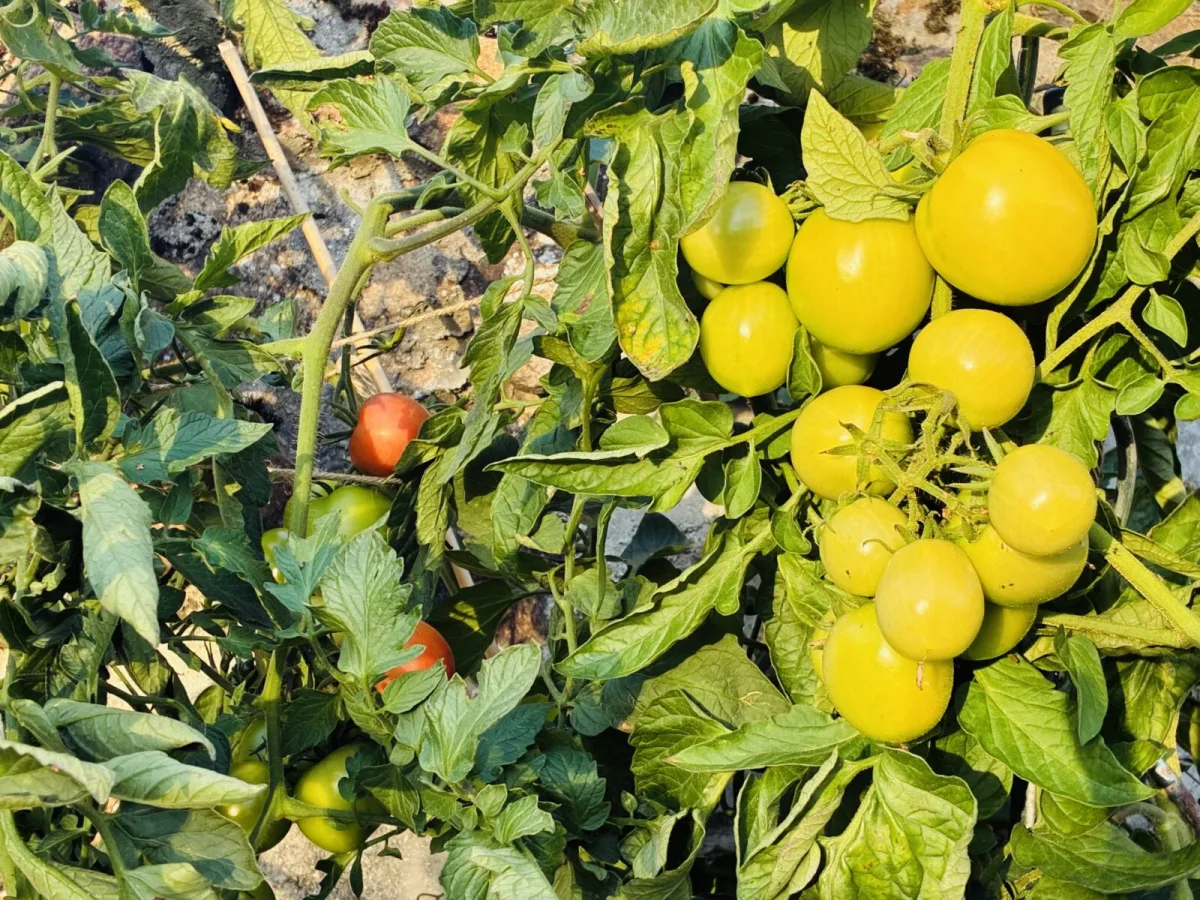
As summer fades and cooler days arrive, many growers face the same question: will the tomatoes still ripen? Late in the season the plants slow down, the days shorten, and the warmth the fruits need quickly disappears. Even so, there are a few straightforward steps that can encourage ripening both on the plant and after harvest at home.
The best-tasting tomatoes are the ones that ripen fully on the vine. So it’s worth doing everything you can to make the plant put its energy into the last fruits, rather than wasting strength on new growth that won’t have time to produce a crop anyway.
How to encourage tomatoes to ripen on the plant
A big help is regular feeding with a liquid organic fertiliser. It keeps the plant in better condition and makes it easier for it to support ripening fruit. Potassium is especially important, because it directly supports fruit development and colouring. Through summer, feeding about once every two weeks is usually worthwhile. This step affects not only how much you harvest, but also the quality of the tomatoes.
Warmth makes a real difference to ripening. If you grow tomatoes in a greenhouse or polytunnel, it’s a good idea on cooler days to close doors, windows and vents earlier than you would in midsummer, so more of the built-up heat is held inside. At the end of the season, every extra degree can matter.
Light is important too. If you used shading during the hottest months, it may be time to remove it so the plants get as much sun as possible. Washing greenhouse glass or clearing away branches and growth that unnecessarily shade the tomatoes also helps. More light means a better chance the fruits will colour up before the first cold spell.
Reduce flowers and new growth
Around six to eight weeks before the first expected frosts, it usually doesn’t make much sense to leave new flowers on the plants. Growth is slower at this point, and newly set fruits typically won’t have time to size up or ripen. Removing late flowers pushes the plant to focus its energy on the tomatoes it already has.
With cordon (indeterminate) varieties, pinch out the growing tip and remove any new side shoots as well. This stops further leafy growth and redirects energy into ripening the remaining fruits. It’s best to leave tomatoes on the plant as long as the weather still allows. From flower to fully ripe fruit can take several weeks, so patience is key.
When to harvest tomatoes and bring them indoors
Once the days noticeably shorten and temperatures stay consistently below about 13 °C, it’s time not to wait. Tomatoes are a warmth-loving crop and they perform very poorly in autumn chill. At that point it’s better to pick the remaining fruits and let them finish ripening indoors.
Your best chance of success is with tomatoes that have reached their final size and are just starting to show a little colour. As soon as you can see even the faintest hint of a colour change, it will usually ripen much more reliably than a tomato that is still dark green and hard.
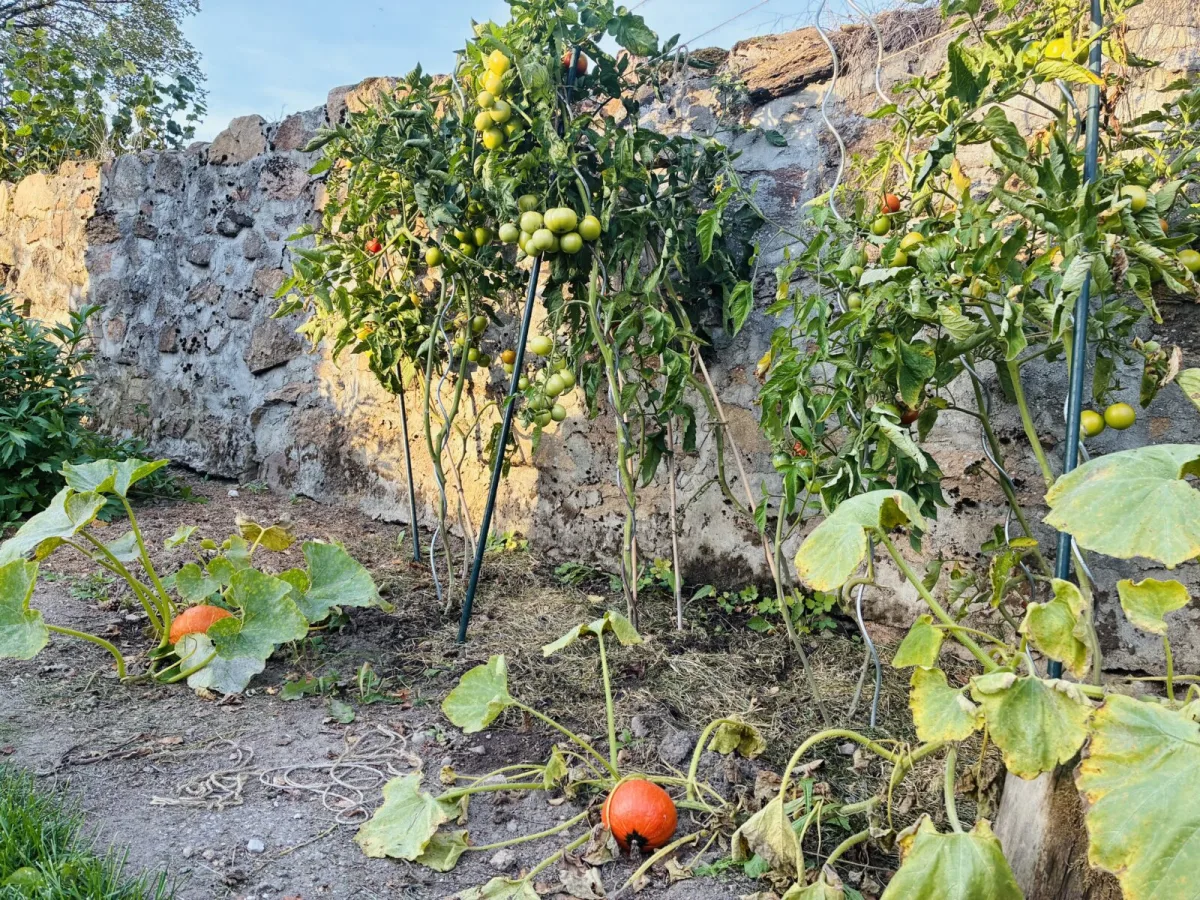
How to ripen tomatoes after picking
At home, it’s fairly easy to let tomatoes ripen. Fruits that have already started to blush pink or turn yellow can simply be placed in a bowl or on the kitchen counter at room temperature. They don’t necessarily need direct sunlight; steady warmth is far more important. A bright, warmer windowsill can work very well though.
As tomatoes ripen, they release ethylene, a gas that naturally speeds the process along. That’s why a handful of harvested fruits kept together often ripen faster than tomatoes stored individually.
A helper in the form of a banana or apple
If you want to push ripening along even more, add a ripe banana or an apple to your tomatoes. Both fruits give off plenty of ethylene and help tomatoes soften and colour up faster. A bowl, a paper bag, or a drawer works well, as it helps trap some of the gas. Paper is better than plastic because it allows airflow, so the fruit is less likely to sweat and go mouldy.
Check the tomatoes daily and remove ripe ones as you go so they don’t over-ripen. One crucial tip: don’t put them in the fridge. Cold temperatures slow ripening and also spoil the flavour.
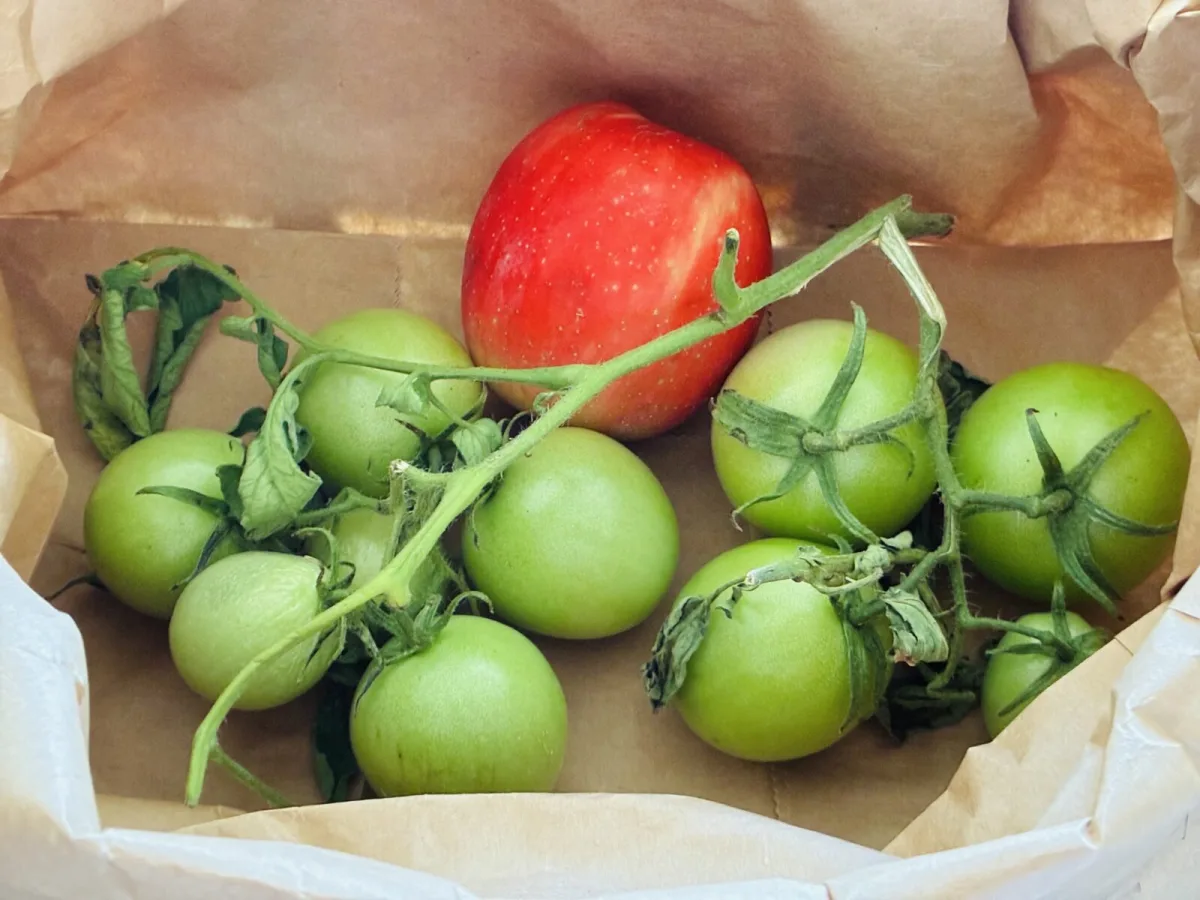
What to do with tomatoes that stay green
Not all tomatoes can be brought to full ripeness. But that doesn’t mean they’re useless. Green tomatoes can be used in the kitchen in wonderfully tasty, and often surprising, ways. Their firmer texture and fresh, tangy flavour suit recipes where soft, fully ripe fruit simply wouldn’t work as well.
Fried green tomatoes
This is one of those methods that can completely change how you feel about unripe fruit. Firm green tomatoes are sliced into rounds about half a centimetre thick. Each slice is coated first in flour seasoned with salt and pepper, then dipped in egg, and finally coated in breadcrumbs, cornmeal, or polenta. This gives them a beautifully crisp crust once fried.
Then simply lower the slices carefully into hot neutral oil and fry on both sides until golden. They stay tender inside, crisp on the outside, and pair brilliantly with a punchy dip such as mayonnaise mixed with hot sauce, or with sweet chilli sauce.
Green tomato salsa
Another excellent option is a fresh salsa. The base is roasted green tomatoes chopped into smaller pieces. Add red onion, jalapeño, coriander, fresh lime juice and a pinch of salt. The result is a simple, bold mixture that works with grilled meat, fish, and in tacos.
Green tomatoes don’t have to be a late-season disappointment. With the right approach they’ll either ripen at home, or turn into a fantastic ingredient for autumn cooking.
How to get the most from the last harvest
At the end of the season, the details matter. More light, more warmth, the right feeding, and limiting new growth can significantly increase the number of fruits that still manage to ripen on the plant. And anything that stays green can be finished off indoors or used in other ways. That way you won’t lose even your final pickings, and tomato season can end far better than it first appears.
Source: Grow Veg, The Spruce , Pestrazahrada.cz
Related articles
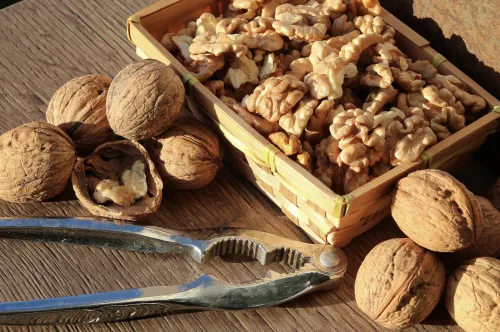
Walnuts will keep until next year’s harvest, but one post-harvest mistake can ruin them with mould
Home-grown walnuts can stay delicious for months—often right up to the next harvest—if you dry and store them properly. Moisture trapped in the kernel is the quickest route to musty flavour, rancidity and mould.
How to Protect Your Garden from Frost in Autumn and Spring
Frost can wipe out tender vegetables and herbs overnight, but a few well-timed steps can greatly reduce the damage. Learn which crops cope with cold, when to cover, and how water, mulch and smart garden layout help buffer temperature swings.
Green tomatoes will ripen without sunshine with a paper bag and one kitchen staple
When autumn nights turn cold, many tomatoes are left green on the vine. With a few simple steps outdoors and the right ripening methods at home, you can bring a surprising share of the crop to full colour and flavour.
Comments (0)
Be the first to comment.