
 English
  Polski
  Deutsch
  Nederlands
  Svenska
  Norsk
Norsk  Dansk
Dansk  Français
  Italiano
  Español
  Português
  Slovenčina
  Suomi
Suomi  Gaeilge
 Homegrown Pumpkins Can Be Toxic and You Can Spot It by One Sign
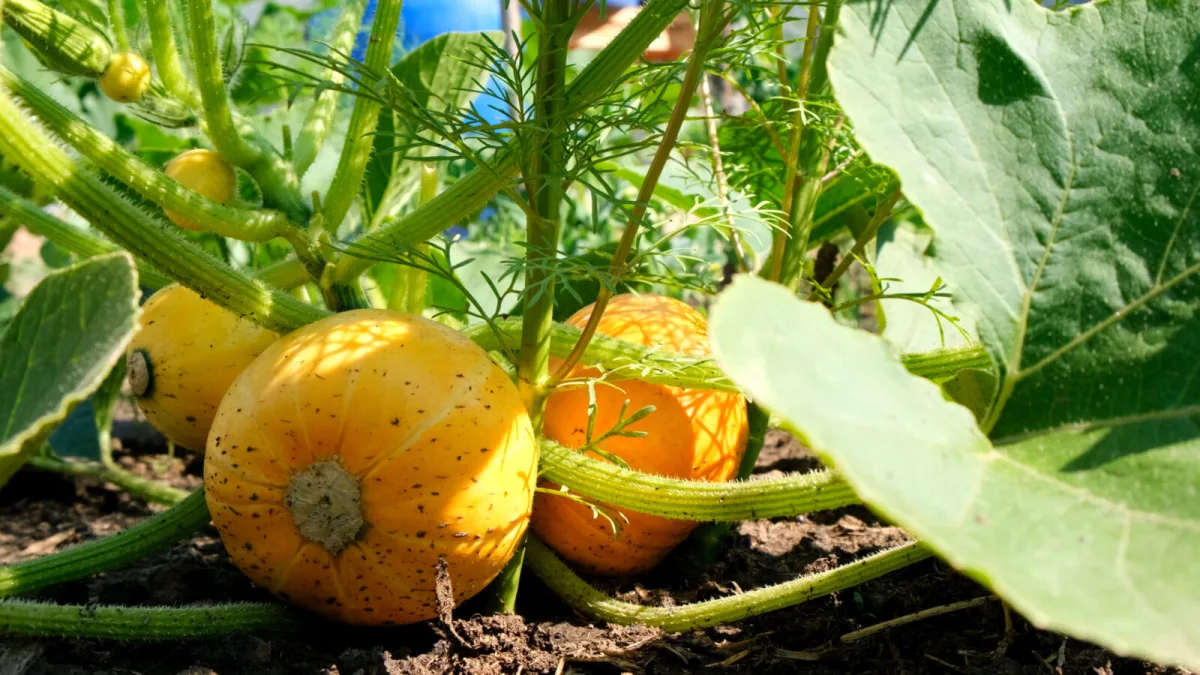
Pumpkins are among the most popular autumn crops. In the kitchen they’re incredibly versatile, from creamy soups and roasted sides to desserts. Alongside their pleasant flavour, they also provide valuable nutrients. They’re low in calories and contain fibre, potassium, iron, B vitamins, vitamin C, and in orange varieties also carotenoids important for eyesight and skin. Even so, it’s worth being cautious. There are cases where a pumpkin or courgette can pose a health risk.
A bitter taste is a warning you shouldn’t ignore
If a pumpkin, courgette, or other cucurbit tastes bitter, do not eat it. The bitterness can signal the presence of substances called cucurbitacins. These natural toxins can cause severe digestive upset, especially nausea, vomiting, abdominal pain, and diarrhoea. It’s important to know that cooking won’t solve the problem. Boiling, roasting, or stewing will not reliably remove the toxic compounds.
If a pumpkin or courgette tastes bitter, don’t keep tasting it and it’s safest to throw the whole fruit away.
Why some pumpkins turn bitter
Today’s commonly grown edible varieties have been bred to contain little to none of these bitter compounds. Even so, exceptions can occur. The risk tends to be higher with fruit grown from saved seed from your own harvest, especially if cross-pollination with ornamental gourds has occurred. Decorative pumpkins and gourds are often not meant for eating and may contain higher levels of bitter compounds. The same issue can also show up in courgettes and other cucurbit plants.
How to tell a safe pumpkin before cooking
A good eating pumpkin should taste neutral, gently sweet, or slightly nutty. This is true, for example, for red kuri (hokkaido), butternut, musquée (musk) types, or spaghetti squash. Before cooking, it’s sensible to cut off a tiny raw piece and taste it very carefully. If the flavour is unpleasantly bitter, do not eat the fruit. This simple check can prevent very unpleasant health problems.
Which types are popular eating pumpkins
Kitchen favourites include red kuri (hokkaido), which often doesn’t need peeling and has a gently nutty flavour. Butternut has firm orange flesh and is great for roasting and purées. Musquée (musk) squash tends to be aromatic and sweet, while spaghetti squash forms strands after baking that resemble pasta. This variety of flavours is exactly why pumpkins are so popular. But one rule always applies: the taste must not be bitter.
Not just pumpkins, but the whole cucurbit family
The cucurbit family includes not only pumpkins, but also cucumbers, courgettes, melons, and the lesser-known kiwano. Many of them are valuable sources of water, minerals, and vitamins. Alongside edible species, however, there are also inedible or outright poisonous plants. One example is bryony, whose berries may look tempting but are definitely not suitable for eating. With cucurbits, appearance alone isn’t enough.
How to store pumpkins properly so they keep for a long time
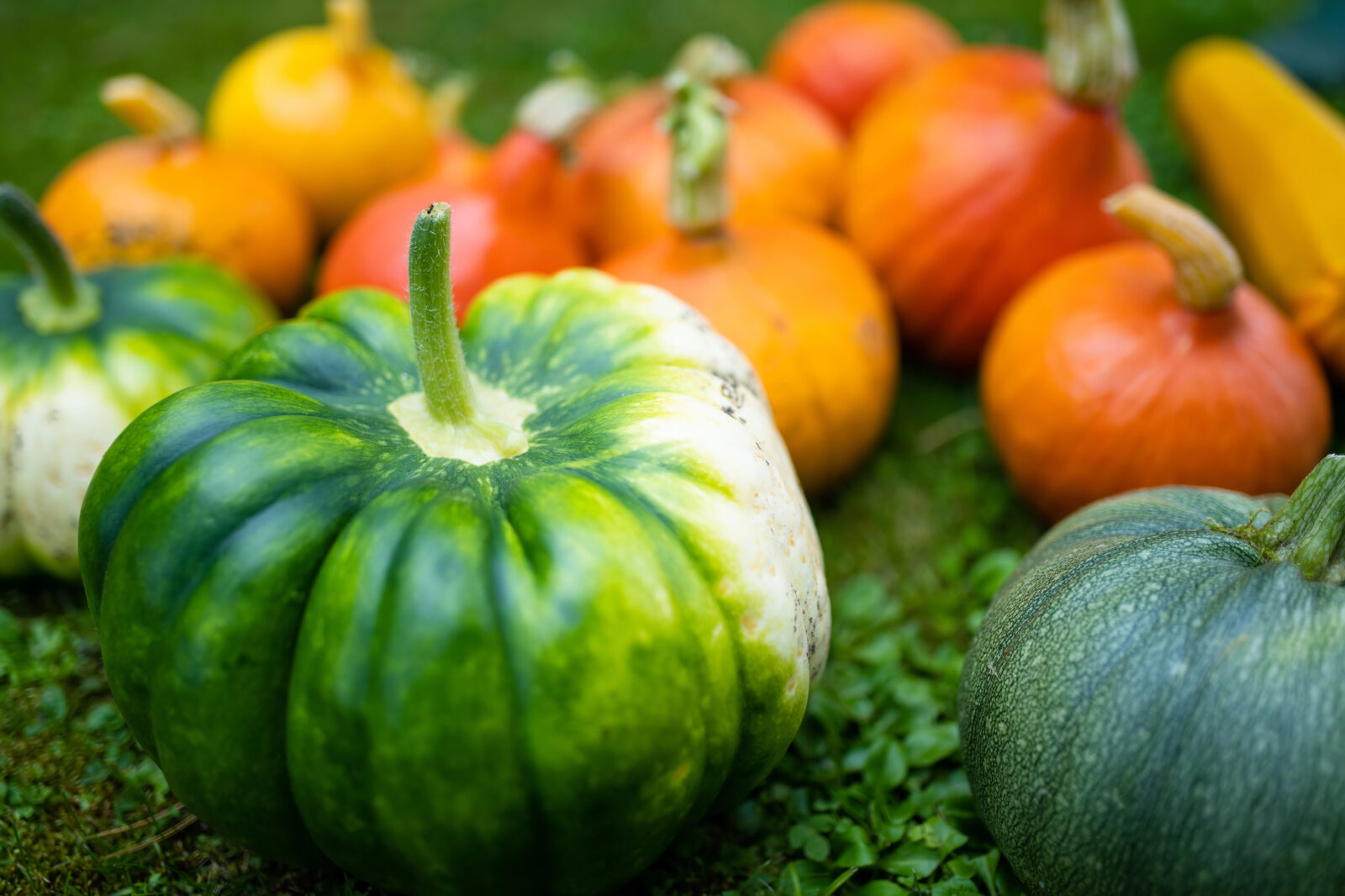
Whole pumpkins can keep for several months when stored correctly. They need a dry, cool, well-ventilated place, ideally with a temperature around 12 to 17 °C. An intact skin and stem are important. Store cut pumpkin in the fridge and use within a few days. If you have a larger supply, you can also freeze the flesh.
Pumpkins are excellent, but caution is wise
Pumpkins absolutely deserve their place on the menu. They’re tasty, versatile, and nutritionally interesting. You can make both savoury and sweet dishes from them, and their seeds and oil are prized ingredients too. Still, it’s worth remembering one simple rule. A bitter pumpkin doesn’t belong in the kitchen. The moment you notice a pronounced bitterness, take it as a clear warning. With this vegetable, it isn’t a quirky flavour note, but a possible sign that it could harm your health.
Source: Záhrada, TilthAlliance, Poison.org, NKZ, Pestrazahrada.cz

A lover of nature, gardens, and everything that moves, blooms, or grows. He literally grows everything, from herbs to rare species, and he enjoys caring for animals just as much. In his work, he connects modern technology with tried-and-tested grandmotherly methods and is happy when both paths lead to the same goal.
Related articles
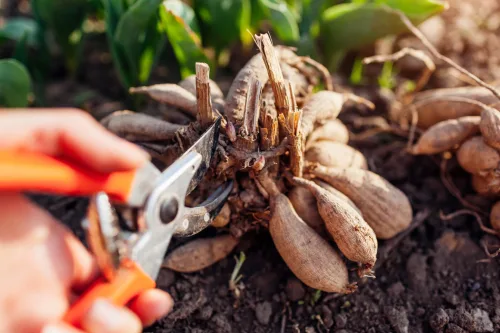
What to Do Before Frosts So Tuberous Plants and Bulbs Make It Through Winter
Tender tuberous plants and bulbous flowers often need help to survive winter. Learn when to lift and store them and when a thick mulch layer in situ is enough.
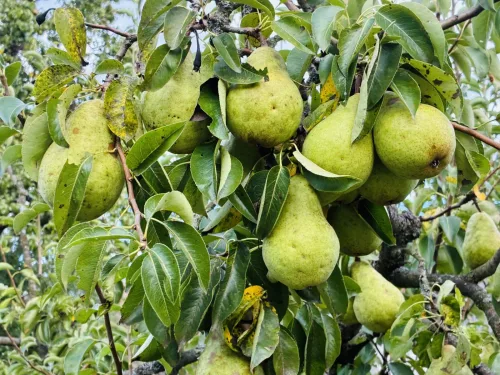
Common Mistakes When Harvesting and Storing Pears and How to Keep Them Fresh Longer
Pears need harvesting slightly under-ripe and then ripened off the tree to develop their best flavour and texture. Learn how to pick, ripen and store them correctly so they last well into winter.
How to Store Carrots for Winter and Why the First Step After Harvest Matters
Carrots can stay fresh for much of the winter, but only if you handle them properly right after harvest. Careful sorting, gentle handling and the right storage method prevent rot and keep roots crisp for longer.
Comments (0)
Be the first to comment.