
 English
  Polski
  Deutsch
  Nederlands
  Svenska
  Norsk
Norsk  Dansk
Dansk  Français
  Italiano
  Español
  Português
  Slovenčina
  Suomi
Suomi  Gaeilge
 Windfalls aren’t a loss, turn some into sauce and the rest can feed your garden
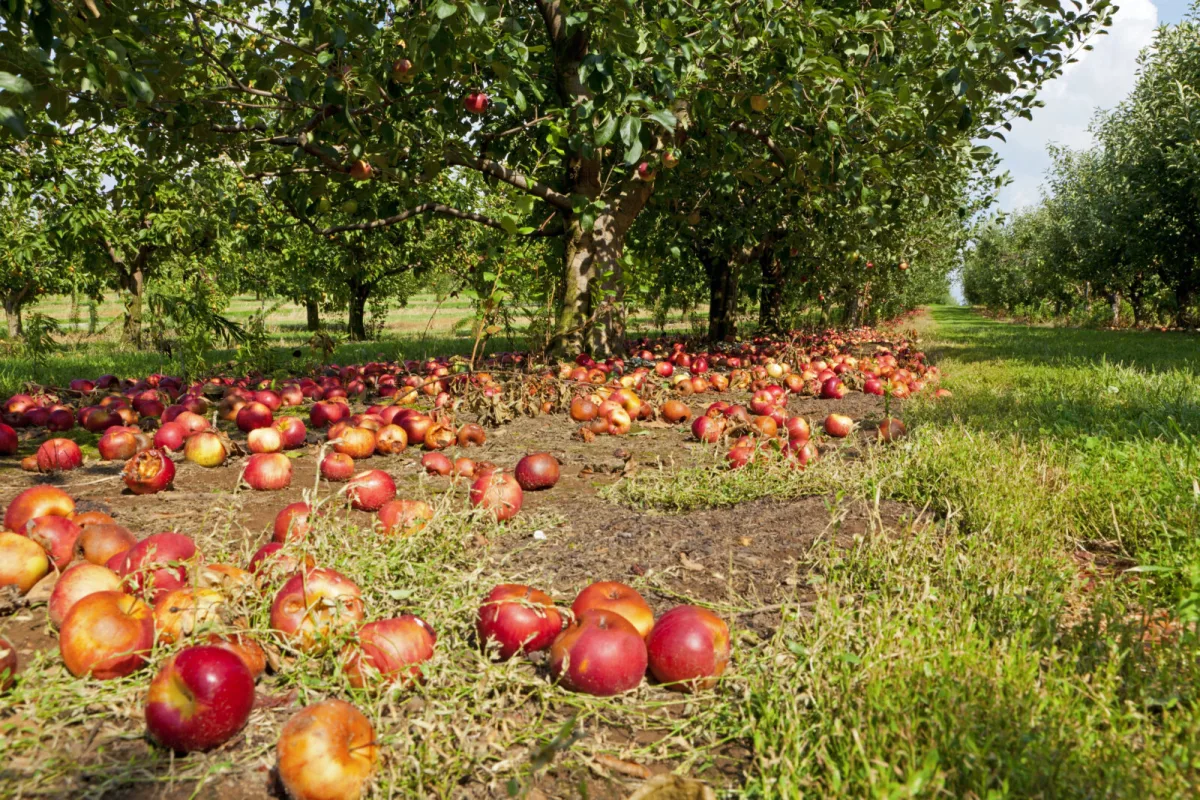
When you admire the blossom on your fruit trees in spring and watch the fruit swell and ripen all summer, it’s discouraging to find that part of the crop ends up on the ground before you get to pick it. Even so, there’s no need for disappointment. Fallen fruit can have several natural causes and can often be put to very good use. It can earn its keep in the kitchen, on the compost heap, and as a valuable food source for wildlife in the garden.
Why fruit drops from the tree
According to experts, fruit drop can be a perfectly normal sign that the fruit is ripe. With apples, for example, a fully coloured skin, easy separation from the branch, and a developed flavour are all clues. If the fruit shows these signs, it’s time to harvest.
But a fall doesn’t always mean ripeness. Trees sometimes shed part of their crop early in the season, especially if they have set an exceptionally heavy yield. This helps the plant spread its resources. Fruit damaged by pests may also drop early, such as apples affected by codling moth, whose larvae bore inside. Wind plays its part too, easily knocking down fruit that is only loosely attached.
Fallen fruit as a helping hand for nature
In the garden, not every fruit needs to be picked up immediately. Some fruit, especially damaged pieces or those that are hard to reach high in the canopy, can be left as natural food for wildlife. Birds, insects, and other small creatures find a valuable energy source in it, particularly in autumn and winter when food is scarcer.
Windfall apples and other fruit aren’t only taken by blackbirds or thrushes. Mammals come for them too, including hedgehogs, mice and voles, as well as many invertebrates. The sugars in the flesh are a precious late-season energy source for butterflies, wasps, ants and plenty of other species. As the fruit starts to break down, it also benefits soil organisms and supports life in the soil.
Ecological surveys in orchards often confirm that it’s sensible to leave a certain percentage of the crop unpicked. Such fruit provides a reserve of food during periods when the wider landscape offers less. Typically, it’s the fruit in the higher parts of the canopy that is difficult to harvest.
When it’s better to clear fruit away
Although leaving fruit has its benefits, it’s worth considering safety and practicality as well. Overripe and squashed fruit can be a strong magnet for wasps. If children play in the garden or pets spend time there, it’s sensible to remove windfalls from busy areas or move them to one side. That helps prevent stings and avoids unnecessary mess.
It’s also best to sort heavily infested or rotting fruit by condition. Some can be left in a less-used corner of the garden for wildlife, while the rest can be dealt with in other ways.
Cider apples are a special case
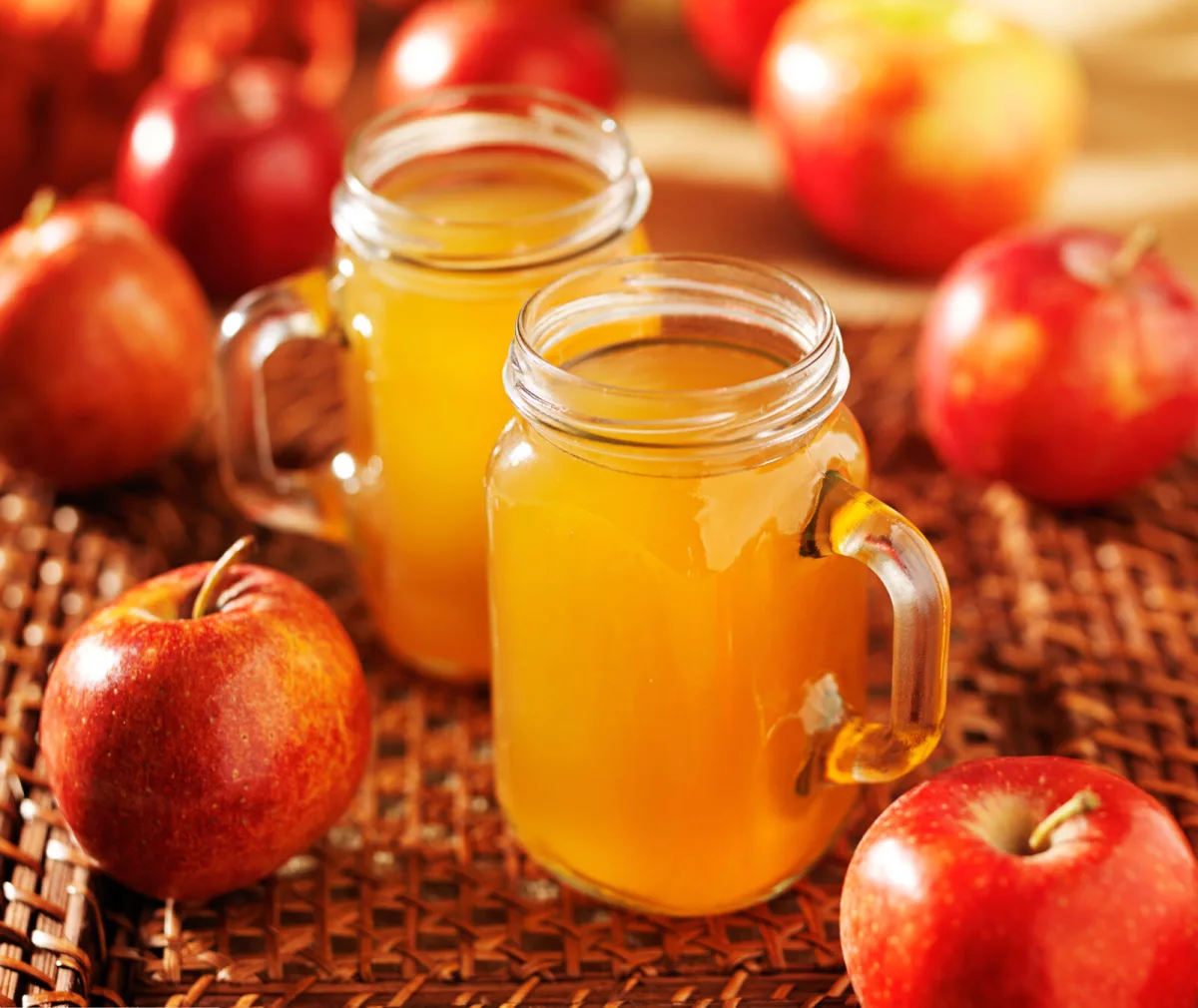
Apples intended for cider follow slightly different rules than fruit for eating fresh. Fruit gathered from the ground can be used, because fermentation destroys any potentially harmful bacteria. Even so, it’s still worth leaving some of the crop where it falls, so it continues to support wildlife and contributes to soil nourishment.
Composting is a sensible solution for surplus fruit
If you have more fruit than you can eat or process, composting is an obvious option. But it’s important to keep the right balance of materials. Fruit on its own is very juicy and nitrogen-rich, so in excess it can cause the compost to lose structure, start fermenting, and smell unpleasant.
Adding drier, woodier ingredients helps, such as torn cardboard, leaves, or small prunings. These improve aeration and make decomposition more even. It also helps to chop the fruit into smaller pieces so it breaks down faster and more uniformly.
How to use windfalls in the kitchen
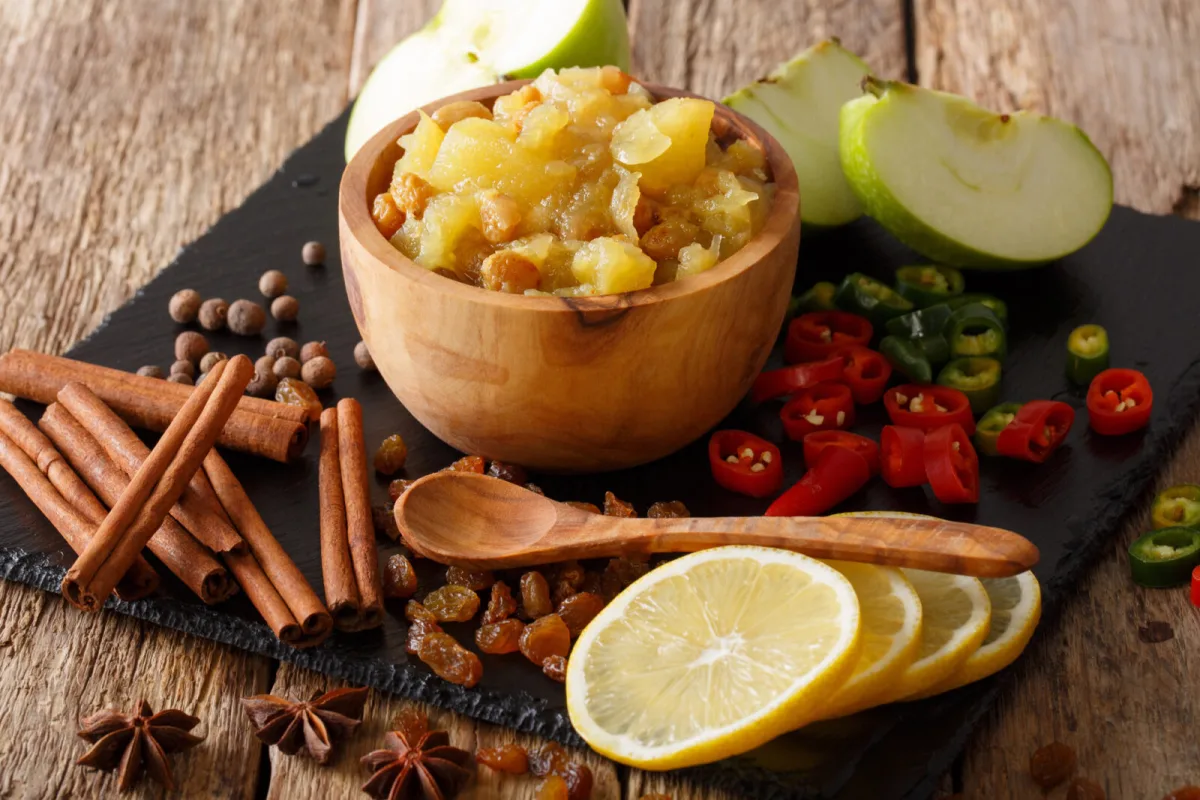
If the fruit isn’t rotten and is still in good condition, it would be a shame not to use it in cooking. It’s ideal for cakes, stewed fruit, fruit butters, sauces and chutney. One particularly appealing idea is a brown windfall sauce that brings together sweet, sharp and spiced notes and pairs beautifully with cheese, roast meats or cold dishes.
Brown windfall fruit sauce
This recipe makes about 2 litres of sauce. Preparation is quick, but the cooking takes longer. You’ll need 1 kg Bramley apples, peeled, cored and chopped; 500 g plums, quartered and stoned; 400 g tamarind pulp, de-stoned; 1 tablespoon ground ginger; 1/2 teaspoon freshly grated nutmeg; 1 teaspoon allspice; 1/2 teaspoon cayenne pepper; 600 ml apple cider vinegar; 100 g dark molasses; 400 g cane sugar or brown sugar; and 30 g sea salt.
Put all the ingredients into a large pan and bring to the boil, stirring occasionally. Then lower the heat and let the mixture simmer gently for about 2 hours. During cooking, give it a thorough stir from time to time so it thickens to a rich, syrupy consistency. Finally, blend until smooth, or leave it slightly chunky, depending on your preference.
Bring the finished sauce briefly back to the boil, then pour it while still hot into warmed bottles. Store in a cool, dark place. Once opened, keep it in the fridge.
Every fallen fruit can be put to good use
Windfall fruit isn’t automatically rubbish. Sometimes it signals the right time to harvest; other times it’s part of the tree’s natural crop regulation. It can feed birds and other wildlife, improve your compost, or be turned into a tasty homemade product. The key is simply to decide what to leave for nature, what to remove for safety, and what is still good enough for the kitchen. Even fruit that didn’t stay on the branch can still be genuinely useful for both garden and household.
Source: RHS, David Domoney, Pestrazahrada.cz
Related articles
Don’t Throw Away Green Tomatoes They’ll Ripen Indoors and the Rest Belongs in the Pan
As temperatures drop at the end of summer, tomatoes often struggle to finish ripening on the plant. With a few simple tweaks you can help them colour up, ripen the rest indoors, and use any stubborn green ones in delicious recipes.
Walnuts will keep until next year’s harvest, but one post-harvest mistake can ruin them with mould
Home-grown walnuts can stay delicious for months—often right up to the next harvest—if you dry and store them properly. Moisture trapped in the kernel is the quickest route to musty flavour, rancidity and mould.
How to Protect Your Garden from Frost in Autumn and Spring
Frost can wipe out tender vegetables and herbs overnight, but a few well-timed steps can greatly reduce the damage. Learn which crops cope with cold, when to cover, and how water, mulch and smart garden layout help buffer temperature swings.
Comments (0)
Be the first to comment.