
 English
  Polski
  Deutsch
  Nederlands
  Svenska
  Norsk
Norsk  Dansk
Dansk  Français
  Italiano
  Español
  Português
  Slovenčina
  Suomi
Suomi  Gaeilge
 Green tomatoes will ripen without sunshine with a paper bag and one kitchen staple
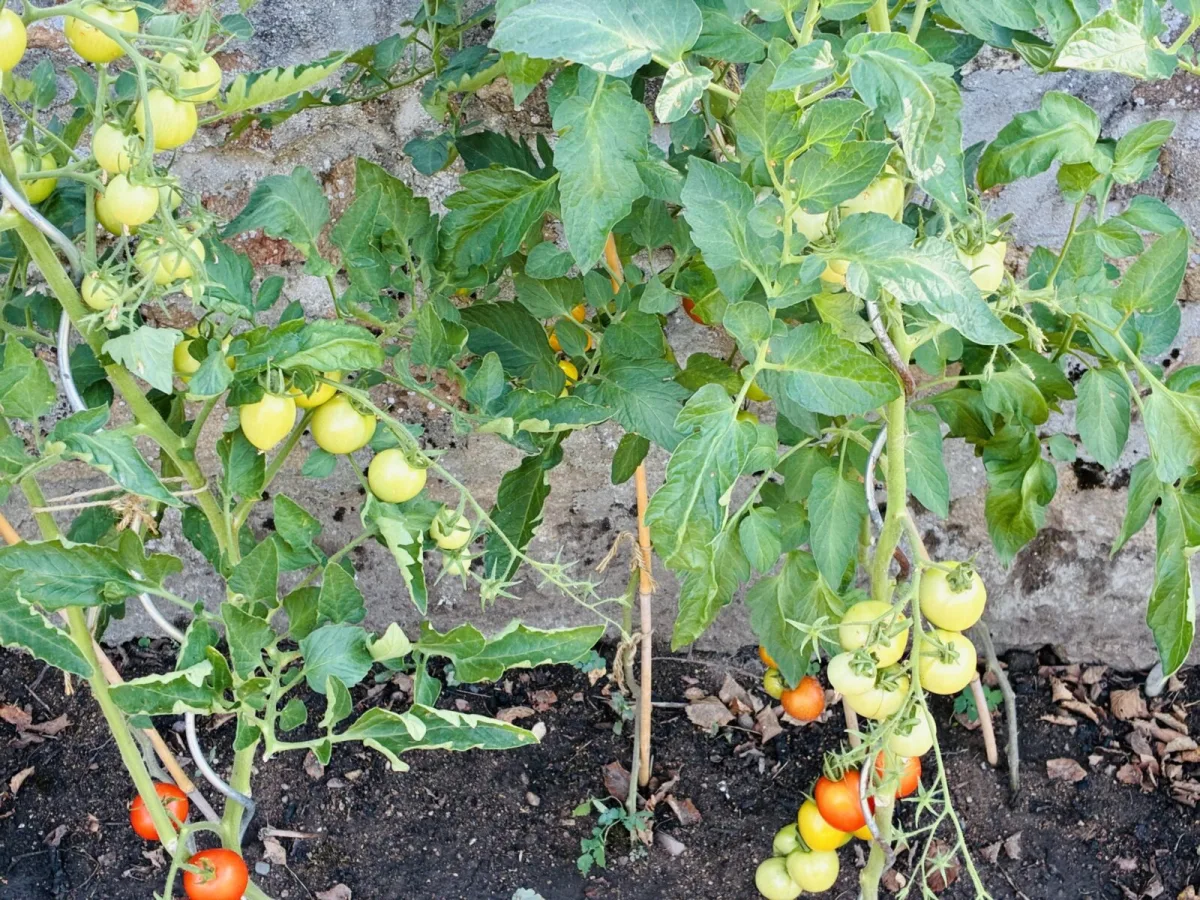
Tomatoes thrive in warmth and light, which is why they ripen best in summer. As days shorten in late September and October and night temperatures drop, ripening slows dramatically. Several green fruits often remain on the plants and would be lost at the first frost. The good news is that there are several simple ways to help them ripen, either on the vine or after picking indoors.
Fruit ripened on the plant has the best flavour
If possible, it pays to leave tomatoes on the plant for as long as you can. Fruit that ripens naturally on the vine usually has the fullest flavour and a better aroma. The aim of autumn care is to channel the plant’s energy into the fruit that has already set and to improve their access to light and warmth. Only when the weather no longer allows ripening outdoors does it make sense to harvest and finish ripening indoors.
What to do with plants before harvest
Remove late flowers
Flowers that appear right at the end of the season usually won’t have time to develop usable fruit. It’s sensible to pinch or snip them off. The plant won’t waste energy on new growth and can instead put it into colouring up and ripening the tomatoes already there.
Stop the plant from growing taller
With cordon (indeterminate) tomatoes, it’s a good idea to cut the main stem a few leaves above the last truss carrying green fruit. This stops the plant extending further and encourages ripening of what’s already hanging there. In early autumn, plants typically have three to four trusses with a real chance of ripening if you help them along.
Reduce excess foliage
Some leaves can be removed so more light and air reach the fruit. The goal isn’t to strip the plant bare, but to open it up around the tomatoes. Better sun exposure often means faster ripening and a lower risk of rot in cool, damp weather.
How to extend the season outdoors
In autumn, a final light feed can help too, for example with compost tea or another gentle liquid fertiliser. This gives the plant enough energy to finish developing the fruit. If forecasters warn of a light ground frost, you can cover plants overnight with horticultural fleece or a sheet. Do remove the cover during the day, though, so unnecessary moisture doesn’t build up underneath.
On the other hand, right at the very end of the season it rarely makes sense to fight diseases aggressively with sprays. It’s more sensible to remove affected leaves and focus on saving healthy fruit.
When to pick tomatoes
As soon as temperatures drop noticeably and frost is a risk, it’s time to harvest. Pick mainly fully formed tomatoes, even if they’re still green or only just starting to colour. Very small, hard, underdeveloped fruits usually won’t ripen well. When harvesting, separate ripe fruit from unripe ones so they’re easier to monitor and use.
Never put tomatoes in the fridge if you still want them to ripen. Cold stops the process and spoils their flavour too.
Ripening at home in a paper bag or drawer
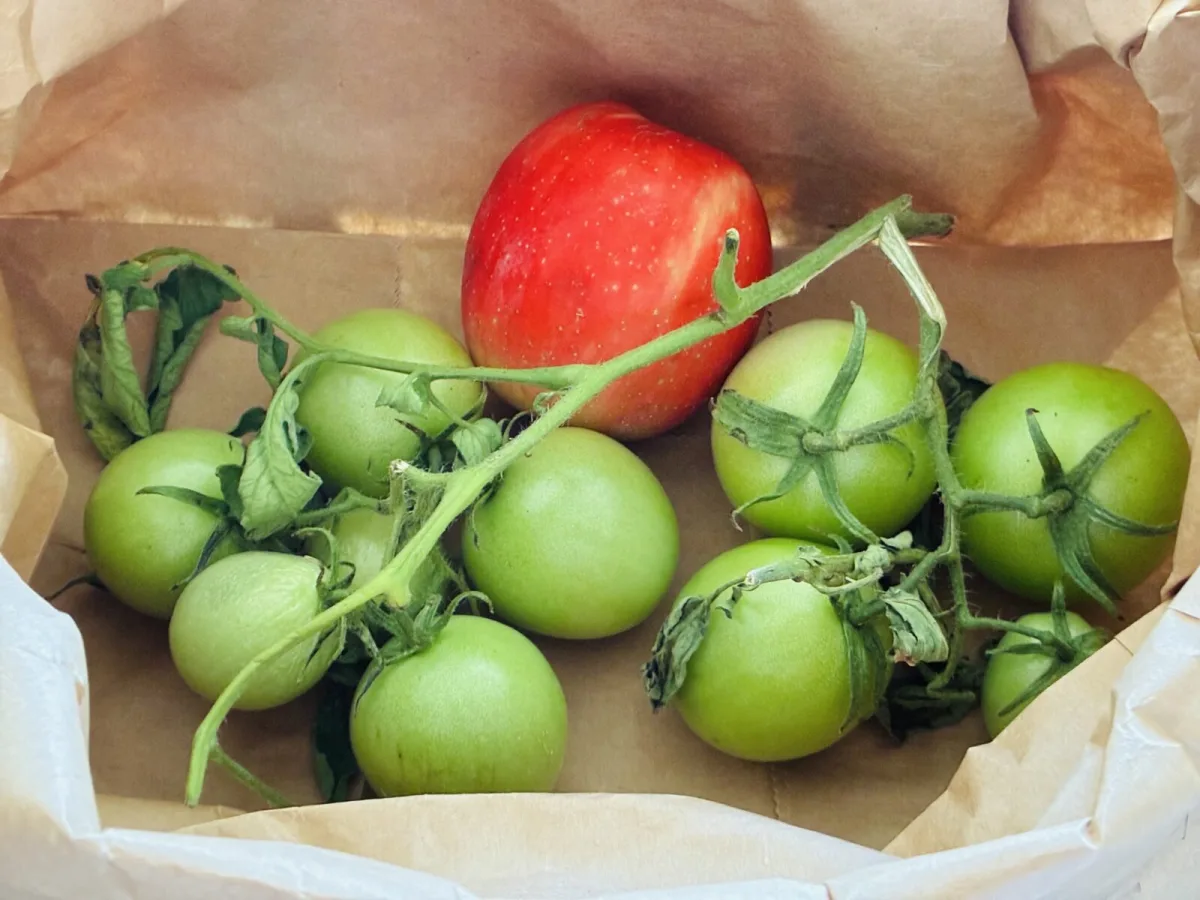
One of the most effective methods is to put green tomatoes into a paper bag or a drawer together with a banana, an apple, or a fully ripe tomato. These fruits release ethylene, a natural gas that speeds up ripening. The bag needs to breathe, so paper is better than plastic. Check the tomatoes regularly and as soon as one colours up and softens, remove it. Also take out any pieces that start to rot straight away.
Ripening at room temperature
You can also leave tomatoes out on a kitchen counter or another spot at room temperature. The key is that they must not be exposed to cold. They ripen best in a warmer environment, ideally above 15 °C. It helps to place fruit stem-end down or to turn them from time to time so they don’t develop bruises and soft patches. This method is simple, but it’s usually slower than ripening in a more enclosed space with ethylene.
Uprooting the whole plant can help too
If you still have lots of green fruit in the bed, you can lift the entire plant with its roots and hang it in a dry, sheltered place such as a garage, shed, or porch. The fruits can draw on the plant’s remaining reserves for a while and may ripen more naturally than when picked individually. Harsh direct sun is unsuitable, as is complete darkness. With tomatoes grown in containers, it’s even easier: simply move the pot indoors to a bright window.
A windowsill and newspaper are other options
A sunny windowsill can work for fruit that’s already starting to change colour and isn’t rock hard. Results aren’t always consistent, though, because too much sun can overheat some fruits while others ripen unevenly. That’s why it’s best to turn them regularly and keep an eye on them.
Another traditional method is to wrap individual tomatoes in newspaper and arrange them in a box in no more than two layers. Store the box somewhere dry and fairly dark. Ripening this way is slower and can take several weeks, but with regular checks it’s a reliable approach for larger quantities.
What to watch out for
When ripening indoors, the biggest risks are excess moisture, high humidity, and forgetting to check the fruit. As soon as one tomato starts to spoil, it can ruin the rest. So don’t store tomatoes tightly packed in airtight packaging, and inspect them daily or every other day. It also pays to keep them separate from fruit that is already fully ripe and intended for quick eating.
How to get the most from a late harvest
Late-season tomatoes do need a little extra attention, but you can often save a surprisingly large share of the crop. First, try to encourage ripening on the plant by removing flowers, pinching out the growing tips, and thinning excess foliage. Once it turns significantly colder, pick well-formed fruit and let them finish ripening indoors in warmth. The fastest method is usually a paper bag with a banana or apple; for a bigger harvest, use a box with fruit stored individually. That way you can keep enjoying fresh tomatoes even as the garden outdoors is already settling into its winter rest.
Source: The Spruce, Gardeners World , Pestrazahrada.cz
Related articles
Don’t Throw Away Green Tomatoes They’ll Ripen Indoors and the Rest Belongs in the Pan
As temperatures drop at the end of summer, tomatoes often struggle to finish ripening on the plant. With a few simple tweaks you can help them colour up, ripen the rest indoors, and use any stubborn green ones in delicious recipes.
Walnuts will keep until next year’s harvest, but one post-harvest mistake can ruin them with mould
Home-grown walnuts can stay delicious for months—often right up to the next harvest—if you dry and store them properly. Moisture trapped in the kernel is the quickest route to musty flavour, rancidity and mould.
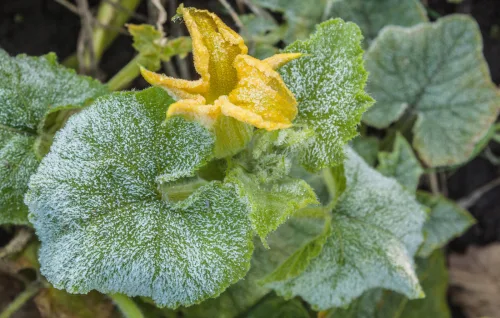
How to Protect Your Garden from Frost in Autumn and Spring
Frost can wipe out tender vegetables and herbs overnight, but a few well-timed steps can greatly reduce the damage. Learn which crops cope with cold, when to cover, and how water, mulch and smart garden layout help buffer temperature swings.
Comments (0)
Be the first to comment.