
 English
 Polski
 Deutsch
 Nederlands
 Svenska
 Norsk
 Dansk
 Français
 Italiano
 Español
 Português
 Slovenčina
 Suomi
 Gaeilge
Feeder Full but No Tits in Sight
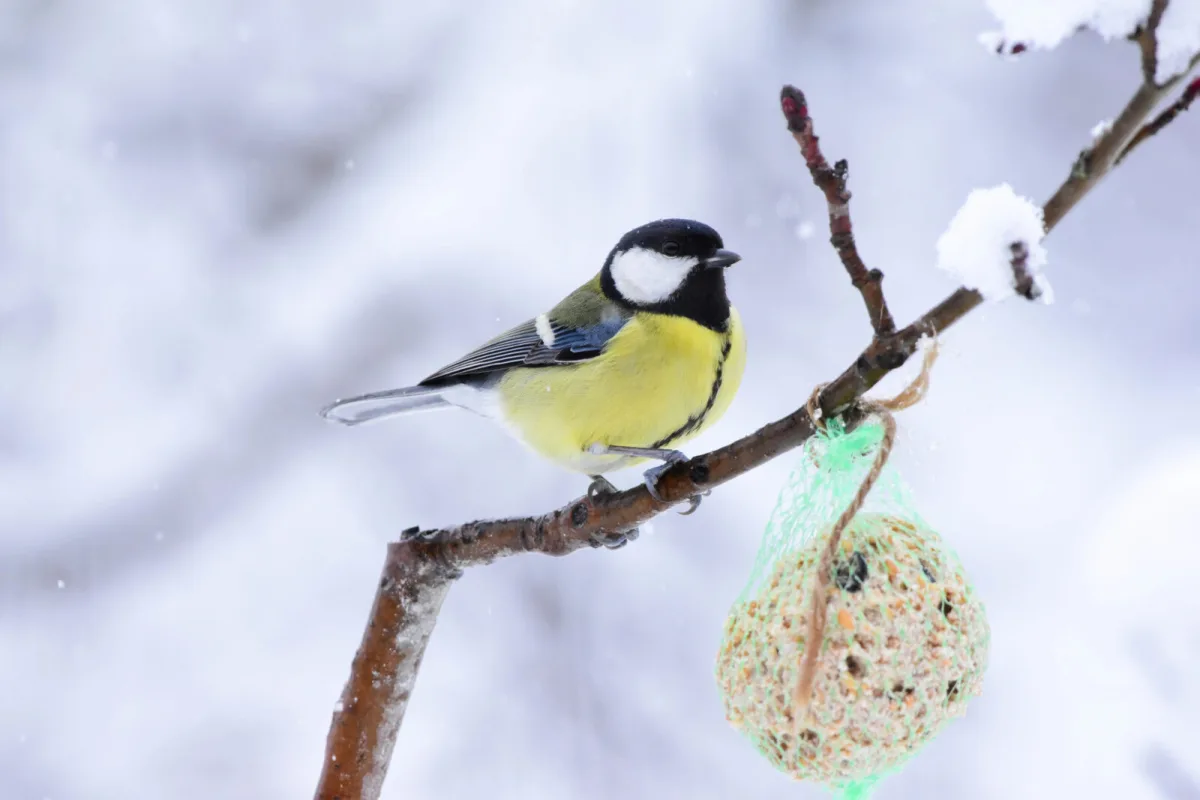
When temperatures drop and the landscape loses its usual food sources, the hardest part of the year begins for tits. In the warmer months they can easily find insects, seeds and other small morsels, but in winter the choice is far more limited. That’s when a well-prepared feeder can determine whether birds get enough energy to make it through the frosts. If you offer the right food and top it up regularly, they’ll quickly get used to the spot and start coming back every day.
The most important thing is energy-dense, high-quality food
With winter feeding it’s not enough to tip just anything into a feeder. Tits mainly need fat-rich food, because it helps them maintain body heat and cope with the cold. One of the best options is considered to be black sunflower seeds. Compared with pale or striped types, they contain more oil and therefore provide more energy. They’re also easy for small garden birds to handle and very tempting.
If you want tits to see your place as a dependable winter food source, sunflower seeds should be the foundation of what you offer. They’re simple, effective, and most birds take to them without hesitation.
Peanuts and nuts as a valuable change
Alongside sunflower, raw, unsalted peanuts work very well. They contain fats and protein, making them ideal for winter feeding. The key, however, is not to serve them in large pieces. Smaller birds may struggle, so it’s better to crush or chop the peanuts beforehand.
Other seeds and nuts can be just as useful too, for example pumpkin seeds or pieces of walnut. A mix like this enriches the diet and offers birds a wider range of nutrients. Variety is an advantage if you want to attract not only tits but other small garden visitors as well.
Suet balls yes, but safely
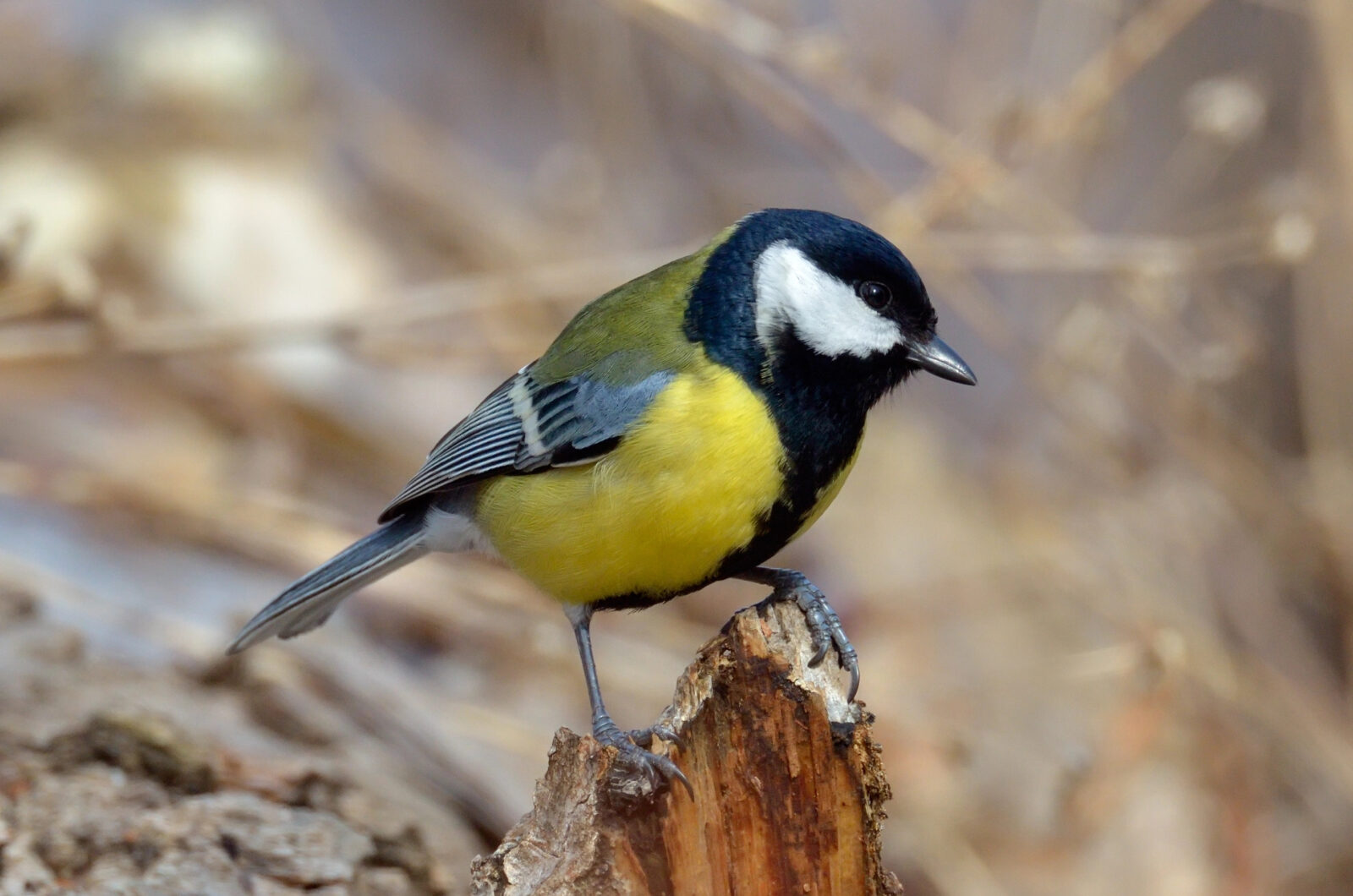
Suet is a winter classic because it has high energy value and serves birds well during freezing days. Even so, you need to pay attention to how it’s offered. The problem is the mesh nets suet balls are often sold in. Birds can get a claw or wing caught and injure themselves unnecessarily.
It’s safer to take the suet ball out of the net and place it in a suitable dish, or put it into a sturdy feeder cage. That way the food stays accessible while the risk of injury is greatly reduced. With winter feeding, it’s not only what you offer birds, but also how you do it.
Anyone can make a simple homemade feeder
You can also set up a practical feeding station yourself. A plain flowerpot works brilliantly: thread a piece of string through it and secure it inside with a knot. Once filled with a suet mix, simply hang the pot upside down, for example from a tree branch. You’ll get a clever, functional feeder that birds can peck from comfortably.
The benefit of a DIY solution is not only the low cost, but also the option to tailor the size and placement exactly to conditions in your garden or on a balcony. What matters is that the feeder is stable and protected from prolonged damp.
Feeder hygiene is just as important as what you put in it
Many people focus mainly on what to pour into the feeder, but hygiene is just as crucial. Leftover old feed needs to be removed regularly, and you should check whether the food is getting wet or mouldy. A dirty feeder can end up harming birds instead of helping them.
Kitchen scraps don’t belong in a feeder either. Bread and similar baked goods are especially unsuitable: they may fill birds up, but they don’t provide the nutrients they need. This kind of food can burden digestion and in winter it isn’t a useful source of energy. It’s far better to stick to simple, naturally nutritious ingredients.
How to bring bird visitors back every day
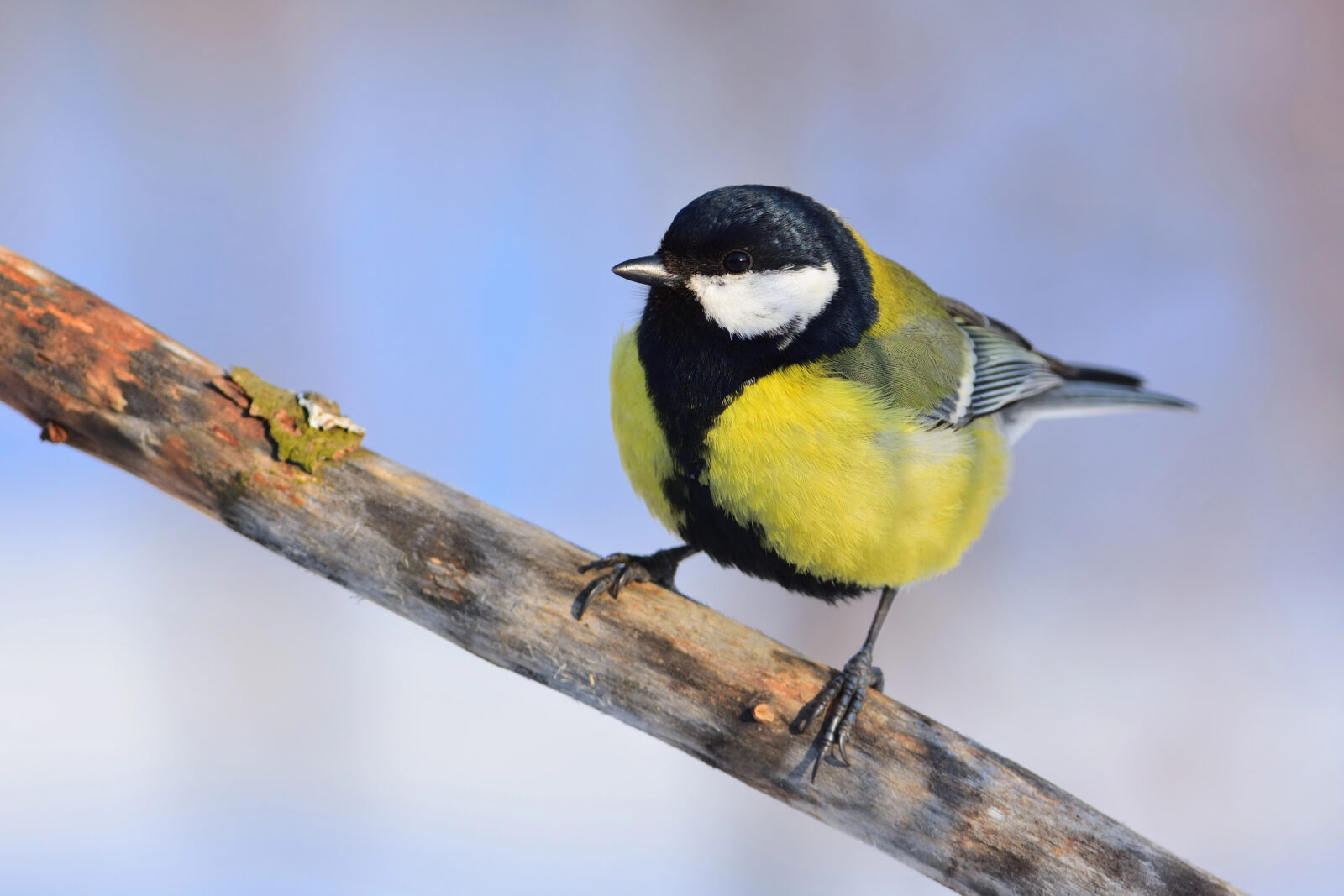
If you feed regularly, offer quality seeds, nuts and suet, and keep the feeder clean, your garden or window space will turn into a lively place full of movement. Tits are observant and they quickly remember a reliable source of food. Your reward will be frequent visits and the pleasant winter atmosphere that comes simply from watching small birds feed.
It doesn’t take much, but it has to be done properly. In winter, regularity, safe feeding and diligent attention to cleanliness are what matter.
With a few simple principles, you can make the toughest time of year much easier for tits. And at the same time, you’ll treat yourself to daily close-up contact with nature, even when cold and silence rule outside.
Source: Nature Anywhere, Bird Forum, Pestrazahrada.cz

A lover of nature, gardens, and everything that moves, blooms, or grows. He literally grows everything, from herbs to rare species, and he enjoys caring for animals just as much. In his work, he connects modern technology with tried-and-tested grandmotherly methods and is happy when both paths lead to the same goal.
Comments (0)
Be the first to comment.