
 English
  Polski
  Deutsch
  Nederlands
  Svenska
  Norsk
Norsk  Dansk
Dansk  Français
  Italiano
  Español
  Português
  Slovenčina
  Suomi
Suomi  Gaeilge
 September Isn’t the End, It’s the Start of the Final Garden Sprint
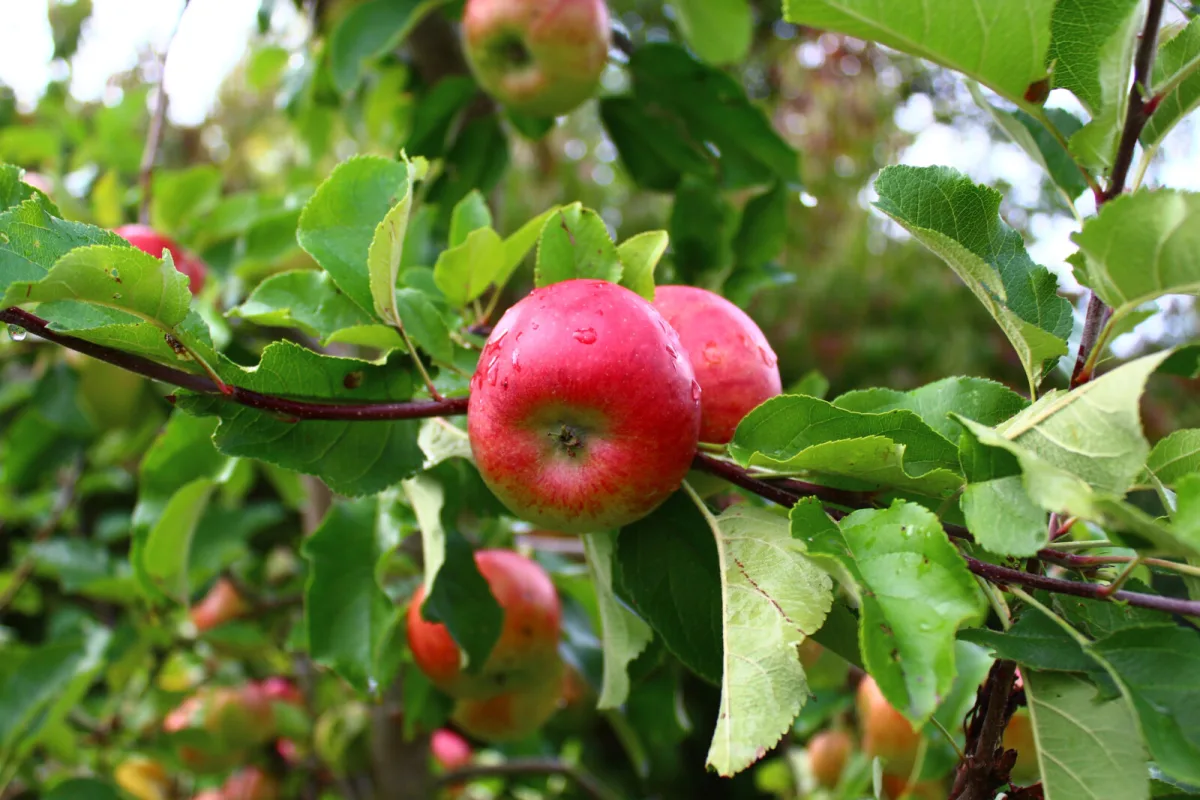
September is often one of the liveliest months for gardeners. Summer is slowly fading, but the garden is far from finished. On the contrary, harvesting swaps places with planting, and at the same time it’s the perfect moment to start thinking about next season. Anyone who puts a few hours into planning and care now will save work in spring and gain an advantage in the form of earlier blooms and healthier beds.
Planning for spring starts now
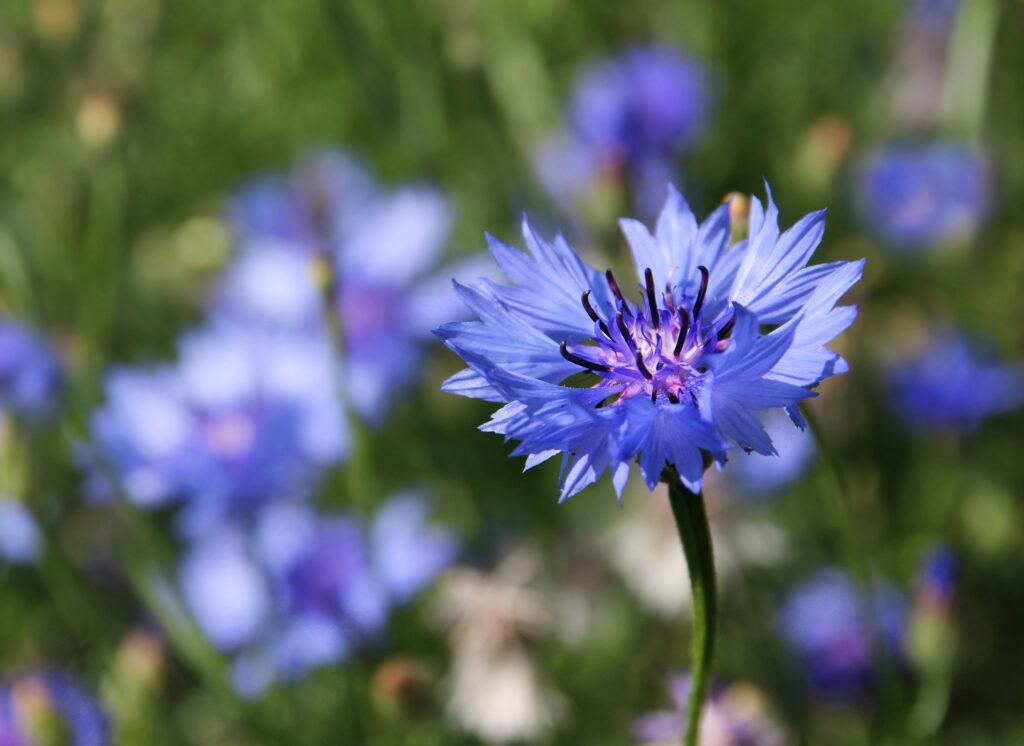
September is well worth using to sow hardy annuals that overwinter and reward you with abundant flowering in spring. Good choices include wax flowers, cornflowers, or marigolds. After summer the soil is still warm, seeds germinate faster, and plants have time to strengthen before temperatures drop. Thanks to this, they’ll get away to an earlier start in spring than later sowings.
September is also the prime time to plant spring-flowering bulbs. Daffodils, crocuses, hyacinths and fritillaries, often nicknamed “snake skin” for the patterning on their blooms, are planted now so they can root well. Besides their beauty, they bring one more important benefit: food for bees and butterflies waking up at a time when there are few flowers in the landscape.
You can plant bulbs in borders, into the lawn, or into containers. It’s an easy job to involve children in too, because the result is very showy in spring. If you want to get the most from a pot, try layered planting, the so-called bulb lasagne, where bulbs are set in one container in several levels according to flowering time. In spring they open in succession, creating a rich, multi-tiered effect.
Dividing perennials as an easy way to get new plants
Early autumn is also excellent for dividing and replanting perennials that have strengthened in place and formed large clumps. By dividing, you rejuvenate the plant and at the same time get new plants for free. You can keep some to expand your planting and gift the extras to family or friends. When replanting, a thorough watering helps the plants recover more quickly after the disturbance.
September harvest of fruit and vegetables
September is still a full-on harvest period. Fruit includes ripening apples, pears and autumn raspberries, which are worth picking regularly so they don’t over-ripen and attract pests. From the veg patch you’ll be lifting onions, beans, late potatoes, courgettes, fennel, tomatoes, aubergines, beetroot, carrots and peppers. It’s sensible to process some of the crop straight away, but many crops also store well if you harvest them in dry weather and let them dry off briefly.
Sowing for winter leafy harvests
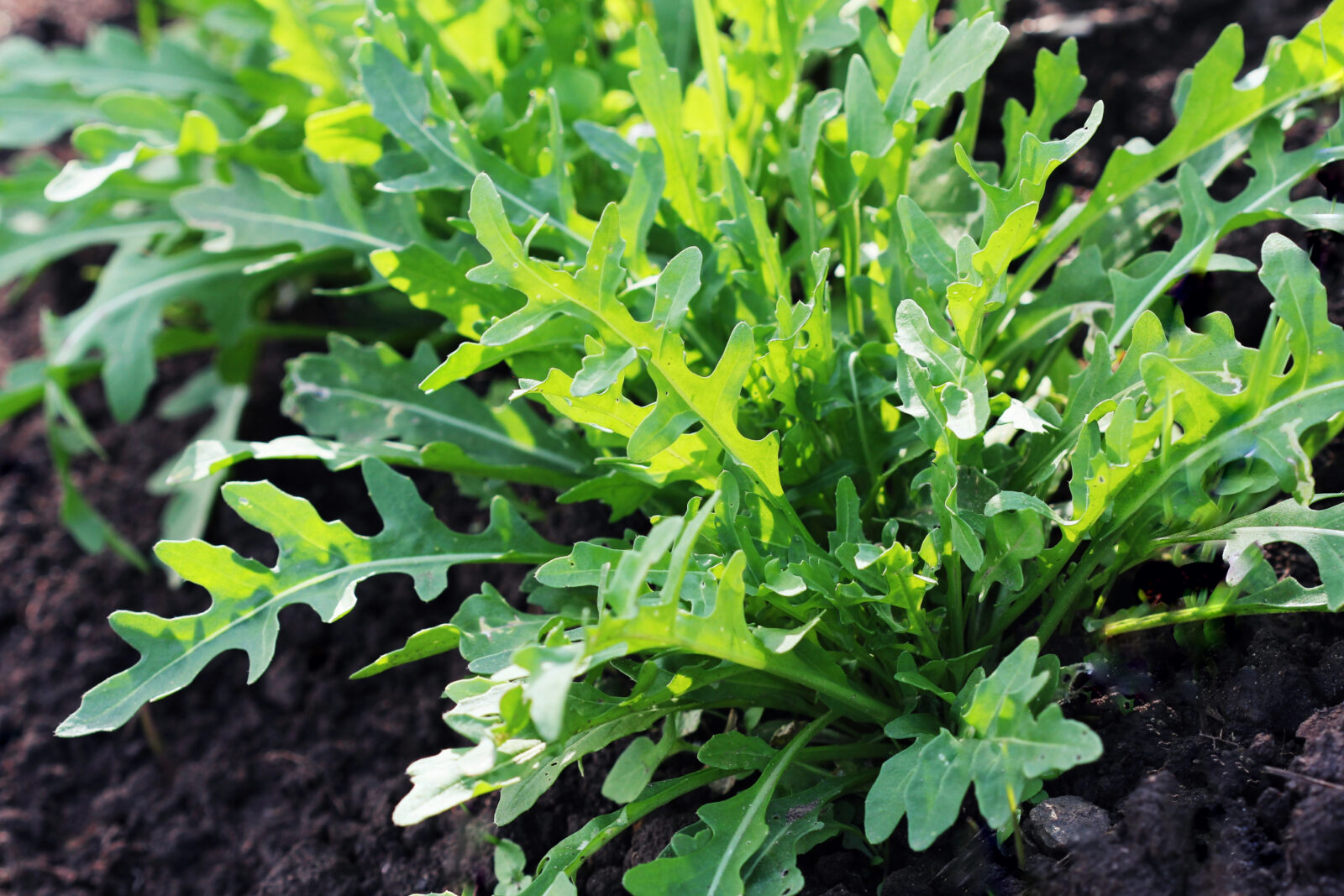
If you’d like to keep harvesting salad leaves through the cooler part of the year, you can carry on sowing hardy types in September. Mizuna, rocket and lamb’s lettuce (corn salad) perform well, coping with lower temperatures and giving a steady pick. Spinach and pak choi can be sown too, but they do best with some protection from cold wind and frost, for example against a wall, in a polytunnel, or under a simple cover. This extends the season and gives you fresh greens when there’s little to pick in the garden.
Lawn care after summer
After a dry summer the lawn often looks tired, thinning in places, and moss or a thatchy layer of dead material may appear. September is the ideal time to give it a refresh, because there’s usually more moisture and the soil hasn’t cooled down yet. Raking out thatch and removing moss helps the grass breathe and take up water and nutrients more effectively. Bare patches are best overseeded, so weeds don’t move in over winter.
If you want a lawn that copes better with drought and is also more useful for nature, consider sowing a pollinator-friendly mix, for example with a proportion of clover. Clover provides food for insects and, thanks to its toughness, helps keep the lawn looking green with less watering. The result is an area that looks good, needs less water, and supports more life in the garden.
Source: Mud and Bloom, Gardening Know How, Pestrazahrada.cz

A lover of nature, gardens, and everything that moves, blooms, or grows. He literally grows everything, from herbs to rare species, and he enjoys caring for animals just as much. In his work, he connects modern technology with tried-and-tested grandmotherly methods and is happy when both paths lead to the same goal.
Related articles
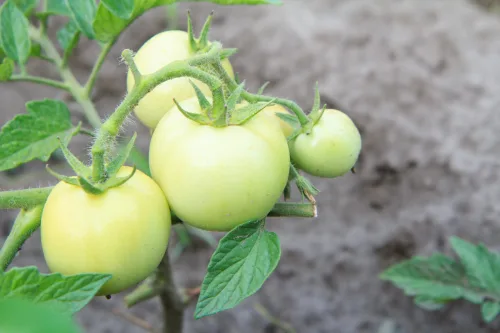
Not all green tomatoes will ripen. Experienced growers know which to pick and which to leave
As the tomato season winds down, it pays to judge green fruit by maturity and the forecast rather than the calendar. Size, skin colour and a quick seed check will tell you what can finish ripening indoors and what won’t.
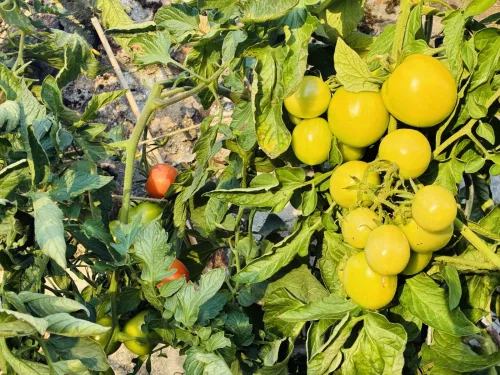
Don’t Throw Away Green Tomatoes They’ll Ripen Indoors and the Rest Belongs in the Pan
As temperatures drop at the end of summer, tomatoes often struggle to finish ripening on the plant. With a few simple tweaks you can help them colour up, ripen the rest indoors, and use any stubborn green ones in delicious recipes.
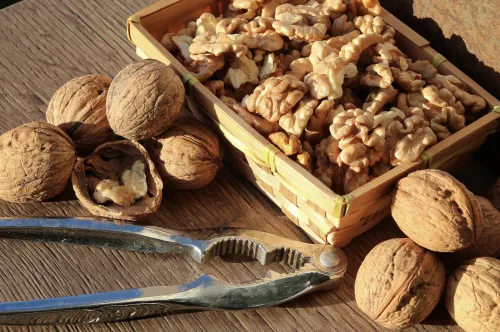
Walnuts will keep until next year’s harvest, but one post-harvest mistake can ruin them with mould
Home-grown walnuts can stay delicious for months—often right up to the next harvest—if you dry and store them properly. Moisture trapped in the kernel is the quickest route to musty flavour, rancidity and mould.
Comments (0)
Be the first to comment.