
 English
  Polski
  Deutsch
  Nederlands
  Svenska
  Norsk
Norsk  Dansk
Dansk  Français
  Italiano
  Español
  Português
  Slovenčina
  Suomi
Suomi  Gaeilge
 Summer raspberries hide next year’s crop where most people cut it off
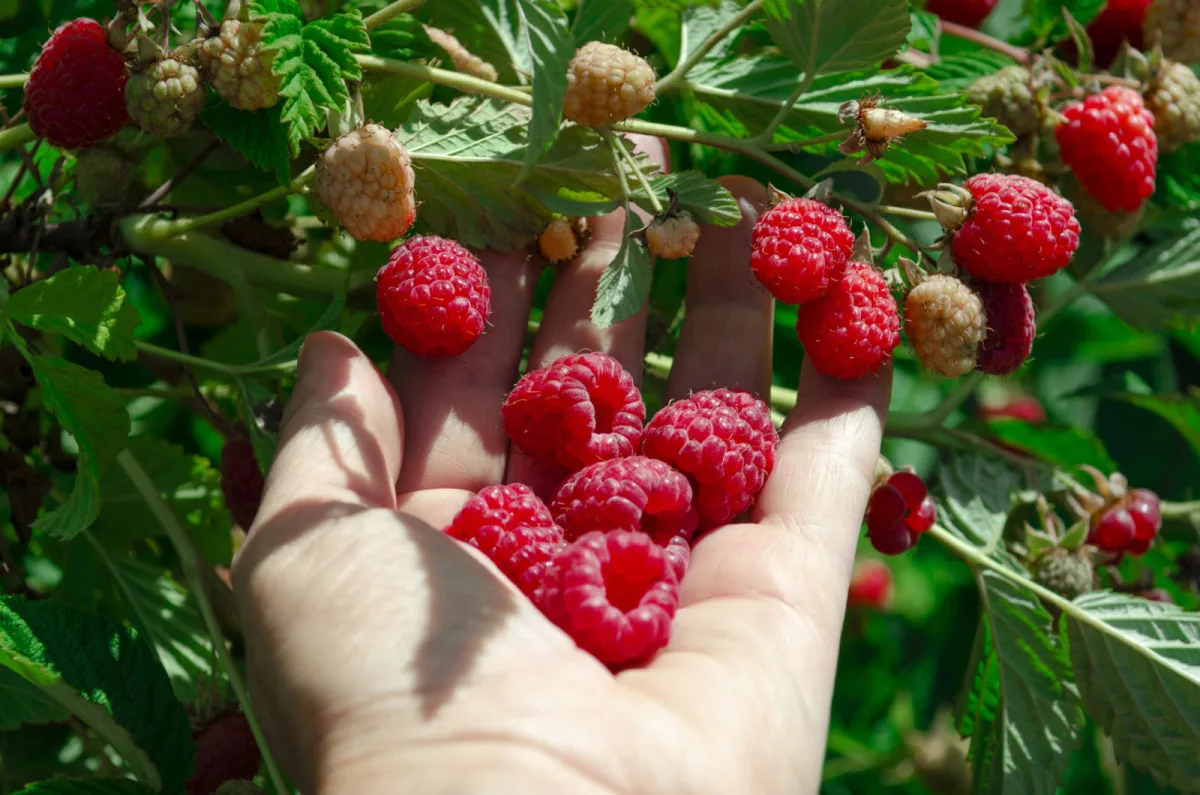
With raspberries, there’s one simple rule that many growers overlook: before you pick up the pruners, you need to know which type of raspberry you have in the garden. Autumn pruning can either be the best step toward a heavy crop, or a mistake that leaves you with hardly any raspberries next year. The difference is whether you’re growing summer-fruiting varieties or so-called remontant types, often sold as autumn-fruiting.
And the work around raspberries doesn’t end with pruning alone. Training the canes on a support is just as important, so the row stays tidy, airy, and easy to maintain. In most gardens, a simple structure is more than enough to keep the canes upright and prevent them from flopping over.
A support helps both the canes and the whole plant
Raspberries are best grown against a straightforward support system. It doesn’t need to be complicated or expensive; it’s about practicality and making the planting easy to work in. To tie in the canes, you can use tensioned guide wires or trellis netting. The canes hold their shape better, break less, dry faster after rain, and harvesting is more comfortable.
A well-trained row also looks neater and makes disease prevention easier. When canes aren’t lying on the ground and the planting isn’t unnecessarily crowded, you reduce the risk of problems that linger longest in dense, damp growth.
Prune summer raspberries selectively and with care
Summer raspberries fruit on two-year-old canes. That means next summer’s crop will be borne on canes that grew this year. After harvesting summer raspberries, the old, spent canes are not worth keeping because they won’t fruit again. These are the canes you should cut out right down at ground level.
At the same time, you must keep the young canes produced this year, because they will carry the fruiting laterals next season. Along with the spent canes, it also pays to remove weak, damaged, or clearly diseased shoots that would otherwise drain the plant’s strength. For a typical bed, aim for a sensible density, roughly six to ten strong canes per 1 m of row. That way the canes get enough light and space, and the raspberries will repay you in both size and quality.
Autumn-fruiting (remontant) raspberries can be cut right down
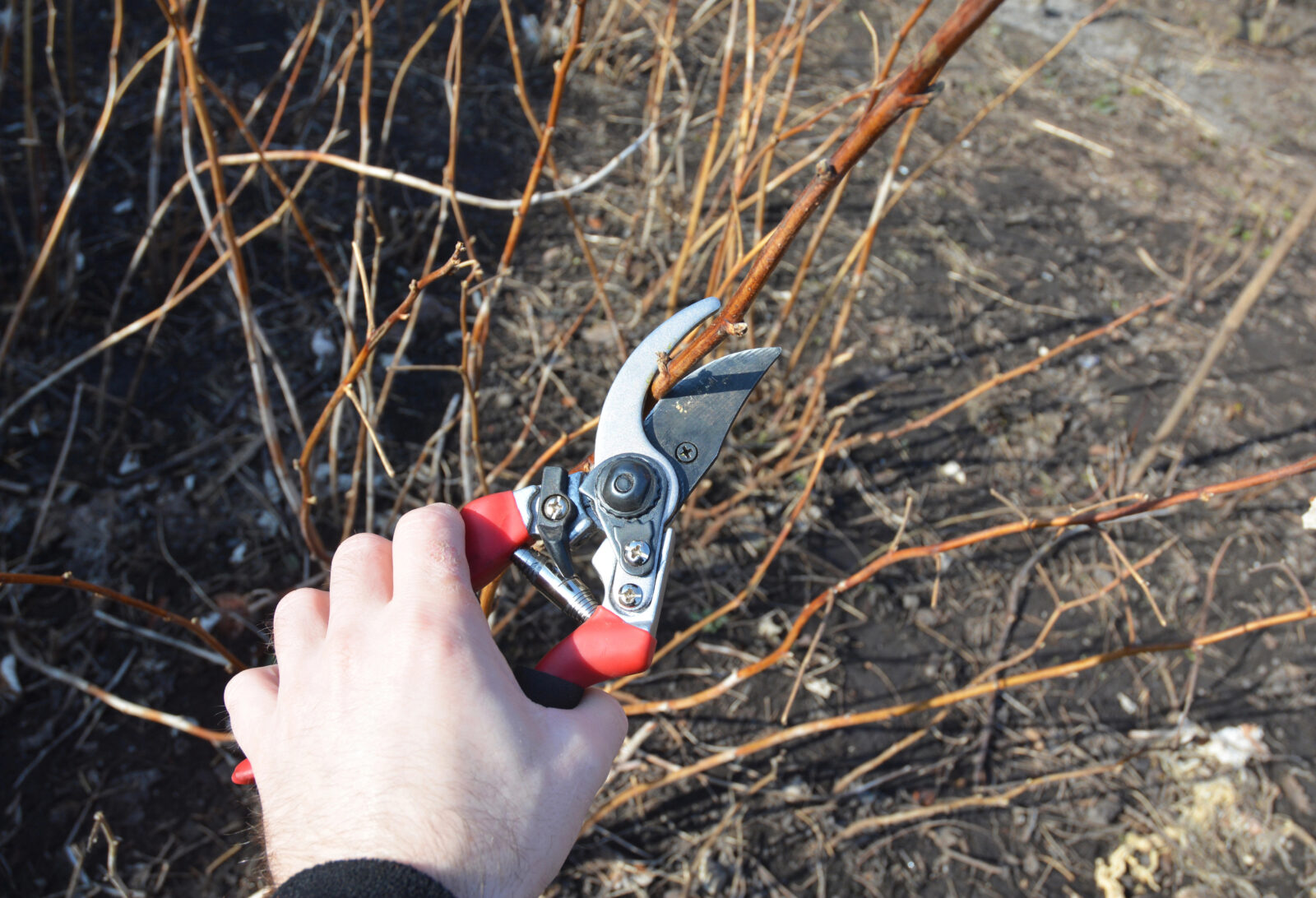
Remontant, i.e. autumn-fruiting raspberries, behave differently. They fruit on one-year-old canes, so a cane that grows in spring can set fruit later that same season, in the second half of summer and into autumn. If you’re aiming for one crop, but a really generous one, the simplest approach after harvest is this: cut every cane without exception down close to the ground.
In spring, new canes will rise from the roots and they will bring the autumn harvest again. This method is practical, the planting doesn’t become overcrowded, and it’s easier to keep in good condition. The gardener also knows exactly what to keep and what to remove, and the plant focuses its energy on new growth.
Two crops from remontant raspberries are possible, but pruning is more complicated
If you want two crops from remontant raspberries, you need to proceed more carefully. Some of the canes that fruited in autumn are left to provide an earlier summer crop the following year. These retained canes are usually shortened by about one third to encourage branching and better fruiting. The remaining canes are removed. For most home gardens, however, the easiest and most reliable choice is a complete autumn cut right down to the ground, because it’s straightforward and gives consistent results.
What to do after pruning to keep the planting healthy
Don’t leave the cut material lying among the raspberries. Especially if the canes showed signs of disease or pests, they need to be removed from the planting. This material is not suitable for a home compost heap either, where the problem could persist and later return to your beds.
Before winter, it’s also worth checking soil moisture. If it’s dry, give the raspberries a moderate watering so they don’t go into winter unnecessarily stressed. Topping up a mulch layer can also help: it protects the soil from temperature swings, reduces drying out, and improves conditions for the roots.
The most important thing is identifying the right raspberry type
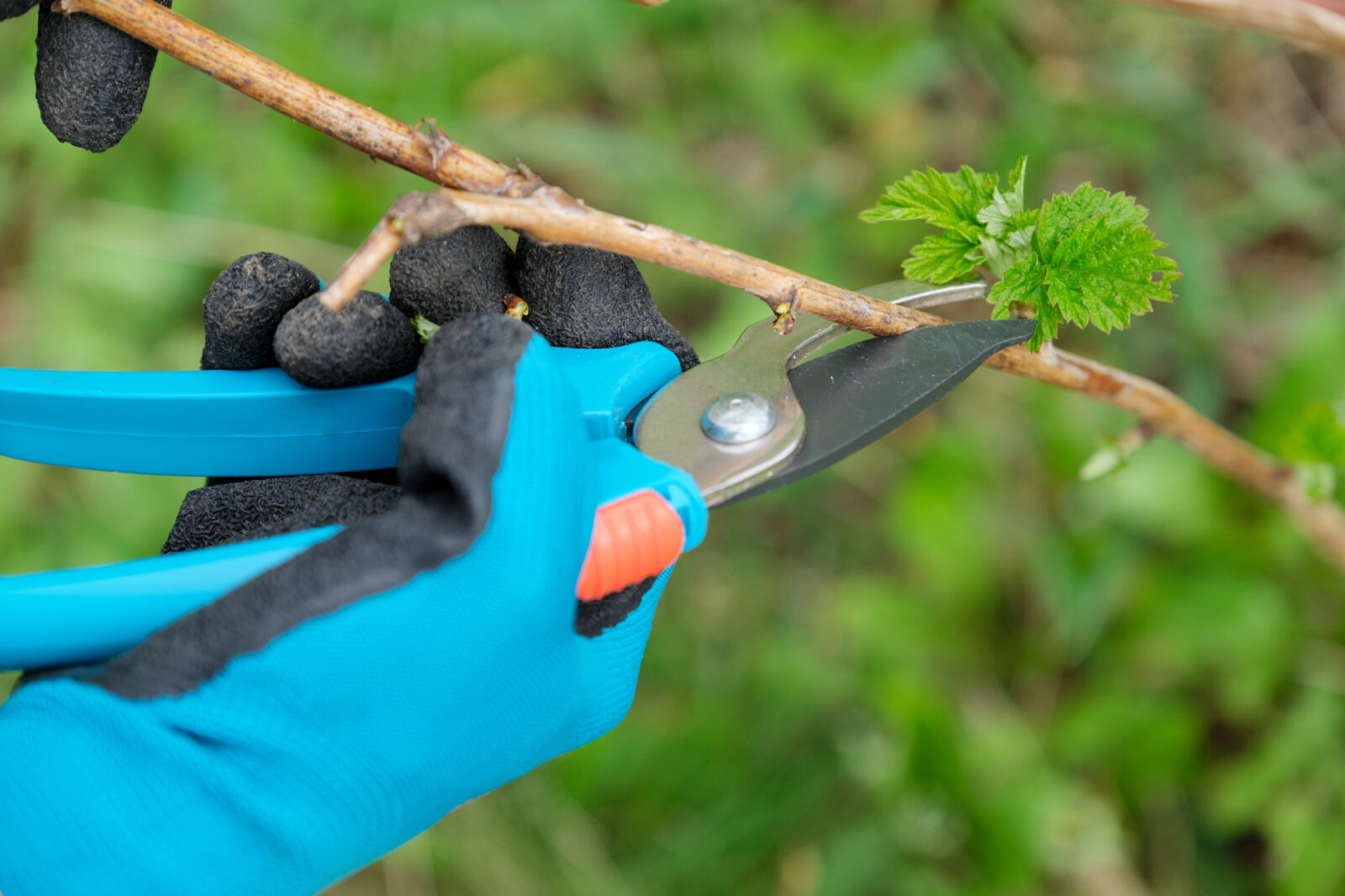
The whole decision can be summed up in one sentence: never cut summer raspberries completely down to the ground, because you would remove next year’s crop, while autumn-fruiting (remontant) raspberries grown for a single harvest can safely be cut back hard. Once you’re clear on this, autumn pruning becomes quick and logical, and it will make a visible difference to both the quantity and quality of your raspberries next season.
Source: Gardening Know How, Zahrádkár, RHS, Pestrazahrada.cz

A lover of nature, gardens, and everything that moves, blooms, or grows. He literally grows everything, from herbs to rare species, and he enjoys caring for animals just as much. In his work, he connects modern technology with tried-and-tested grandmotherly methods and is happy when both paths lead to the same goal.
Related articles
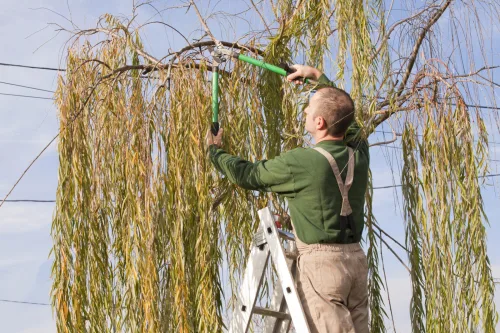
Is It Worth Pruning Willow in Autumn If You Missed Spring
Autumn pruning can make sense for willows grown for rods or pollarded forms, but it may cost you spring catkins and can trigger tender new growth that’s vulnerable to frost. Timing and the type of willow you grow are key.
Why Early Autumn Is Ideal for Adding Eggshells to Garden Beds
Once the last crops are lifted, early autumn is the perfect time to improve soil for next season. Eggshells add calcium, help soil structure, and can even deter certain pests when used correctly.
Comments (0)
Be the first to comment.