
 English
  Polski
  Deutsch
  Nederlands
  Svenska
  Norsk
Norsk  Dansk
Dansk  Français
  Italiano
  Español
  Português
  Slovenčina
  Suomi
Suomi  Gaeilge
 Walnuts will keep until next year’s harvest, but one post-harvest mistake can ruin them with mould
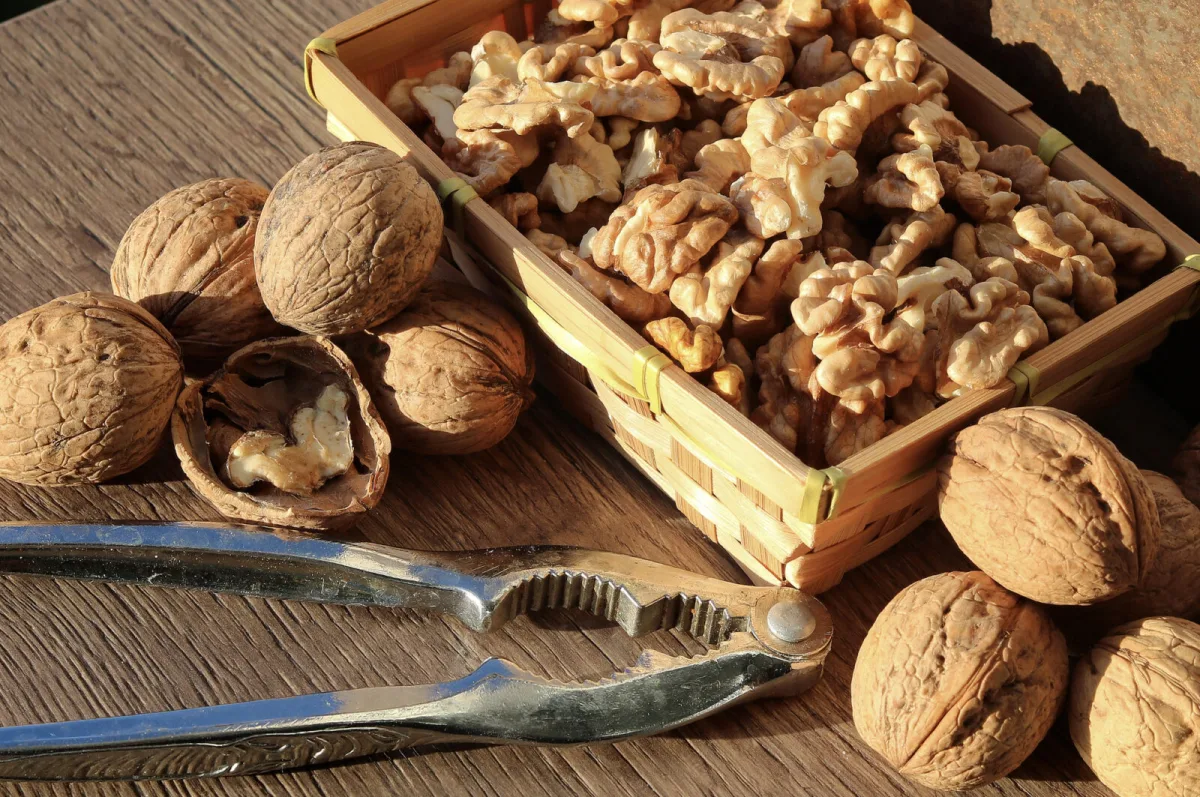
Walnuts from your own garden are among the most valuable autumn crops. If you want to preserve their full flavour not just for a few weeks but easily until the next season, you need to pay attention to two steps. The first is thorough drying, the second is correct storage. It’s exactly at these stages that mistakes are often made—resulting in a musty taste, rancidity, or even mould.
Freshly harvested walnuts still contain residual moisture inside. If it isn’t removed gradually and gently, the kernel will spoil quickly in storage. It’s not complicated, though. All you need are the right conditions, plenty of airflow and a bit of patience. The reward is a supply of quality nuts for baking, salads and everyday snacking.
When to start harvesting walnuts
Timing matters more than it may seem. It’s not a good idea to wait until every last nut has fallen. The best time to start is when the first fully ripe walnuts begin appearing on the ground. At this stage the green husk is often split or can be removed easily by hand.
Collect walnuts regularly, ideally every other day. If they lie on damp soil for too long, they quickly absorb moisture, can begin to go mouldy and attract pests. Gloves are recommended when handling them, because the juice from the green husk stains skin heavily and the marks are difficult to remove.
After collecting, remove any remaining pieces of the green husk. Then scrub the hard shell with a brush under running water and dry each nut well with a cloth. Only clean nuts that are dry on the surface are ready for drying.
Why drying is absolutely essential
The biggest enemy of stored walnuts is moisture hidden in the kernel. That’s what creates ideal conditions for mould and also spoils the flavour. Improperly dried walnuts often taste flat and musty, and many go off before you can use them.
The aim of drying is to naturally draw water out of the kernel without damaging the valuable oils and aroma. This process can’t be rushed with high heat or by shutting them away in an enclosed space. Walnuts need steady airflow and moderate warmth. Only then will they keep in excellent condition for many months.
The best place for drying
The ideal space is warm, airy and dark. A loft, garden shed, outbuilding or any room where there’s no direct sun and the temperature stays stable at roughly 20 to 25 °C works well. Sunlight can reduce walnut quality because it negatively affects the oils in the kernel, often leaving the flavour bitter.
Direct sun during drying harms walnuts because it degrades the oils and can affect the final flavour.
On the other hand, damp cellars, cold garages without ventilation, or closed rooms with stale, heavy air are unsuitable. In such conditions, moisture doesn’t evaporate evenly and instead of drying you increase the risk of mould.
How to spread walnuts out and turn them
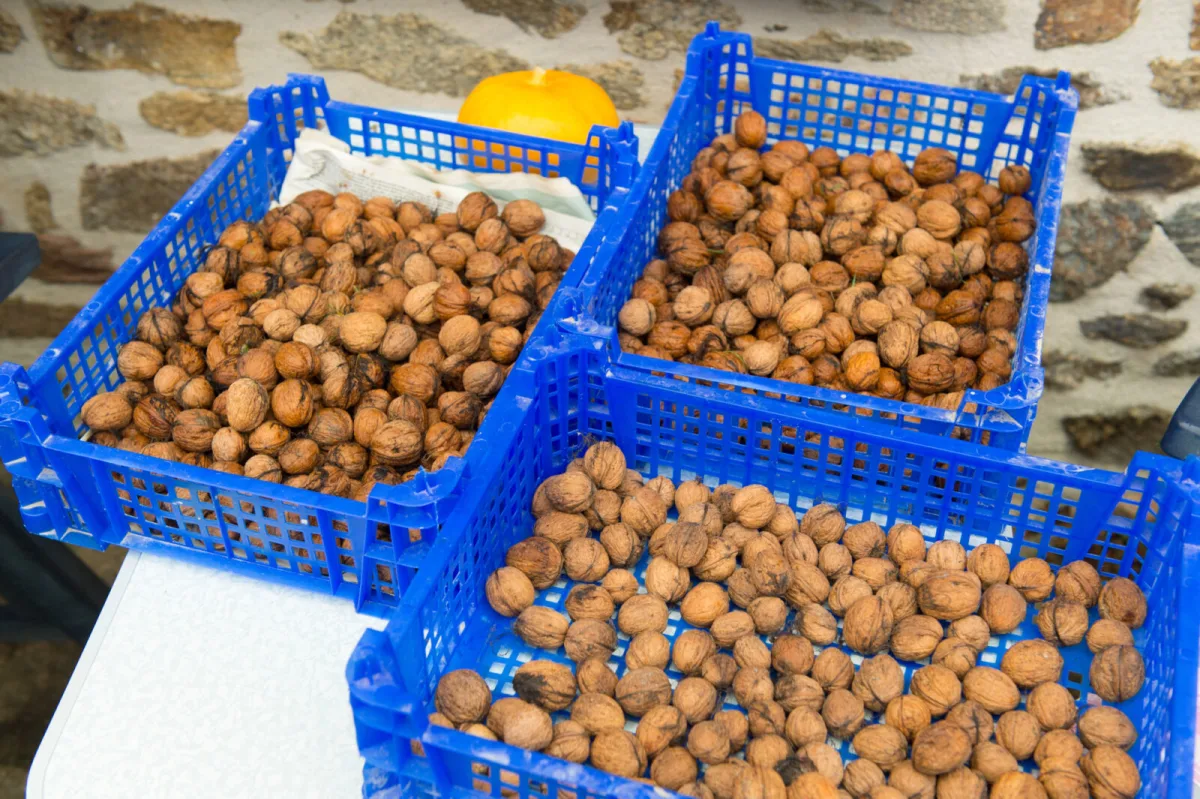
Spreading them in a single layer is crucial. Walnuts mustn’t be piled on top of each other, otherwise air can’t reach all sides. The best options are racks, mesh trays, fruit crates or shallow wooden boxes. The base should allow airflow from underneath as well.
During drying, stir or turn the walnuts every two to three days. This helps them dry evenly and prevents damp patches, which are a common cause of later spoilage inside the shell. Don’t cover the nuts with anything. Fabric and film aren’t suitable because they prevent moisture from escaping.
A slightly open window or door also helps keep fresh air moving through the space. Drying is a slow process and needs stability more than interference.
How to tell when the walnuts are dry enough
Drying usually takes four to six weeks, but the exact time depends on conditions and the size of the nuts. Time alone isn’t enough. A more reliable check is to crack one open after a few weeks and inspect the kernel. It should feel dry to the touch and snap crisply when bent—not feel soft or rubbery.
Sound can be another clue. In a truly well-dried walnut, you may hear the kernel moving slightly inside the shell when you shake it. Weight also tells you a lot: a fresh walnut feels heavy, while a dried one is noticeably lighter.
If the kernel flexes when cracked or feels damp inside, the walnuts need more time to finish drying.
How to store walnuts so they keep as long as possible
Once fully dried, it’s time for storage. The best environment is cool, dry and dark. The temperature should be roughly between 5 and 15 °C. In warmer conditions the oils spoil faster and the nuts can start to turn rancid.
Choosing the right container is just as important. Breathable materials are ideal—such as jute or cotton bags, wooden boxes, cardboard boxes or mesh sacks. Air must be able to circulate during storage as well. Airtight plastic bags and sealed plastic tubs are unsuitable because they trap residual moisture and encourage condensation.
Don’t store walnuts directly on a cold floor. A shelf, rack, or raising them on wooden battens is better. This reduces the risk of damp rising from below and improves airflow around your stash.
Regular checks and the most common mistakes
Even properly stored walnuts are worth checking once every few weeks. If you spot nuts with dark stains, holes in the shell, or a suspicious smell, remove them immediately. Over time, one affected nut can spoil the rest of the batch.
A common mistake is skipping the wash after harvest. Dirt and mould spores then remain on the shell. Another error is drying in a space that’s too humid or stacking walnuts in deep layers. Trying to speed things up with excessive heat also causes problems.
If you want to extend shelf life even further, you can crack the nuts after drying and store the kernels in the freezer. In small portions they keep for a very long time and stay in good condition for later use.
How long properly dried walnuts will keep
If walnuts are dried correctly and stored under suitable conditions, they can keep a very good flavour for roughly nine to twelve months. That means they can easily last you until the next harvest. The key to success is care from the first collection right through to regular checks over winter. Follow this method and you can enjoy home-grown walnuts all year round.
Source: Westfalia, Rural Sprout , Pestrazahrada.cz
Related articles
Don’t Throw Away Green Tomatoes They’ll Ripen Indoors and the Rest Belongs in the Pan
As temperatures drop at the end of summer, tomatoes often struggle to finish ripening on the plant. With a few simple tweaks you can help them colour up, ripen the rest indoors, and use any stubborn green ones in delicious recipes.
How to Protect Your Garden from Frost in Autumn and Spring
Frost can wipe out tender vegetables and herbs overnight, but a few well-timed steps can greatly reduce the damage. Learn which crops cope with cold, when to cover, and how water, mulch and smart garden layout help buffer temperature swings.
Green tomatoes will ripen without sunshine with a paper bag and one kitchen staple
When autumn nights turn cold, many tomatoes are left green on the vine. With a few simple steps outdoors and the right ripening methods at home, you can bring a surprising share of the crop to full colour and flavour.
Comments (0)
Be the first to comment.