
 English
  Polski
  Deutsch
  Nederlands
  Svenska
  Norsk
Norsk  Dansk
Dansk  Français
  Italiano
  Español
  Português
  Slovenčina
  Suomi
Suomi  Gaeilge
 Wasps Aren’t Just a Barbecue Menace They Can Ruin Your Garden Woodwork Too
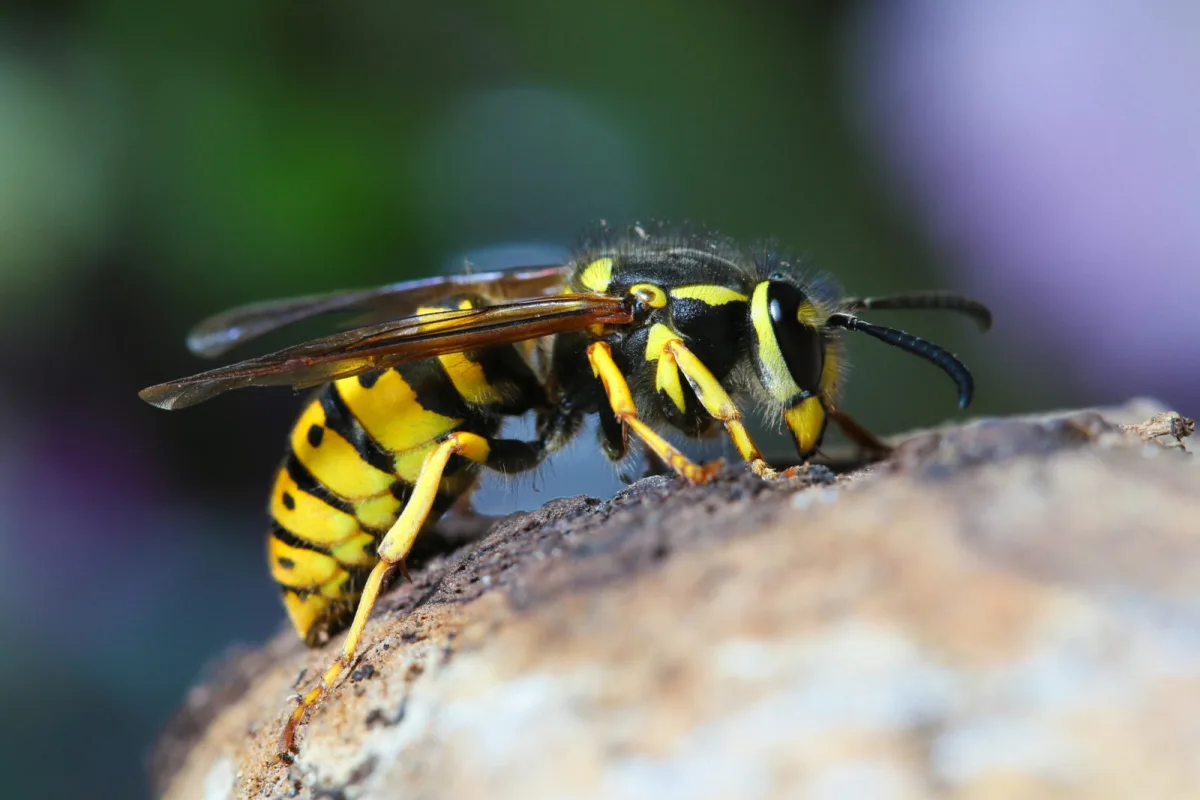
I’ve worked with timber for years, and with outdoor projects you can really see how they change over time. We all more or less expect rain, frost and UV light to gradually wear a surface down. What keeps surprising me, though, is how often the quickest and most obvious damage on certain structures isn’t caused by the weather at all, but by wasps. In a short time they can leave long grooves, chewed-out patches and roughened areas on boards and beams, which then absorb water and age even faster.
How I noticed the damage and what makes it so deceptive
The first time it really jumped out at me was on a children’s play area built in 2020. After a few seasons, regular cuts and worn channels started appearing in selected spots, as if someone had been sanding them with coarse grit paper. Watching closely, it was clear the wasps were returning repeatedly, landing on the same sections and gradually removing material. Without eyewitnesses or photos, many people wouldn’t believe it, because at first glance the damage can look like normal weathering. In reality it’s targeted scraping of fibres, often focused on weak spots and cracks.
Wasps don’t eat wood they use it as a building material
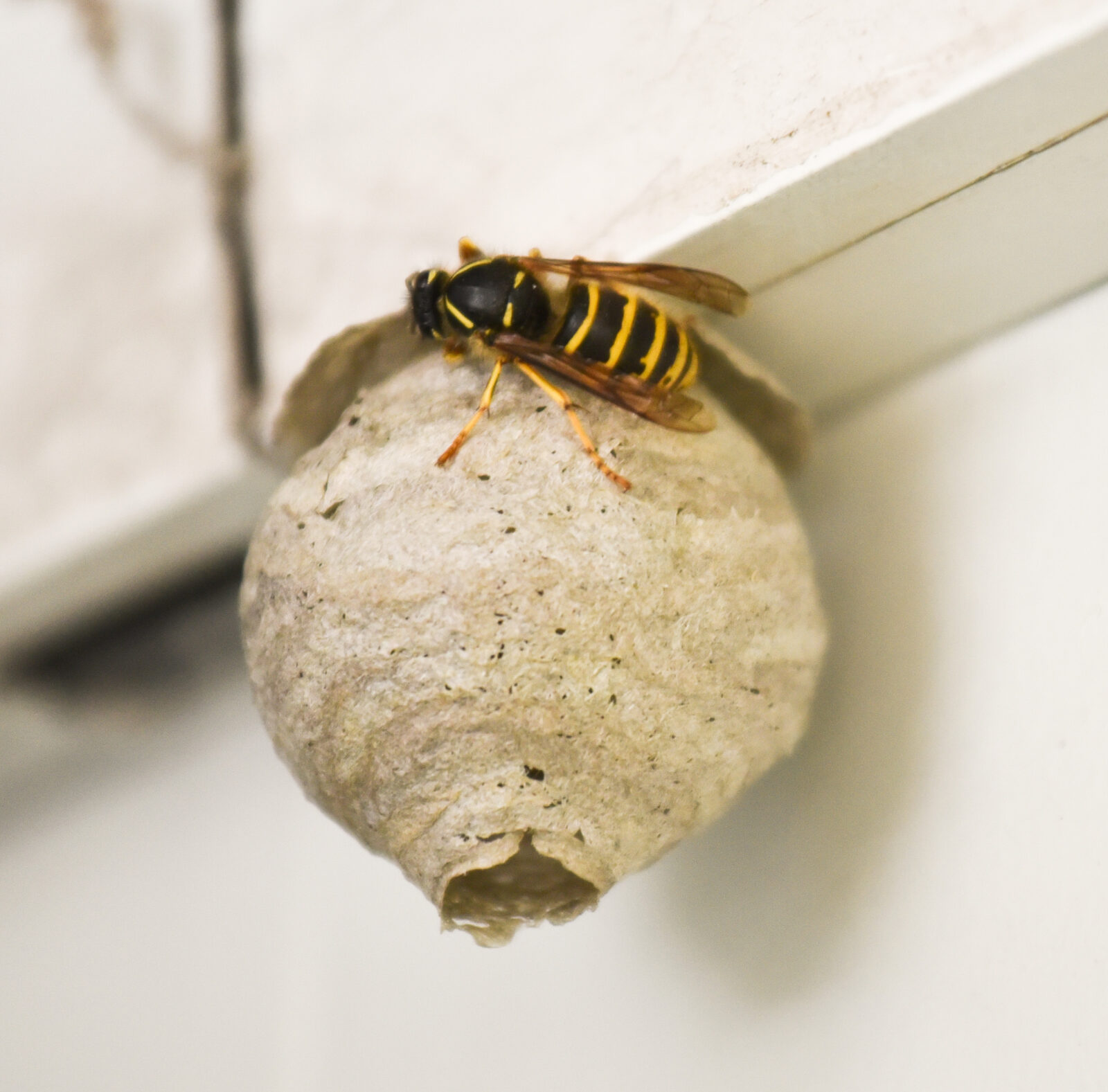
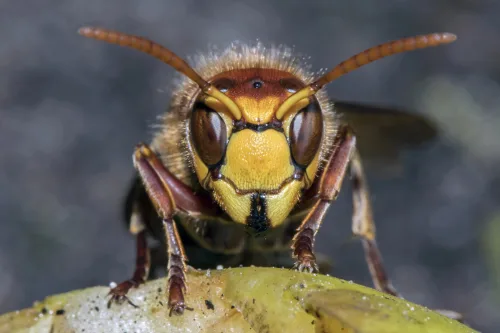
A common misconception is that wasps are eating the wood. It isn’t food, but raw material. With strong mandibles they scrape fine fibres from the surface, then mix them with saliva to create a papery pulp. They use it to build the layers of the nest and keep expanding it as the colony grows.
Wood that releases fibres easily is the most attractive, because wasps look for material they can harvest quickly.
Which surfaces are most often targeted
In practice, wasps most often go for older, weathered timber, softer species and surfaces without a tough protective film. Damp parts of structures are also risky, as are areas with cracked finish and edges where protection wears through faster. The greatest activity comes in spring and summer, when the demand for material is highest and the nest grows the quickest.
Why they choose outdoor timber projects in particular
Outdoors is ideal for wasps mainly because they find wood already broken down by rain and sunshine. When the surface is rougher, softer or has been exposed to the elements for a long time, fibres separate much more easily. What the wood is treated with also matters a lot. If the surface is only fed with natural oils, it often keeps a pleasantly natural look, but it can also remain more yielding. For wasps that means less resistance when scraping and a faster payoff.
The difference between oil and tougher finishes
Good-quality synthetic or hybrid stains typically form a harder, more cohesive protective layer. This blocks moisture better and also makes the surface harder to damage mechanically. It doesn’t mean wasps won’t land, but often that sort of finish simply isn’t worth the effort to them, or they’ll move on to an easier source.
How to protect wood so the damage stays minimal
Completely preventing wasps from contacting timber can be difficult, especially in the garden or on structures that are easily accessible. Even so, the damage can be significantly reduced with the right protection and regular upkeep. The basics are a well-chosen finish that hardens and seals the surface, plus timely repairs wherever that protection has been breached.
What works well in practice for outdoor structures
Impregnation works well as a first step, followed by two to three coats of stain depending on wear. For projects exposed to sun and rain, it pays to use thick-film stains, more durable synthetic coatings, or hard varnishes with UV protection. Ongoing checks are key, because even a very high-quality finish breaks down over time, and a small defect quickly turns into a spot wasps recognise as ideal for harvesting fibres.
When woodwork is both work and a hobby it hurts twice as much
For joiners, DIYers and makers of garden structures, it’s frustrating to watch an insect devalue hours of work in just a few days. On the other hand, it helps to remember that wasps aren’t trying to destroy our projects. They’re simply sourcing building material efficiently for their own colonies. That’s exactly why it makes sense to treat wood protection as just as important a part of the project as accurate machining, material choice and sound construction.
Source: Science Direct, Urob si sám, Pestrazahrada.cz

A lover of nature, gardens, and everything that moves, blooms, or grows. He literally grows everything, from herbs to rare species, and he enjoys caring for animals just as much. In his work, he connects modern technology with tried-and-tested grandmotherly methods and is happy when both paths lead to the same goal.
Related articles
The More Often You Harvest, the Longer Plants Keep Cropping
With fruiting vegetables, frequent picking keeps plants flowering and producing for longer. A few crops, such as aubergines, are tastiest when harvested slightly earlier rather than fully mature.
Why hydrangeas wilt in summer even when watered and how to save them fast
Hydrangeas can look limp in hot weather even if you’ve been watering faithfully. The key is to check what’s happening in the root zone, then adjust watering, shade and mulching so the plant can actually use the moisture available.
How to Keep Wasps and Hornets Off Your Patio with a Simple Chemical Free Household Repellent
Late-summer wasps and hornets can turn patio meals into a battle. A small dish of smouldering dry ground coffee helps mask food scents and makes the area far less inviting—without chemicals.
Comments (0)
Be the first to comment.