
 English
 Polski
 Deutsch
 Nederlands
 Svenska
 Norsk
 Dansk
 Français
 Italiano
 Español
 Português
 Slovenčina
 Suomi
 Gaeilge
Mushroom foraging doesn’t end in November: four species that keep fruiting in the cold, but one needs extra caution
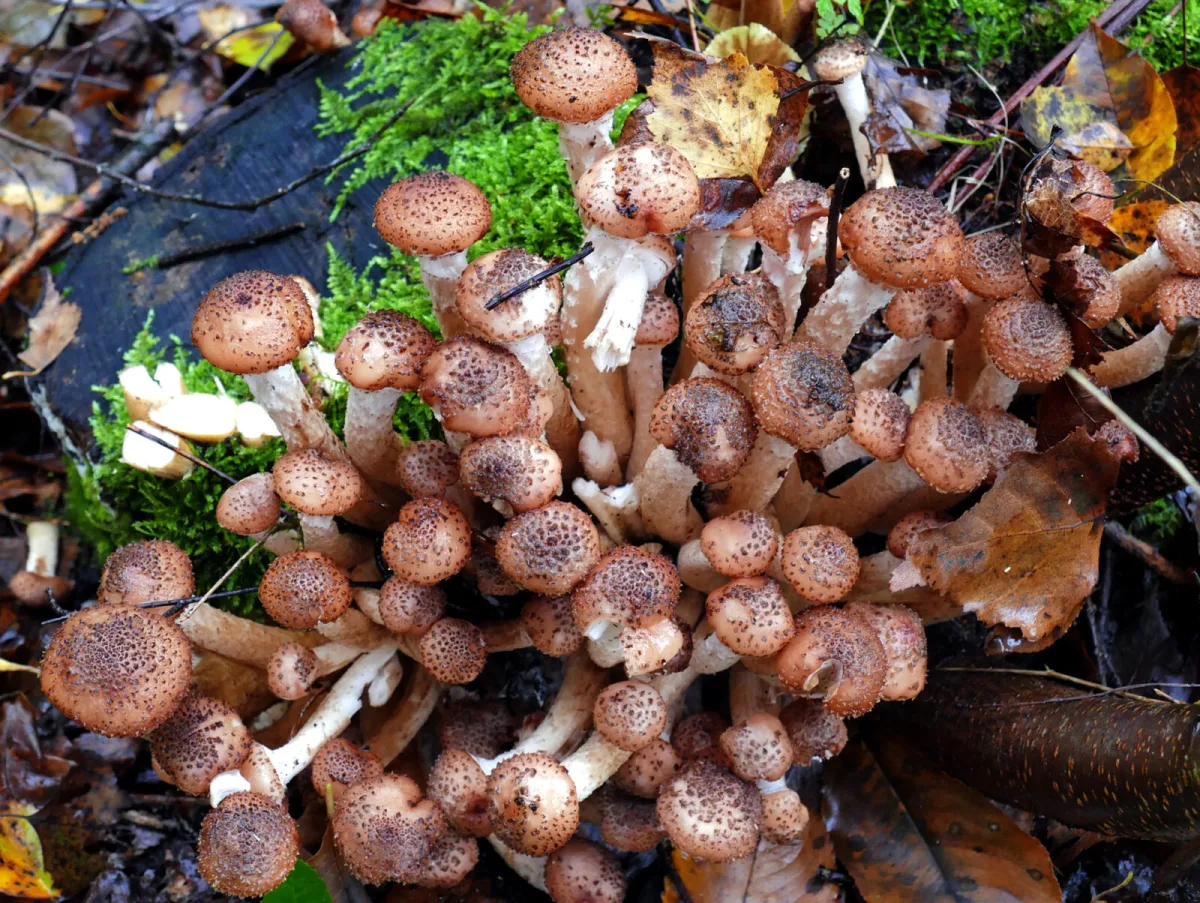
Many people feel that once the weather turns noticeably colder, the mushroom season is over for good. In reality, even late autumn doesn’t have to mean an empty basket. Species worth looking for still appear in the woods during the cooler part of the year. If you know where to look and what conditions to seek out, you can bring home a nice haul even at a time when most foragers are staying indoors.
An autumn woodland has its own special charm, and mushroom picking at this time of year is a little different from the peak season. It’s no longer about rushing through every patch of forest, but rather careful searching in the right places. More experienced foragers therefore choose drier sites, where mushrooms are more likely to stay in good condition and aren’t spoiled by rot so quickly.
Where mushrooms have the best conditions in autumn
As temperatures drop, where mushrooms most often appear changes as well. Damp, cold spots may no longer be as advantageous as they were earlier. Better are places that aren’t waterlogged, where the fruiting bodies don’t deteriorate as fast. It’s in exactly these locations that, even in November, you can come across species that are good for the kitchen.
Autumn foraging therefore calls for more patience and attention. The reward, however, can be finds that are not only edible, but also very interesting in flavour. These are often mushrooms that don’t appear in huge quantities, but all the more delight anyone who spots them in the woods.
Mushroom species you can still find at lower temperatures
Wood blewit
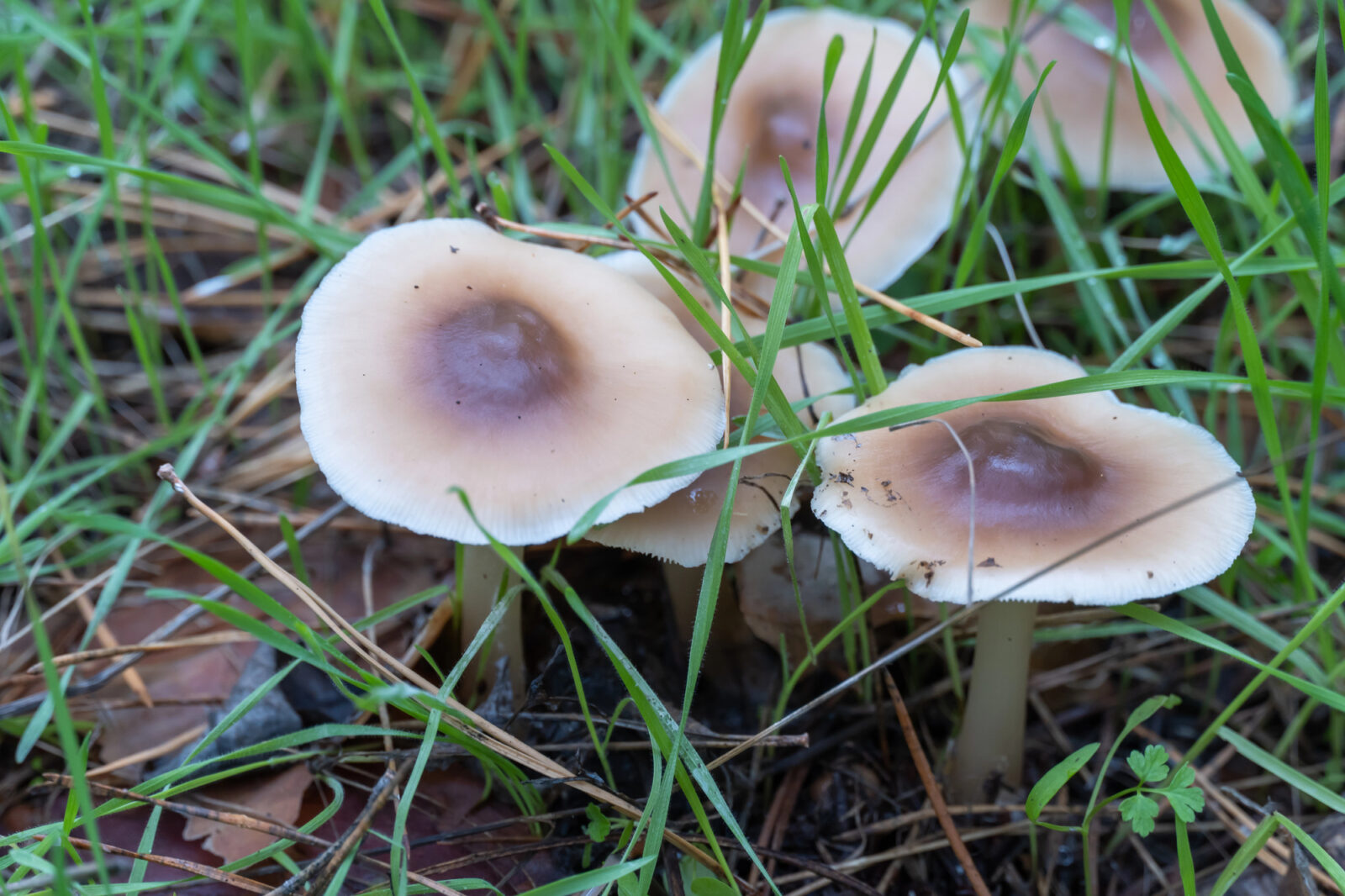
Among the mushrooms that cope well with colder weather is the wood blewit. In the forest it’s easy to recognise thanks to its distinctive colouring, which often makes it quite visible among autumn leaves. Its flavour is mild with a gently spicy note, so it works well in a range of seasonal dishes.
With blewits, though, caution is essential. Although they are edible, you should only pick them if you can identify them with complete certainty. Some lookalikes can be dangerous, so with this species it pays to rely only on confidence and experience.
Honey fungus
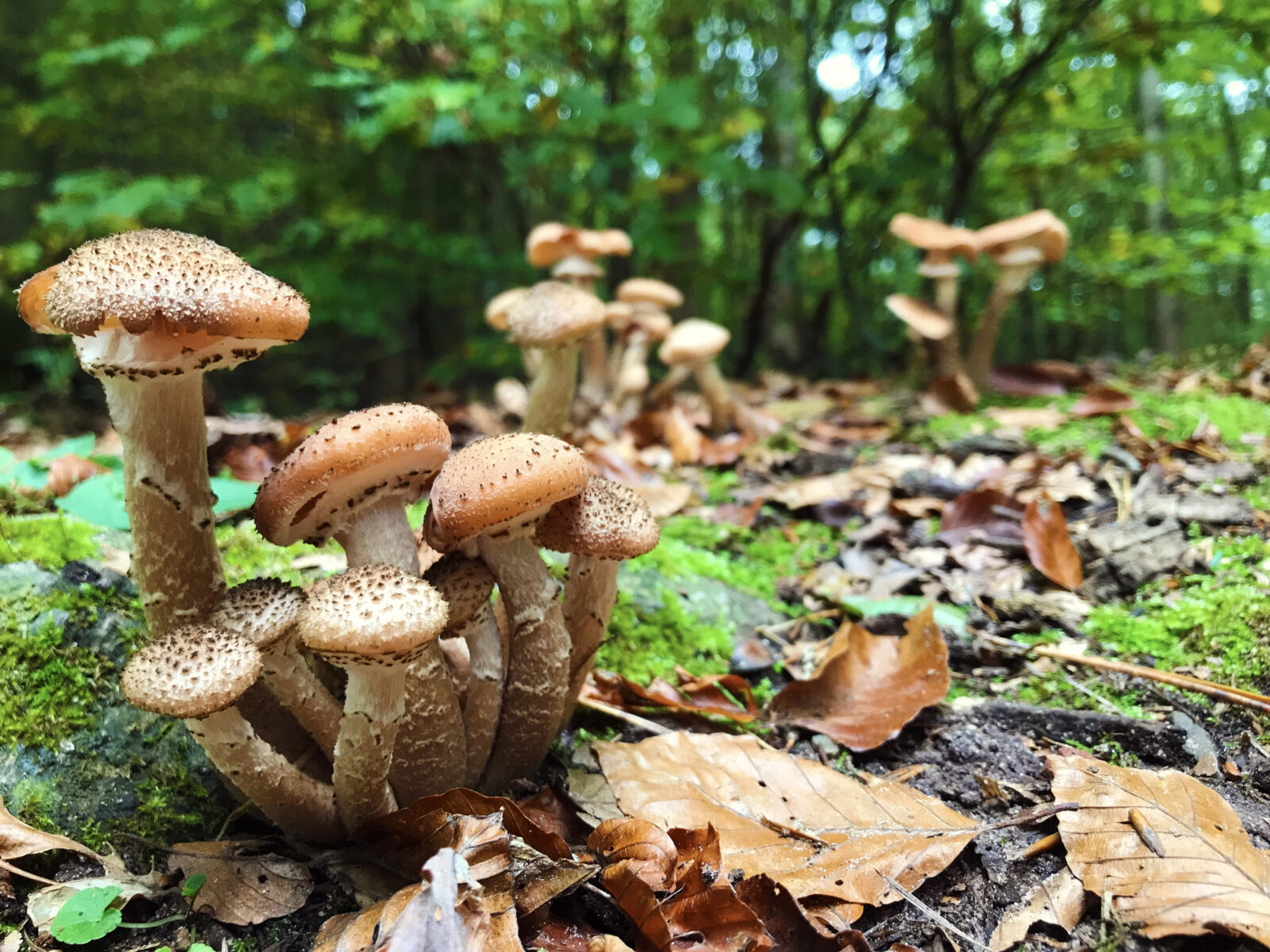
Honey fungus is also a common late-season find. It most often grows on stumps, roots or tree trunks, where it forms larger clusters. In the kitchen it’s popular for its pronounced aroma and is best used in soups, sauces or alongside meat.
With honey fungus, it’s important to remember proper preparation. Before eating, it always needs to be thoroughly boiled, otherwise it can cause unpleasant digestive problems. Heat treatment is the key condition for safe consumption.
Milk caps and chanterelles
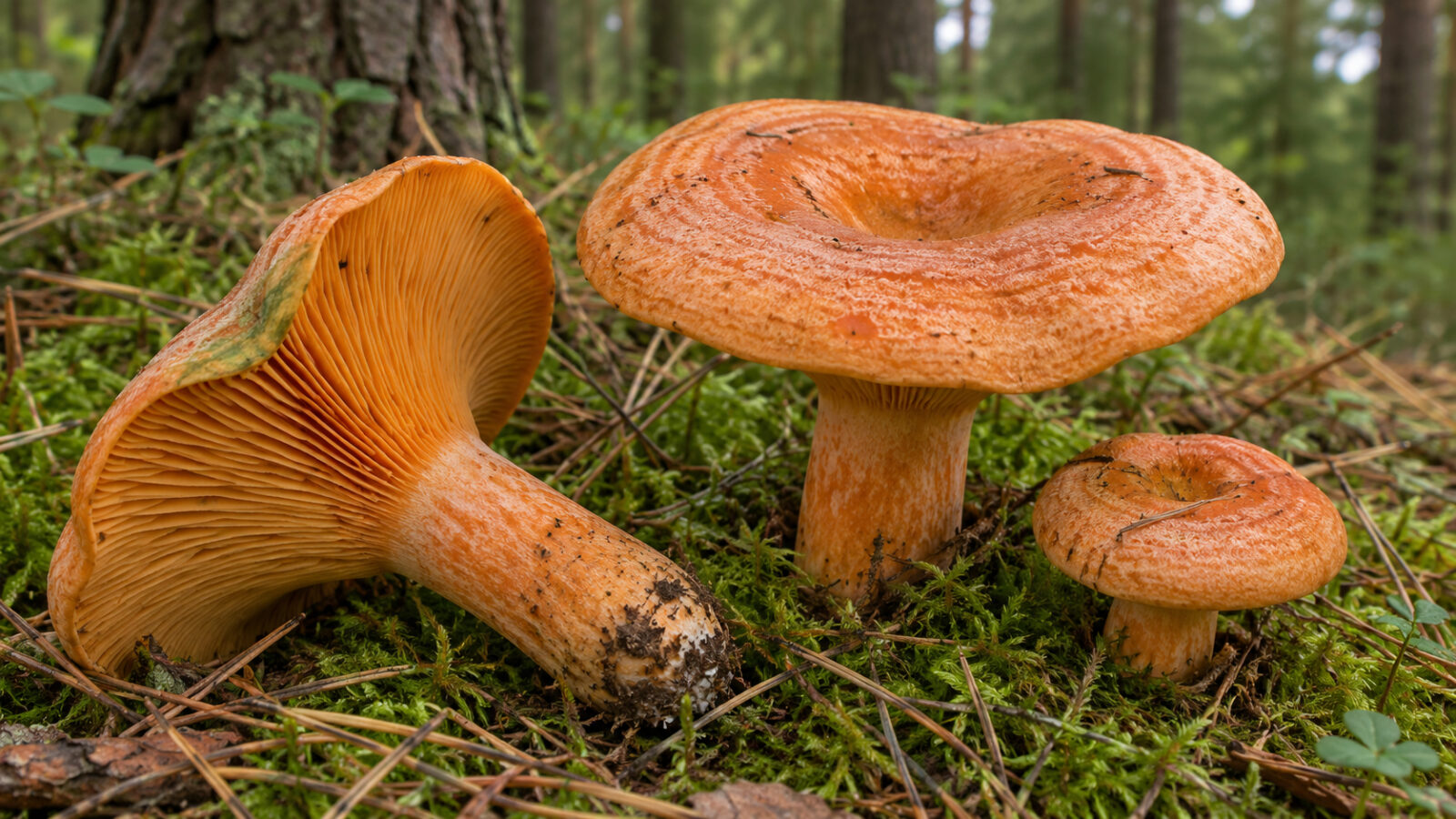
In a colder woodland you may also come across the saffron milk cap, with its orange to brick-coloured cap. Its flavour is often lightly peppery, so it pairs well with pasta, potatoes or herbs.
Alongside it you may find funnel chanterelles, which grow in smaller tufts. Their aroma is delicately fruity and the taste pleasantly subtle. They’re excellent in creamy sauces, where their character shines through without being overpowered by other ingredients.
What to be especially careful about in late autumn
Collecting mushrooms at the end of the season comes with its own risks. The biggest issue is when fruiting bodies have been hit by frost. If mushrooms freeze, their structure is damaged and, once thawed, they turn mushy, watery and bland. Specimens like that are poor quality and aren’t worth picking.
Even more important is the health aspect. Frost-damaged mushrooms spoil faster and can develop substances that cause digestive upset, or in worse cases, poisoning. They’re also more prone to moulds and bacteria. So a simple rule applies: if a mushroom looks frostbitten, feels soft, or seems suspiciously watery, it’s better left in the forest.
Autumn picking has a different kind of magic than the summer peak
Late-season mushroom hunting isn’t about baskets overflowing with boletes and big finds at every step. It’s more like a quiet search for smaller treasures that can easily be missed by an inattentive eye. That’s why every found cluster or single healthy fruiting body brings all the more joy.
So even in the cold, the autumn forest can offer wonderful foraging experiences—if you know which species to look for and don’t underestimate caution.
Source: iRozhlas, Na houby, Pestrazahrada.cz

A lover of nature, gardens, and everything that moves, blooms, or grows. He literally grows everything, from herbs to rare species, and he enjoys caring for animals just as much. In his work, he connects modern technology with tried-and-tested grandmotherly methods and is happy when both paths lead to the same goal.
Related articles
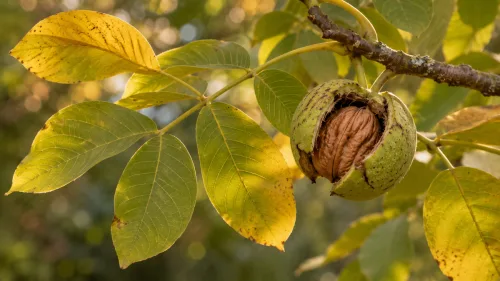
Walnut leaves contain a compound gardeners worry about but chicken keepers quietly put it to use
Walnut leaves contain juglone, a natural substance that can suppress the growth of some plants. Used sensibly, though, they can make excellent coop bedding and a practical weed-suppressing mulch in paths.
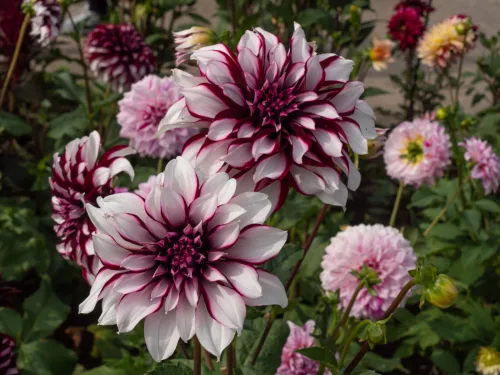
Do Not Cut Back Dahlias Before Lifting Them
Let dahlias take their first frost before you lift them, so the tubers can finish ripening. Cutting stems too early can let water into the hollow stalk and quietly damage tubers over winter.
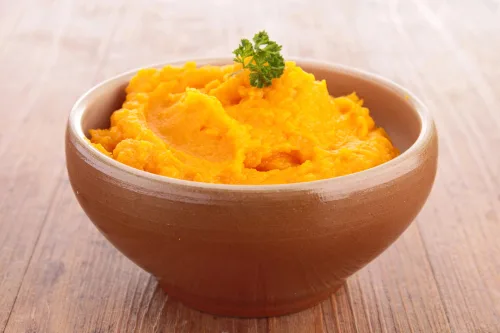
Pumpkin Purée Is an Autumn Kitchen Treasure You Can Make in an Hour and Use in Sweet and Savoury Dishes
Pumpkin purée is a simple, versatile staple that works in everything from cosy soups and sauces to cakes and seasonal coffees. Make a batch in about an hour and you’ll have an autumn shortcut ready for countless recipes.
Comments (0)
Be the first to comment.