
 English
  Polski
  Deutsch
  Nederlands
  Svenska
  Norsk
Norsk  Dansk
Dansk  Français
  Italiano
  Español
  Português
  Slovenčina
  Suomi
Suomi  Gaeilge
 Harvest Sweetcorn at the Right Time for Best Flavour

Freshly boiled sweetcorn from the garden is one of late summer’s highlights. But that aroma, juiciness and natural sweetness only last if you harvest it at exactly the moment the kernels are at the so-called milky stage. This is where many growers go wrong. Either they pick cobs too early, when the kernels haven’t developed full flavour yet, or they leave them on the stalk too long and the corn starts to dry out and turn starchy.
Once harvest is delayed, the relentless conversion of sugar to starch kicks in. You can taste the result straight after cooking. Instead of tender, sweet kernels you get a tougher skin and a floury texture. That’s why it pays to learn how to recognise the right harvest day and to know what to do with sweetcorn if you want to store it for later.
How to recognise the milky stage without guessing from the husk
Going by husk colour alone isn’t enough, because a cob can be overmature inside even when the wrapper stays green. A better clue is the silks at the tip of the cob. Once those originally pale strands turn dark brown and start to dry, harvest time is approaching fast.
The thumbnail test reveals the best day to harvest
The most reliable method is a simple check on the kernel itself. Carefully peel back a small section of husk and press your thumbnail into a kernel about halfway down the cob.
If a clear liquid runs out, the sweetcorn is still immature and usually needs a few more days. When you see a thicker, white milky juice, you’re right at the ideal point. The kernels contain the most sugar, the skin is tender, and after boiling they’ll be juicy.
If the kernel is hard, or if a very thick paste-like substance comes out, harvest is already late. By then, much of the sugar has converted to starch and the corn will taste more floury and less sweet after cooking.
Why sweetcorn loses sweetness quickly after picking
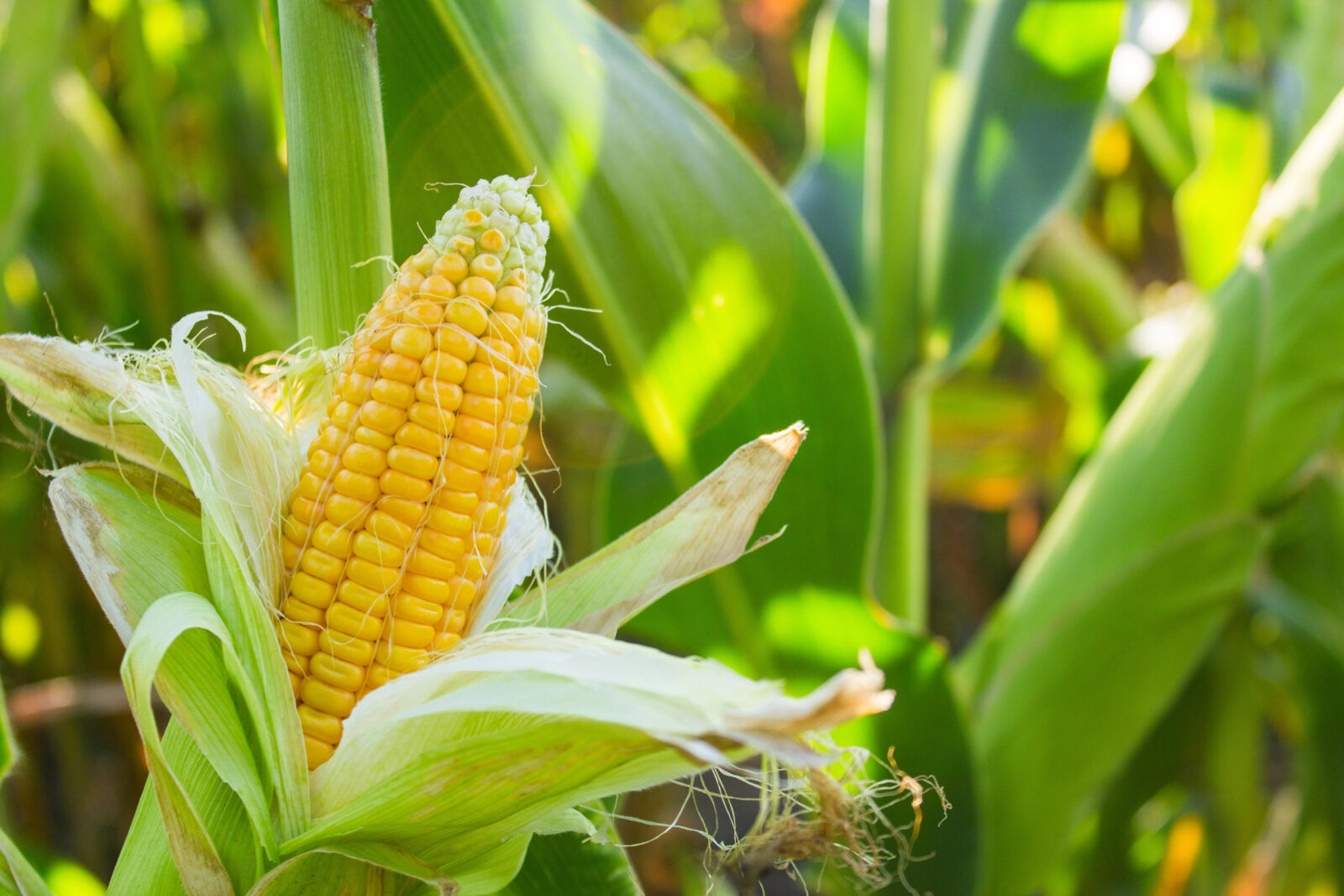
As soon as you snap the cob off the stalk, the plant stops supplying nutrients and the kernels begin using up their own sugar reserves. At normal room temperature, a noticeable portion of the natural sweetness can disappear within the first 24 hours. That’s why it makes sense to plan harvesting as close as possible to cooking or further processing.
The 24-hour rule in practice
Ideally, pick sweetcorn right before you plan to boil it. If that’s not possible, keep the cobs unshucked, preferably cool. The husks help slow moisture loss and prevent the texture from deteriorating quickly. Sweetcorn stored in the fridge will keep briefly, but even then the best flavour is always as soon after harvest as possible.
Freezing sweetcorn properly without a rubbery texture
If you want to save part of the crop for later, simply putting raw cobs or kernels into the freezer is a common mistake. Freezing slows microorganisms, but it doesn’t stop all plant enzymes. They can continue gradually breaking down sugars while also damaging kernel structure. After thawing, the sweetcorn can taste flat and unpleasantly rubbery.
Blanching is the key to flavour and colour
The right approach is a quick blanch. Drop cleaned cobs into boiling water for about 2 to 3 minutes. Then transfer them immediately into ice water so cooking stops instantly and the fresh yellow colour and pleasant texture are preserved.
After that, dry the corn thoroughly. Only then freeze it either whole, or cut the kernels off the cob with a sharp knife from top to bottom and freeze them separately. Thanks to blanching, the flavour stays brighter and the kernels won’t seem tired or turn mushy after thawing.
A cooking tip so the kernels don’t toughen
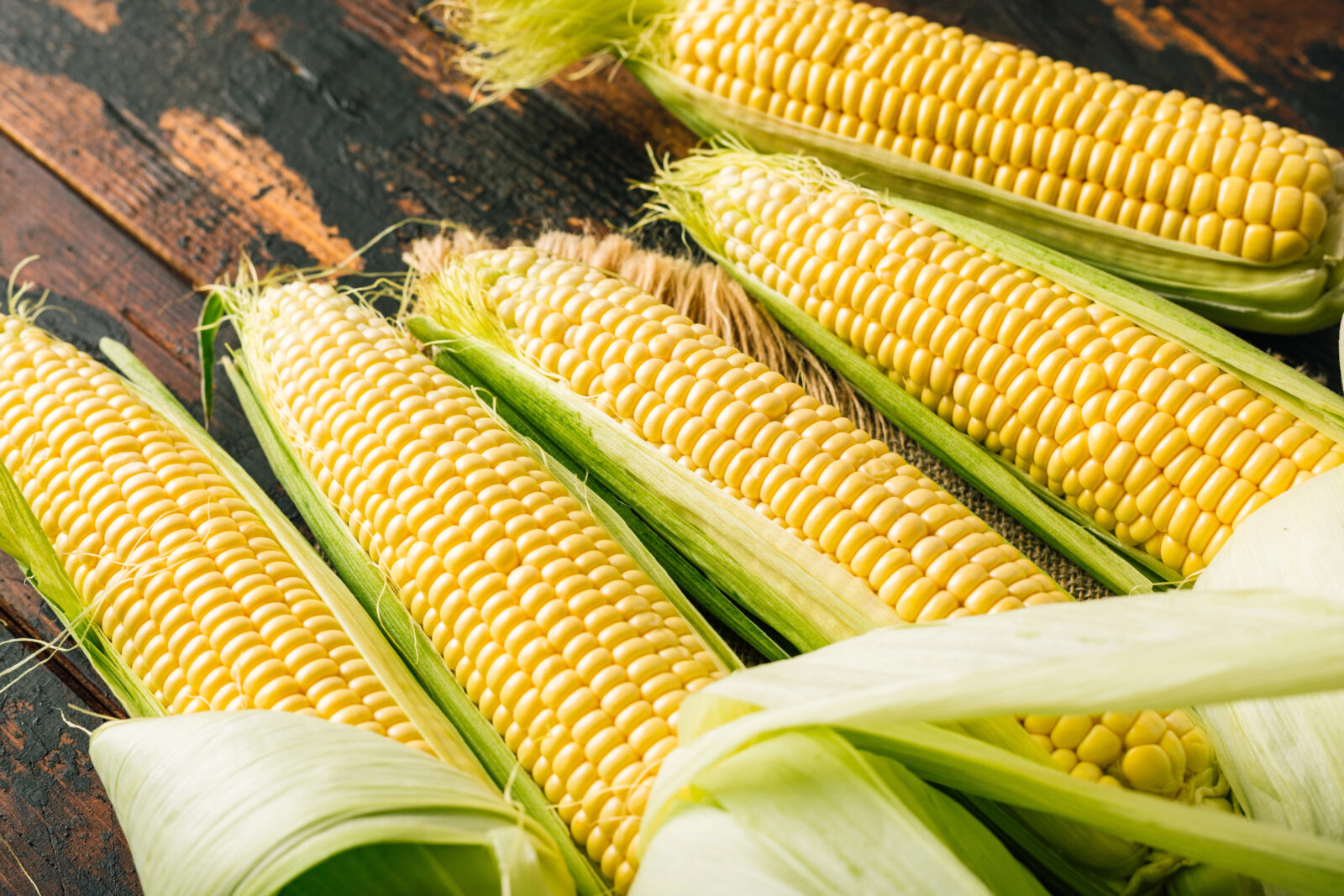
When cooking fresh sweetcorn, don’t salt the water. Salt can firm up the skin, making the kernels seem tougher. You’ll get a more tender result if you add a little sugar and a small amount of milk to the water. It’s best to salt on the plate, along with butter.
Properly timed harvesting, quick processing and a short blanch before freezing are the three steps that decide whether you’ll truly enjoy your sweetcorn. Follow them and it will stay sweet, juicy and tender even out of season.
Source: Gardening Know How, Urob si sám, Pestrazahrada.cz

A lover of nature, gardens, and everything that moves, blooms, or grows. He literally grows everything, from herbs to rare species, and he enjoys caring for animals just as much. In his work, he connects modern technology with tried-and-tested grandmotherly methods and is happy when both paths lead to the same goal.
Related articles
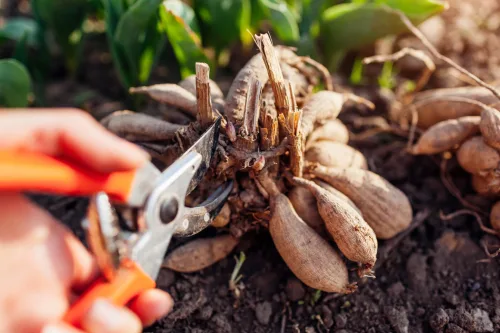
What to Do Before Frosts So Tuberous Plants and Bulbs Make It Through Winter
Tender tuberous plants and bulbous flowers often need help to survive winter. Learn when to lift and store them and when a thick mulch layer in situ is enough.
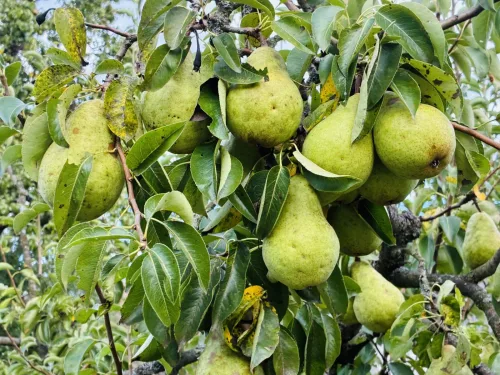
Common Mistakes When Harvesting and Storing Pears and How to Keep Them Fresh Longer
Pears need harvesting slightly under-ripe and then ripened off the tree to develop their best flavour and texture. Learn how to pick, ripen and store them correctly so they last well into winter.

How to Store Carrots for Winter and Why the First Step After Harvest Matters
Carrots can stay fresh for much of the winter, but only if you handle them properly right after harvest. Careful sorting, gentle handling and the right storage method prevent rot and keep roots crisp for longer.
Comments (0)
Be the first to comment.