
 English
  Polski
  Deutsch
  Nederlands
  Svenska
  Norsk
Norsk  Dansk
Dansk  Français
  Italiano
  Español
  Português
  Slovenčina
  Suomi
Suomi  Gaeilge
 Autumn Feeding for Strawberries Has One Rule: Break It and You Weaken Plants Before Frost
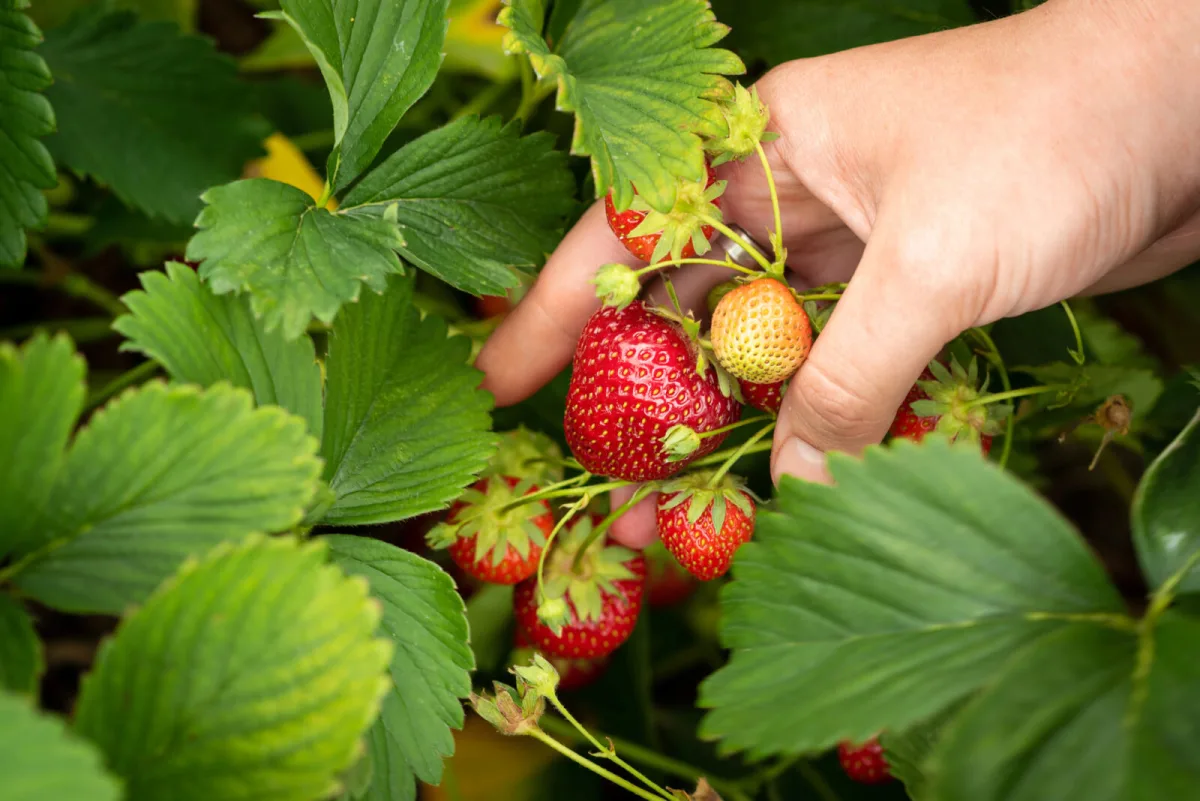
If you want your strawberries to crop really heavily next season, it pays to give them attention in autumn. Once harvest is over, the plants need to top up nutrients, strengthen their roots, and prepare for winter dormancy. This period has a major influence on how many flowers and fruits form the following year.
Well-cared-for strawberry plants cope with frost better, get going faster in spring, and reward you in summer with larger, better-tasting berries. It isn’t a complicated routine, but a few key steps that make a real difference.
The most important nutrients in autumn
As cooler days arrive, strawberries mainly need potassium and phosphorus. Potassium supports the formation of next year’s flower buds, helps develop leaves and the root system, and also increases the plant’s winter hardiness. It strengthens cell walls too, which makes plants sturdier and healthier. The result can be larger, sweeter strawberries.
Phosphorus is just as important because it promotes root growth, the formation of new rootlets, and overall plant strengthening. A strong root system is crucial going into winter, because it helps strawberries manage water and nutrients more efficiently.
Which fertiliser to choose and what to avoid
In autumn, fertilisers with a higher potassium and phosphorus content are ideal. Common choices include monopotassium phosphate at a rate of 7 g per 10 litres of water, potassium sulphate at 12 g per 10 litres of water, or a potassium-magnesium fertiliser at 10 g per 10 litres of water. This kind of feed helps plants build strength before winter arrives.
On the other hand, potassium nitrate and other nitrogen-containing fertilisers are unsuitable. Nitrogen encourages the growth of fresh green leaves, which is not what you want in autumn. The plant would produce tender new leaves and shoots that are more vulnerable to frost. That reduces hardiness and increases the risk of winter damage.
Preparing the bed for winter
Before you cover your strawberries, it’s worth getting the bed in order. Remove weeds that would steal nutrients and moisture. At the same time, pick off damaged, dry, or diseased leaves. These can harbour diseases or pests that would weaken the plants before spring.
This step is often underestimated, but a clean, tidy bed is very important for successful overwintering. The strawberry plants aren’t unnecessarily stressed and can use their energy to strengthen the roots.
Mulching as protection from frost
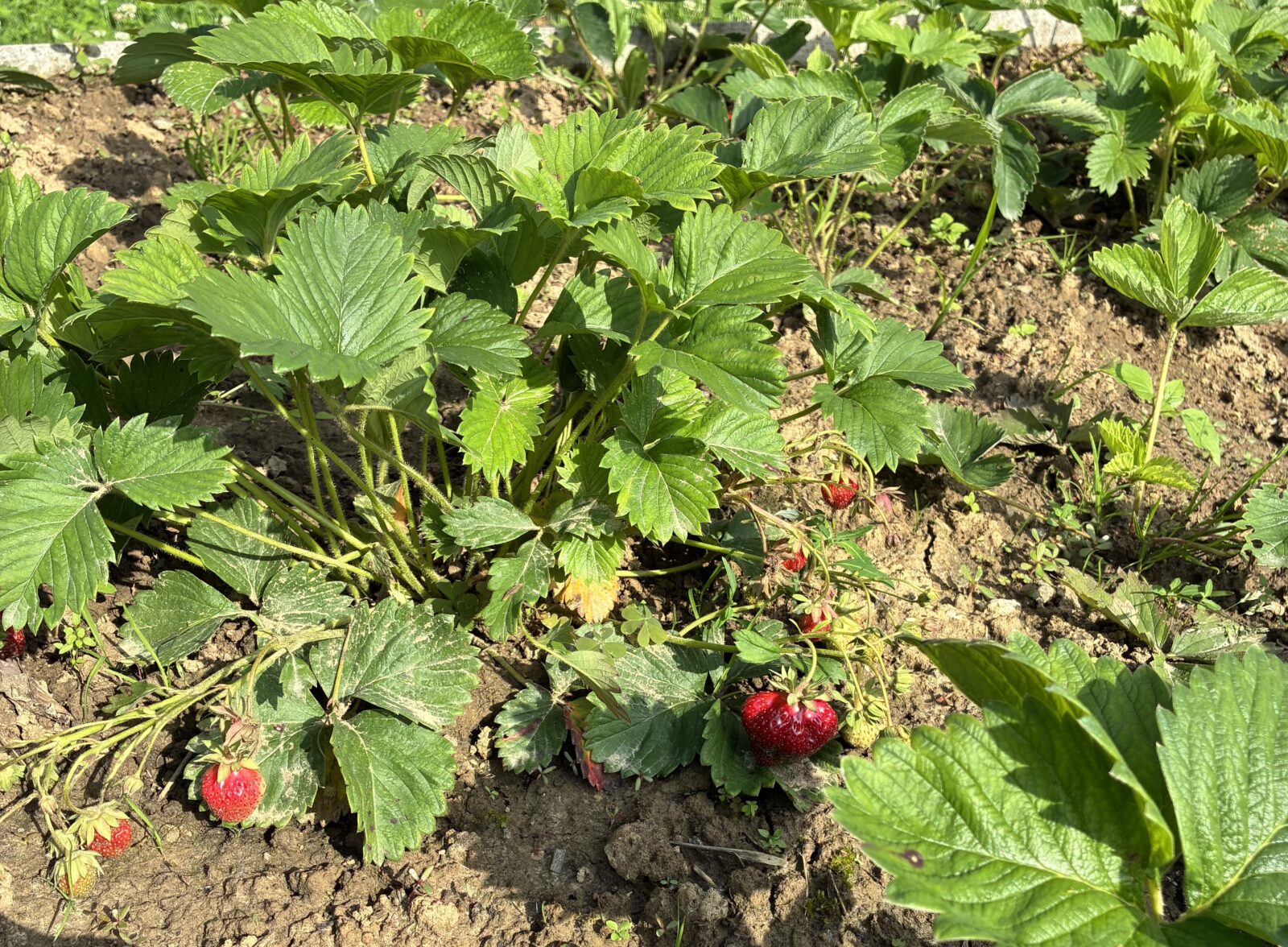
Another important measure is mulching. As soon as it turns colder, cover the soil around the crowns and roots with a layer of straw or bark. Mulch helps keep the soil temperature more stable, protects roots from sharp weather swings, and reduces deep freezing. It also helps retain moisture and keeps the bed in better condition in spring.
Autumn feeding without nitrogen, cleaning up the bed, and covering the roots with mulch are among the most important steps for healthy, strong strawberries next year.
Simple work with a big payoff
Autumn strawberry care doesn’t take much time, but the benefits are significant. When you give plants the right nutrients, remove damaged leaves, and protect them for winter, they build a better foundation for the next season. Thanks to that, they can crop more heavily next summer, produce larger berries, and offer a sweeter flavour. Just a few simple steps at the right time, and your strawberries will reliably reward you for the effort.
Source: Taste Base, Easy Dacha, Strawberry Plants, Pestrazahrada.cz

A lover of nature, gardens, and everything that moves, blooms, or grows. He literally grows everything, from herbs to rare species, and he enjoys caring for animals just as much. In his work, he connects modern technology with tried-and-tested grandmotherly methods and is happy when both paths lead to the same goal.
Related articles
What you do with your soil in autumn will decide how well your garden thrives in spring
Autumn soil care isn’t just tidy-up time: it’s your chance to improve structure, moisture balance, and soil life before spring. Add the right organic materials now, and they’ll have months to work themselves into the ground naturally.

Gardeners strengthen roses before winter with a simple kitchen mix, no chemicals needed
To help roses overwinter well and bloom more strongly next season, focus on gentle autumn feeding, moisture management and sensible protection. A simple homemade mix from everyday kitchen scraps can support root health without resorting to harsh chemicals.
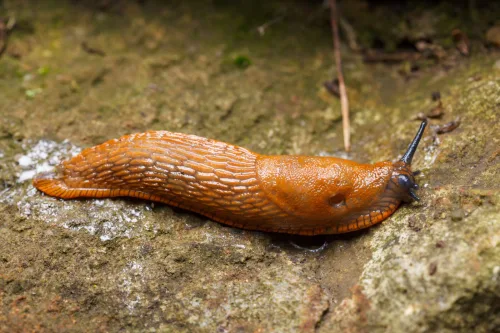
Stop the spring slug battle before it starts
Tackle slugs where it really counts: their eggs. A careful autumn check of damp hiding places can significantly reduce next spring’s damage to seedlings and ornamentals.
Comments (0)
Be the first to comment.