
 English
  Polski
  Deutsch
  Nederlands
  Svenska
  Norsk
Norsk  Dansk
Dansk  Français
  Italiano
  Español
  Português
  Slovenčina
  Suomi
Suomi  Gaeilge
 Syrup from the flowers, jam from the berries. Black elder supports you all year round
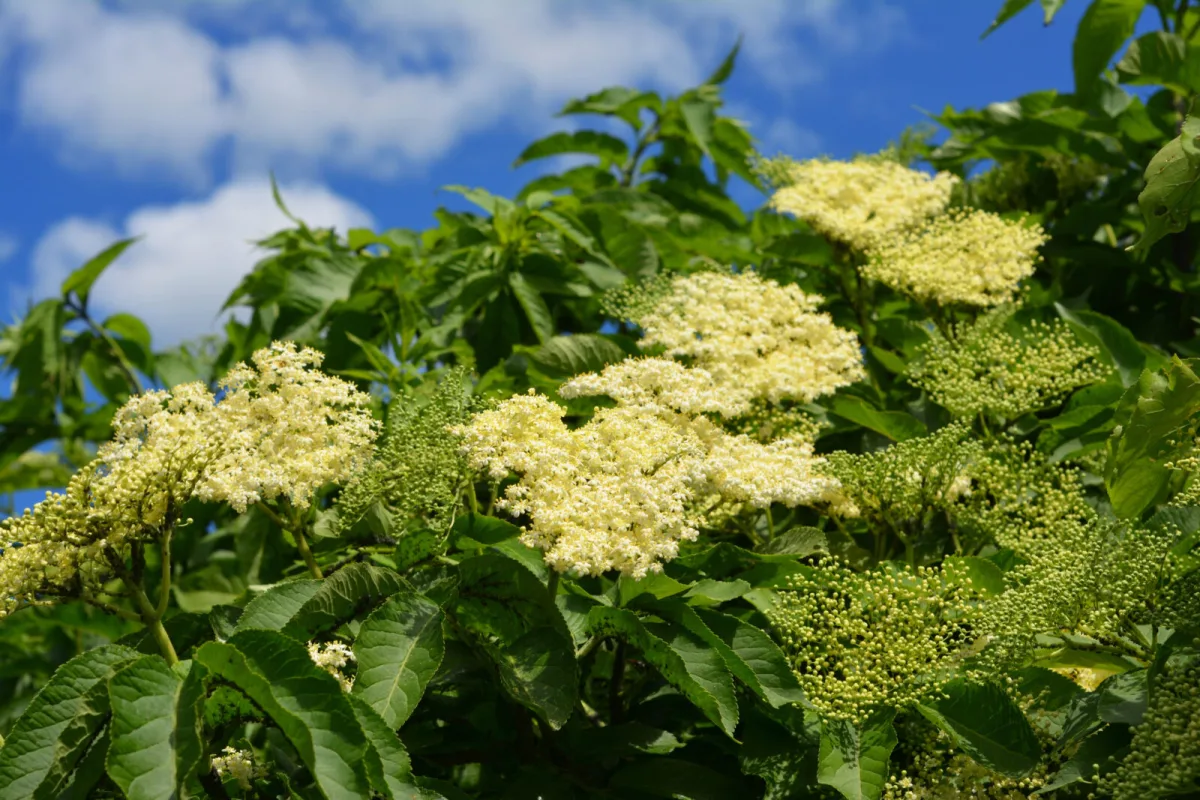
Black elder, botanically Sambucus nigra, is one of Central Europe’s best-known shrubs. You’ll find it along roadsides, by fences, on field margins and in gardens, where it keeps a low profile until spring, when it bursts into large, creamy-white flower heads. That’s when it becomes a true magnet for bees, and at the same time a harvest that smells of childhood, homemade syrups and freshly fried elderflower fritters. Elder is exceptionally rewarding: it grows quickly, shrugs off frost and drier spells, and with the right care produces a reliable crop of both flowers and fruit every year.
Origin, distribution and types of elder
Black elder is native to much of Europe and western Asia, but has long since naturalised elsewhere too. In folk culture it held a special status: it was planted by homes, in some places symbolically protecting the household, and it also served as a “garden pharmacy”. Today, there are wild populations as well as ornamental and productive cultivars. In gardens you may come across varieties with dark foliage or a more compact habit, which suits smaller spaces. When it comes to use, the rule is simple: the most valuable are healthy, fragrant flowers and fully ripe berries gathered from a clean site away from dusty, busy roads.
The site and soil elder likes best
Black elder is considered undemanding, but it performs best in a bright spot with sun or light partial shade. It likes fertile, humus-rich, evenly moist soil, yet it will tolerate less-than-ideal conditions. If you want strong shoots and plenty of bloom, give it room: an older shrub can become wide and relies on its own flexible growth in the wind. In the garden it appreciates shelter, because the flowers develop better and suffer less from spring weather swings.
Planting and care step by step
Elder is most often planted in autumn or early spring, when the ground isn’t frozen and the plant is dormant. The planting hole should be noticeably larger than the root ball so roots can quickly grow out into the surrounding soil. Mixing in well-rotted compost helps; elder responds readily to nutrients, but doesn’t need excessive feeding. After planting, watering is important, especially in the first year while the shrub is still “settling in”.
The key skill is pruning. Elder flowers and fruits mainly on younger wood, so it benefits from regular rejuvenation. On older shrubs it pays to remove some of the oldest stems at ground level once every few years to make space for new shoots. The result is usually more flowers and berries, better airflow through the crown, and a lower risk of disease.
When to harvest the flowers and when to pick the berries
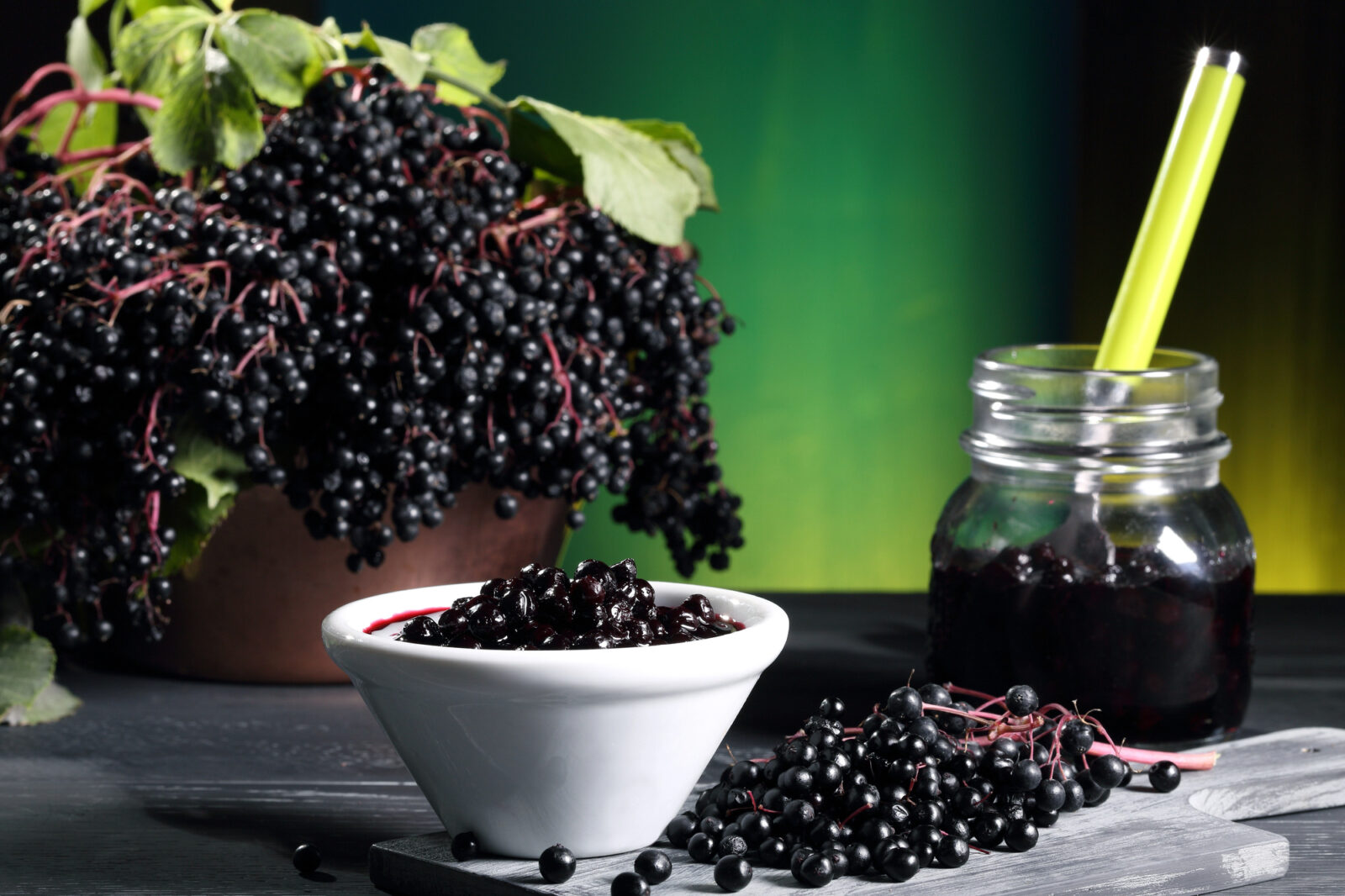
Flowers are usually harvested at full bloom, when they are fresh, dry and strongly scented. Late morning after the dew has dried, in settled weather, is best. The fruit, the dark elderberries, ripens later in summer and into early autumn. For processing, pick only when fully coloured and soft, because unripe berries can be unpleasantly astringent and aren’t ideal to use. Harvest whole clusters and strip them gently at home; it makes the job easier and reduces bruising.
What can harm elder and how to prevent it
Black elder is tough, but problems can still arise. Both flowers and berries attract birds, which can significantly thin the crop, especially in smaller gardens. It can help to position the shrub away from places where birds perch easily, or to provide reasonable protection as the fruit ripens. In a dense crown, in wetter weather, powdery mildew or leaf spots may develop; prevention lies in open, airy pruning, removing affected parts, and keeping the ground under the shrub tidy. Choosing the right site matters too: elder will grow beside a busy road, but it’s not the best place for harvesting flowers and berries.
Elder in the kitchen and the pantry
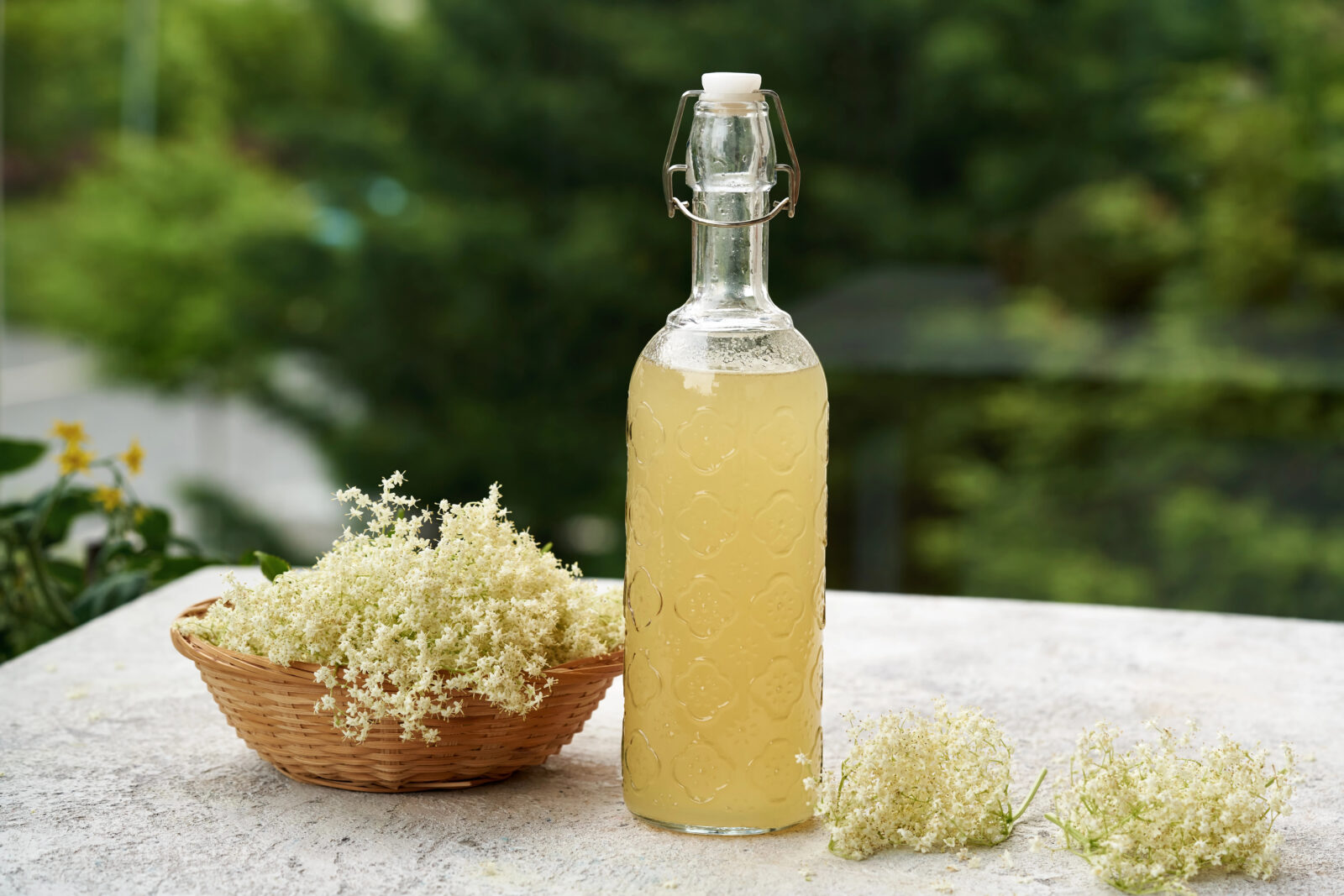
Black elder is exceptionally versatile for home preserving. The flowers are used for syrup, cordials, tea blends or dipped in batter, where their aroma really shines. The berries are made into juices, jams, jellies, sauces for meat and richer syrups traditionally associated with the colder months. From a safety standpoint, it’s important to heat-process the fruit; raw elderberries are not generally recommended in larger amounts. Elder’s fragrance also pairs beautifully with lemon, apples and spices such as cloves or cinnamon, opening up countless combinations.
Why black elder is seen as a little “powerhouse” of nature
Elderberries are valued for their natural pigments and antioxidant content, while the flowers are prized for aromatic compounds traditionally used in home infusions and teas. Folk tradition linked elder with seasonal comfort during colds, which is why syrups and juices were often made up “for winter”. A modern view is that no single food is a miracle on its own, but black elder is a great example of an ingredient that brings flavour, tradition and interesting nutritional qualities together in one shrub.
Interesting facts you may not know
Black elder is one of those plants that seems ordinary until you realise how many roles it plays in the landscape and at home: it feeds pollinators, provides a harvest and smells wonderful too.
In some regions, elderflowers were gathered so regularly that there were “tried-and-tested” shrubs people knew by heart, including when they would bloom and how strong their scent would be. Elder also reshoots well after pruning, making it an excellent candidate for rejuvenation and for more naturalistic, wildlife-friendly gardens. And if you’re tempted to grow it in a container, that’s possible mainly with more compact types; the key is a sufficiently large pot, a quality growing medium and regular watering, because the root space dries out faster.
Black elder as a safe bet for beginners
If you want a shrub that will perform reliably for many years without complicated demands, black elder is an excellent choice. Give it reasonably fertile soil, occasional pruning and a clean site for harvesting, and it will reward you with the scent of spring and a dark crop at the end of summer. At a time when interest in homemade syrups and preserves is returning, elder feels like a simple step towards self-sufficiency that also tastes great.
Source: Rhs, Black Currant Foundation , Pestrazahrada.cz
Related articles

How to Keep Your Pool Sparkling Clean Without Unnecessary Effort or Stress
Keeping pool water crystal clear doesn’t have to be hard work. With a simple daily-and-weekly routine, you’ll prevent cloudiness, algae and breakdowns before they start.
A Simple Trick for a Bigger Pepper Harvest and Faster Ripening
Regular watering and feeding aren’t always enough for a heavy pepper crop. Pinching out the growing tips redirects the plant’s energy into branching, flowering, and ripening fruit faster.
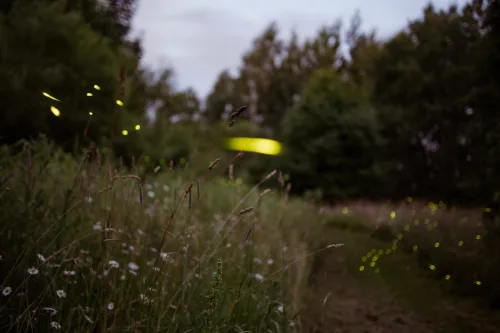
Fireflies are disappearing from the landscape, learn how to create a safe garden home
Warm summer nights are even more magical when fireflies start flashing at dusk—but their numbers are falling. With a few simple changes to mowing, planting, lighting and chemical use, your garden can become a safe refuge again.
Comments (0)
Be the first to comment.