
 English
  Polski
  Deutsch
  Nederlands
  Svenska
  Norsk
Norsk  Dansk
Dansk  Français
  Italiano
  Español
  Português
  Slovenčina
  Suomi
Suomi  Gaeilge
 How to Care for a Cherry Tree After Harvest for a Consistently Heavy Crop
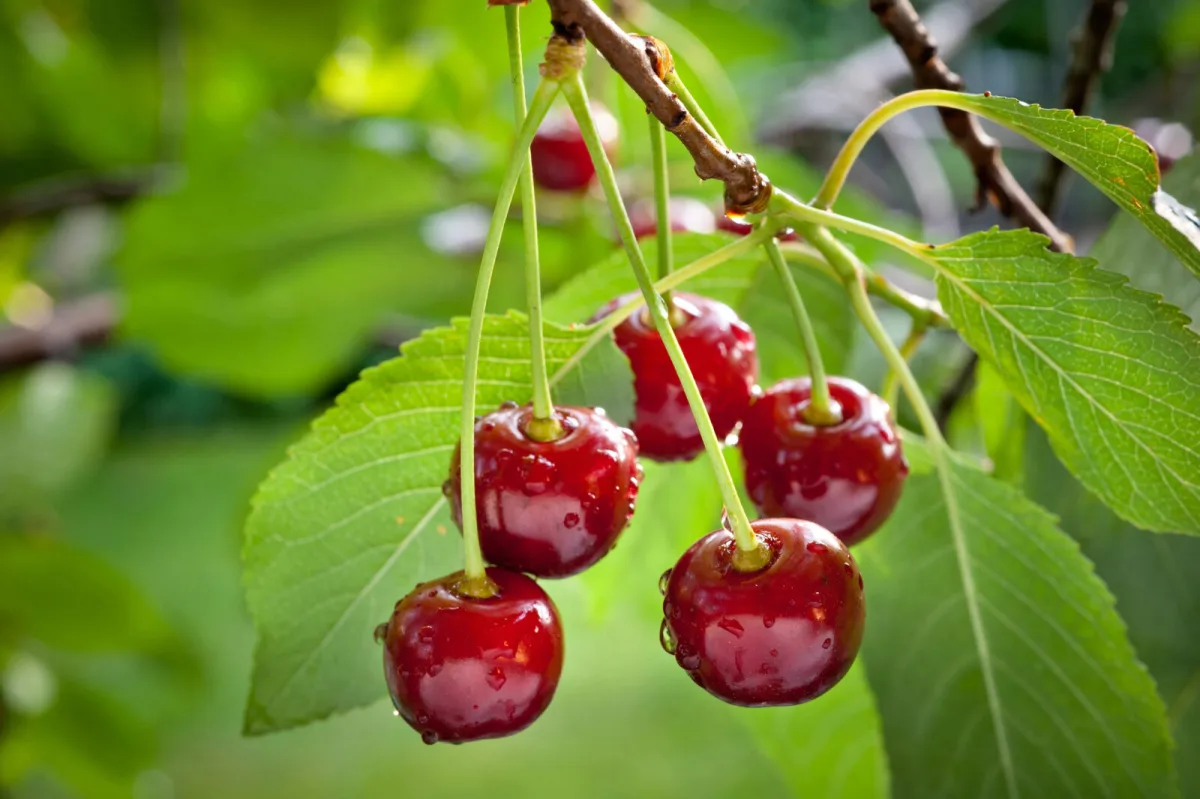
Cherries are a firm favourite in Czech gardens because they can offer sweet fruit right at the start of summer. If you want the tree to crop not just occasionally, but to return with a generous harvest every year, it pays to keep a few basic rules in mind. The essentials are the right position, sensible watering, well-timed pruning, balanced nutrition, disease prevention and, crucially, ensuring good pollination. When you put these steps together, your cherry tree will reward you with healthy growth and quality fruit.
Position and soil matter from the moment you plant
A cherry tree gets the best start when it’s given a sunny yet sheltered spot. Ideally, choose a position where cold air doesn’t pool and where water doesn’t sit after rain. A gentle slope or any place with natural drainage is an advantage, because the roots won’t suffer from waterlogging.
As for soil, cherries generally do best in free-draining, medium-textured soil with a slightly alkaline reaction. If the ground is too heavy, clayey and compacted, the tree roots poorly and can languish. Waterlogged sites are just as problematic: the roots lack oxygen and the plant becomes more prone to disease.
Water thoughtfully, especially at key times
A mature tree copes with short dry spells better than many other fruit trees, but there are times when water is crucial. The most sensitive period is usually flowering and the early stages of fruit formation. If spring is dry, or if the fruit is swelling quickly, a thorough deep watering helps so moisture reaches the root zone.
At the same time, less can be more. Overly wet soil encourages cherry splitting and unnecessarily increases the risk of root problems. It’s better to water less often but properly than to sprinkle the surface every day.
Prune after harvest and let light into the tree
With cherries, pruning timing is critical. While some fruit trees are mainly pruned in winter, cherry trees are typically trained and thinned in summer after harvest. July or August are most often chosen, when cuts dry more readily and the tree is less inclined to make overly vigorous growth.
The aim of pruning is to bring more light and air into the canopy. Remove dead wood, damaged parts, and shoots that cross or grow awkwardly into the centre of the crown. A well-lit tree ripens wood better, stays healthier, and more readily sets flower buds for the following season.
Summer pruning after harvest is one of the most reliable ways to keep a cherry tree’s canopy healthy and productive over the long term.
Feed for fruit, not for excessive growth
For a steady crop, a cherry tree needs a regular supply of nutrients, but in the right balance. A good option is compost or well-rotted manure, ideally worked into the soil in early spring. Organic matter improves soil structure and supports soil life, which helps the tree over the long term, not just as a one-off boost.
If you want to focus directly on flowering and fruiting, a feed with a higher proportion of potassium and phosphorus is useful. Nitrogen, on the other hand, should be used with restraint. Too much nitrogen will push long shoots and big leaves, but it often reduces flower set and the subsequent harvest.
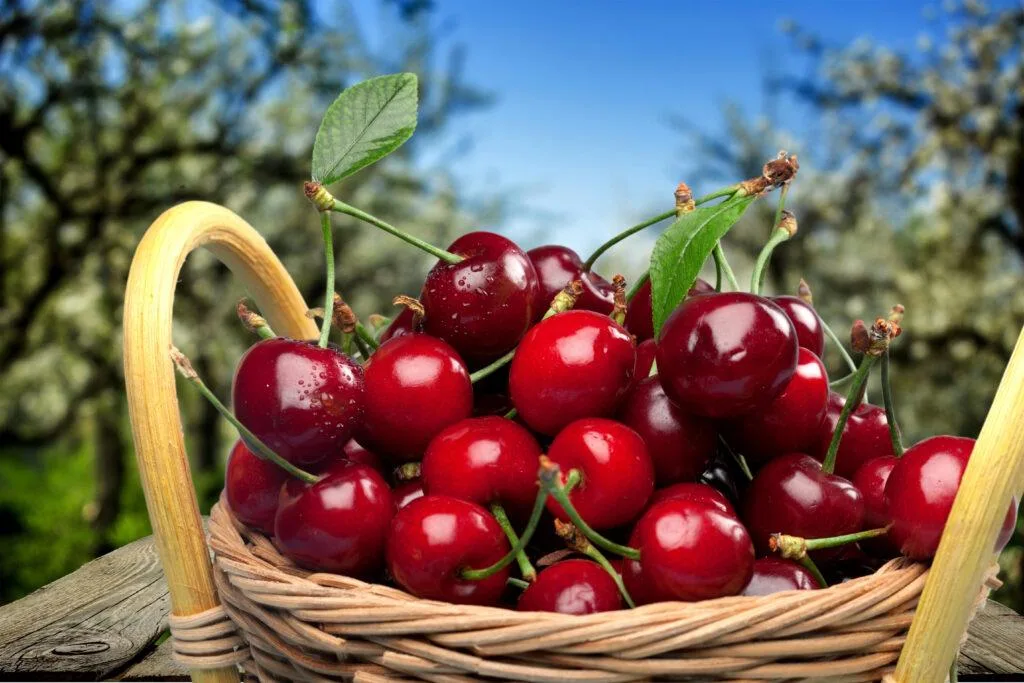
Protecting against diseases and pests without unnecessary panic
Cherries can be troubled by diseases and insects, but with most issues, prevention and timely action make the biggest difference. Among the most common threats is blossom wilt (monilia), which attacks flowers and young shoots. Typical symptoms are withered blossom clusters and twig dieback that can look scorched. It helps to remove affected parts, keep the canopy airy through pruning, and in higher-risk periods consider treatment during flowering, for example with copper-based products.
Another well-known problem is cherry fruit fly, whose larvae cause maggots in the fruit. Mechanical protection can help, such as netting the canopy, along with sticky traps that reduce pest numbers. The earlier you catch the pest, the better your chance of protecting the crop without repeated interventions.
Pollination is often why a tree flowers but doesn’t fruit
Many cherry varieties are not self-fertile, meaning they need pollen from a different compatible variety. In practice, a lone tree may flower beautifully yet produce few fruit, or none at all. If you have only one cherry tree, check whether another suitable variety is growing nearby, ideally within about 100 metres, so pollinators can transfer pollen without difficulty.
If there isn’t a second cherry tree in the area, the surest solution is to plant another tree or choose a variety with better self-fertility. Either way, it’s worth sorting out pollination before you spend years waiting for a crop that never arrives.
Patience and a consistent care routine pay off
A cherry tree usually doesn’t start fruiting immediately. It often needs three to five years after planting before it really gets going. The first harvests may be more symbolic, which is normal and not a sign you’ve failed. What matters is not to let up on the basics and to give the tree what it needs each year.
Once the canopy settles, pollination improves and the tree adapts to its site, cropping tends to become more reliable. Then comes the enjoyable part: harvesting, preserving, and taking pleasure in home-grown cherries, which taste best straight from the garden.
Final summary
Caring for a cherry tree isn’t complicated if you stick to a few clear principles. The foundation is a sunny, well-drained site, watering mainly during flowering and fruit growth, summer pruning after harvest, sensible feeding with an emphasis on potassium and phosphorus, ongoing disease prevention and pest monitoring. Don’t forget pollinators either, because they often decide whether the tree will only bloom or will actually bear fruit. With consistent care, you can harvest healthy, delicious cherries every year.
Source: Rhs, The Old Farmers Almanac, Pestrazahrada.cz
Related articles

How to Keep Your Pool Sparkling Clean Without Unnecessary Effort or Stress
Keeping pool water crystal clear doesn’t have to be hard work. With a simple daily-and-weekly routine, you’ll prevent cloudiness, algae and breakdowns before they start.
A Simple Trick for a Bigger Pepper Harvest and Faster Ripening
Regular watering and feeding aren’t always enough for a heavy pepper crop. Pinching out the growing tips redirects the plant’s energy into branching, flowering, and ripening fruit faster.
Fireflies are disappearing from the landscape, learn how to create a safe garden home
Warm summer nights are even more magical when fireflies start flashing at dusk—but their numbers are falling. With a few simple changes to mowing, planting, lighting and chemical use, your garden can become a safe refuge again.
Comments (0)
Be the first to comment.