
 English
  Polski
  Deutsch
  Nederlands
  Svenska
  Norsk
Norsk  Dansk
Dansk  Français
  Italiano
  Español
  Português
  Slovenčina
  Suomi
Suomi  Gaeilge
 June Pruning in the Garden When to Cut Back Shrubs and Perennials and When to Leave the Shears Alone
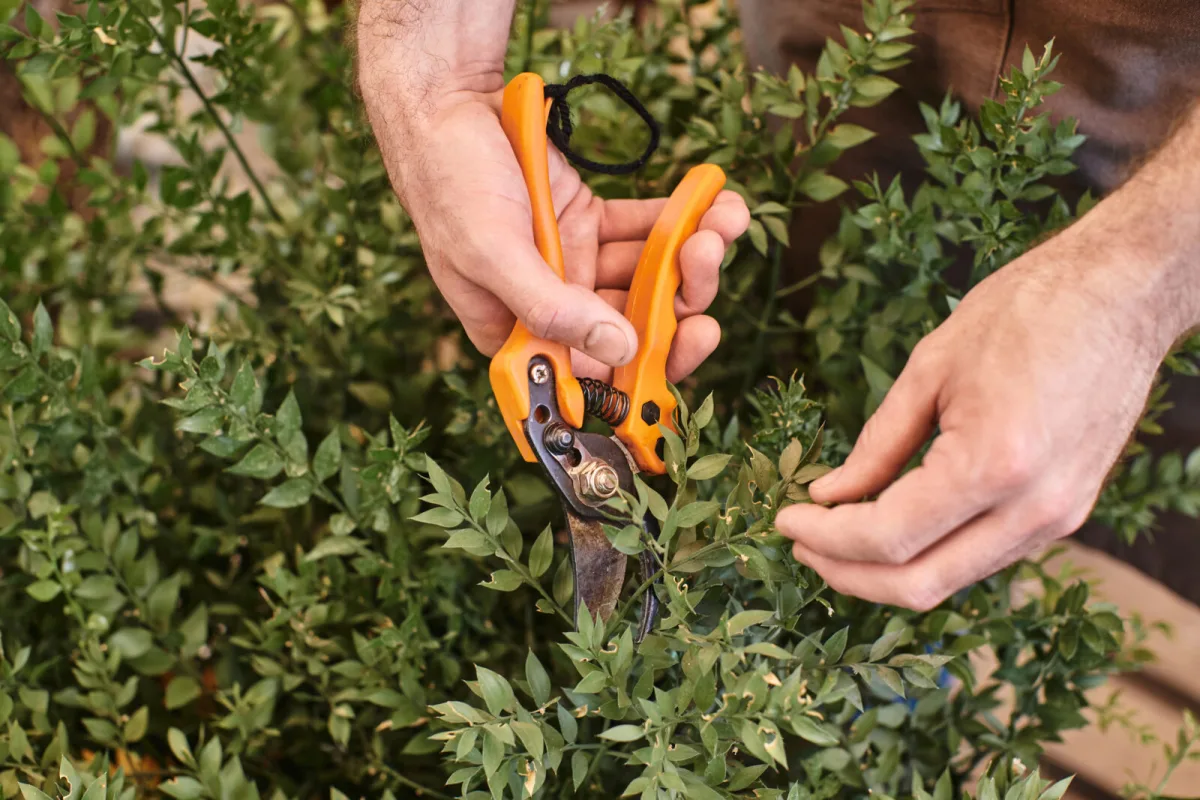
The start of summer brings long days and fast growth. Around June, plants often set flowering buds for later in the season, and some are already laying the foundations for next year’s bloom. That’s why pruning at this time can make a real difference. Done well, it encourages a compact shape, healthy new shoots and abundant flowering. Done at the wrong moment, it can cost you flowers, weaken a tree, or disturb nesting birds.
Before you pick up the shears, check perennials and their supports
In June it’s worth finishing the tying-in of taller perennials. This is especially important for plants that are already starting to flop, as well as those that will soon carry large, heavy blooms. Putting supports in place early prevents plants from collapsing, stems from snapping, and that untidy splayed-out look after the first summer downpour.
Deadhead regularly and you’ll save yourself work later
With perennials that flower in early summer, it usually pays to snip off spent flowerheads as you go. The plant won’t waste energy on seed production and is more likely to produce another flush of blooms. It also helps keep in check plants that self-seed aggressively. A typical example is large-flowered miterwort, where timely removal of the flowers greatly reduces uncontrolled spreading and the weeding that follows.
The best approach is to remove spent flowering stems as low down at the base as possible, so the clump is cleaned up and doesn’t look scruffy. With some later-flowering perennials, however, you can leave a portion of the flowerheads if you want decorative seedheads, which can look good through winter and often right into spring.
Prune spring-flowering shrubs now, once they’ve finished blooming
Shrubs that flowered in spring and are already past their main display handle June pruning best. These include flowering currant, deutzia and forsythia. Cutting them back after flowering is ideal because they have the whole summer to recover, and they still have time to form the buds that will bloom next season. If you prune later, it’s easy to reduce next year’s flowering.
Hedges and birds’ nests: this is the line you must not cross
Before you start shaping a hedge, inspect the shrubs carefully from all sides. June is peak nesting season and birds may have nests tucked deep inside the growth. Leave any nesting area with a generous buffer, and finish trimming only once the chicks have fledged.
The June rule: check the hedge first, trim second. Nests come before neatness.
What you can prune in June and why it helps
Sea buckthorn
With sea buckthorn, focus on removing dead shoots as well as root suckers that unnecessarily thicken the plant. Thin with care so you don’t remove too much flowering wood and end up with a poor crop.
Thunberg spirea
After flowering, spirea is usually only lightly shortened to keep its shape. Around mid-summer you can also thin it by removing roughly a third of the older shoots, which encourages fresh, young growth.
Cherry laurel and other evergreen shrubs
Evergreen shrubs are often pruned in June mainly to keep them tidy. With variegated cultivars, it’s important to cut out any plain green shoots, as they tend to be more vigorous and can gradually overwhelm the variegation.
Clematis montana
Clematis montana grows vigorously and tolerates shortening well after it has finished flowering. Pruning keeps it to a sensible size, stops it smothering windows, gutters or nearby trees, and encourages a neater, more manageable habit.
What you should avoid pruning in June and why
Evergreen magnolias and summer-flowering magnolias
Magnolias call for caution. Some deciduous types can be tidied only rarely and very gently, but with magnolias that flower in summer, pruning at this time can easily remove the flower buds. The result would be weak flowering, or none at all.
Hedges with nesting birds
If you find a nest in the hedge, put the shears away. Cutting branches nearby can damage the nest or expose it to predators, and it also goes against the basic principle of protecting nesting birds.
Hebe
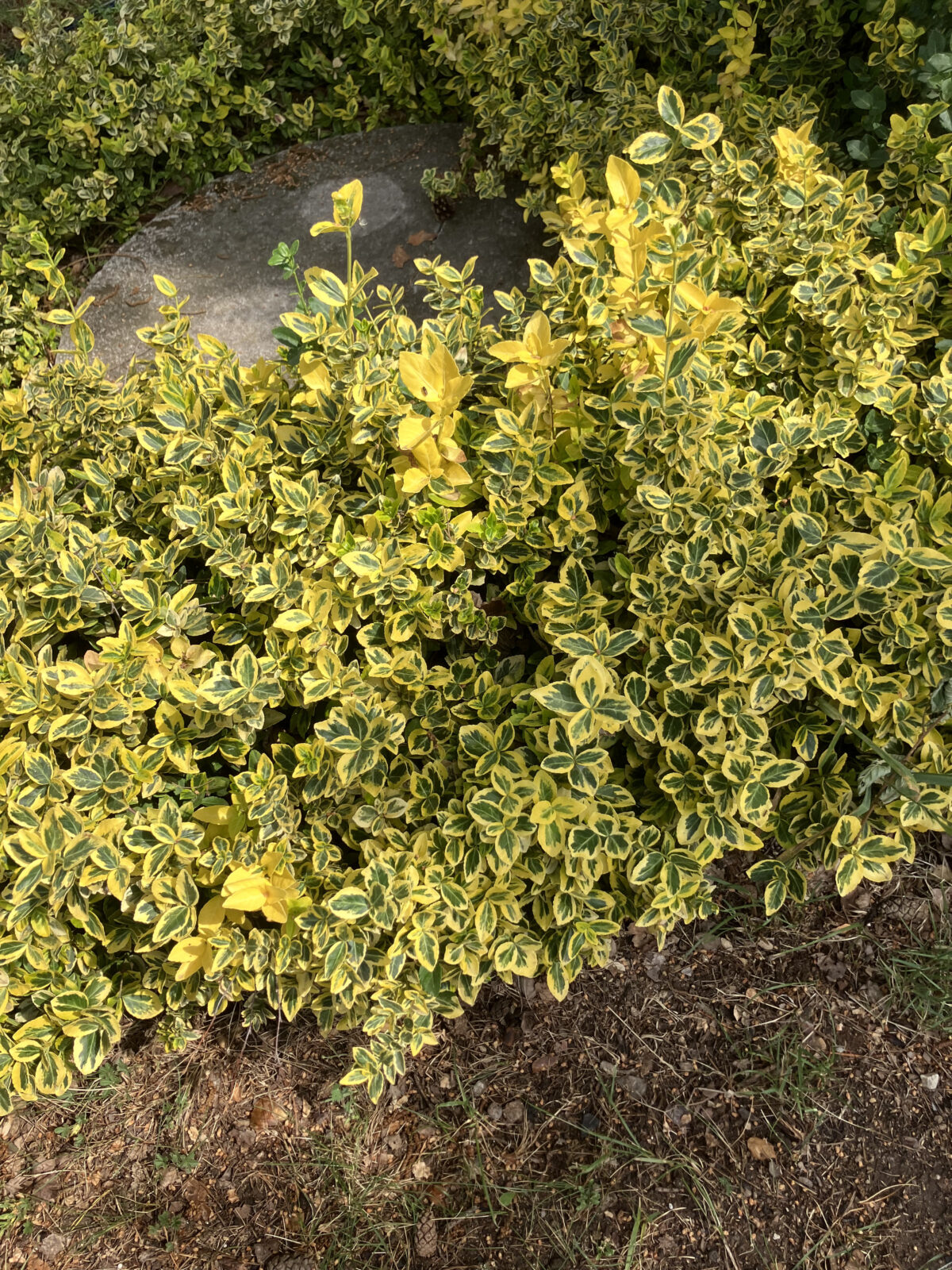
Hebe is often only just setting buds for flowering. Any pruning in June can mean you won’t see any flowers at all. Wait to shape it until after flowering, when the plant will regrow better and you won’t be sacrificing blooms.
Heavy branches on apple trees
Hard pruning of apples in June can unnecessarily weaken the tree at a time when it needs energy to develop the crop. If you must intervene, keep it light and targeted, and avoid drastic removal of major framework branches.
June recap: when in doubt, less is often more
In June, finish any tasks you didn’t manage at the end of spring, deadhead spent flowers, tie in perennials and focus pruning mainly on spring-flowering shrubs once they’ve finished blooming. At the same time, watch for nests in hedges and avoid pruning plants that are still to flower, or trees that are under pressure from fruit development. Well-timed, moderate pruning is the surest route to a better-looking garden and improved flowering next season.
Source: Záhrada, The Spruce, BBC Gardening, Pestrazahrada.cz

A lover of nature, gardens, and everything that moves, blooms, or grows. He literally grows everything, from herbs to rare species, and he enjoys caring for animals just as much. In his work, he connects modern technology with tried-and-tested grandmotherly methods and is happy when both paths lead to the same goal.
Related articles
How to Keep Your Pool Sparkling Clean Without Unnecessary Effort or Stress
Keeping pool water crystal clear doesn’t have to be hard work. With a simple daily-and-weekly routine, you’ll prevent cloudiness, algae and breakdowns before they start.
A Simple Trick for a Bigger Pepper Harvest and Faster Ripening
Regular watering and feeding aren’t always enough for a heavy pepper crop. Pinching out the growing tips redirects the plant’s energy into branching, flowering, and ripening fruit faster.
Fireflies are disappearing from the landscape, learn how to create a safe garden home
Warm summer nights are even more magical when fireflies start flashing at dusk—but their numbers are falling. With a few simple changes to mowing, planting, lighting and chemical use, your garden can become a safe refuge again.
Comments (0)
Be the first to comment.