
 English
  Polski
  Deutsch
  Nederlands
  Svenska
  Norsk
Norsk  Dansk
Dansk  Français
  Italiano
  Español
  Português
  Slovenčina
  Suomi
Suomi  Gaeilge
 What winter garlic really needs in June for a big, healthy crop
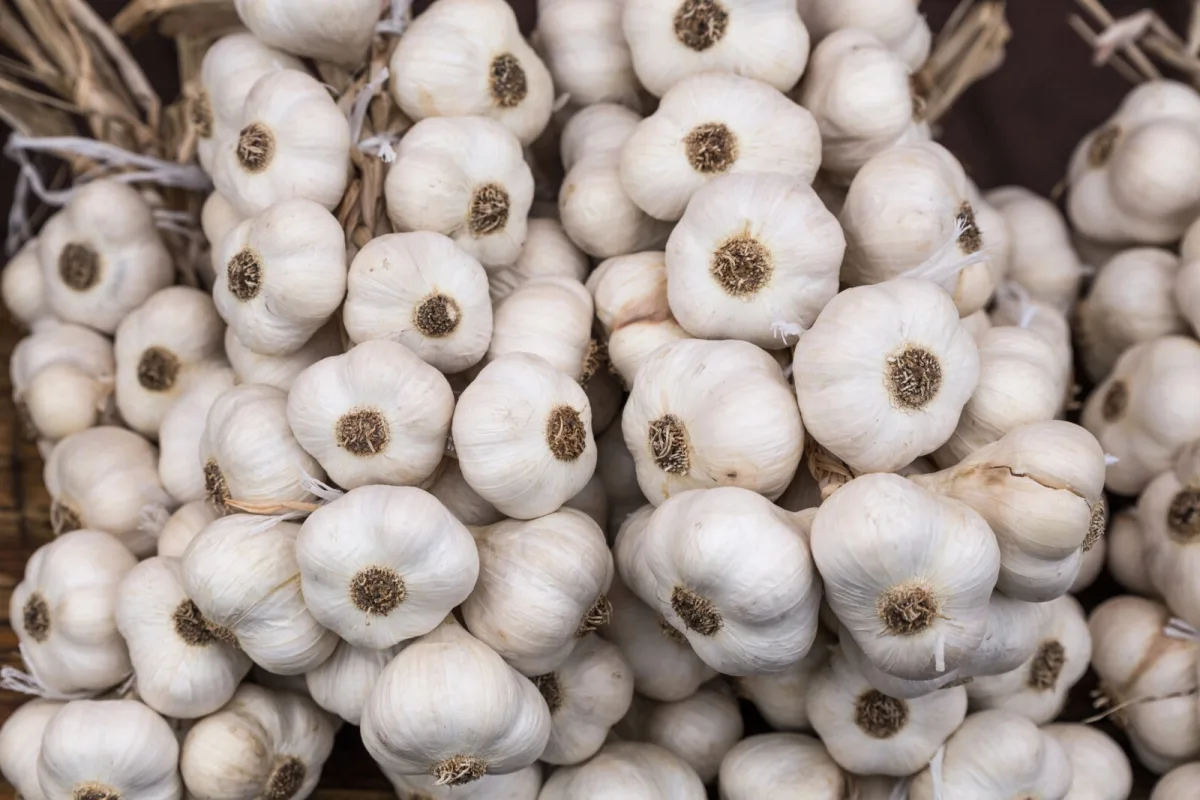
Growers of winter garlic reach a turning point at the end of May and into June that largely determines how big the finished bulbs will be. That’s when some varieties produce the distinctive green, wavy, curled scape with a developing flower head. For gardeners, it’s a reliable sign that the bulb is starting to form below the soil surface. But if you leave the plant untouched, you’ll sacrifice part of the harvest for no good reason.
Garlic can divert a significant amount of energy into producing flowers and seed. Nutrients, sugars and vigor that would otherwise go into the cloves underground are used up pushing the scape and then flowering. The result is obvious at harvest: bulbs stay smaller, cloves are less robust, and the overall yield can drop noticeably. The fix takes no more than a few minutes in the bed.
Scape removal helps hardneck garlic most
Removing flower scapes is commonly referred to as “de-scaping”. The key point is that it mainly applies to so-called hardneck garlic, the types that produce a firm central stem with a flower head. With these, the intervention makes the biggest difference because the scape is a major drain on nutrients.
Growers’ experience shows that snapping off the scape in good time can increase the final bulb size by roughly 30 to 40 percent. There’s no complicated technique here; the goal is simply to stop the plant investing in flowers and shift its focus back to the bulb in the ground.
When to do it and why not to use scissors
The best window is usually the first week of June. Scapes are still young, soft and easy to break then. You’ll recognise them because they’re gently curled, flexible, and not yet standing straight up. At this stage the job is most gentle, and the plant recovers quickly.
Metal tools such as scissors or a knife aren’t ideal. They can unnecessarily enlarge the wound and also increase the risk of introducing infection or fungal diseases. It’s much better to snap the scape off by hand. Grip it between your thumb and forefinger just above the top leaf and bend it gently to the side. It will usually break cleanly and come off where it puts the least strain on the plant.
A sunny morning is the safest
It’s worth doing scape removal on a dry, sunny day, ideally in the morning. Warmth and airflow help the wound dry naturally within a few hours, reducing disease risk. In rain or prolonged damp weather, it’s better to wait so the fresh break doesn’t stay wet unnecessarily.
Leave a few plants as a maturity indicator
It’s practical to leave two or three plants in the bed with their scapes intact. They’ll work as a natural indicator of when harvest is approaching. As soon as the previously curled scape starts to straighten and point vertically upwards, it’s often a sign that the garlic has matured in the ground and it’s time to get ready to lift the bulbs.
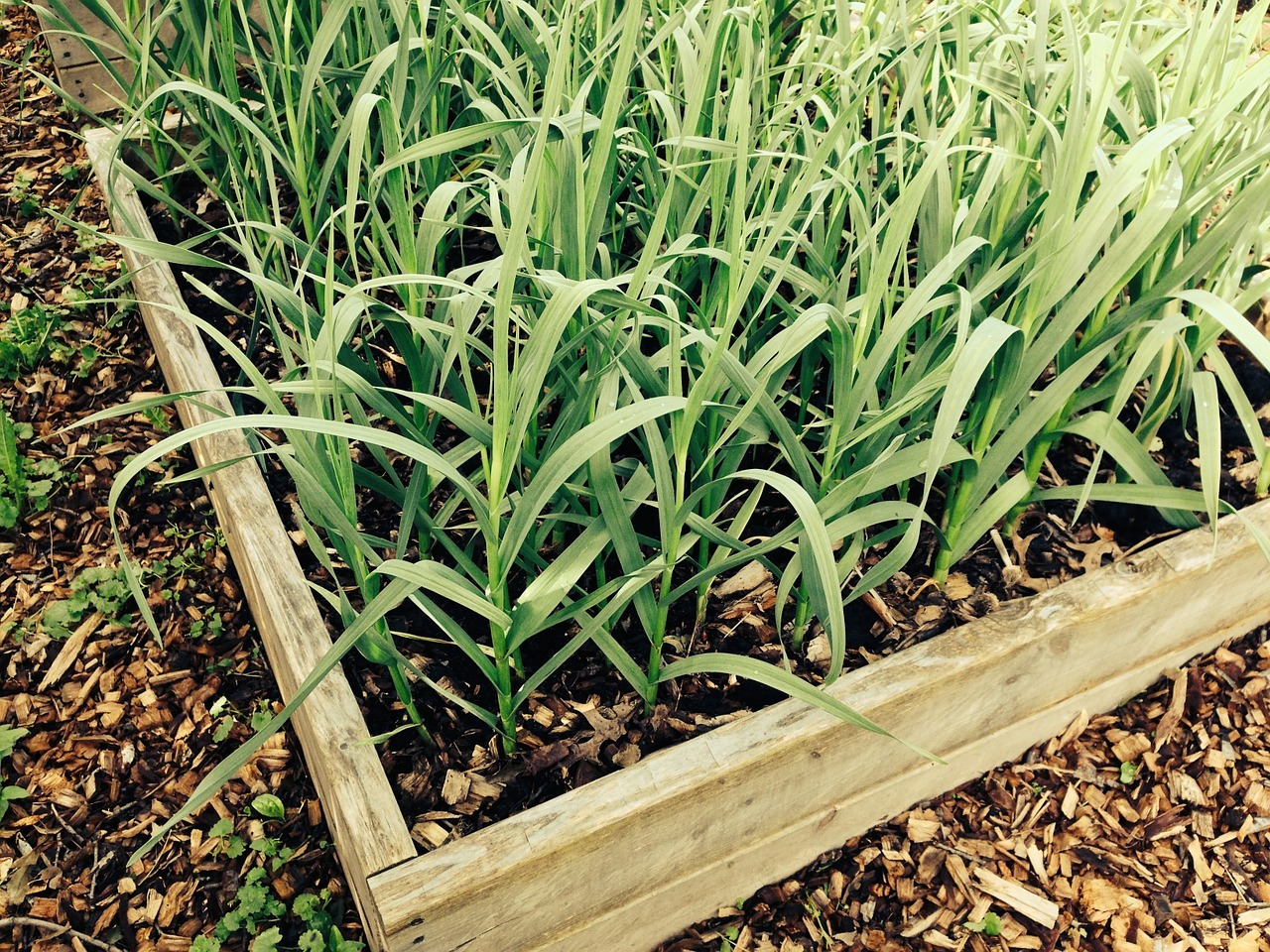
This simple trick helps you time harvest without complicated guesswork. Maturity will also show on the foliage, which gradually loses its fresh look and begins to dry down, but the scape on the plants you’ve left will give a very clear warning.
Don’t throw the snapped-off scapes away—they’re edible
Young garlic scapes are juicy and have a milder, slightly sweet garlic flavour without the harsh bite. In the kitchen they can be used much like spring onions or green tops. If you cook them soon after snapping them off, you’ll be rewarded with tenderness and a lovely aroma.
Simple ways to use them in the kitchen
Garlic butter is made by finely chopping the scapes, mixing them into softened butter and seasoning with salt. It’s great on bread and as a finish for grilled meat and vegetables.
Scape pesto is made by blending scapes with olive oil, seeds and a little hard cheese. The result is a punchy sauce for pasta, potatoes or sandwiches.
A quick fry-up is the easiest option: cut the scapes into smaller pieces and briefly sauté with meat or vegetables. They can stand in for spring onions and add a pleasant garlicky note.
A small job, a big difference at harvest
If you grow hardneck garlic, de-scaping is one of the most important June tasks. By snapping off scapes at the right time, you give the plant a clear cue to invest in the bulb, not the flower. The reward is bigger bulbs, stronger cloves and a more reliable crop overall—and you can do the whole job during a quick check of the bed.
Source: Urob si sám, Gardening Know How, GrowVeg, Pestrazahrada.cz

A lover of nature, gardens, and everything that moves, blooms, or grows. He literally grows everything, from herbs to rare species, and he enjoys caring for animals just as much. In his work, he connects modern technology with tried-and-tested grandmotherly methods and is happy when both paths lead to the same goal.
Related articles
How to Keep Your Pool Sparkling Clean Without Unnecessary Effort or Stress
Keeping pool water crystal clear doesn’t have to be hard work. With a simple daily-and-weekly routine, you’ll prevent cloudiness, algae and breakdowns before they start.
A Simple Trick for a Bigger Pepper Harvest and Faster Ripening
Regular watering and feeding aren’t always enough for a heavy pepper crop. Pinching out the growing tips redirects the plant’s energy into branching, flowering, and ripening fruit faster.
Fireflies are disappearing from the landscape, learn how to create a safe garden home
Warm summer nights are even more magical when fireflies start flashing at dusk—but their numbers are falling. With a few simple changes to mowing, planting, lighting and chemical use, your garden can become a safe refuge again.
Comments (0)
Be the first to comment.