
 English
  Polski
  Deutsch
  Nederlands
  Svenska
  Norsk
Norsk  Dansk
Dansk  Français
  Italiano
  Español
  Português
  Slovenčina
  Suomi
Suomi  Gaeilge
 How to Handle June in the Garden
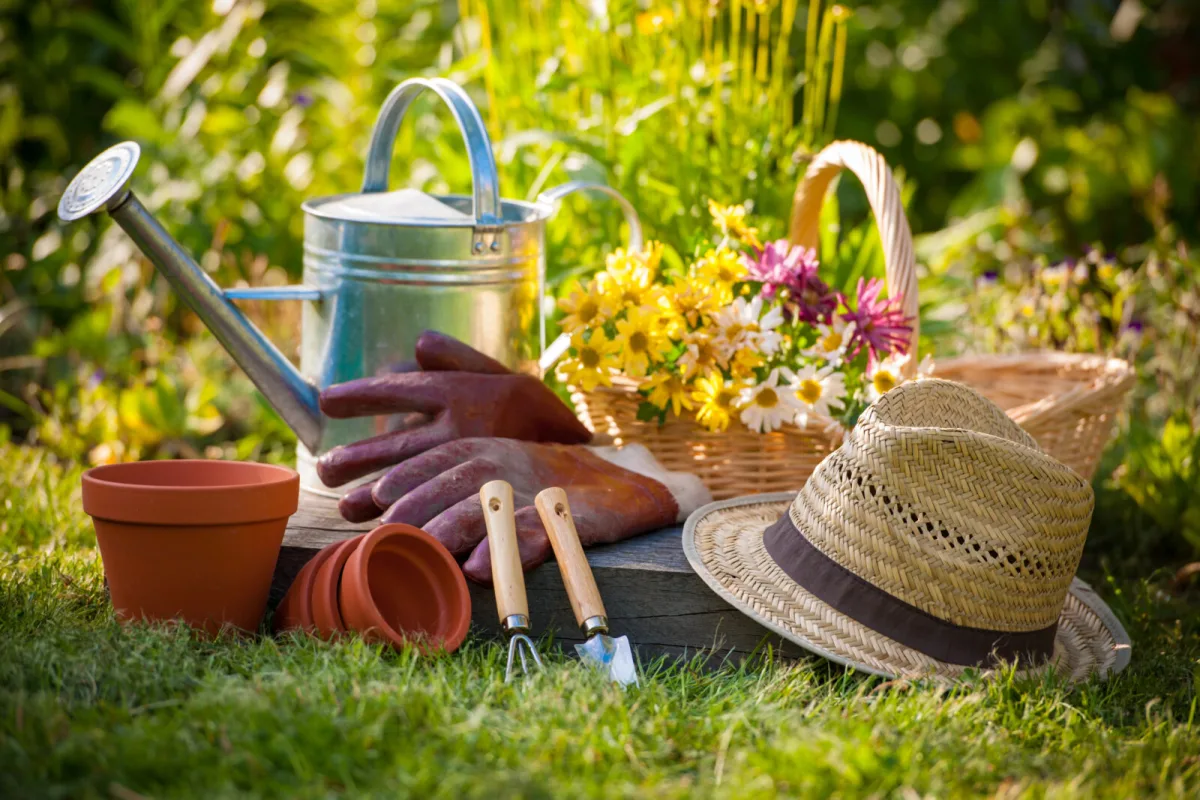
June is often the liveliest time of year in the garden. After the spring surge comes the period when plants really put on growth, start flowering in earnest, and at the same time need regular attention. The days are long, the soil warms up and moisture disappears quickly, so even well-established beds can begin to struggle noticeably within a few days. June is therefore the month when it pays to get into the garden often, look closely, and make small interventions in good time. Added up, they save hours of work later and bring richer flowers and a better harvest.
Flowers and ornamental beds at peak season
In the ornamental part of the garden, June bridges the spring wave into summer. Let faded bulbs die back naturally so they can draw nutrients back into the bulb, and only then lift and store them somewhere dry and airy. With perennials, it’s worth cutting back certain types after flowering; this encourages fresh leaf growth and sometimes a second flush. June is also the time for shaping and summer pruning of selected woody plants, such as wisteria, where shortening long side shoots helps set flower buds for next year.
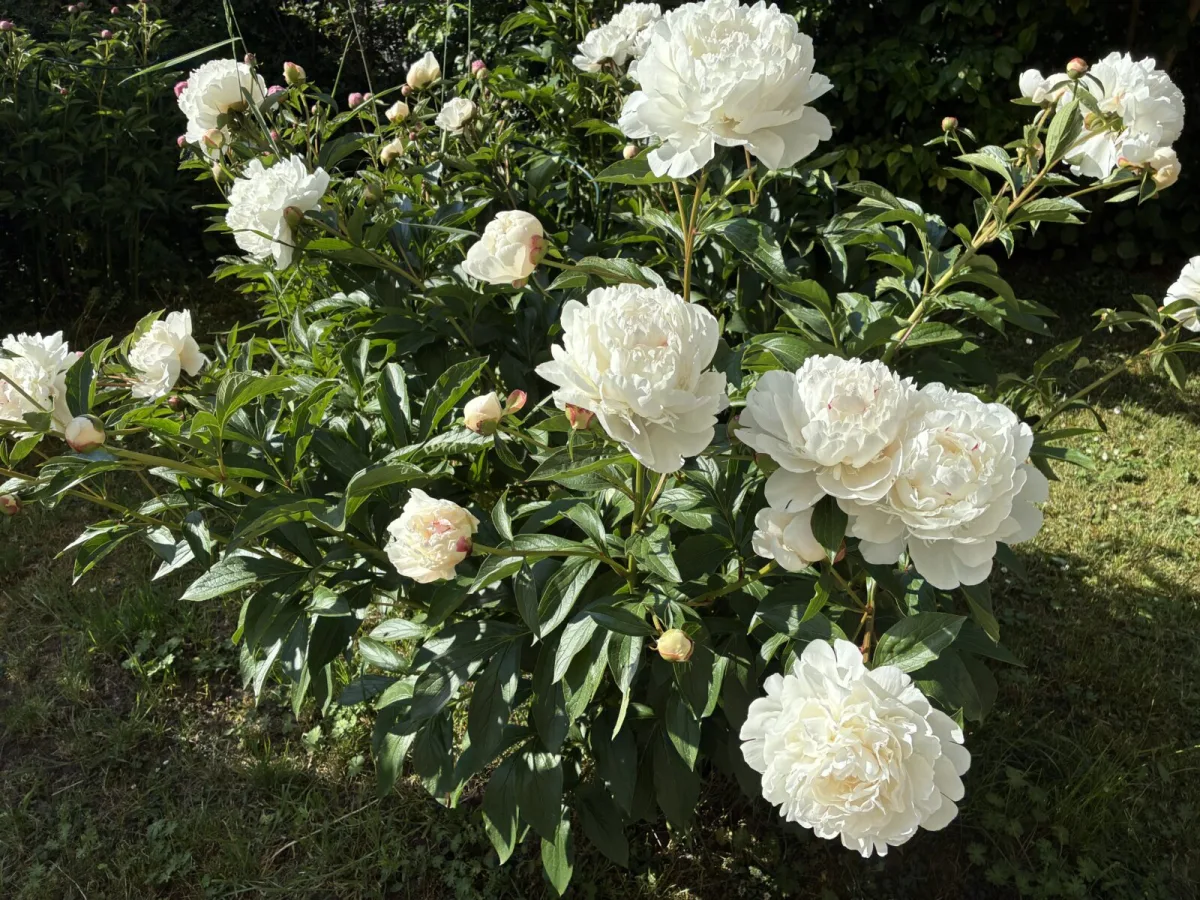
Fast-growing perennials and tall cultivars need support before wind or heavy rain flattens them. Delphiniums, hollyhocks and peonies are easier to tie in early, while the stems are still flexible. With roses, especially climbers and ramblers, training young canes more horizontally gives excellent results because it encourages flowering along their full length. Annuals in pots and hanging baskets appreciate consistent watering and feeding, ideally with a liquid feed on a fortnightly-to-monthly rhythm so they flower without gaps. Pinching out the tips of fuchsias and some bedding annuals also promotes a more compact, well-branched shape.
Instant colour and a smart way to fill gaps
June often reveals empty patches in beds where bulbs have died back, or where plants were winter-damaged. Instead of hastily moving perennials around, you can temporarily fill gaps with pots of lilies or other taller bulbs, bringing colour without the risk of disturbing neighbouring roots. Along ponds and in damp corners, this is a good time to add bog and marginal plants, which root faster in warmth and help stabilise the edges.
Fruit and veg in June need pace and consistency
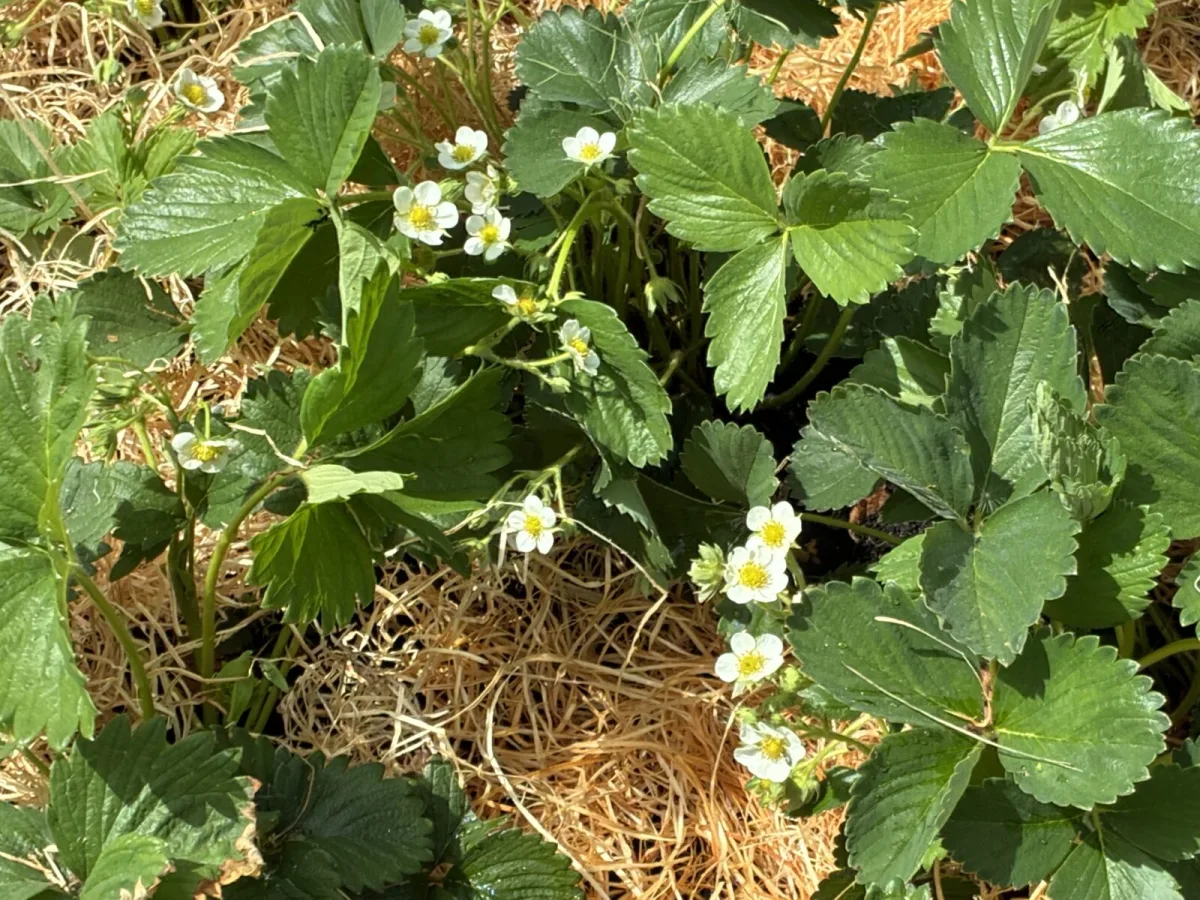
In the productive garden, June is the month for planting the last of the warm-season crops and the start of intensive care. Sweetcorn is best planted in blocks rather than a single row, as it pollinates far better that way. Beans, squashes, courgettes, pumpkins and cucumbers need plenty of moisture around the roots, so it makes sense to mulch with straw, grass clippings that have been left to wilt on the surface, or compost. Mulch reduces watering, suppresses weeds and evens out swings in soil temperature.
Once peas, beans and other fruiting vegetables begin to flower, it pays to keep watering even. Irregular watering for tomatoes and peppers increases the risk of fruit splitting and also physiological issues linked to fluctuations in calcium uptake. With squashes and tomatoes, regular feeding with a higher-potash fertiliser supports fruit set and ripening. Chives bounce back quickly after being cut hard, producing fresh leaves within a few weeks—an easy trick for a steady summer supply.
Protecting crops from pests and birds without unnecessary chemicals
June can be heavy with aphids, caterpillars and slugs. Regular checks help, especially in the evening after rain, when slugs are most active. On fruit trees, woolly aphid may appear; it can be reduced with a soap spray and by wiping colonies off affected areas. Ripening fruit and soft berries are best protected with netting, as birds can strip a crop in a short time. With raspberries and blackberries, it’s important to tie in new canes in good time and keep the patch within its allotted space, so it doesn’t encroach onto paths and restrict airflow.
Greenhouse and polytunnel as the June challenge
In the greenhouse, June largely decides what your summer harvest will look like. Tomatoes need regular removal of side shoots on cordon varieties and steady watering at the roots. Ventilation and shading on hot days are important too, because overheating reduces pollination and increases pest pressure. It’s better to water the soil rather than the leaves to limit fungal diseases. If whitefly or spider mites appear, it’s often more effective to introduce biological controls and adjust the microclimate than to rely on repeated sprays.
Garden maintenance that saves you work in summer
June encourages rapid growth not only in plants, but in weeds as well. The best strategy is ongoing: hoeing on a dry, hot day makes pulled weeds wilt quickly and prevents them from re-rooting. Hedges grow fast, and with vigorous species a light trim at regular intervals is worthwhile—always with consideration for nesting birds. The lawn benefits from feeding in June, and newly laid turf in particular needs a few weeks of consistent watering so it can root in properly.
With roses and more susceptible ornamentals, watch for early signs of black spot, powdery mildew or rust and act promptly. Prevention often also means better airflow through the plant, removing infected leaves, and watering at the base. If you compost, June is a good time to turn and aerate the heap, speeding decomposition and producing valuable material for mulching and feeding.
June’s rhythm: observe, water, tie in
In June, small jobs done regularly make the difference: support for tall stems, even watering, timely pinching out, and ongoing pest checks.
June in the garden isn’t about one big task, but about rhythm. If you create a short June inspection round, your beds will reward you. Simply walk the plants after rain and in heat, check soil moisture, tie in anything that’s growing faster than you expected, and remove the first signs of trouble. The result will be a garden that goes into summer strong, healthy, and ready to flower and crop to its full potential.
Source: Gardeners World, Rhs , Pestrazahrada.cz
Related articles
How to Keep Your Pool Sparkling Clean Without Unnecessary Effort or Stress
Keeping pool water crystal clear doesn’t have to be hard work. With a simple daily-and-weekly routine, you’ll prevent cloudiness, algae and breakdowns before they start.
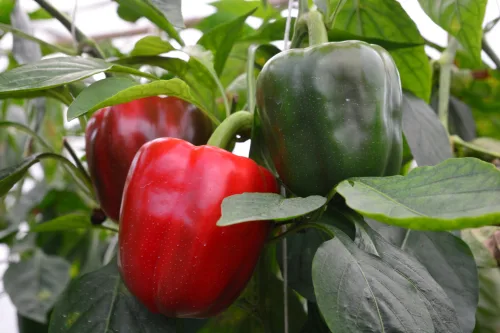
A Simple Trick for a Bigger Pepper Harvest and Faster Ripening
Regular watering and feeding aren’t always enough for a heavy pepper crop. Pinching out the growing tips redirects the plant’s energy into branching, flowering, and ripening fruit faster.
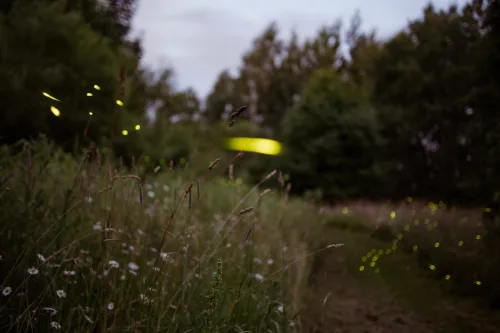
Fireflies are disappearing from the landscape, learn how to create a safe garden home
Warm summer nights are even more magical when fireflies start flashing at dusk—but their numbers are falling. With a few simple changes to mowing, planting, lighting and chemical use, your garden can become a safe refuge again.
Comments (0)
Be the first to comment.