
 English
  Polski
  Deutsch
  Nederlands
  Svenska
  Norsk
Norsk  Dansk
Dansk  Français
  Italiano
  Español
  Português
  Slovenčina
  Suomi
Suomi  Gaeilge
 Fireflies are disappearing from the landscape, learn how to create a safe garden home
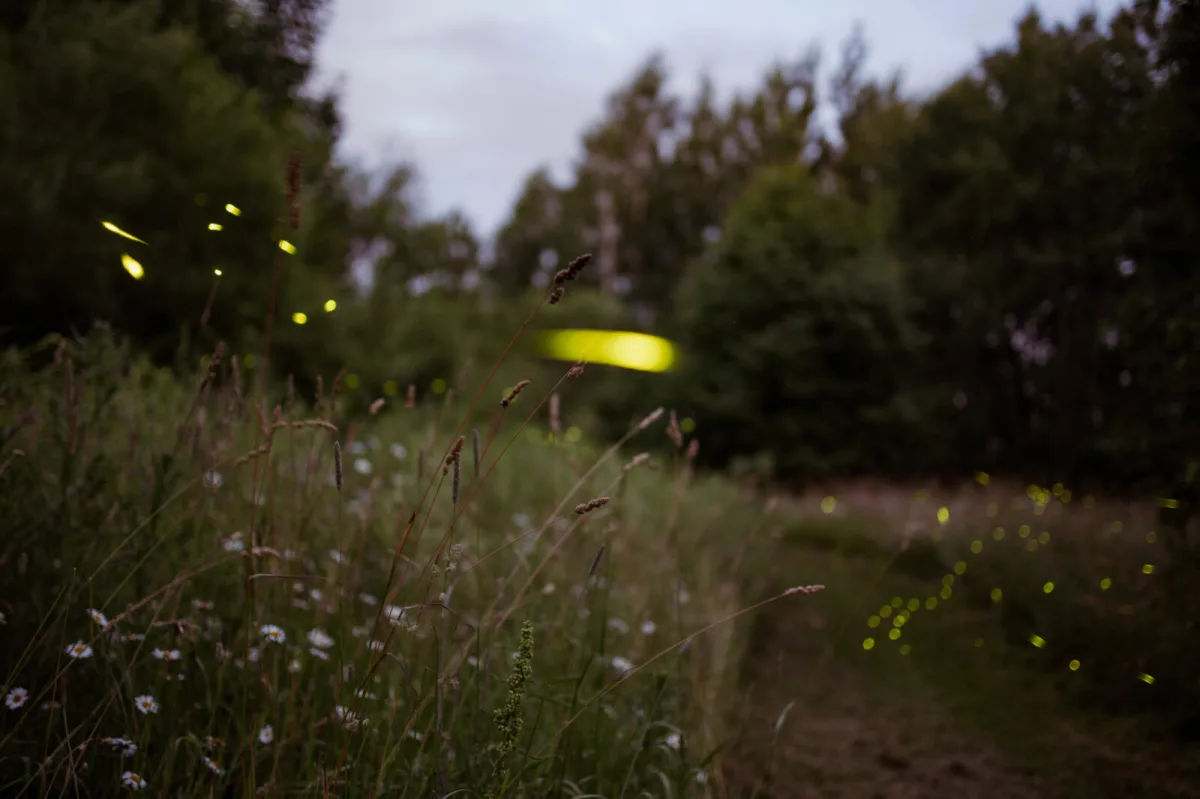
Warm nights in the garden can be unforgettable the moment a soft flicker of fireflies appears at dusk. But this natural spectacle isn’t guaranteed. In recent years, fireflies have been declining—most often due to the loss of suitable habitat, excessive night lighting, and frequent pesticide use. The good news is that a garden can become a safe haven without major investment. All it takes is adjusting a few habits in lawn care, planting, and the way you use light and water. The changes may not show up immediately, but if you give nature time, it can reward you with the return of these little dancers of light.
Why fireflies glow and what they need to live
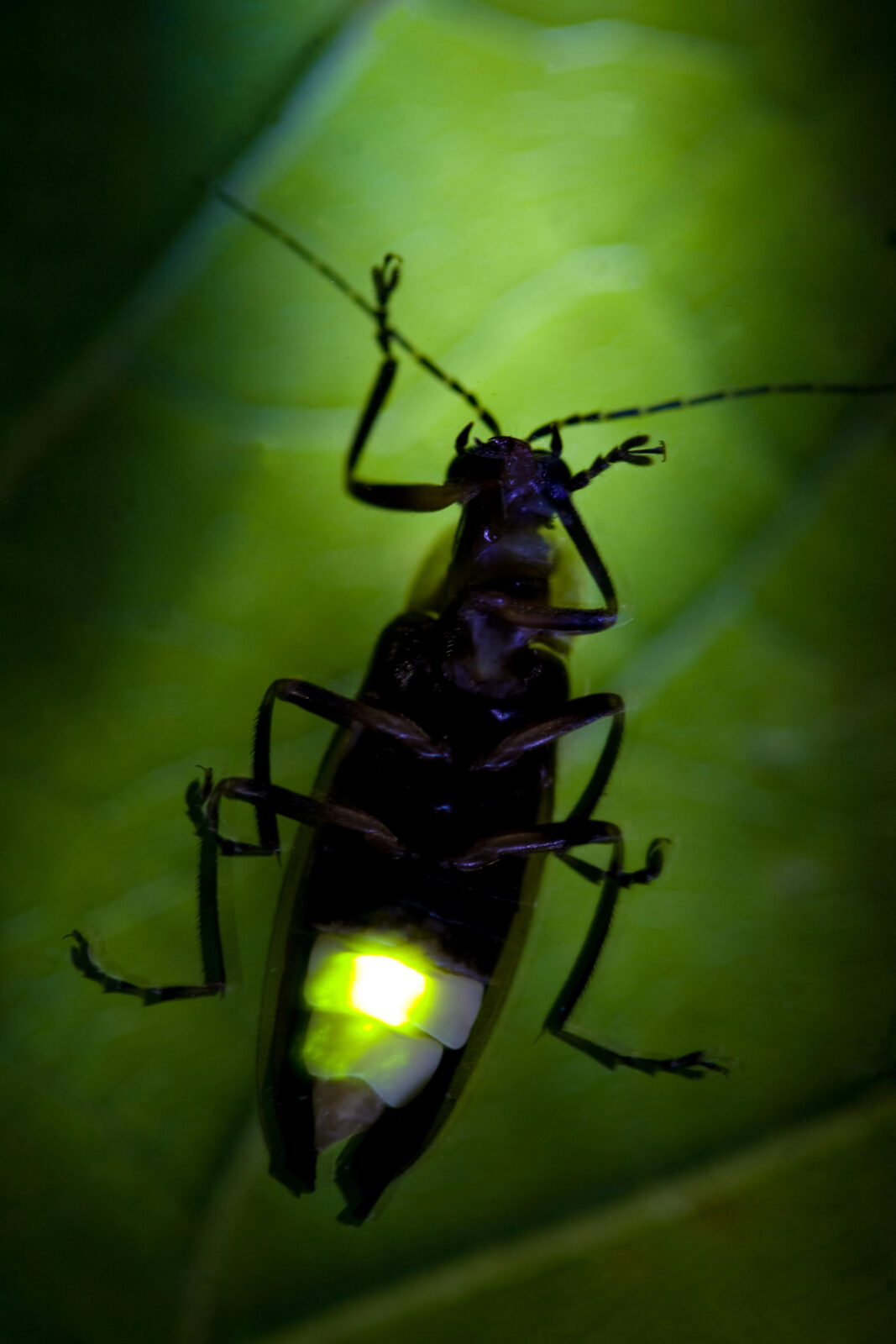
Fireflies are beetles in the family Lampyridae, and their light is produced by a chemical reaction called bioluminescence. Each species uses a slightly different rhythm and length of flashes, because this is how they find a mate. Adults live relatively briefly—often only a few weeks—so for a long-term presence it’s crucial that the larvae thrive. Larvae spend much longer in the environment and are useful too, because they prey on small pests such as slugs and other molluscs. If you give them calm, moisture and plenty of hiding places, they can become a natural part of a balanced garden.
First, look at what gets in the way of fireflies in your garden
Before you change anything, it’s worth doing a quick assessment of your garden. A lawn cut too short is often unsuitable for larvae because they need cover during the day. Chemicals are another common problem: they wipe out not only pests, but also firefly food and the small life in the soil. Dryness matters too, because fireflies prefer damper places—often near water or where the soil doesn’t dry out. And light pollution has a big impact as well. When a garden is brightly lit at night, fireflies have a harder time connecting through their flashes and they reproduce less successfully.
How to adjust your garden so fireflies feel safe
The foundation is to offer diversity and more natural corners. You don’t have to let the whole plot run wild; it’s enough to set aside a smaller area where you mow less often and allow the grass to grow taller. Leaving leaf litter under shrubs helps a lot, as does a strip of untidy edge along a fence or a shadier spot that holds moisture. A small woodpile or a few stones can also serve as shelter—keeping the soil cooler and providing good conditions for egg-laying and larval development. A garden that doesn’t feel sterile and has natural structure is usually more attractive to fireflies.
Choose plants that support shelter and food
Planting native, low-maintenance species plays a big role. Ornamental grasses, perennials and flowering plants give insects shelter, pollen and nectar, and increase overall diversity. Shrubs and low tree branches can also serve as places from which fireflies send their light signals at night. The more layers of vegetation you have, the better the chance fireflies will find a suitable microclimate.
Vegetables and herbs as indirect help for fireflies
Growing vegetables and herbs can be helpful too. In vegetable beds, slugs and small insect larvae often appear—food that firefly larvae actively seek out. So when you grow common crops, you indirectly create a food supply that can help fireflies persist nearby. Add aromatic herbs that support overall biodiversity. What matters is keeping beds moderately moist rather than waterlogged, so the environment stays stable and welcoming for small soil-dwelling creatures.
Less light at night and less chemistry during the day
Night lighting is a major issue for fireflies because it disrupts their communication. If you need lights, it helps to choose less intrusive tones and, above all, to turn them on only when necessary. Motion-sensor lights are ideal so the garden isn’t glowing all night. It’s also wise to limit broad-spectrum pesticides and herbicides. They don’t just affect target pests, but also beneficial species and the entire food web. Better options are to improve the soil with compost and mulch, which retain moisture and support soil life, and to make any interventions as targeted as possible.
Mosquito control without harming beneficial insects
A damper, more natural garden can attract mosquitoes too, but chemical sprays are often a dead end. A gentler route is prevention and nature-friendly methods. Fragrant plants can help, and so can managing standing water so mosquitoes don’t have places to breed. It’s practical to cover rainwater containers and to use forms of lighting and repelling that don’t impact the whole ecosystem. The goal is for the garden to remain comfortable for people while staying safe for fireflies.
How to watch fireflies without disturbing them
The best viewing conditions are usually shortly after dark, when the garden has settled. Choose a spot without direct light and give your eyes time to adjust. A phone screen can be disruptive too, so it’s better to avoid it or dim the brightness significantly. If you spend your evenings quietly and unobtrusively, you’ll often notice fireflies appearing more regularly in the same places where they have good cover and peace.
Get involved in protection—and expect it to take time
Supporting fireflies doesn’t stop at your fence. It helps to share experiences with neighbours, because continuity of habitat in the surrounding area matters to fireflies too. Taking part in projects that map sightings also makes sense, as they collect data for species protection. And it’s worth being patient. Once you create better conditions, it can take quite a while before the population increases noticeably. But when the first flash appears one evening, it’s a clear sign your garden has become a living, healthy place.
What to remember if you want to keep fireflies for good
The most effective approach is a combination of several small steps. Let part of the lawn grow, give the garden natural hiding places, keep the soil on the moist side, reduce chemicals, and avoid unnecessary lighting at night. Add a varied mix of plants and support soil life with compost and mulch. Fireflies aren’t a decoration you can order on demand—but if you give them the right conditions, they can return regularly. And with them, a sense often returns too: that nature still has its place in the garden.
Source: First Nature, Britannica, Pestrazahrada.cz

A lover of nature, gardens, and everything that moves, blooms, or grows. He literally grows everything, from herbs to rare species, and he enjoys caring for animals just as much. In his work, he connects modern technology with tried-and-tested grandmotherly methods and is happy when both paths lead to the same goal.
Related articles

How to Keep Your Pool Sparkling Clean Without Unnecessary Effort or Stress
Keeping pool water crystal clear doesn’t have to be hard work. With a simple daily-and-weekly routine, you’ll prevent cloudiness, algae and breakdowns before they start.

A Simple Trick for a Bigger Pepper Harvest and Faster Ripening
Regular watering and feeding aren’t always enough for a heavy pepper crop. Pinching out the growing tips redirects the plant’s energy into branching, flowering, and ripening fruit faster.
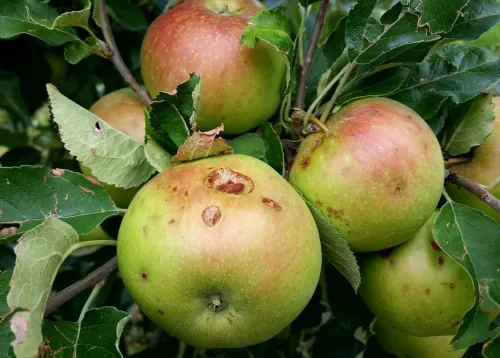
Time to Protect Your Crop, Codling Moth Is Flying Again and Laying Eggs
Wormy apples in summer don’t have to be a given. As the second generation of codling moth takes flight, timely monitoring and well-timed treatment can protect a large share of the crop without spraying unnecessarily.
Comments (0)
Be the first to comment.