
 English
  Polski
  Deutsch
  Nederlands
  Svenska
  Norsk
Norsk  Dansk
Dansk  Français
  Italiano
  Español
  Português
  Slovenčina
  Suomi
Suomi  Gaeilge
 June Shapes Your Harvest More Than Most People Realise
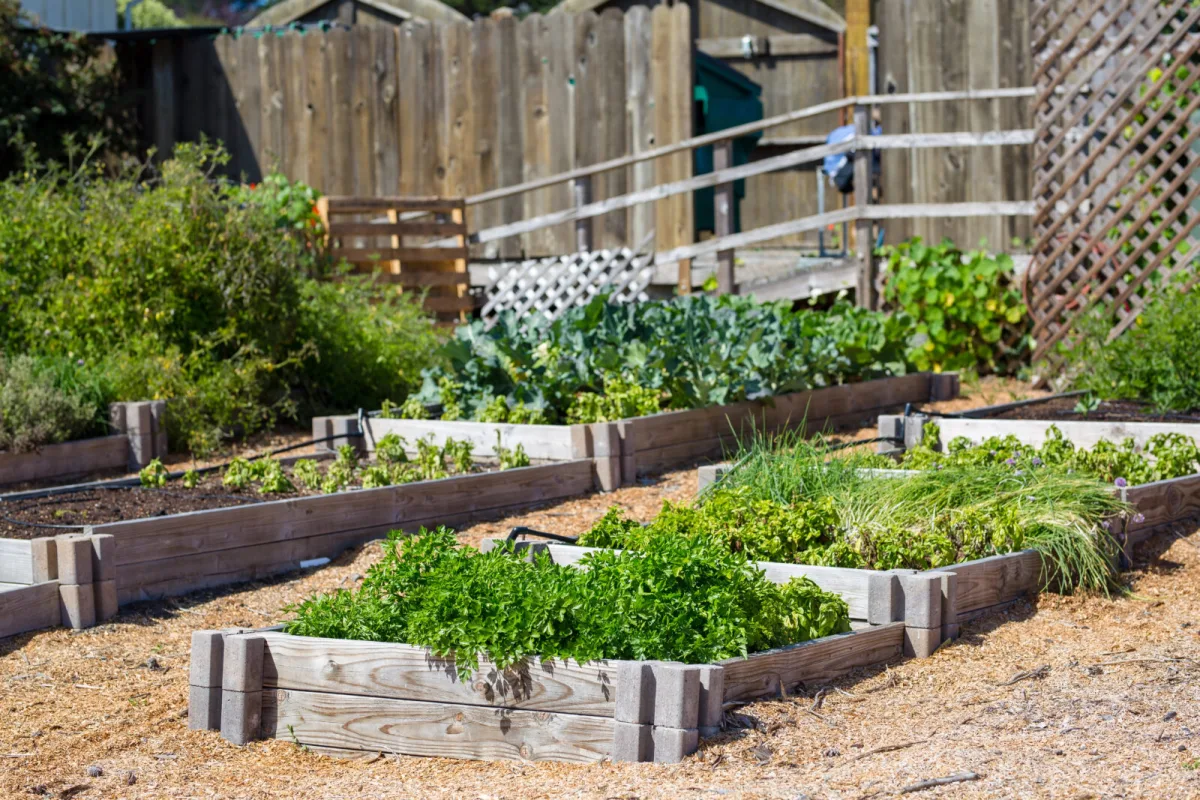
June is the month in the garden when everything speeds up. Vegetables shift into rapid growth, weeds catch up on their spring head start, and the first heatwaves are broken up by sudden downpours. That combination is deceptively risky: underestimate watering, disease prevention or timely tying-in, and it’s hard to make up the ground later in summer. The point of June care isn’t to do everything, but to do the right things that have the biggest impact.
In June, it doesn’t pay to improvise: what you put off today often becomes damage control tomorrow.
Watering and mulching are the most common sources of mistakes
The classic June problem is watering at the wrong time. Sprinkling foliage in midday sun doesn’t refresh plants; it stresses them. Water should go to the root zone, ideally early morning or evening, when less evaporates and the soil can actually make use of the moisture. With fruiting crops, consistency matters: swings between drought and a sudden heavy soak encourage fruit splitting and stress, leaving plants more prone to disease.
Once you’ve watered, there’s a follow-up move that’s often forgotten in June: mulch. Straw, fresh grass clippings or finely shredded leaves help hold soil moisture, suppress weeds and steady soil temperature. With strawberries, mulch also prevents fruit from sitting on mud, so they rot less and stay cleaner. Just take care not to pack mulch right up against the crown/stem base, as that creates conditions for rot.
Watch out for: with tomatoes, cucumbers and courgettes, water only at the base. Damp leaves in warm June weather are an open invitation to blights and leaf-spot diseases.
Vegetables need timely interventions, not fixes when it’s already too late
With tomatoes, June decides whether you end up with an overgrown jungle or baskets of fruit. Regularly pinching out side shoots on cordon (indeterminate) varieties keeps the plant airy and focused on cropping. Also keep tying-in and checking ties, because stems thicken fast and a string that was loose last week can start to cut in.
Root vegetables often suffer because we sowed them too thickly in spring. June is the ideal time to thin carrots, parsley or beetroot. Plants need space, otherwise they’ll stay small, grow misshapen and be more vulnerable to pests and disease. Gaps left after early crops can be used for follow-on sowings, so the bed doesn’t sit empty and effectively hand its moisture over to weeds.
Don’t forget: do any handling of tomatoes in dry conditions, ideally in the morning. Wounds callus over faster and you reduce the risk of infection.
Weeding and hoeing: small jobs that prevent big headaches
In June, weeds grow with incredible force and steal water and nutrients exactly when your plants need them most. If you wait until you “have time”, you often find the weeds have already set seed. Regular shallow hoeing and light cultivation has a double effect: you remove competition and you break up the soil crust, so watering penetrates to the roots more effectively.
Mulched beds see fewer weeds, but it still pays to check edges and paths, where seeds readily spread back in. June cultivation around ornamental shrubs also improves root aeration, which shows up as better vigour during summer heat.
Don’t scalp the lawn in June, and don’t overdo watering
A June lawn looks its best when it’s mown often, but not too low. Cutting too short exposes soil that quickly overheats and dries out, leading to yellow patches and weakened turf. Mowing once a week is often the minimum in a typical season, but it’s better to set the blades higher than you might be tempted to.
Another common mistake is irregular “overwatering” in small amounts. It’s better to water less often but thoroughly, so moisture reaches deeper and roots grow down to follow it. Surface dampening encourages shallow rooting, and the lawn then copes worse on hot days.
Fruit trees and bushes: check fruitlets and supports
In June, fruit trees go through a natural fruit drop, but it may not be enough. With apples and pears, it’s worth thinning by hand—removing misshapen or weak fruitlets—so the tree doesn’t exhaust itself and the remaining fruit has the chance to size up properly. Overloaded branches can also snap in storms, leaving damage that takes years to put right.
With currants, gooseberries or raspberries, keep an eye on tying-in and thinning for light and air. A more open canopy dries faster after rain and suffers less from fungal disease. If you get torrential downpours, check whether water has washed soil away from the roots and whether mulch has piled up into heaps where it would hold too much moisture.
Roses and perennials need attention before the storms arrive
In June, the ornamental garden often takes a back seat to the veg plot, but a few extra minutes now pay off. On roses, regularly deadhead back to the first strong leaf so the plant sets more buds and doesn’t stop early. At the same time, watch for aphids and the first signs of black spot, because in warm weather it spreads quickly.
Tall perennials such as peonies, delphiniums or coneflowers appreciate support before wind bends them over. Once a storm flattens them, stems snap and flowers get splashed with dirt—yet a few canes or a support ring put in early is often all it takes. Loosen the soil around plants now and then so it doesn’t bake hard and roots can “breathe”.
Harvest herbs at their peak and dry them properly
June is an ideal month for harvesting herbs, because their essential oil content is often high. Pick on a sunny morning once the dew has dried, but before the midday heat. If you want stores for winter, don’t wait for herbs to flower. Before flowering, the leaves have the best flavour and potency.
Drying in full sun is a typical mistake: herbs bleach and lose aroma. Shade, good airflow and a thin layer work much better. With dill or lovage, chopping and freezing often gives better results, because drying can strip away their characteristic scent.
A quick June check that saves you all summer
Before the month turns into holiday heat, walk the garden methodically: check ties, supports, the condition of mulch, and any spots where water stands after rain. Watch for early signs of disease on tomatoes, cucumbers and roses, and act immediately—don’t wait until half the plants are affected. June is the month of prevention: what you keep healthy now pays you back in summer with time saved and better harvests.
Source: Gardener’s World, RHS, Pestrazahrada.cz

A lover of nature, gardens, and everything that moves, blooms, or grows. He literally grows everything, from herbs to rare species, and he enjoys caring for animals just as much. In his work, he connects modern technology with tried-and-tested grandmotherly methods and is happy when both paths lead to the same goal.
Related articles

How to Keep Your Pool Sparkling Clean Without Unnecessary Effort or Stress
Keeping pool water crystal clear doesn’t have to be hard work. With a simple daily-and-weekly routine, you’ll prevent cloudiness, algae and breakdowns before they start.
A Simple Trick for a Bigger Pepper Harvest and Faster Ripening
Regular watering and feeding aren’t always enough for a heavy pepper crop. Pinching out the growing tips redirects the plant’s energy into branching, flowering, and ripening fruit faster.
Fireflies are disappearing from the landscape, learn how to create a safe garden home
Warm summer nights are even more magical when fireflies start flashing at dusk—but their numbers are falling. With a few simple changes to mowing, planting, lighting and chemical use, your garden can become a safe refuge again.
Comments (0)
Be the first to comment.